NEW
DNA DENTAL DALLAS IS REBRANDING TO REDEFINE DENTAL AESTHETIC AND WELLNESS CENTER
DNA DENTAL DALLAS IS REBRANDING TO REDEFINE DENTAL



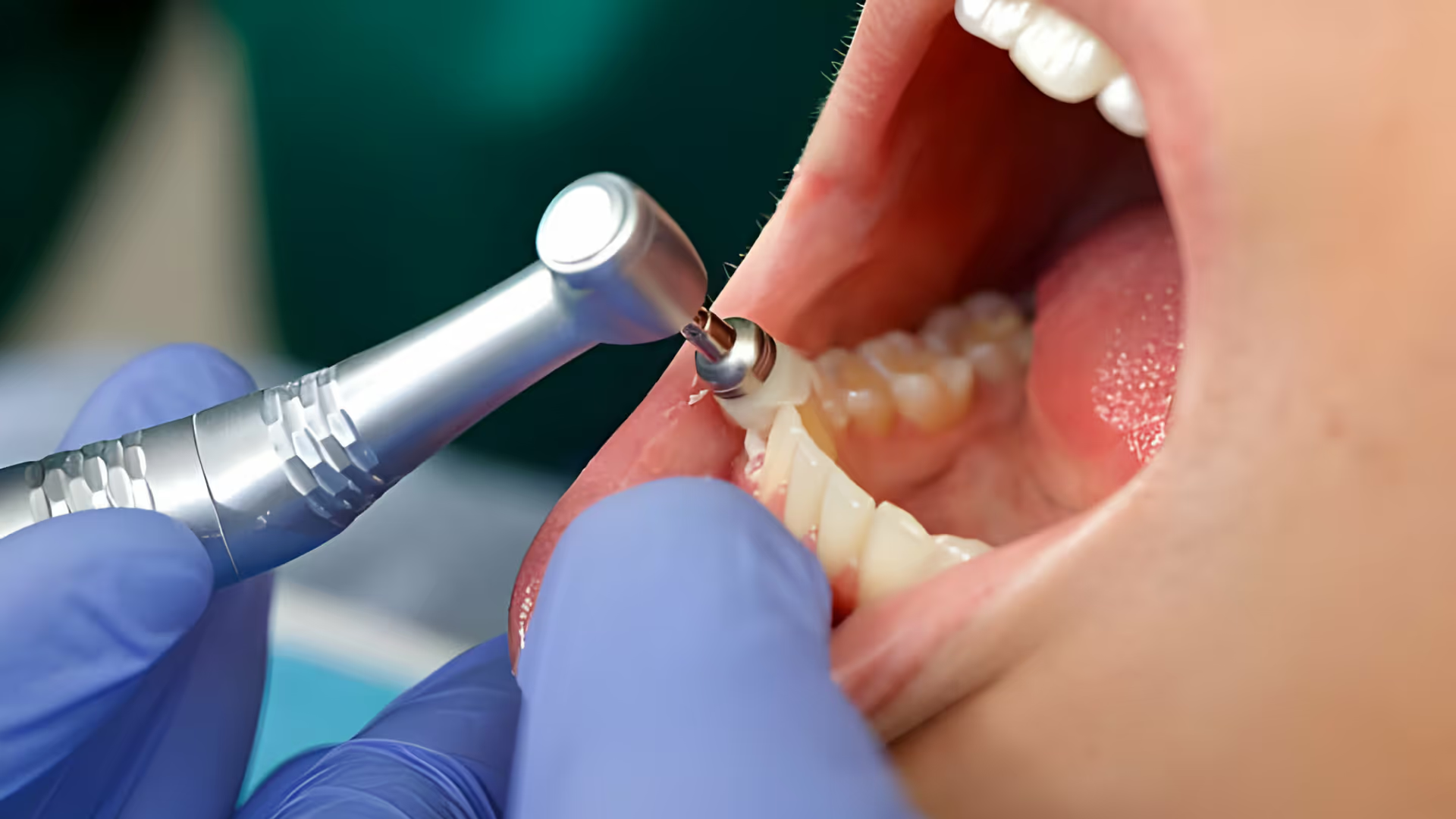
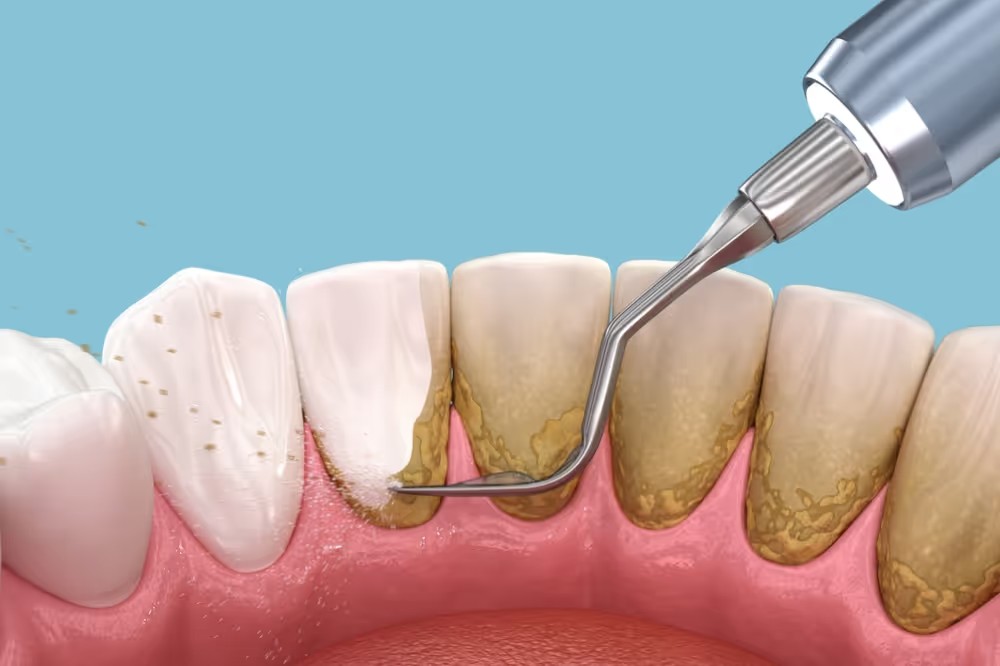
Deep periodontal cleaning, formally called scaling and root planing, is a non-surgical treatment for gum disease. It removes the hardened tartar and bacteria that accumulate below the gum line, where a standard cleaning can't reach.
The goal is to stop the inflammation that causes gums to pull away from teeth, let the tissue heal and reattach, and prevent bone loss from progressing further.
Deep periodontal cleaning, formally called scaling and root planing, is a non-surgical treatment for gum disease. It removes the hardened tartar and bacteria that accumulate below the gum line, where a standard cleaning can't reach.
The goal is to stop the inflammation that causes gums to pull away from teeth, let the tissue heal and reattach, and prevent bone loss from progressing further.
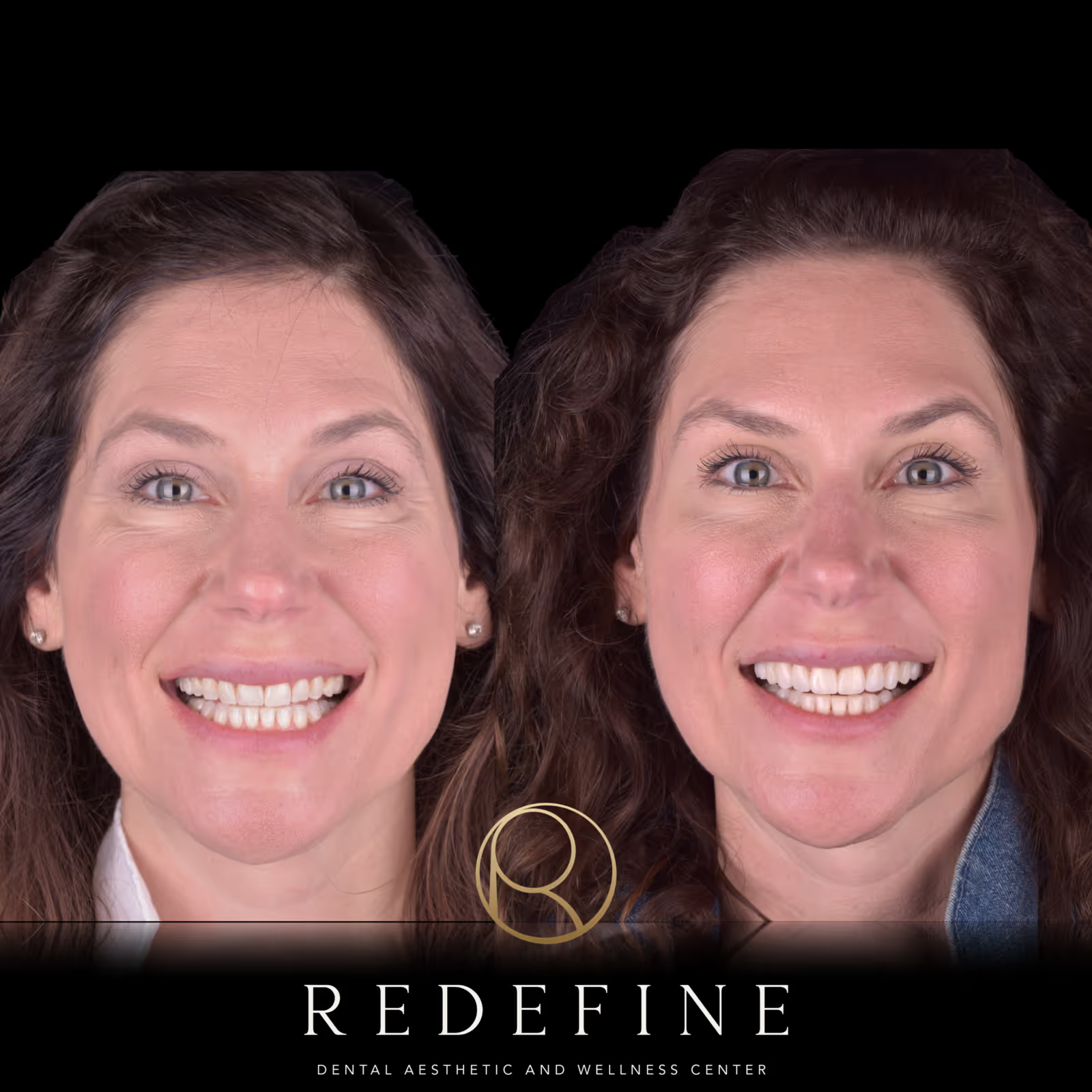
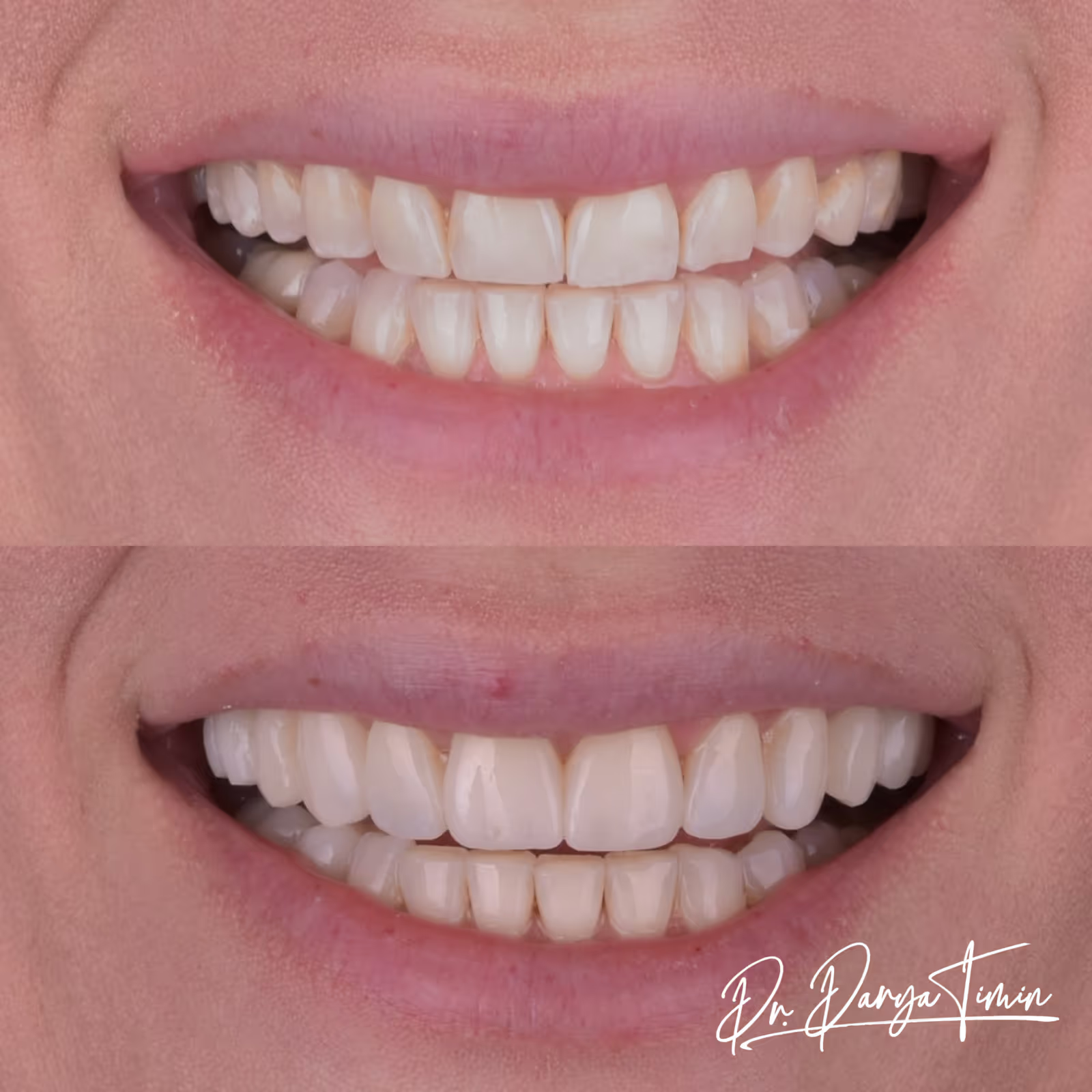
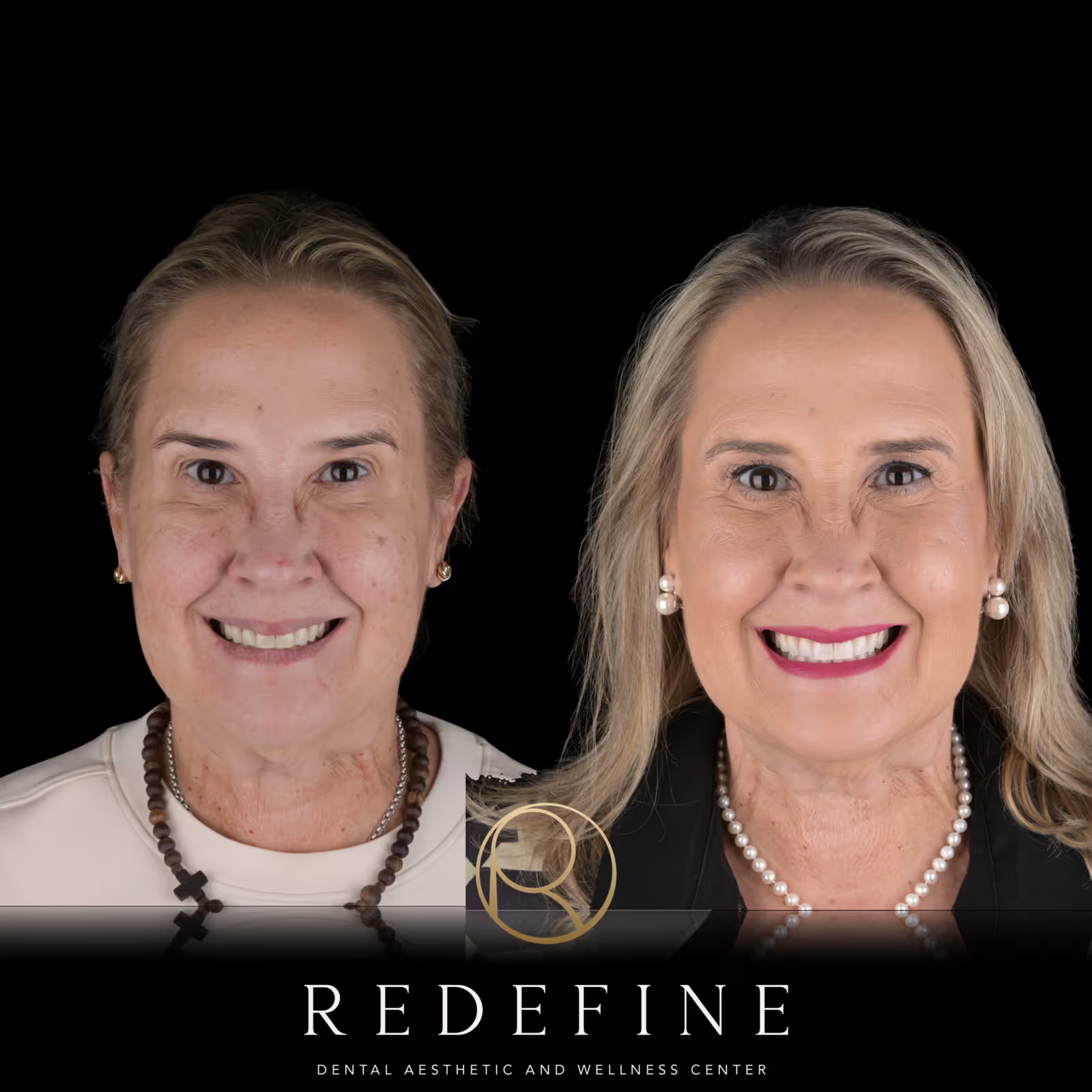
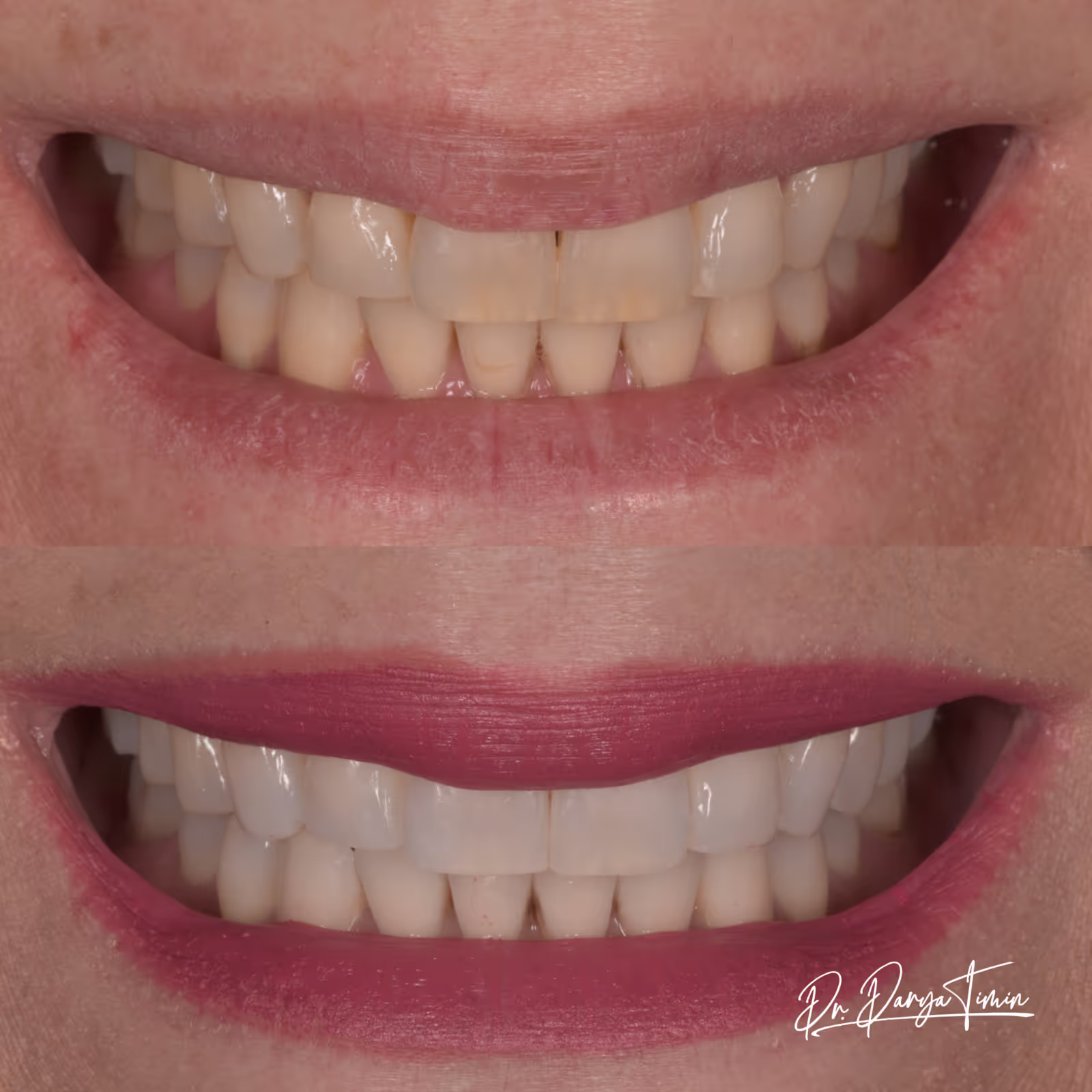

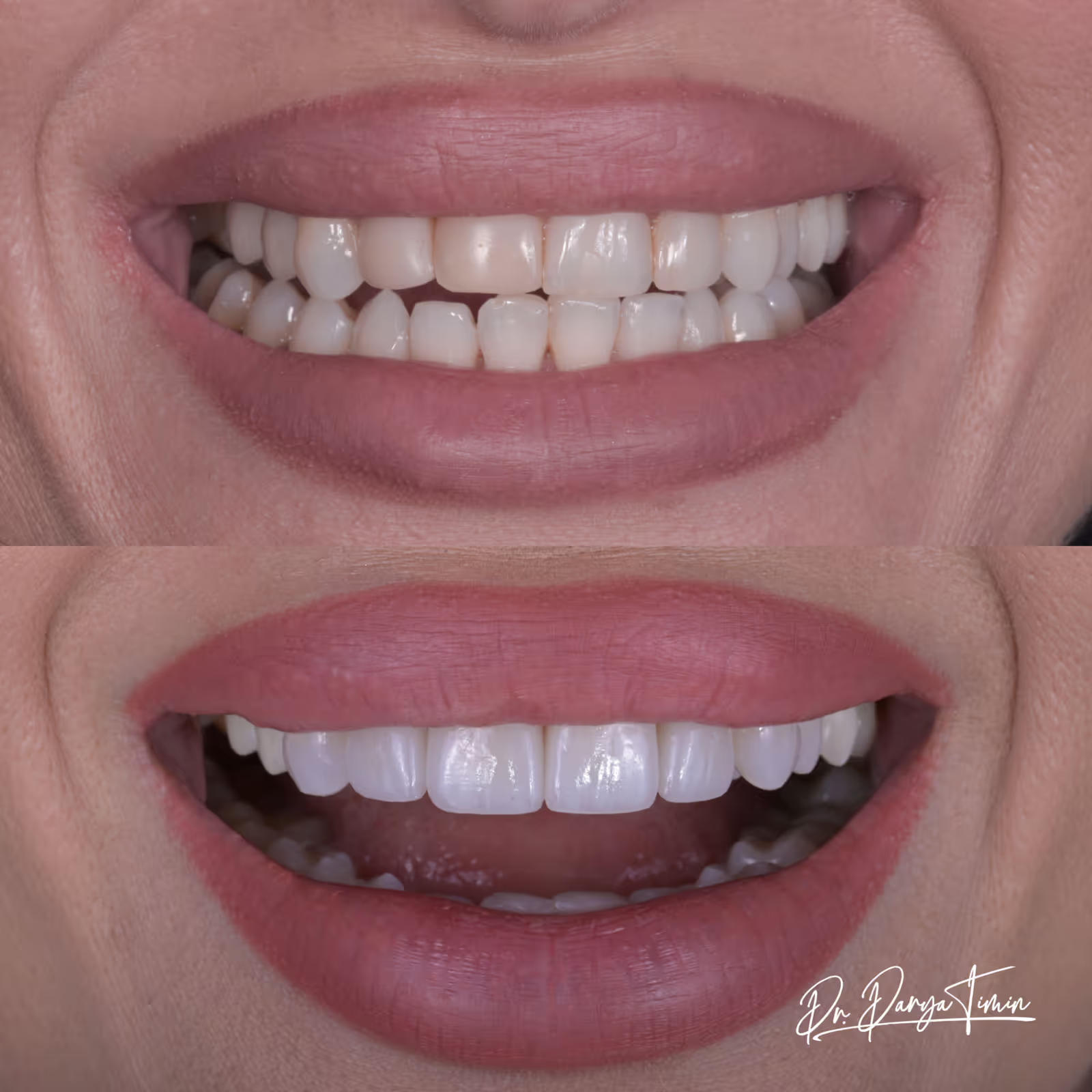
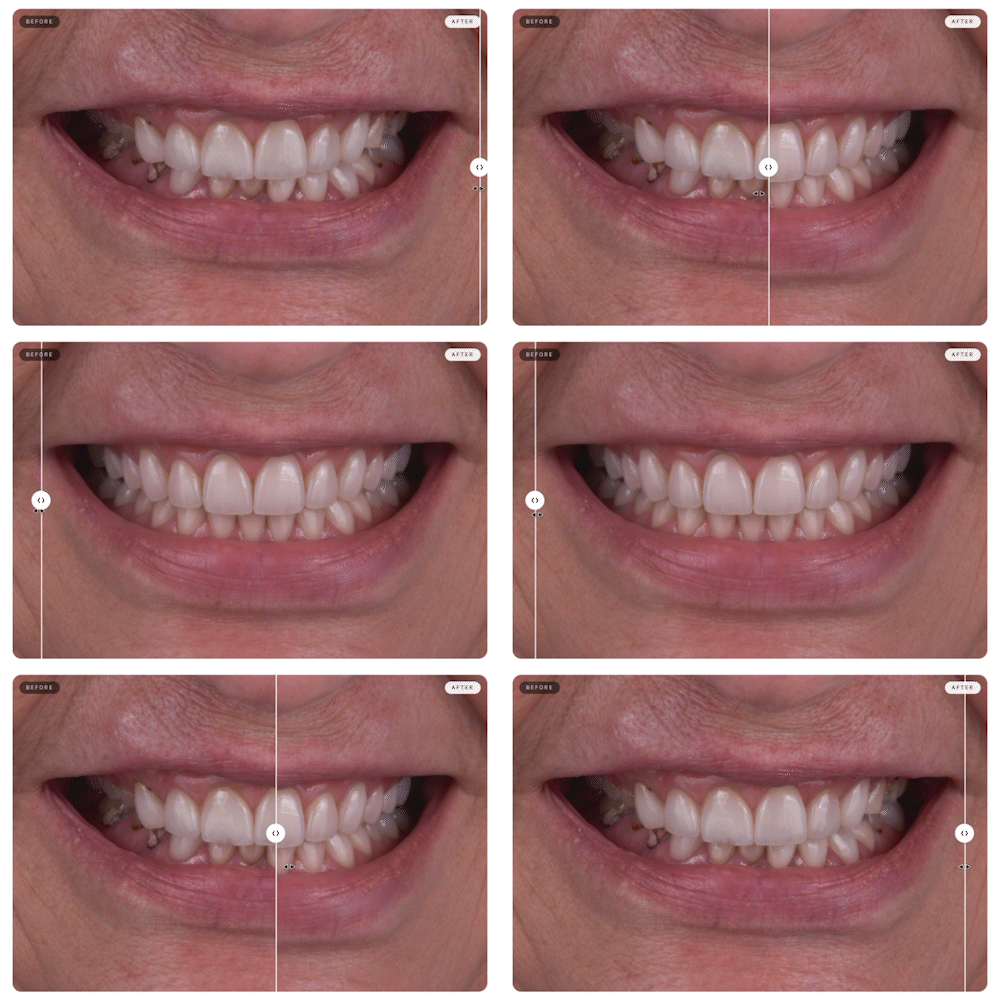
Hover over the picture to see Close Ups.
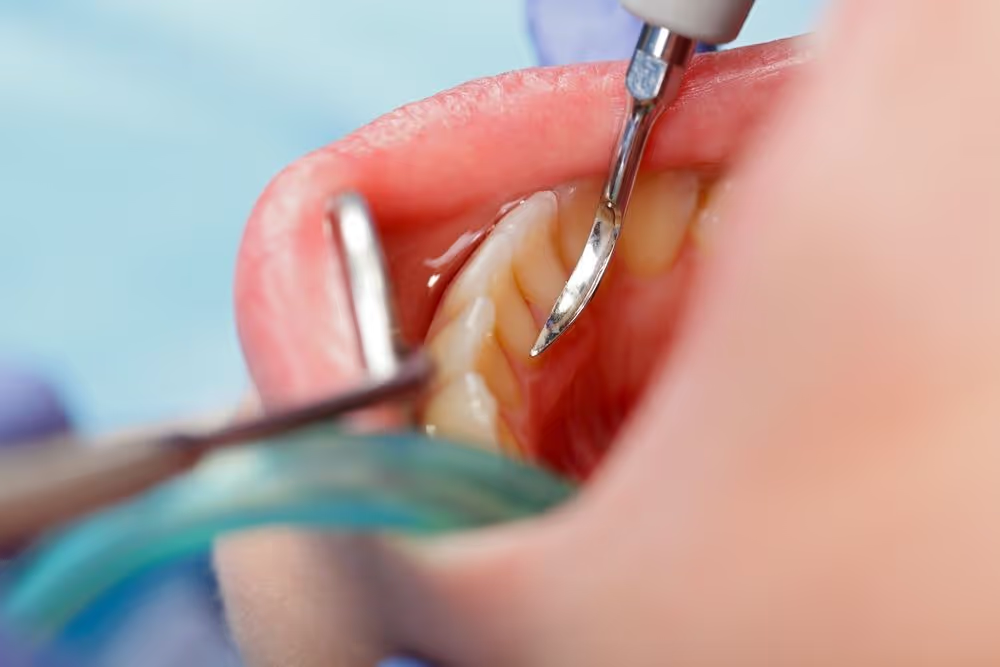
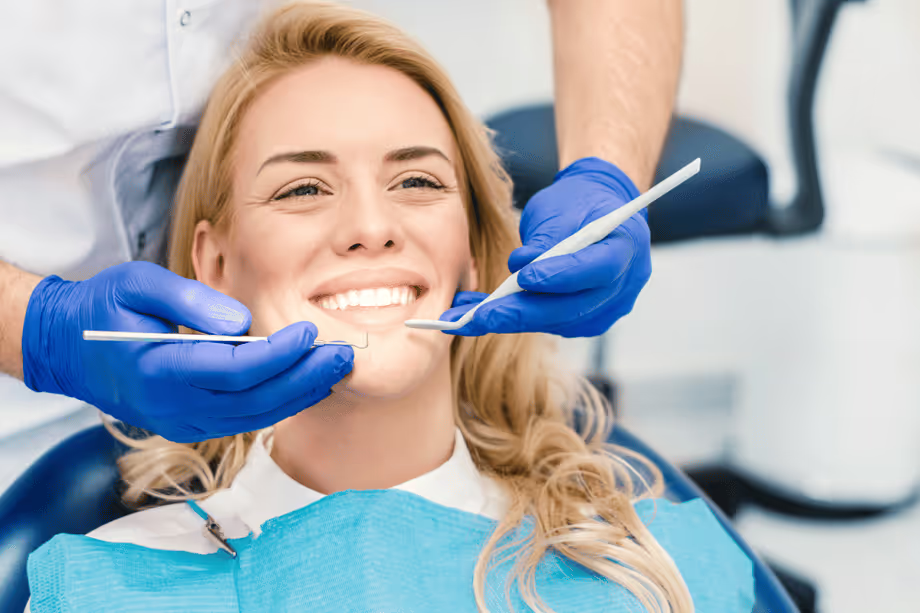
Dr. Timin measures pocket depths, reviews X-rays for bone levels, and maps which quadrants need treatment and over how many visits.
Dr. Timin measures pocket depths, reviews X-rays for bone levels, and maps which quadrants need treatment and over how many visits.
Dr. Timin measures pocket depths, reviews X-rays for bone levels, and maps which quadrants need treatment and over how many visits.
Dr. Timin measures pocket depths, reviews X-rays for bone levels, and maps which quadrants need treatment and over how many visits.
Under local anesthesia for comfort, tartar and bacteria are removed from below the gum line and root surfaces are smoothed so tissue can reattach.
A 3-month periodontal maintenance interval replaces standard 6-month cleanings to prevent regression and catch new pockets early.
Periodontal deep cleaning is needed when plaque and bacteria accumulate beneath the gums, causing inflammation that leads the gums to pull away from the teeth and form deep pockets. Without treatment, this progression can result in gum recession, bone loss, loose or shifting teeth, and eventually tooth loss. Addressing the issue early helps protect long-term oral health and stability.
Periodontal deep cleaning is needed when plaque and bacteria accumulate beneath the gums, causing inflammation that leads the gums to pull away from the teeth and form deep pockets. Without treatment, this progression can result in gum recession, bone loss, loose or shifting teeth, and eventually tooth loss. Addressing the issue early helps protect long-term oral health and stability.

Reduces inflammation

Freshens breath

Preserves natural teeth

Boosts overall health

You're a candidate if a dental exam has measured gum pockets deeper than 4 millimeters, if your gums bleed on flossing, if you've noticed gum recession or persistent bad breath, or if X-rays show early bone loss around your teeth. Gum disease is silent until it's advanced, so measurement beats feel.
Patients with systemic risk factors like diabetes, heart disease, pregnancy, or medication-related dry mouth are often on an accelerated recall schedule and benefit the most from catching this early.
Dr. Darya Timin treats deep cleaning as more than a mechanical procedure. Her Kois Center training connects gum health to the rest of the restorative plan, because every veneer, crown, or implant sits on gum tissue that has to hold up over decades.
At Redefine Dental, every scaling and root planing appointment includes documented pocket depths before and after, a baseline comparison for future visits, and when relevant, a discussion of whether salivary testing would help identify the specific bacteria driving your case.
It's a targeted intervention, not a deeper version of a regular cleaning.

You're a candidate if a dental exam has measured gum pockets deeper than 4 millimeters, if your gums bleed on flossing, if you've noticed gum recession or persistent bad breath, or if X-rays show early bone loss around your teeth. Gum disease is silent until it's advanced, so measurement beats feel.
Patients with systemic risk factors like diabetes, heart disease, pregnancy, or medication-related dry mouth are often on an accelerated recall schedule and benefit the most from catching this early.
Dr. Darya Timin treats deep cleaning as more than a mechanical procedure. Her Kois Center training connects gum health to the rest of the restorative plan, because every veneer, crown, or implant sits on gum tissue that has to hold up over decades.
At Redefine Dental, every scaling and root planing appointment includes documented pocket depths before and after, a baseline comparison for future visits, and when relevant, a discussion of whether salivary testing would help identify the specific bacteria driving your case.
It's a targeted intervention, not a deeper version of a regular cleaning.
Yes. When performed early, periodontal deep cleaning can stop the progression of gum disease, protect bone structure, and significantly reduce the risk of tooth loss.
Initial healing usually occurs within a few weeks, with continued improvement over several months. Following home care instructions and attending follow-up visits helps ensure proper healing and long-term results.
Signs that you may need a deep cleaning include bleeding gums, persistent bad breath, gum recession, or deep pockets detected during a dental exam. Dr. Timin will measure your gums and determine if scaling and root planing is necessary.
The procedure is generally very comfortable. Local anesthesia is often used to numb the area, and most patients experience only mild tenderness afterward that resolves within a few days.
A periodontal deep cleaning goes below the gumline to remove bacteria and tartar from deep pockets around the teeth. Regular cleanings focus only on the tooth surfaces above the gums and are meant for patients without active gum disease.