NEW
DNA DENTAL DALLAS IS REBRANDING TO REDEFINE DENTAL AESTHETIC AND WELLNESS CENTER
DNA DENTAL DALLAS IS REBRANDING TO REDEFINE DENTAL




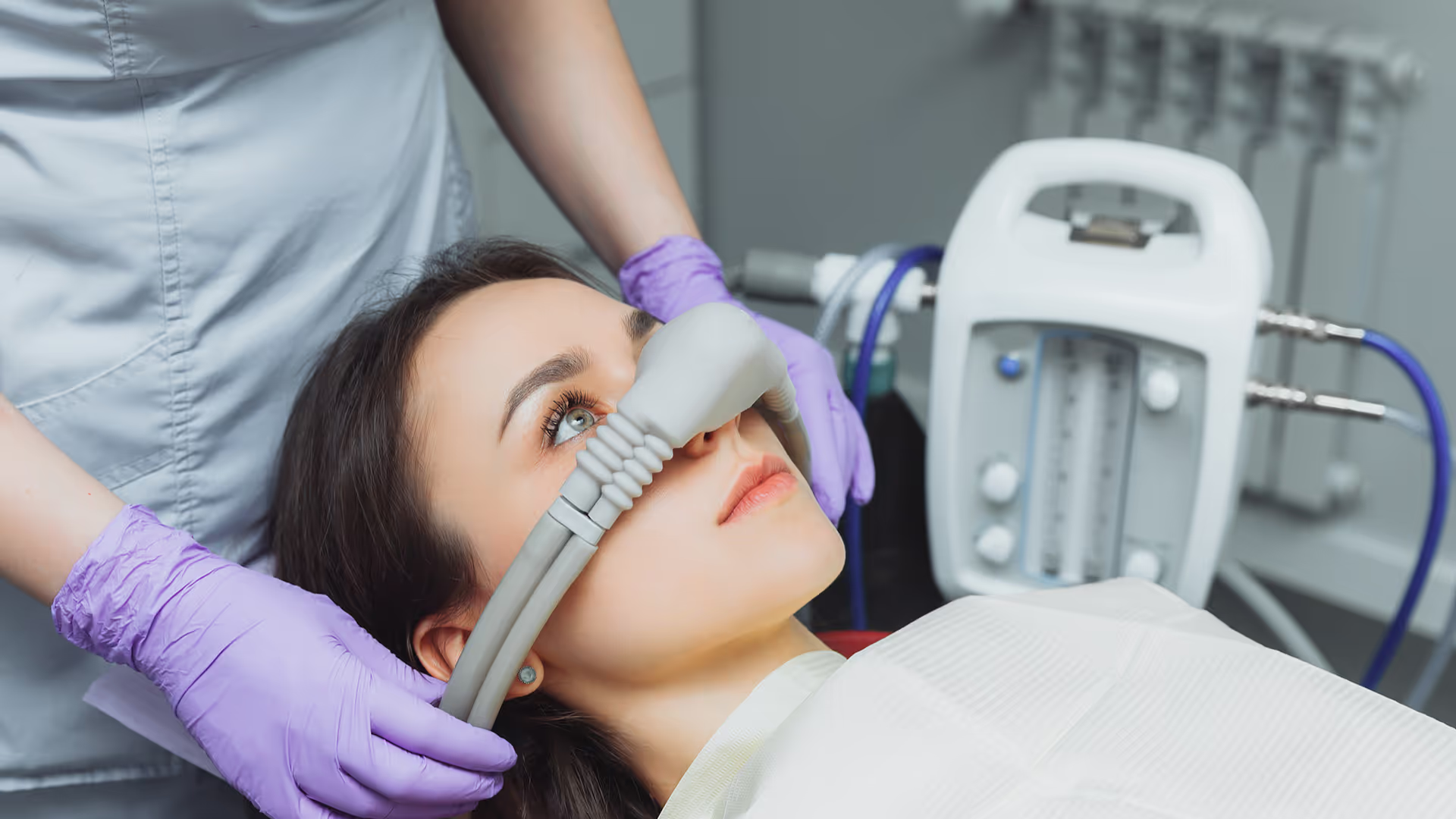
Oral surgery is sometimes necessary to protect your oral health, prevent complications, and relieve pain. One of the most common surgical procedures in dentistry is tooth extraction, which involves removing a tooth that is damaged, infected, or crowding your smile.
.avif)
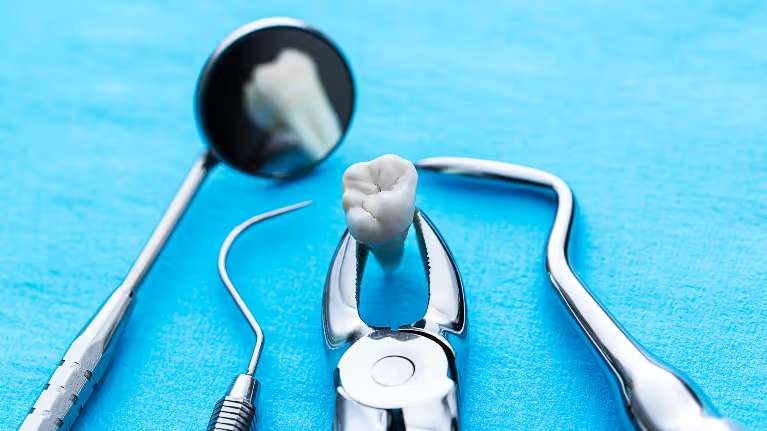
A tooth extraction is a procedure used to remove a tooth that is damaged, infected, or causing crowding. Simple extractions are performed on visible teeth under local anesthesia, while surgical extractions are used for impacted teeth.
Wisdom teeth often require surgical removal, especially when impacted, to prevent pain, infection, and future crowding. Every extraction is performed with modern techniques for comfort and quick recovery.
A tooth extraction is a procedure used to remove a tooth that is damaged, infected, or causing crowding. Simple extractions are performed on visible teeth under local anesthesia, while surgical extractions are used for impacted teeth.
Wisdom teeth often require surgical removal, especially when impacted, to prevent pain, infection, and future crowding. Every extraction is performed with modern techniques for comfort and quick recovery.
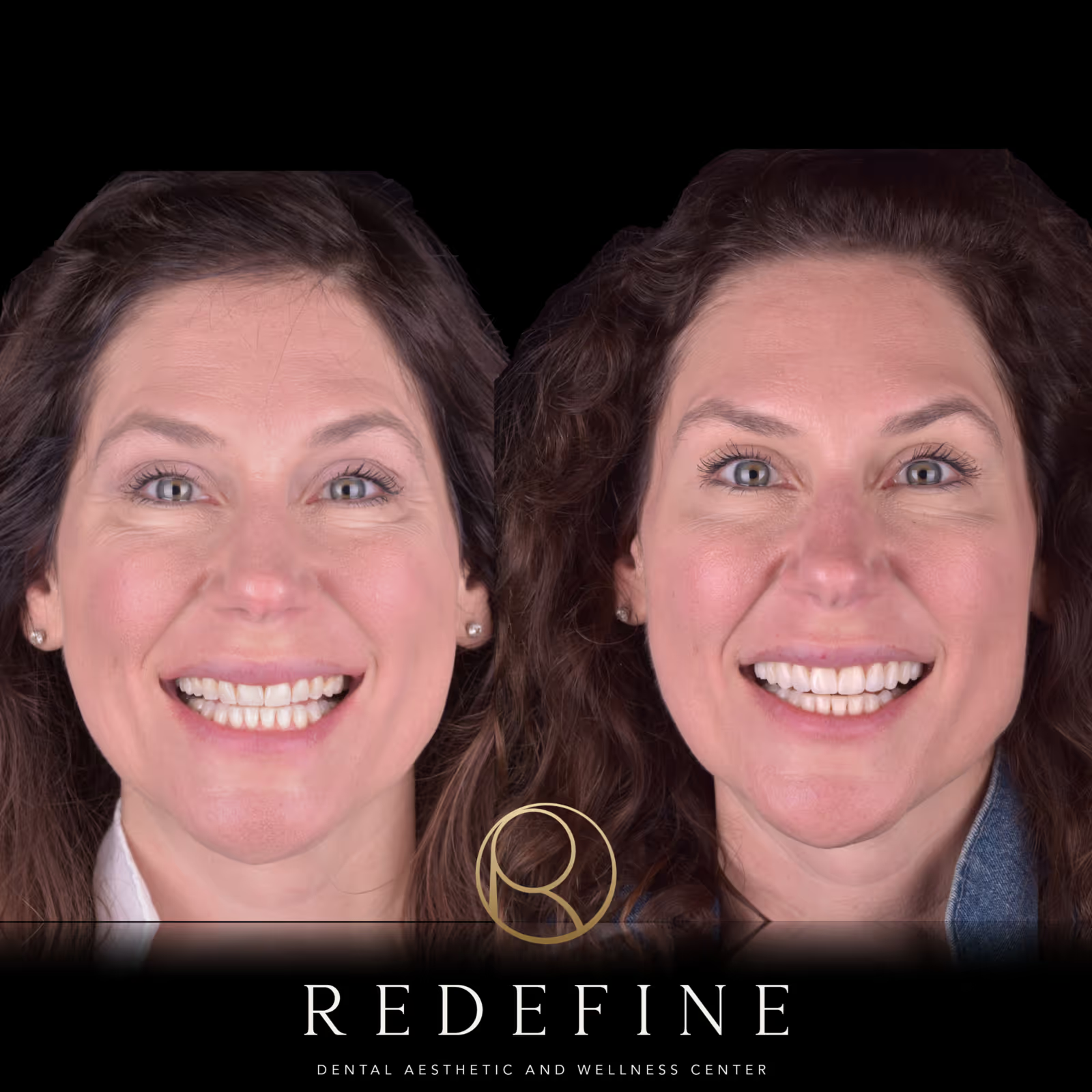
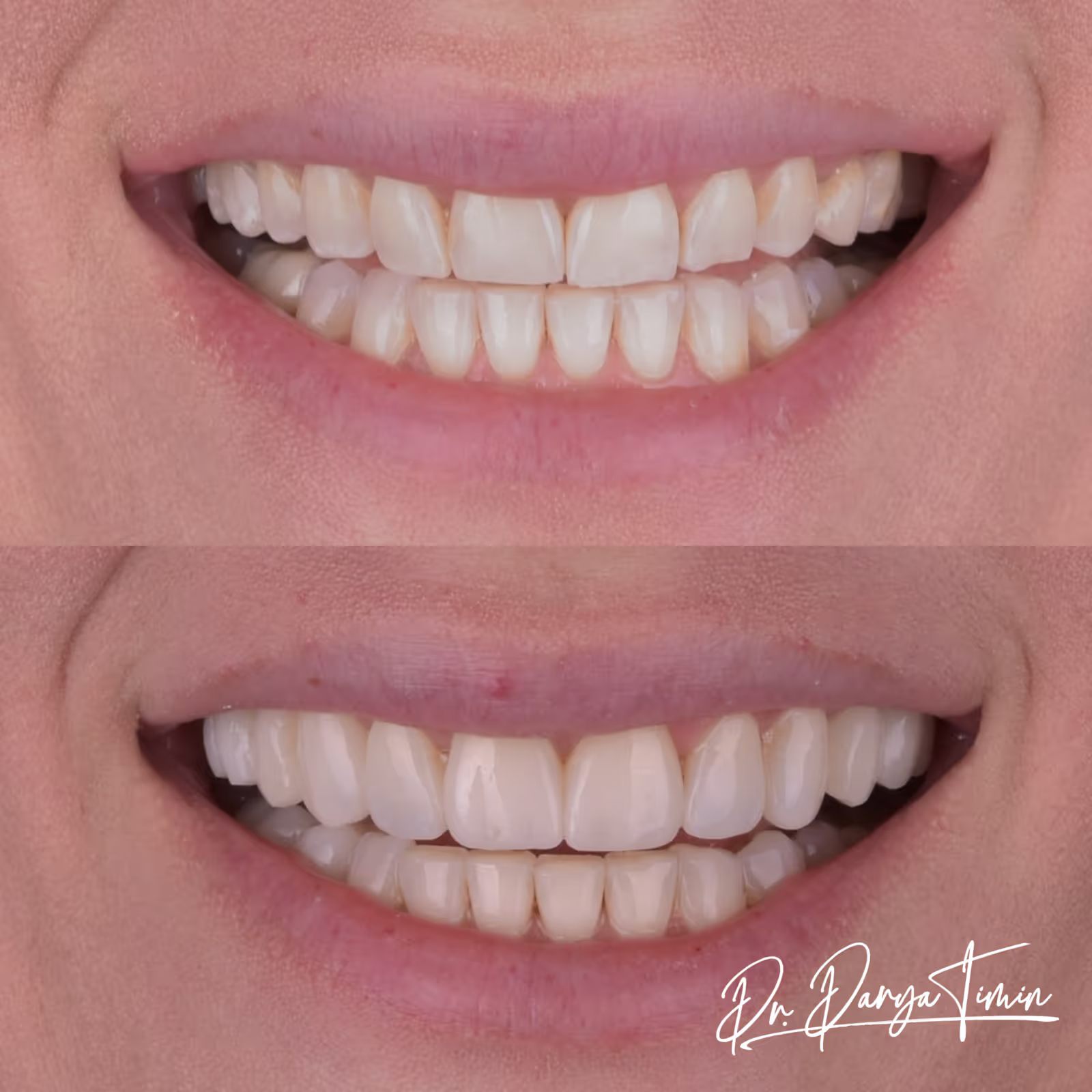
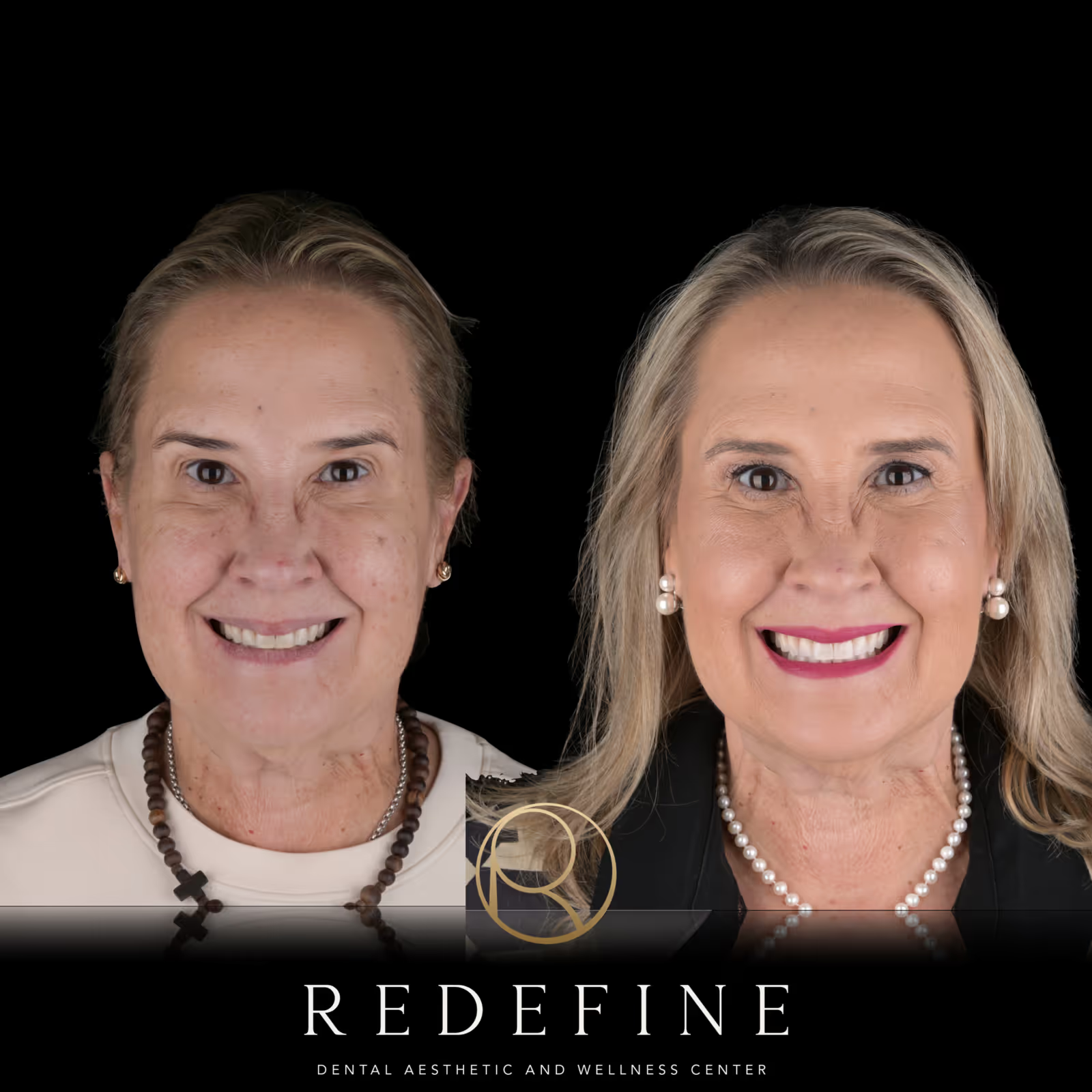
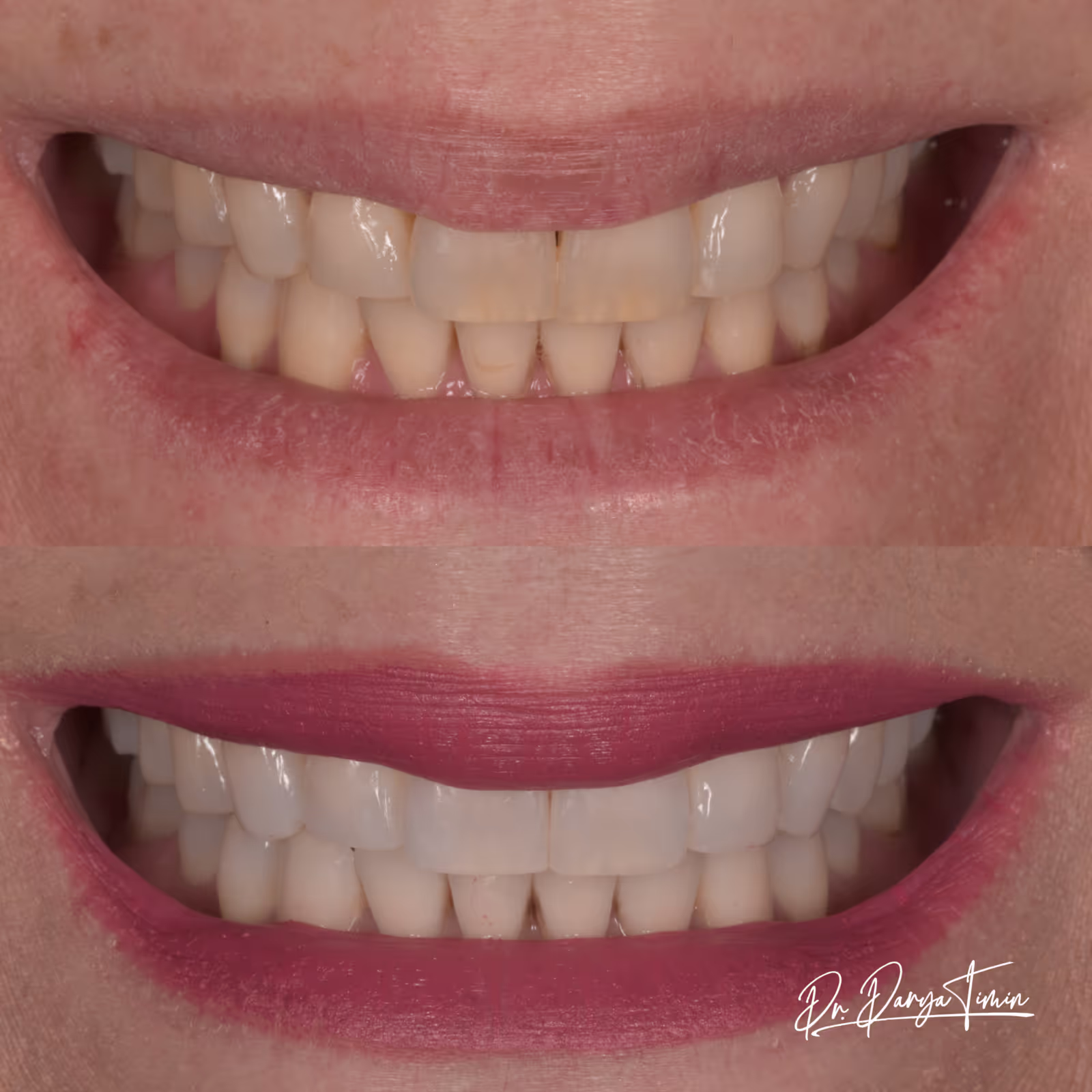

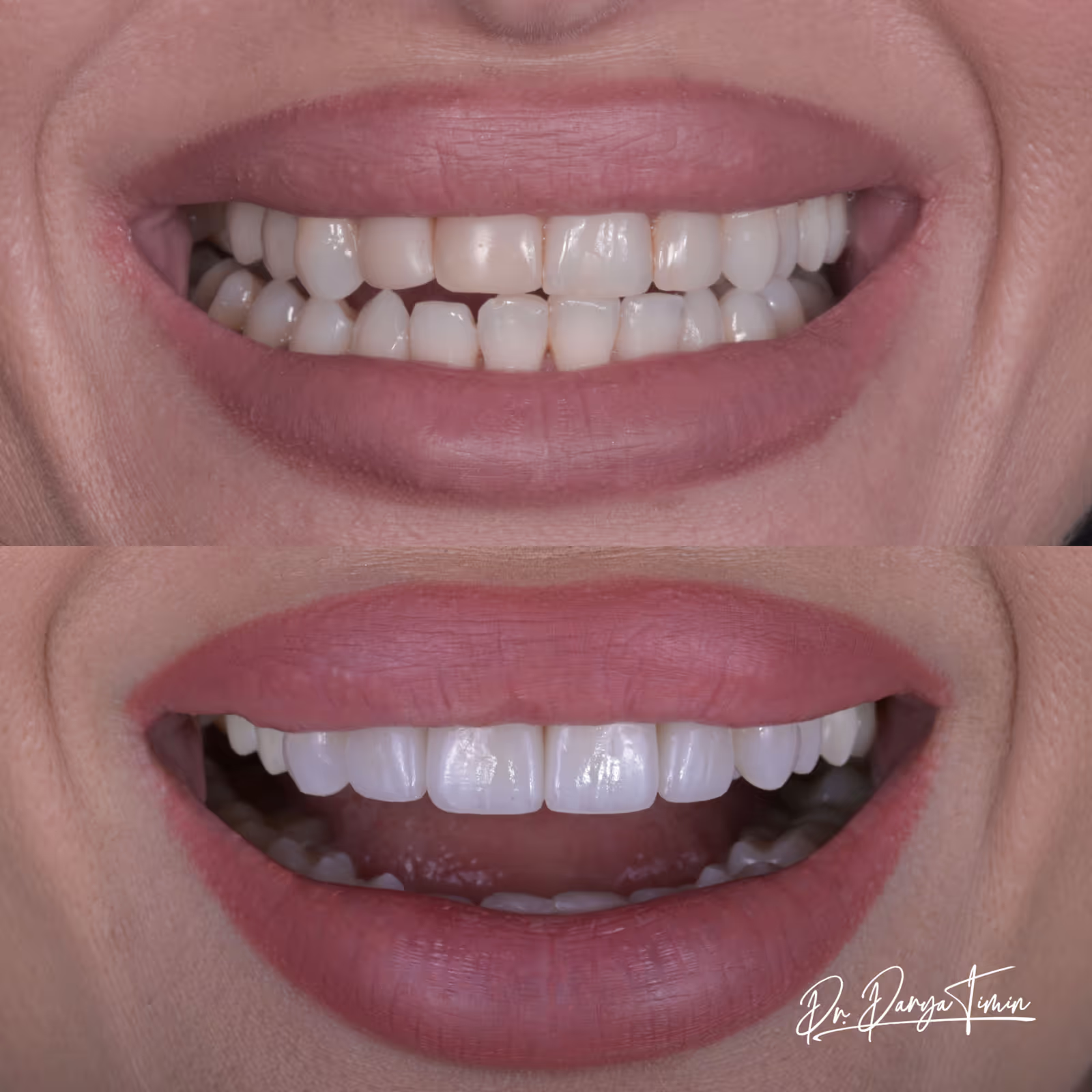
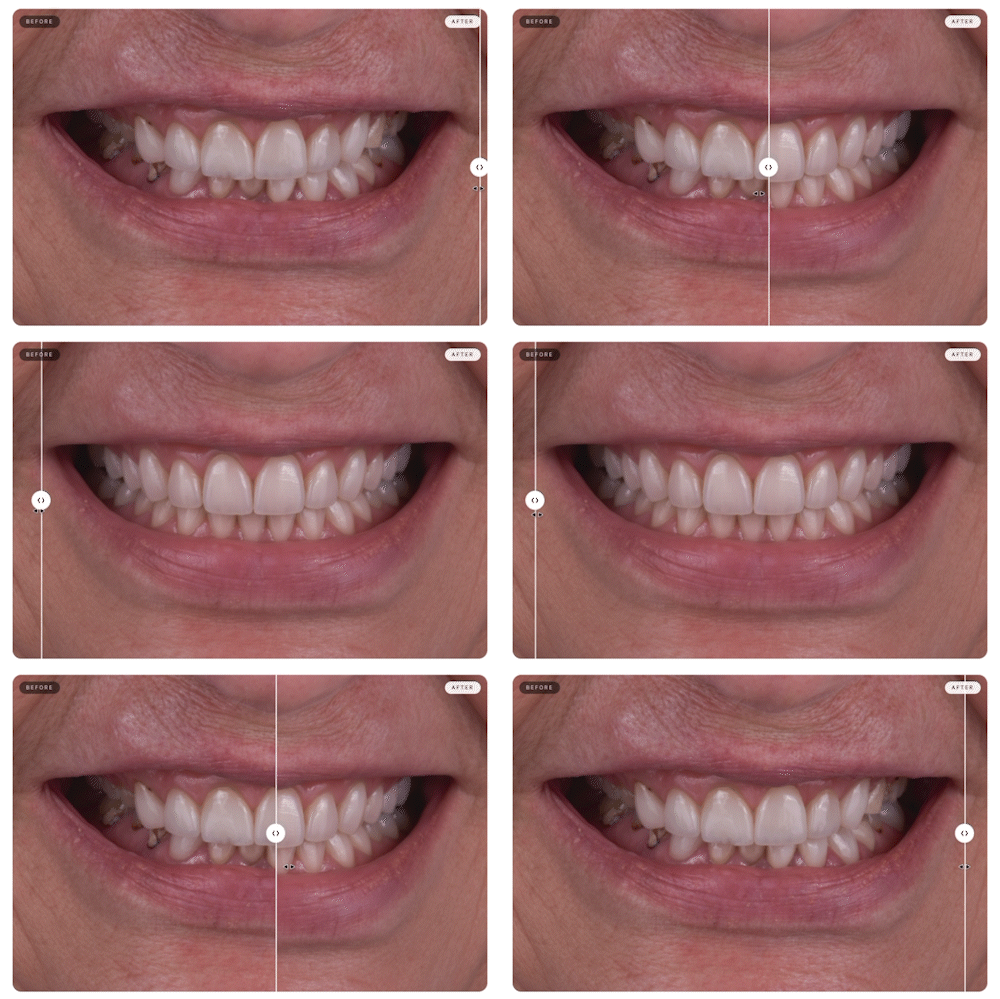
Hover over the picture to see Close Ups.
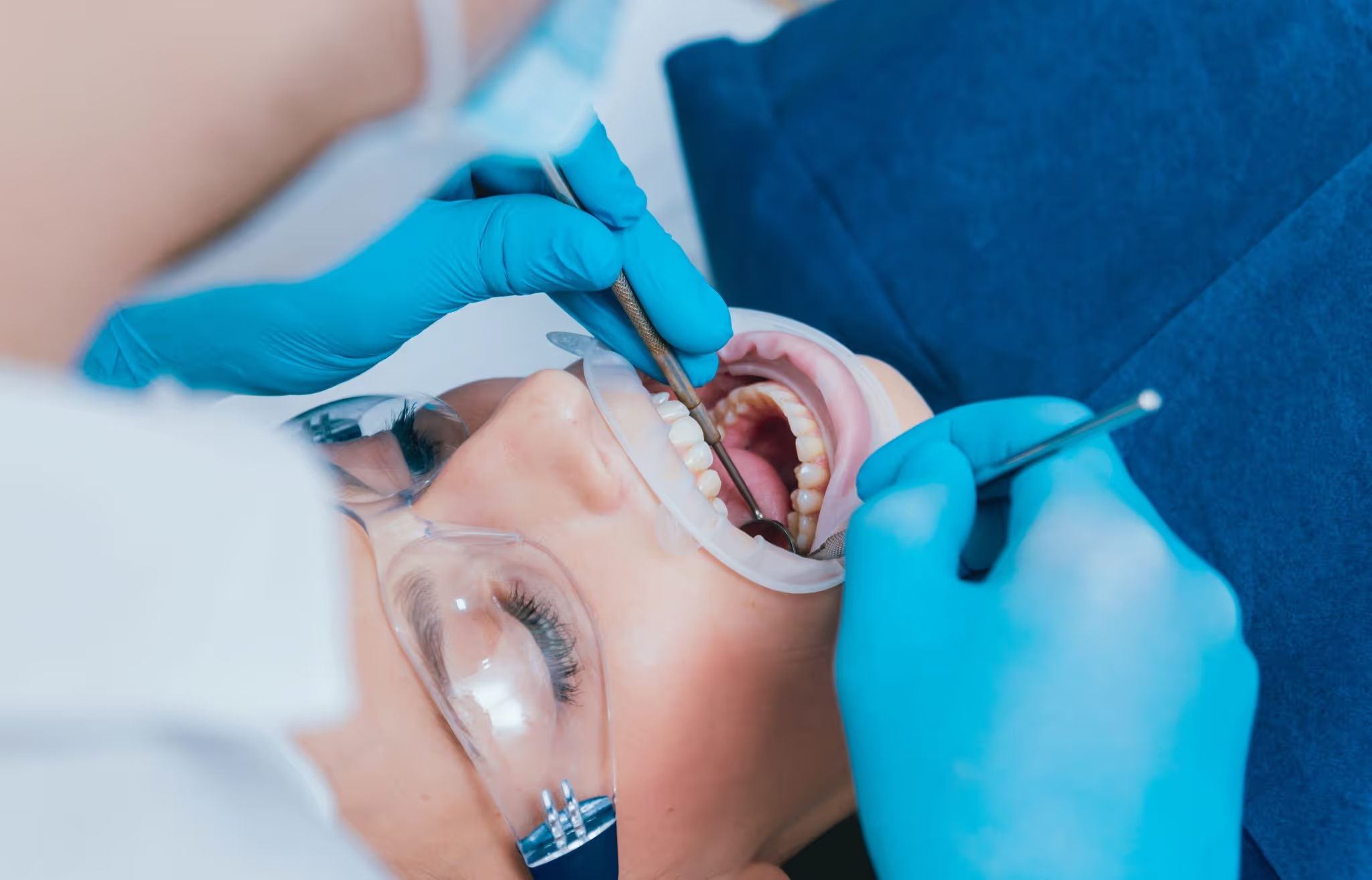
Dr. Timin examines the tooth, reviews X-rays or 3D scans, and discusses anesthesia and sedation options to keep you comfortable throughout.
Dr. Timin examines the tooth, reviews X-rays or 3D scans, and discusses anesthesia and sedation options to keep you comfortable throughout.
Dr. Timin examines the tooth, reviews X-rays or 3D scans, and discusses anesthesia and sedation options to keep you comfortable throughout.
Dr. Timin examines the tooth, reviews X-rays or 3D scans, and discusses anesthesia and sedation options to keep you comfortable throughout.
The tooth is gently removed using either a simple or surgical approach, depending on its position, condition, and complexity.
You'll receive detailed aftercare instructions, and Dr. Timin follows up to ensure healing is on track and your comfort is supported.
Wisdom teeth often cause pain, crowding, or infection as they try to emerge - especially if they are impacted (trapped under the gums or bone). Surgical extraction is often recommended in late teens or early 20s to prevent future issues.
What to Expect
Wisdom teeth often cause pain, crowding, or infection as they try to emerge - especially if they are impacted (trapped under the gums or bone). Surgical extraction is often recommended in late teens or early 20s to prevent future issues.
What to Expect

Prevents disease

Boosts oral health

Eliminates crowding

Mitigates pain
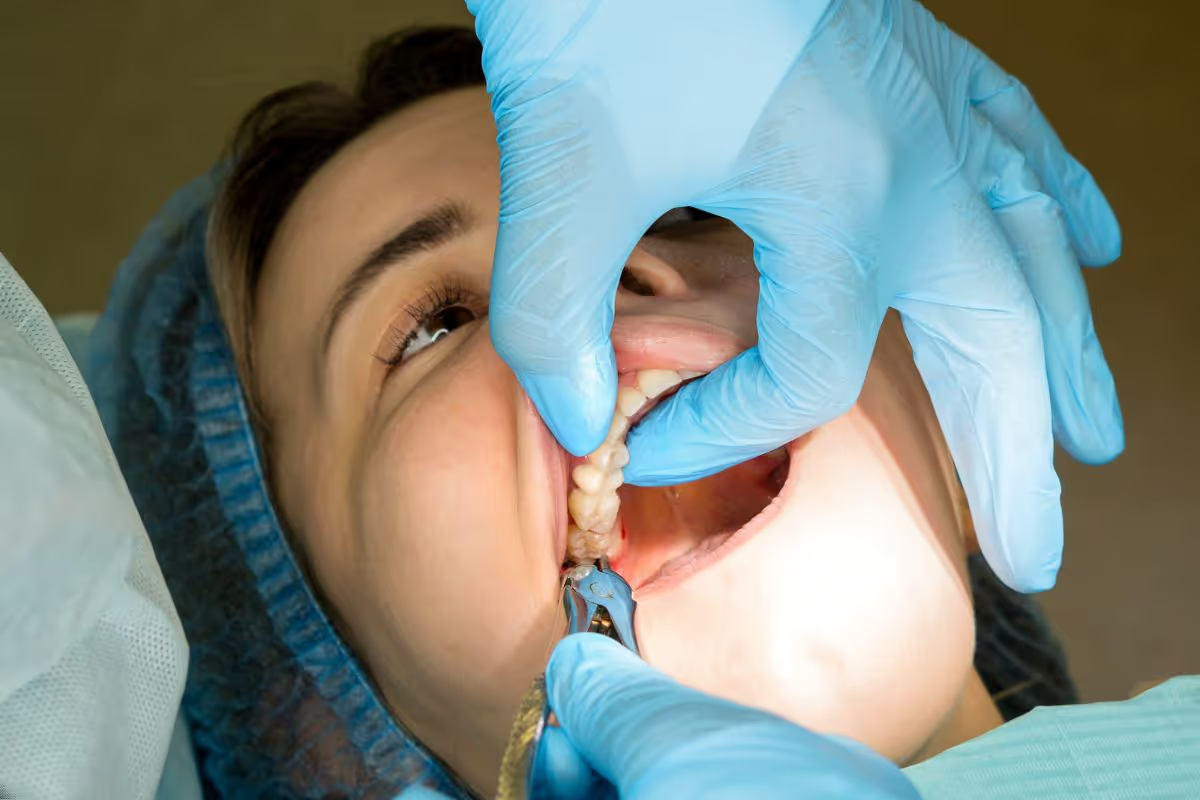
Tooth extraction is recommended when a tooth cannot be preserved or is causing problems for your oral health. Common reasons include severe decay or infection, gum disease, impacted wisdom teeth, cracked teeth beyond repair, and overcrowding.
Extractions are also performed as part of orthodontic preparation. Dr. Timin will evaluate whether extraction is truly necessary and discuss all alternatives during your consultation.
Dr. Darya Timin approaches every tooth extraction with the same thoughtful planning that defines care at Redefine Dental. As a Kois Center graduate, she considers how each extraction fits into your broader oral health, including plans for replacement or orthodontic alignment when needed.
Her wellness-focused philosophy emphasizes comfort at every step, with modern techniques, local anesthesia, and sedation options for complex or anxiety-inducing cases.
Each extraction is treated as a deliberate step in your overall care, with clear aftercare guidance and compassionate support throughout recovery.

Tooth extraction is recommended when a tooth cannot be preserved or is causing problems for your oral health. Common reasons include severe decay or infection, gum disease, impacted wisdom teeth, cracked teeth beyond repair, and overcrowding.
Extractions are also performed as part of orthodontic preparation. Dr. Timin will evaluate whether extraction is truly necessary and discuss all alternatives during your consultation.
Dr. Darya Timin approaches every tooth extraction with the same thoughtful planning that defines care at Redefine Dental. As a Kois Center graduate, she considers how each extraction fits into your broader oral health, including plans for replacement or orthodontic alignment when needed.
Her wellness-focused philosophy emphasizes comfort at every step, with modern techniques, local anesthesia, and sedation options for complex or anxiety-inducing cases.
Each extraction is treated as a deliberate step in your overall care, with clear aftercare guidance and compassionate support throughout recovery.
Wisdom tooth removal is often recommended in the late teens or early twenties to prevent future pain, infection, crowding, or damage to surrounding teeth, especially when the teeth are impacted.
Initial healing typically takes a few days, with full healing occurring over one to two weeks depending on the complexity of the extraction. Following aftercare instructions helps ensure smooth and quick recovery.
A simple extraction involves removing a visible tooth that is easily accessible, while a surgical extraction is required for impacted, broken, or below-the-gumline teeth and may involve a small incision.
Extractions are performed under local anesthesia, and sedation options are available for added comfort. Most patients experience minimal discomfort during the procedure and manageable soreness afterward.
A tooth extraction may be recommended if a tooth is severely damaged, infected, overcrowded, or causing pain that cannot be resolved with other treatments. Dr. Timin will evaluate your condition and discuss all available options before recommending surgery.