NEW
DNA DENTAL DALLAS IS REBRANDING TO REDEFINE DENTAL AESTHETIC AND WELLNESS CENTER
DNA DENTAL DALLAS IS REBRANDING TO REDEFINE DENTAL





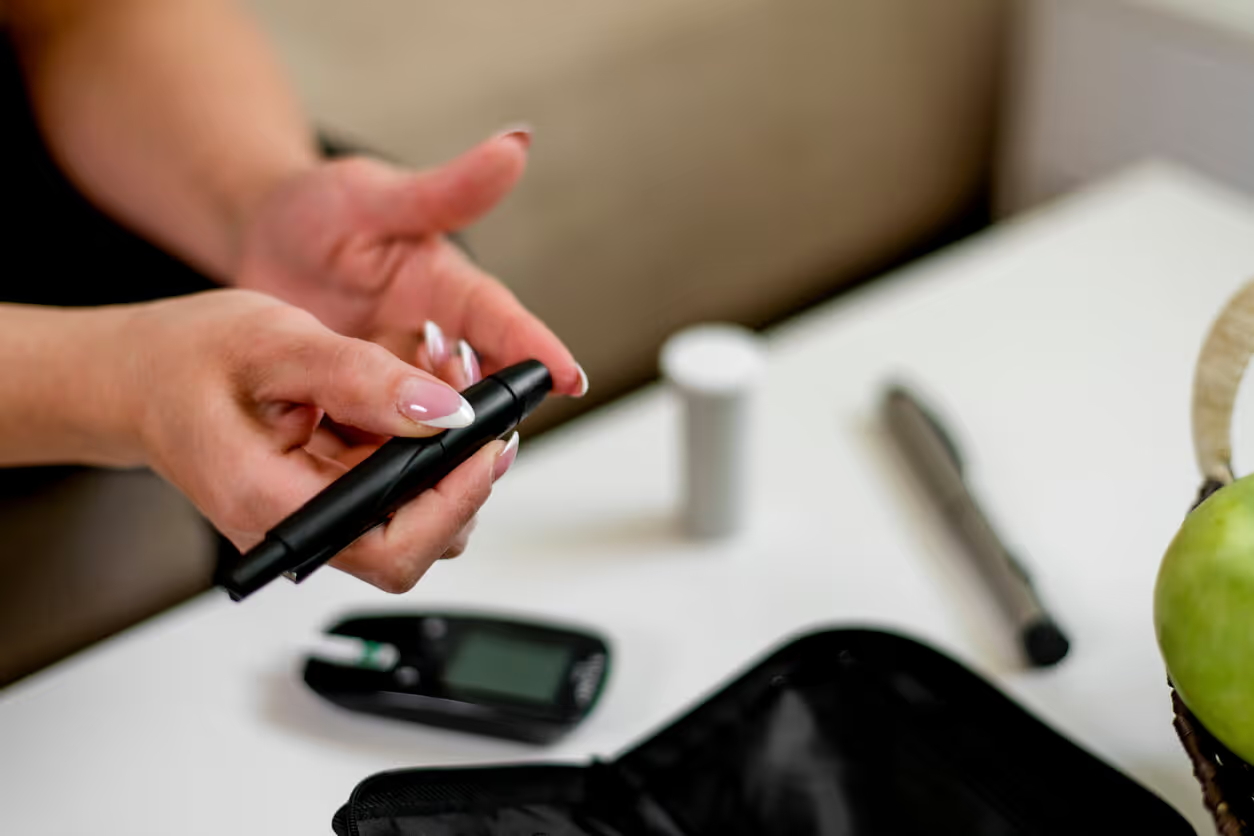
If your hygienist keeps re-treating the same pockets after a deep cleaning, your blood sugar is likely feeding the bacteria.
Saliva is your first line of defense. Less saliva, especially on a GLP-1 or in pre-diabetes, means less buffering and faster bacterial growth.
Repeat abscesses are not bad luck. They point to an impaired immune response, the same response making A1C harder to control.