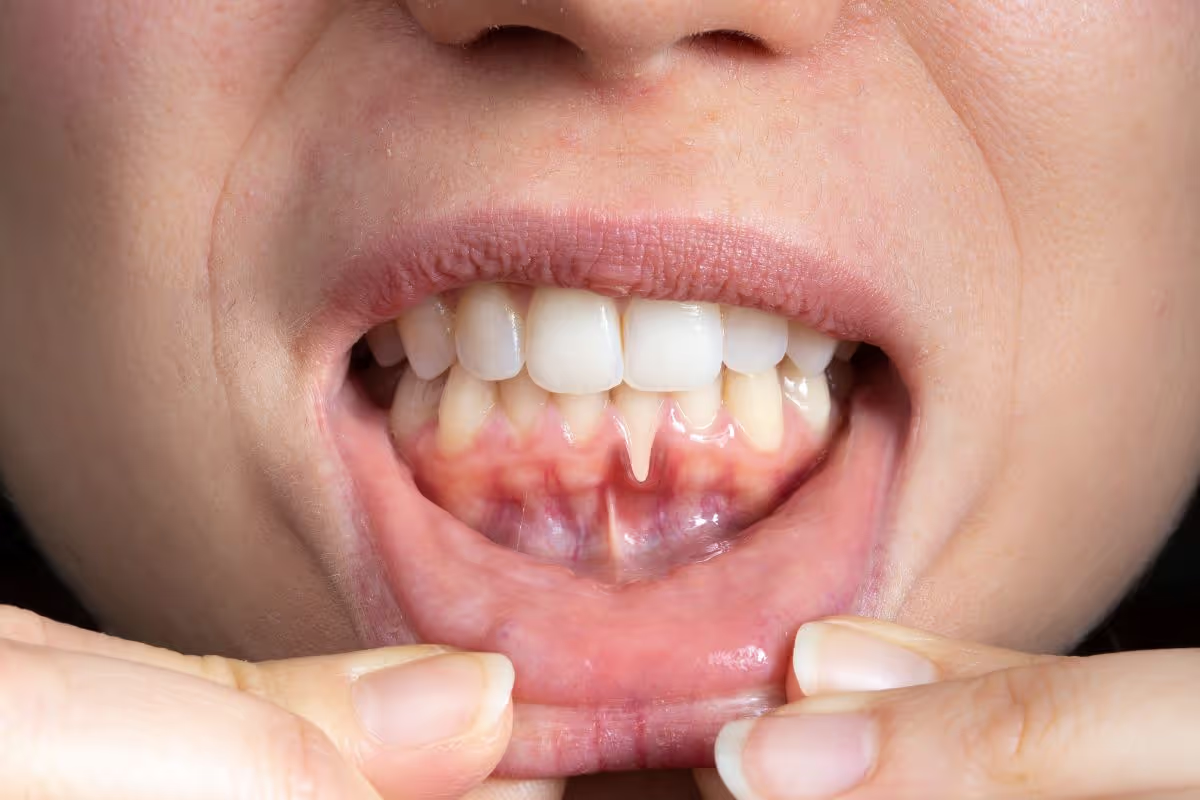
Chronic periodontitis means chronic bacterial load with a direct route into circulation, refreshed every day the infection is active.
Tooth loss is the late stage of the same infection the research has linked to brain tissue, especially with a family history of dementia.
Managed is not the same as treated. The bacteria does not stay in the mouth, and chronic inflammation is what reaches the brain.


Research shows a strong association, not proven causation. Current evidence is enough to make gum care a reasonable part of brain-health planning.
A bacterium that lives in deep gum pockets in periodontitis. Researchers have detected it and its toxic enzymes inside Alzheimer's brain tissue.
No, it is the ideal time. Gum damage builds for decades, so the gum health you protect now is what your brain benefits from later in life.
Treating active gum infection lowers systemic inflammation, one of the pathways being studied in Alzheimer's. A low-risk, well-supported step.
Routine bacterial testing is not standard yet. A thorough periodontal exam with pocket measurements is the practical tool we use today.