NEW
DNA DENTAL DALLAS IS REBRANDING TO REDEFINE DENTAL AESTHETIC AND WELLNESS CENTER
DNA DENTAL DALLAS IS REBRANDING TO REDEFINE DENTAL



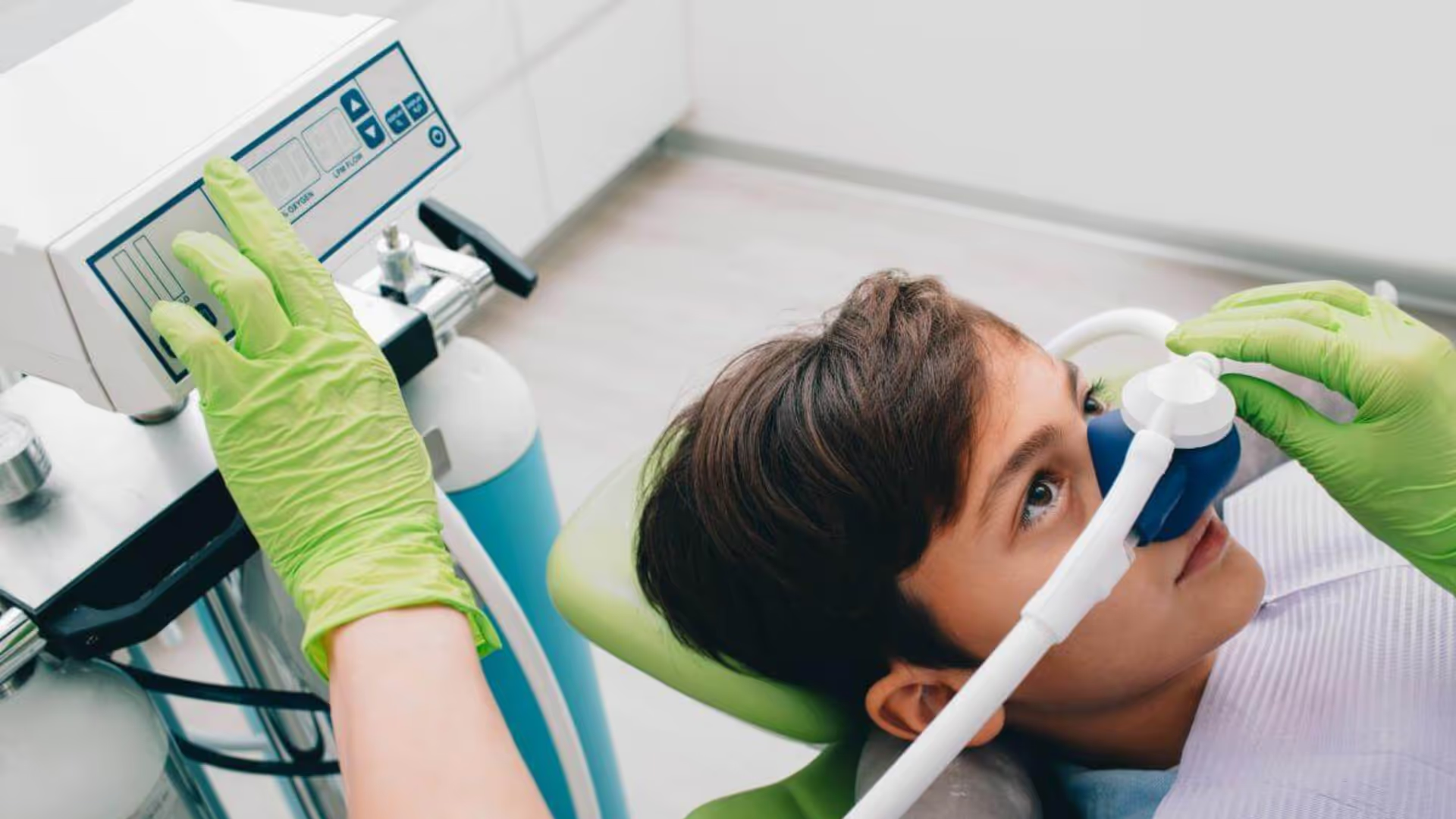
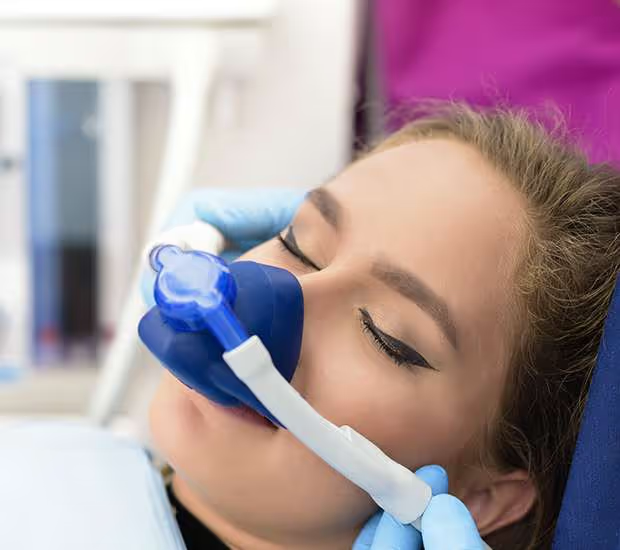
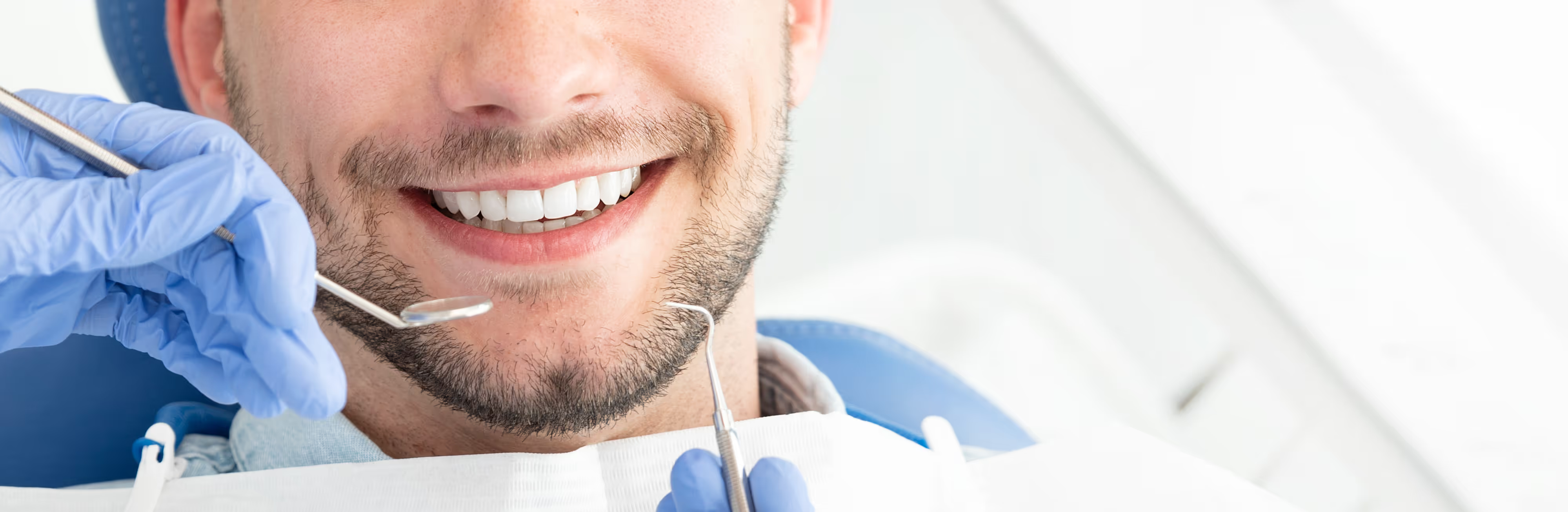
Sedation dentistry uses medication to help you relax during dental treatment. Options range from nitrous oxide (laughing gas) to IV sedation, depending on your anxiety level and the procedure being done. Sedation doesn't put you to sleep, but it allows you to be calm and unaware of time passing.
It's especially helpful for patients with severe anxiety, long or complex procedures, or difficulty getting numb. You'll be monitored throughout, and the effects wear off quickly once the appointment is over.
Sedation dentistry uses medication to help you relax during dental treatment. Options range from nitrous oxide (laughing gas) to IV sedation, depending on your anxiety level and the procedure being done. Sedation doesn't put you to sleep, but it allows you to be calm and unaware of time passing.
It's especially helpful for patients with severe anxiety, long or complex procedures, or difficulty getting numb. You'll be monitored throughout, and the effects wear off quickly once the appointment is over.
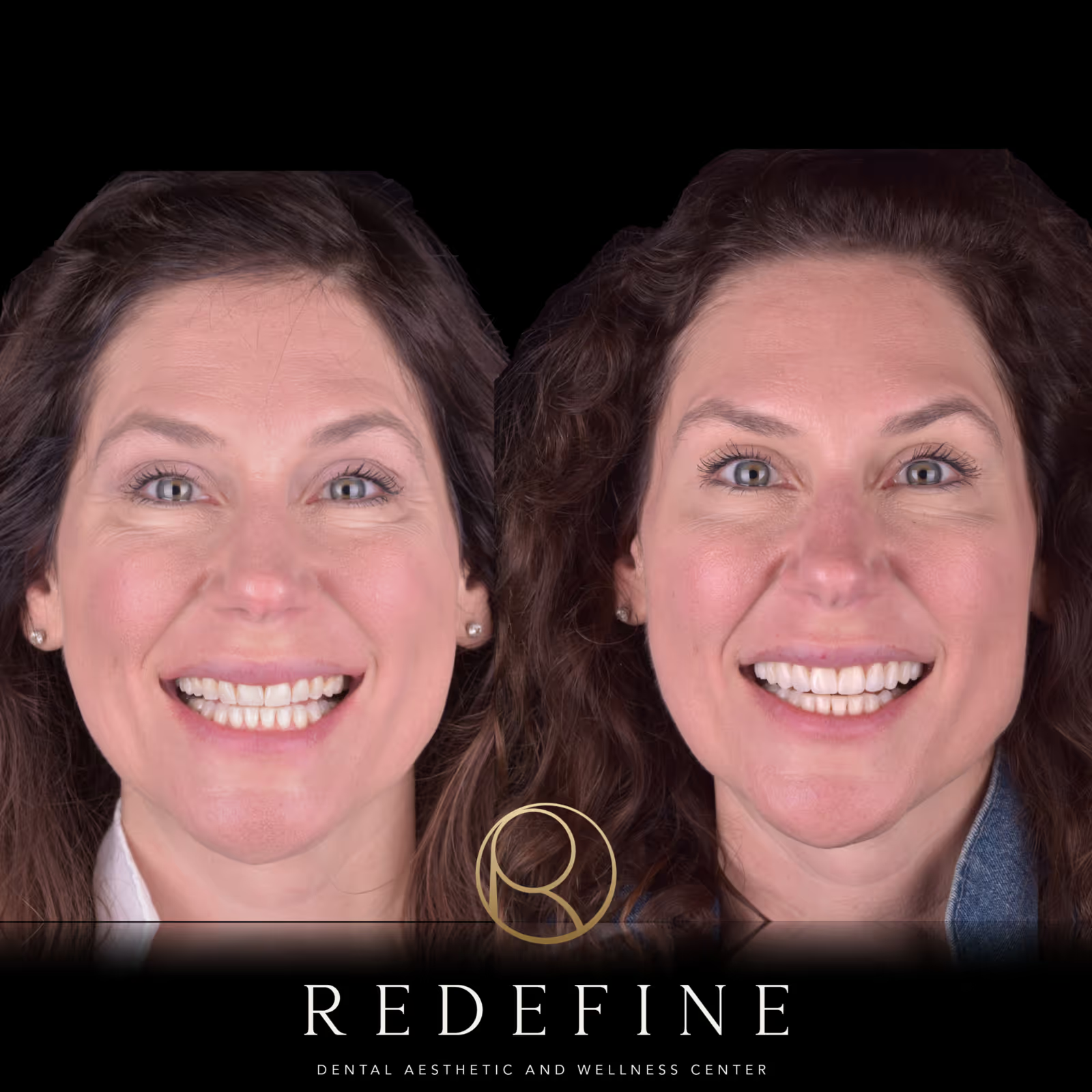
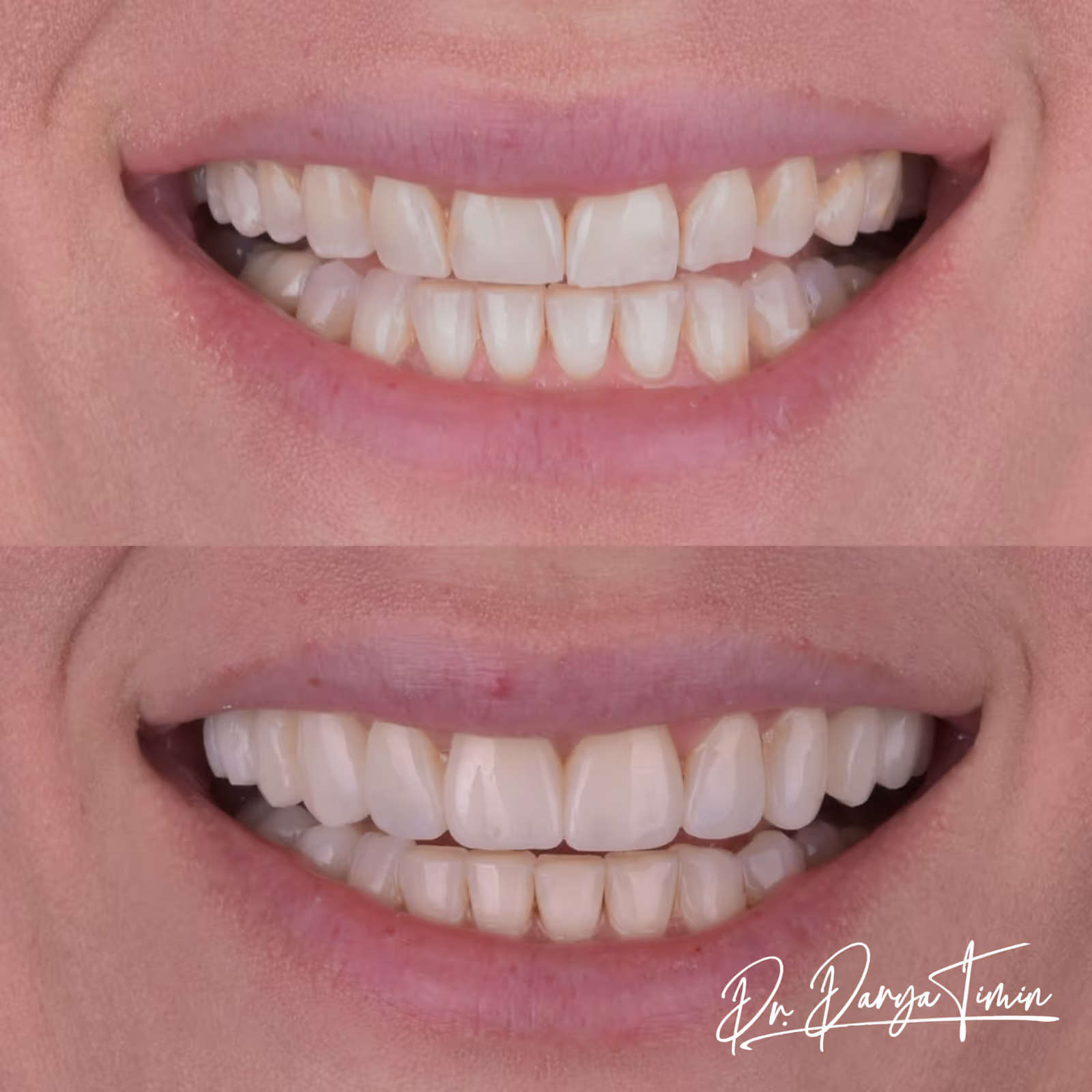
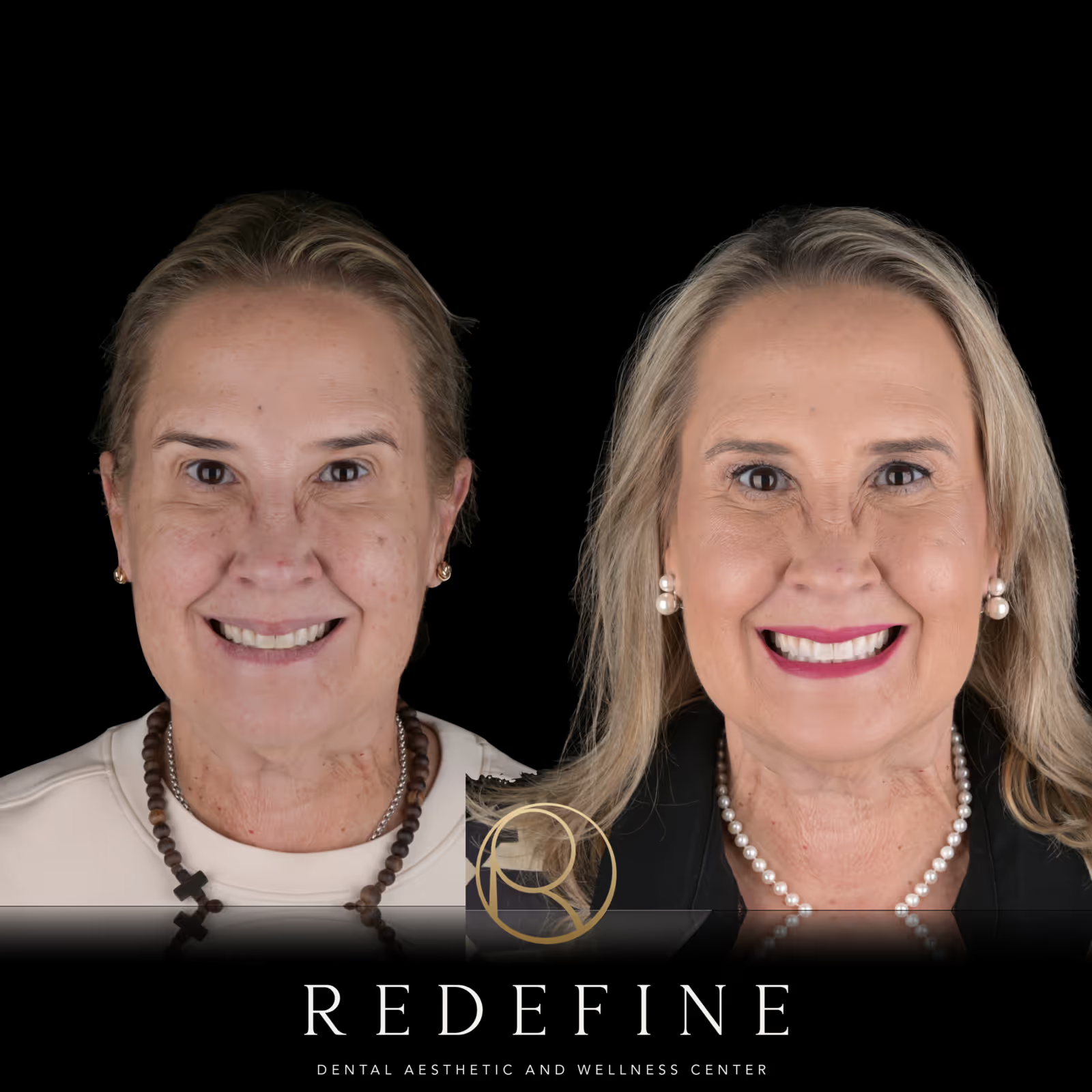
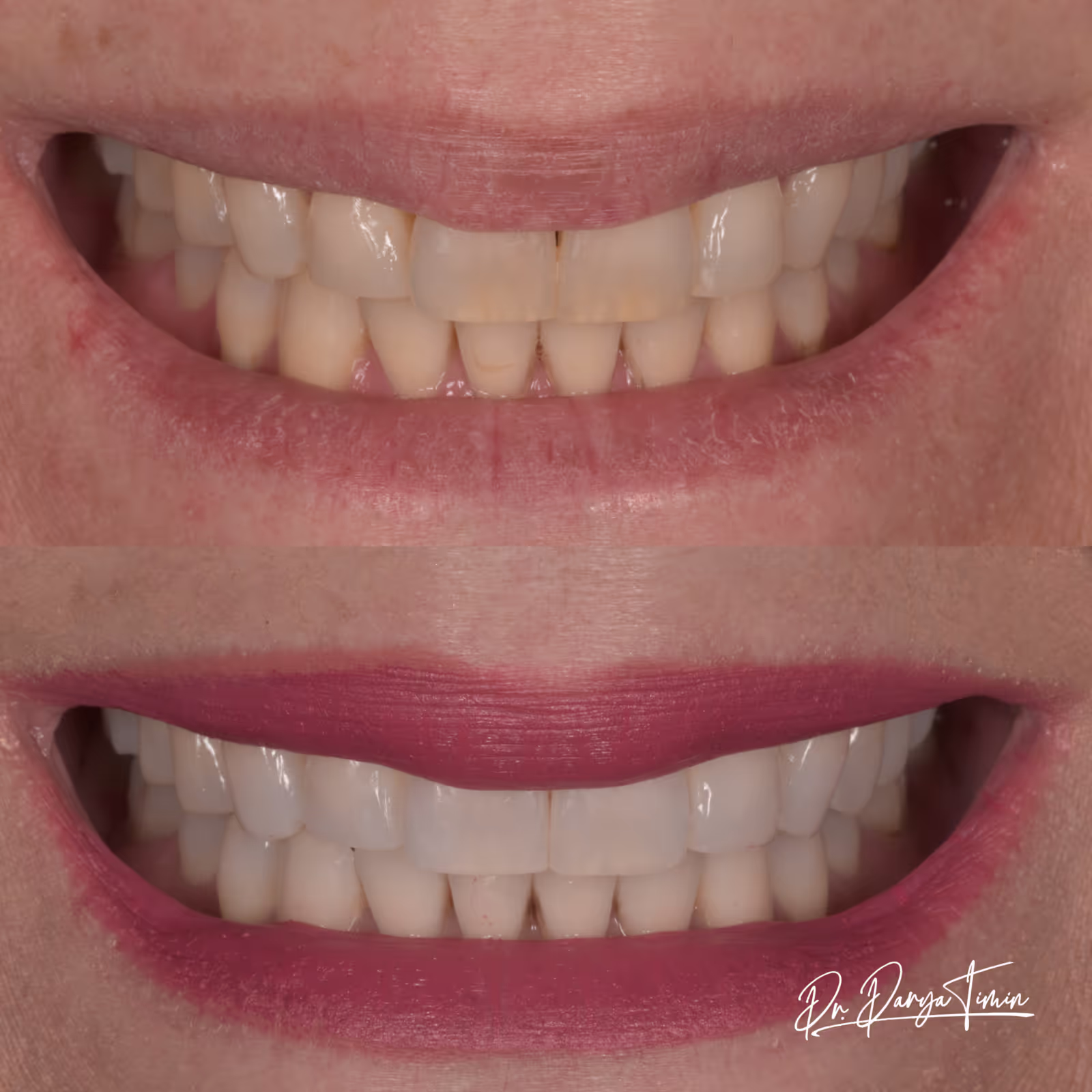
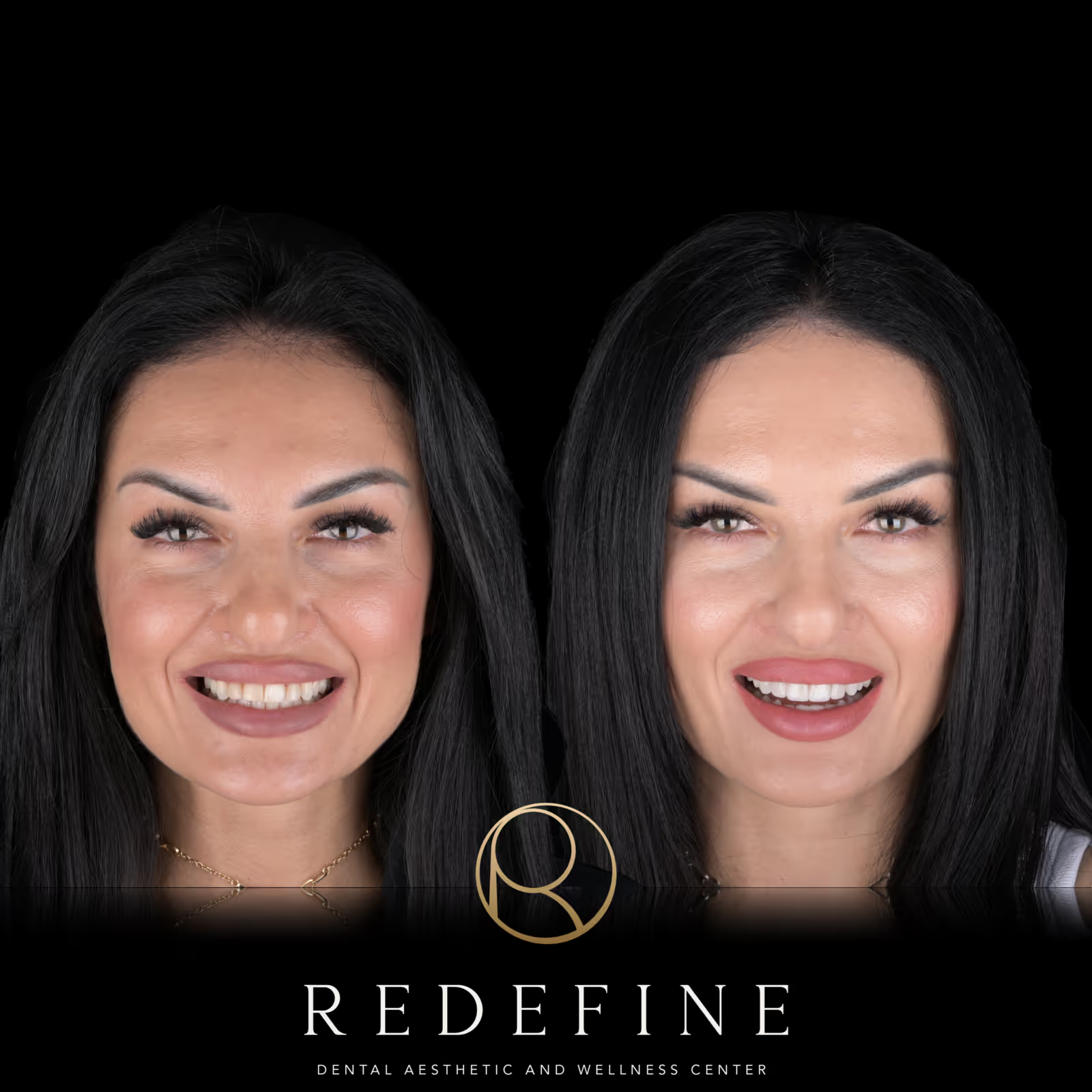
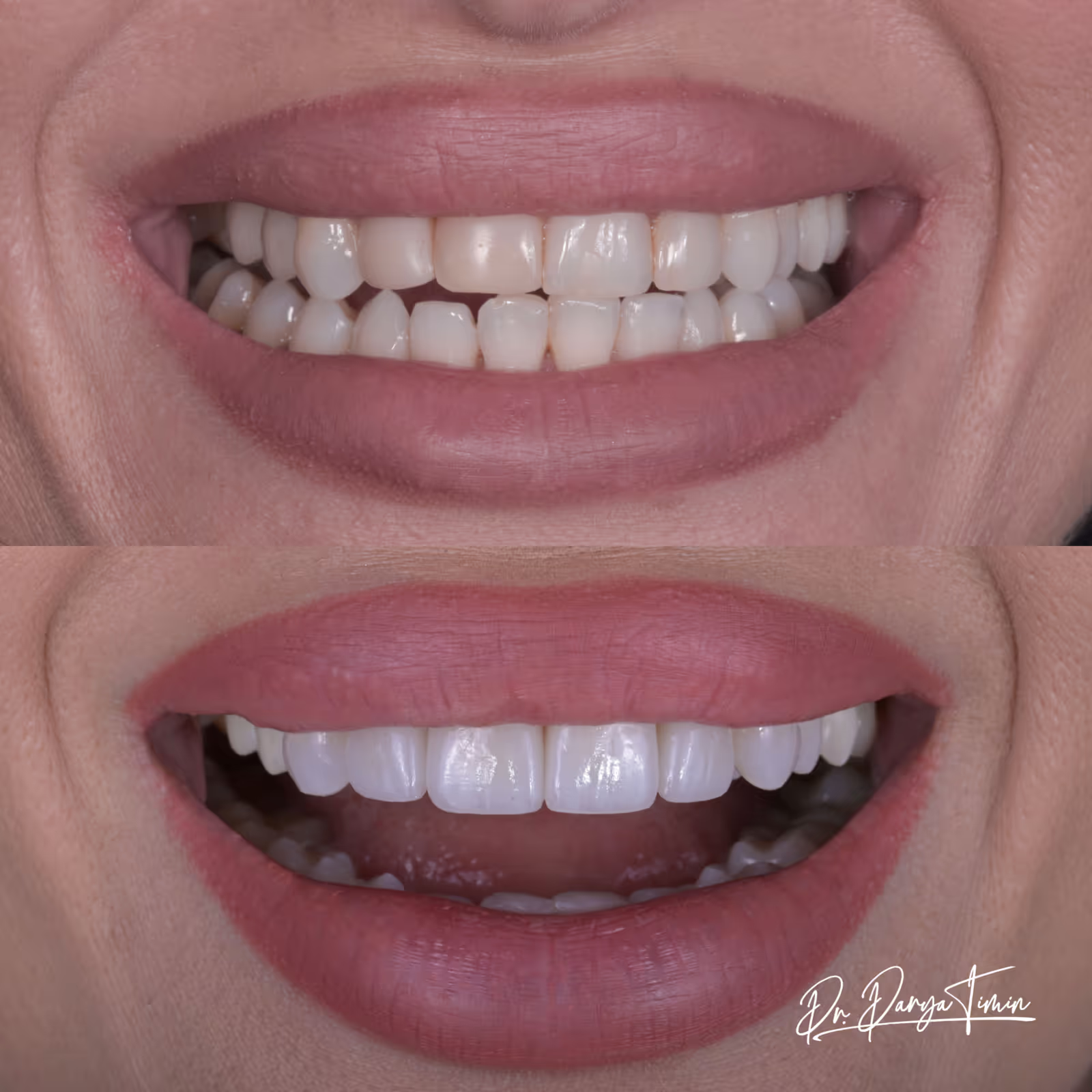
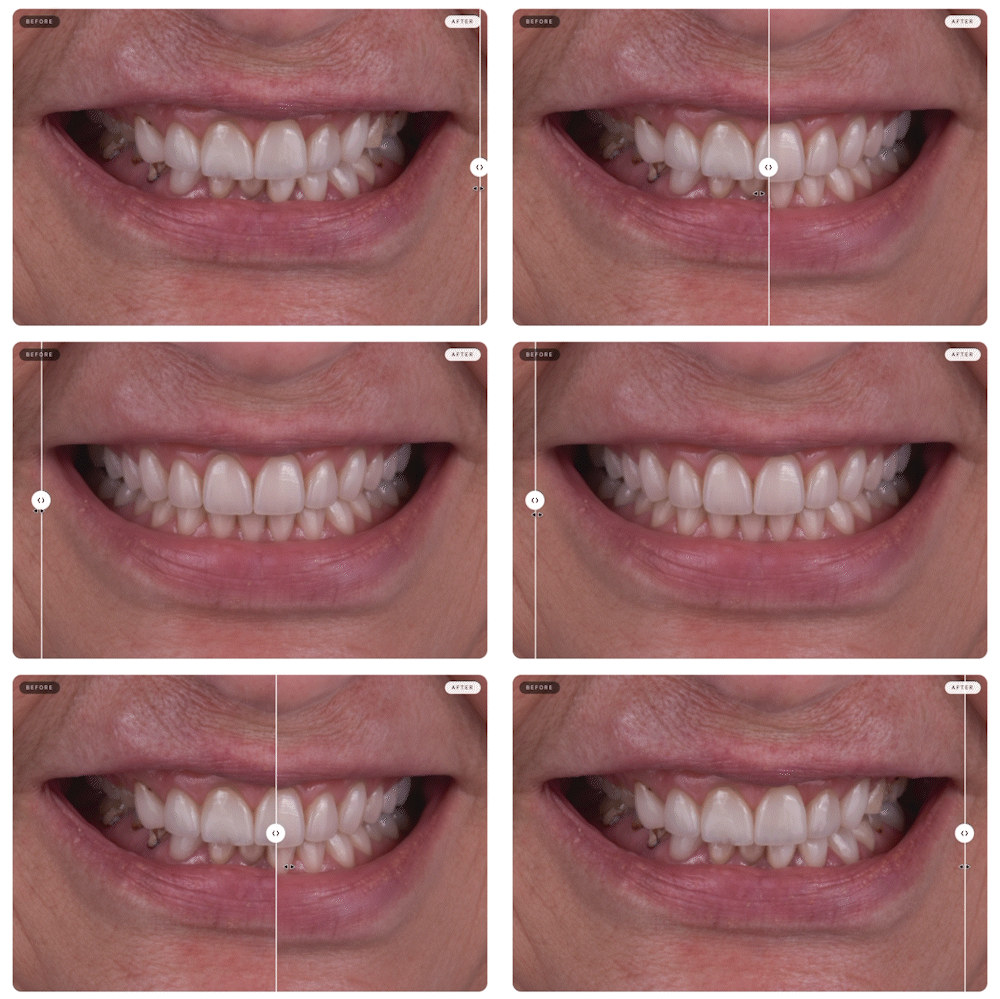
Hover over the picture to see Close Ups.
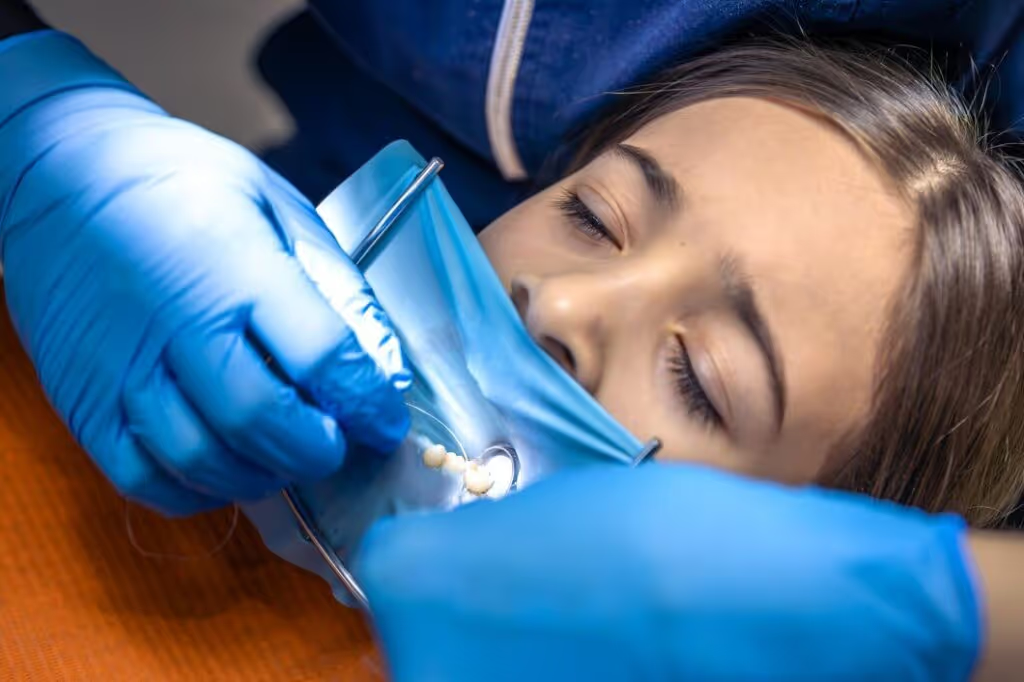
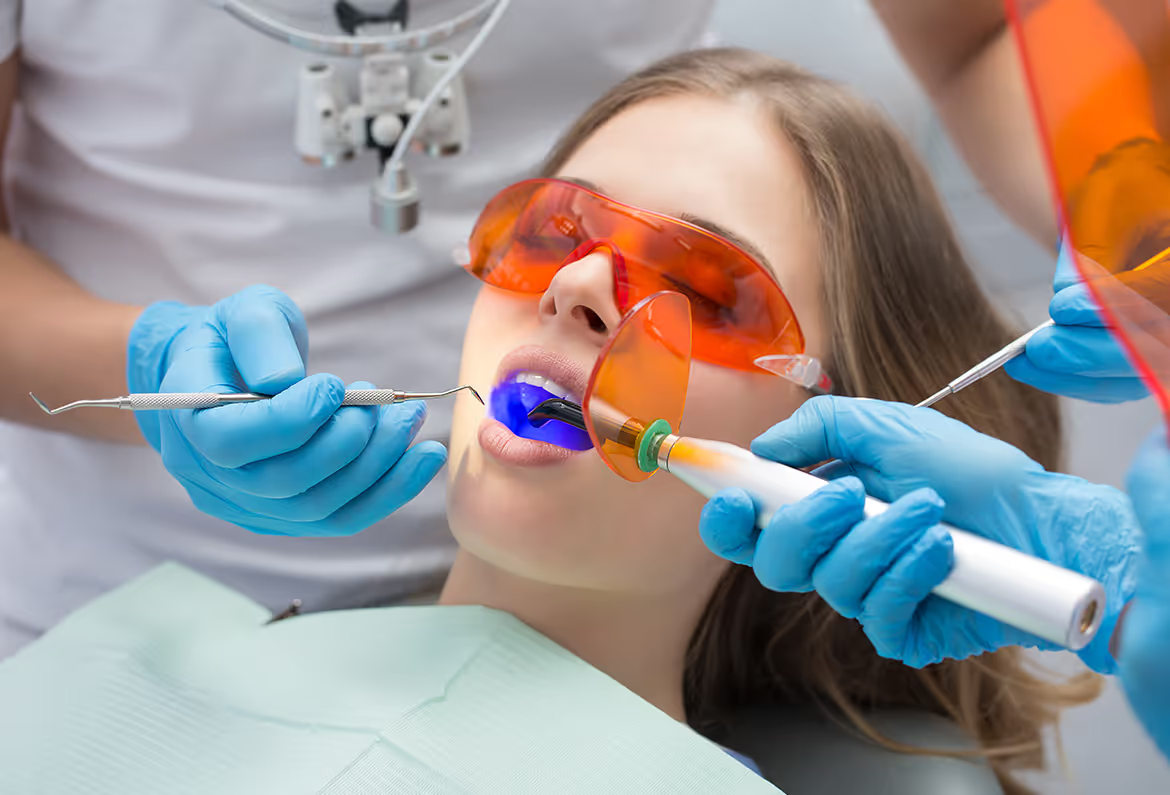
Dr. Timin reviews your health history, discusses sedation options, and explains what you'll experience during and after treatment.
Dr. Timin reviews your health history, discusses sedation options, and explains what you'll experience during and after treatment.
Dr. Timin reviews your health history, discusses sedation options, and explains what you'll experience during and after treatment.
Dr. Timin reviews your health history, discusses sedation options, and explains what you'll experience during and after treatment.
Sedation is administered, your vitals are monitored continuously, and your treatment proceeds while you're calm and comfortable.
Once treatment is complete, sedation is reversed. Recovery takes 30 to 60 minutes. Arrange a ride home, and rest for the remainder of the day.
Sedation dentistry helps patients feel calm, relaxed, and comfortable during their visit, making it an excellent option for those with dental anxiety or heightened sensitivity. It also minimizes discomfort and memory of the procedure, which is especially helpful for complex treatments or multiple procedures completed in a single visit. For patients with strong gag reflexes or past negative experiences, sedation provides a smooth, stress-free dental experience.
Sedation dentistry helps patients feel calm, relaxed, and comfortable during their visit, making it an excellent option for those with dental anxiety or heightened sensitivity. It also minimizes discomfort and memory of the procedure, which is especially helpful for complex treatments or multiple procedures completed in a single visit. For patients with strong gag reflexes or past negative experiences, sedation provides a smooth, stress-free dental experience.

Reduce patient anxiety

Minimizes discomfort

Enhances treatment

Higher satisfaction
Sedation is ideal for patients with dental anxiety so severe that they avoid needed treatment. It's also useful for lengthy restorative cases, multiple extractions, or procedures that require the patient to be very still. Patients with a strong gag reflex or sensory sensitivities often benefit from sedation.
Sedation is not recommended if you're pregnant, have certain heart conditions, or are taking medications that interact with sedatives. Dr. Timin will review your health history to confirm it's safe for you.
Dr. Darya Timin is trained in sedation protocols and monitors all vitals personally during your appointment. She doesn't use sedation as a shortcut, but as a tool to create an environment where necessary treatment can happen safely and comfortably.
At Redefine Dental, she pairs sedation with advanced anesthesia techniques so you feel nothing during treatment. She discusses sedation options beforehand, answers all your questions, and makes sure you understand what to expect.
The goal is for you to wake up relaxed, your treatment complete, and ready to go home to rest.

Sedation is ideal for patients with dental anxiety so severe that they avoid needed treatment. It's also useful for lengthy restorative cases, multiple extractions, or procedures that require the patient to be very still. Patients with a strong gag reflex or sensory sensitivities often benefit from sedation.
Sedation is not recommended if you're pregnant, have certain heart conditions, or are taking medications that interact with sedatives. Dr. Timin will review your health history to confirm it's safe for you.
Dr. Darya Timin is trained in sedation protocols and monitors all vitals personally during your appointment. She doesn't use sedation as a shortcut, but as a tool to create an environment where necessary treatment can happen safely and comfortably.
At Redefine Dental, she pairs sedation with advanced anesthesia techniques so you feel nothing during treatment. She discusses sedation options beforehand, answers all your questions, and makes sure you understand what to expect.
The goal is for you to wake up relaxed, your treatment complete, and ready to go home to rest.
Yes. Sedation allows multiple treatments to be completed comfortably in a single visit, reducing the number of appointments and making dental care more convenient.
Recovery depends on the type of sedation used. Nitrous oxide wears off quickly, while oral or IV sedation may require the rest of the day to fully recover and often requires someone to drive you home.
Sedation dentistry is ideal for patients with dental anxiety, sensitive gag reflexes, difficulty sitting still, or those undergoing longer or more complex procedures.
Most forms of sedation keep you deeply relaxed but awake and able to respond. Some patients remember little to nothing from the procedure, while others remain aware but calm and comfortable.
Yes. Sedation dentistry is very safe when administered by trained professionals. Dr. Timin carefully reviews your medical history and monitors you throughout treatment to ensure comfort and safety.