NEW
DNA DENTAL DALLAS IS REBRANDING TO REDEFINE DENTAL AESTHETIC AND WELLNESS CENTER
DNA DENTAL DALLAS IS REBRANDING TO REDEFINE DENTAL



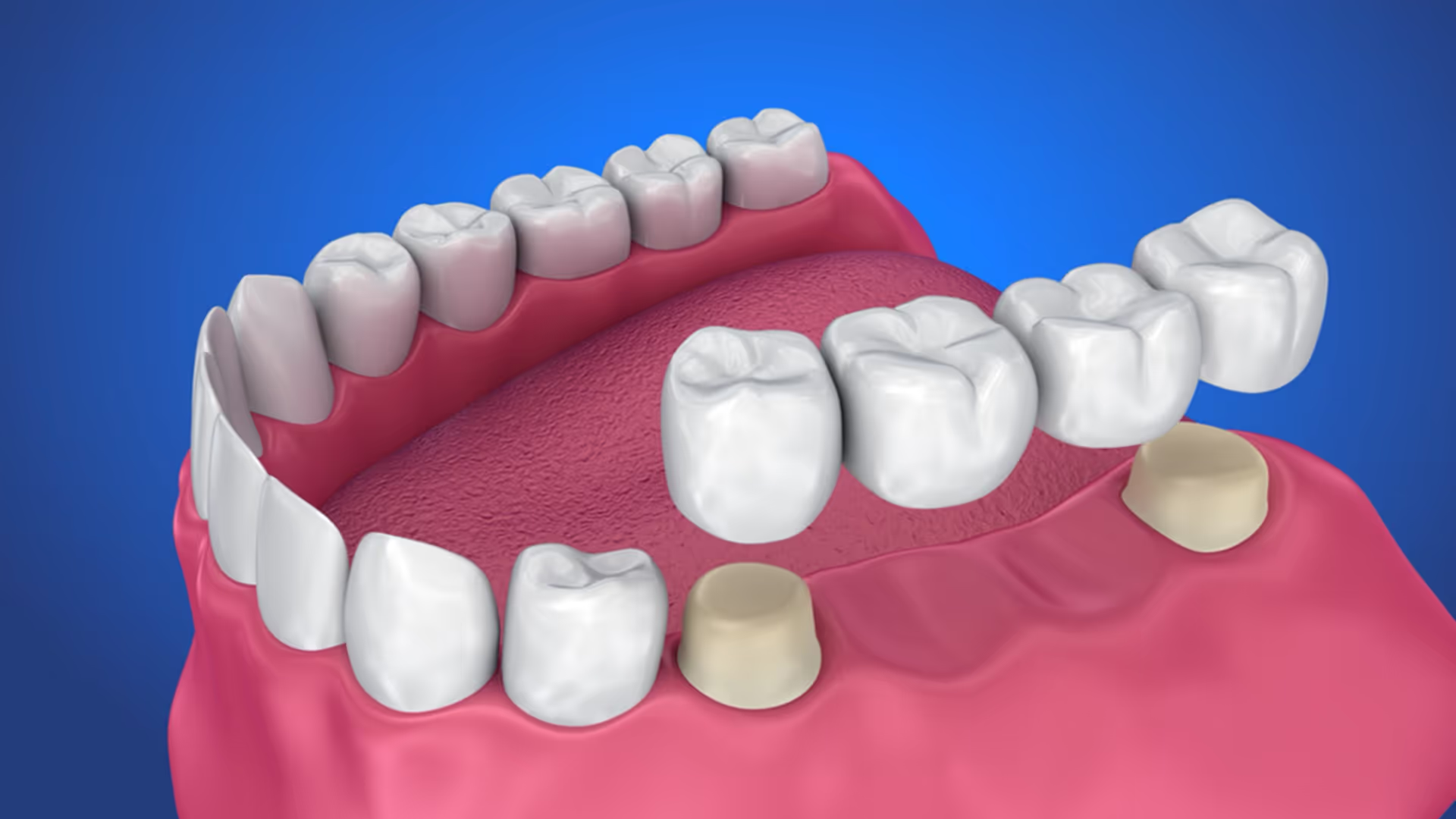
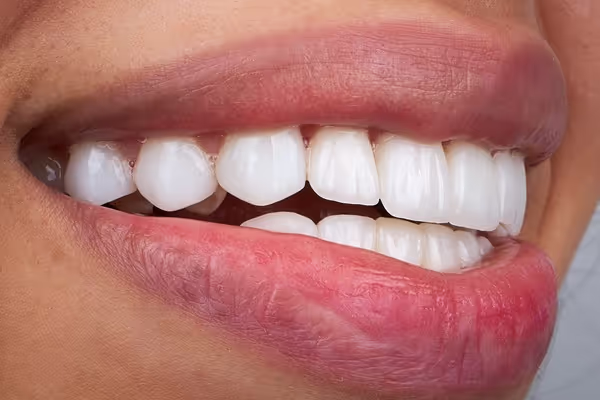
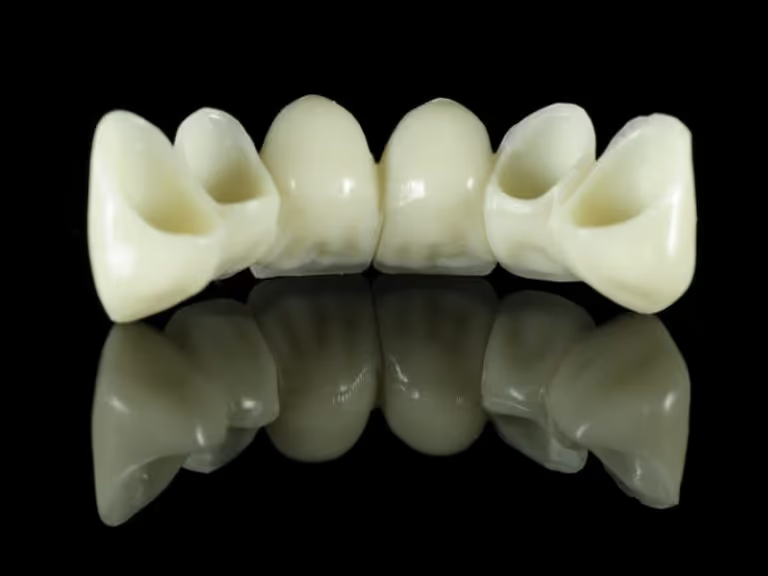
A dental bridge is a fixed restoration that replaces one or more missing teeth by spanning the gap between two existing teeth. The bridge consists of two crowns (called abutments) anchored to the teeth on either side of the gap, plus one or more replacement teeth (called pontics) bridging the space in between.
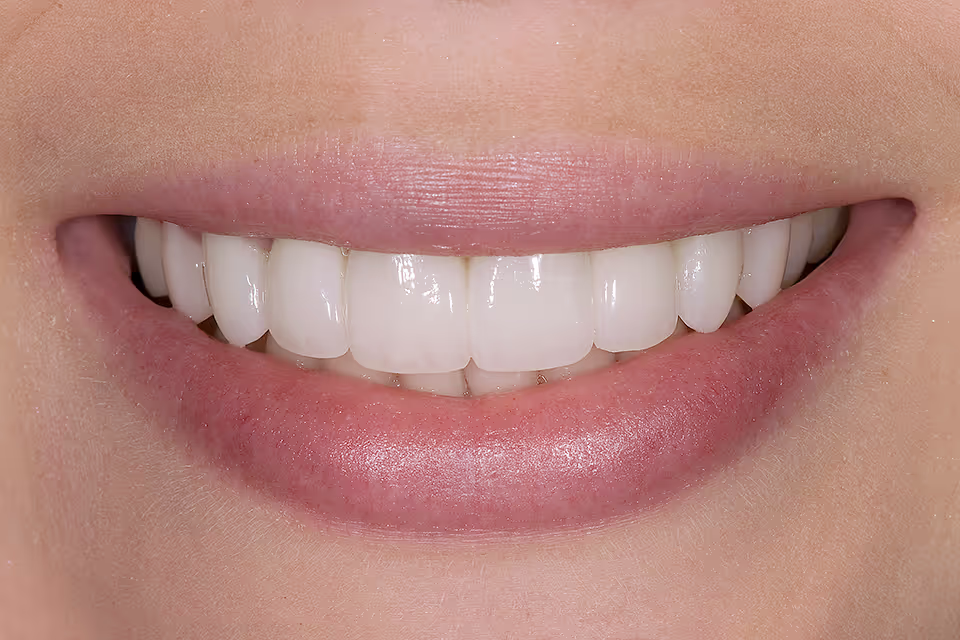
Unlike removable dentures, a bridge is permanent and fixed in place. You care for it like your natural teeth, and it looks, feels, and functions like your real smile.
A dental bridge is a fixed restoration that replaces one or more missing teeth by spanning the gap between two existing teeth. The bridge consists of two crowns (called abutments) anchored to the teeth on either side of the gap, plus one or more replacement teeth (called pontics) bridging the space in between.
Unlike removable dentures, a bridge is permanent and fixed in place. You care for it like your natural teeth, and it looks, feels, and functions like your real smile.
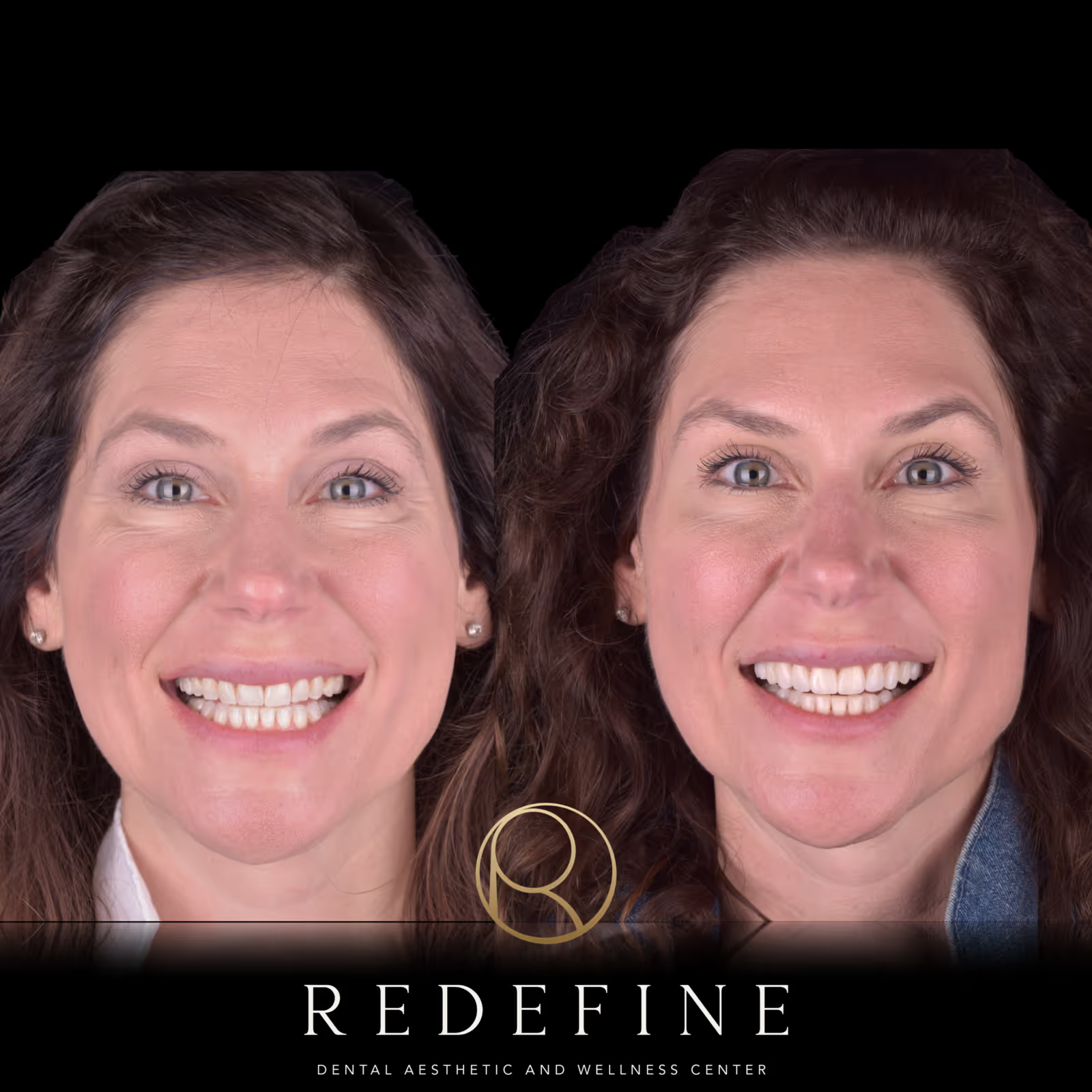
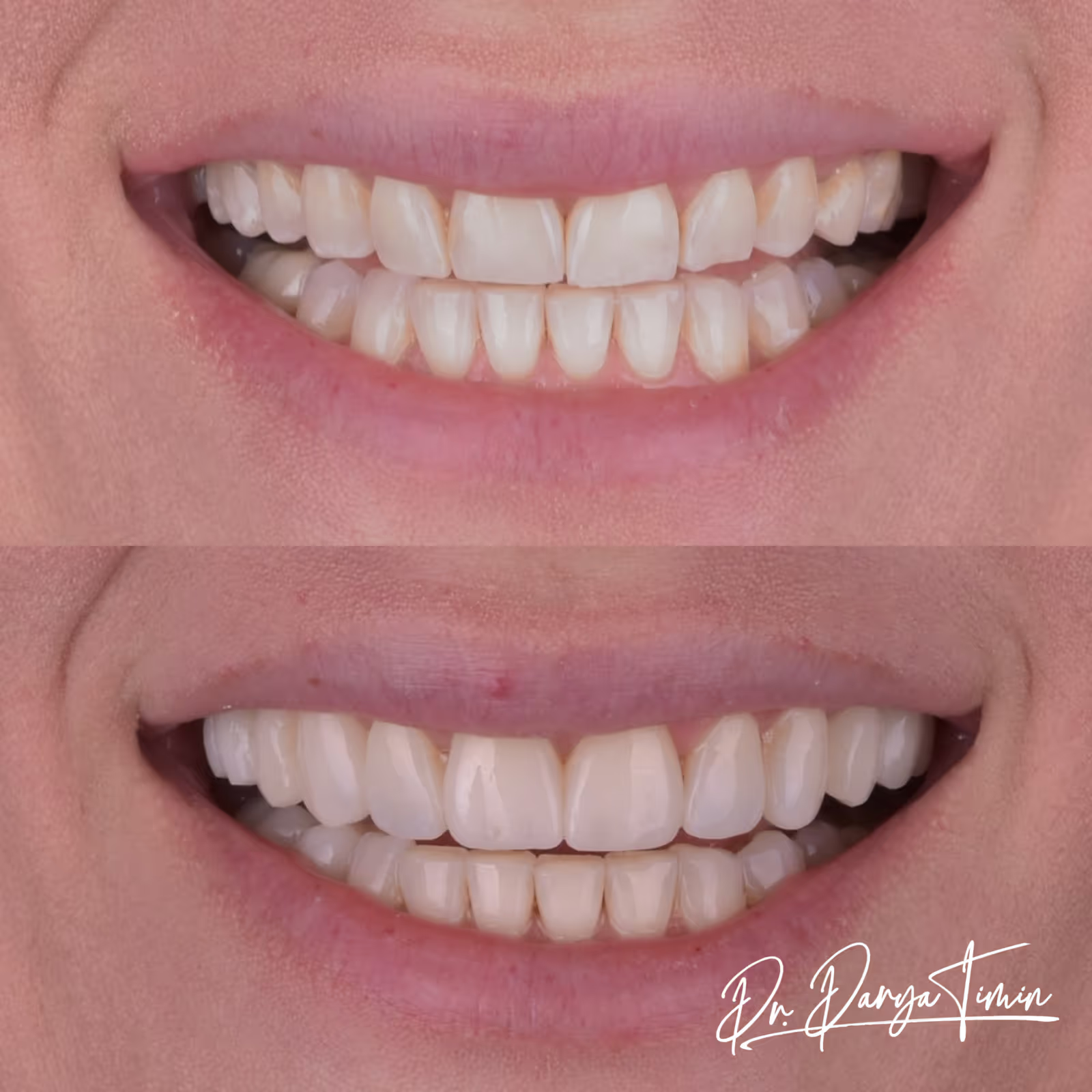
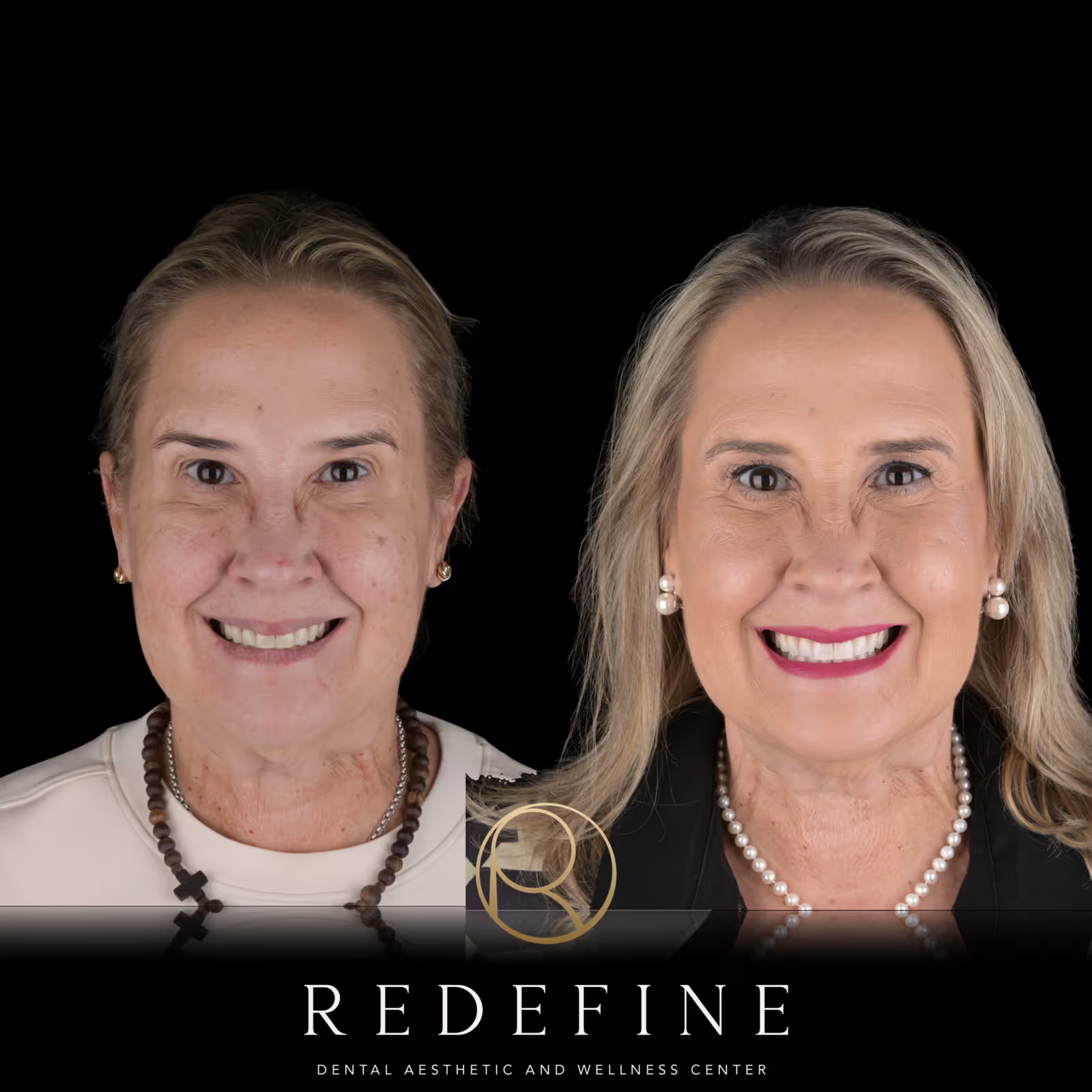
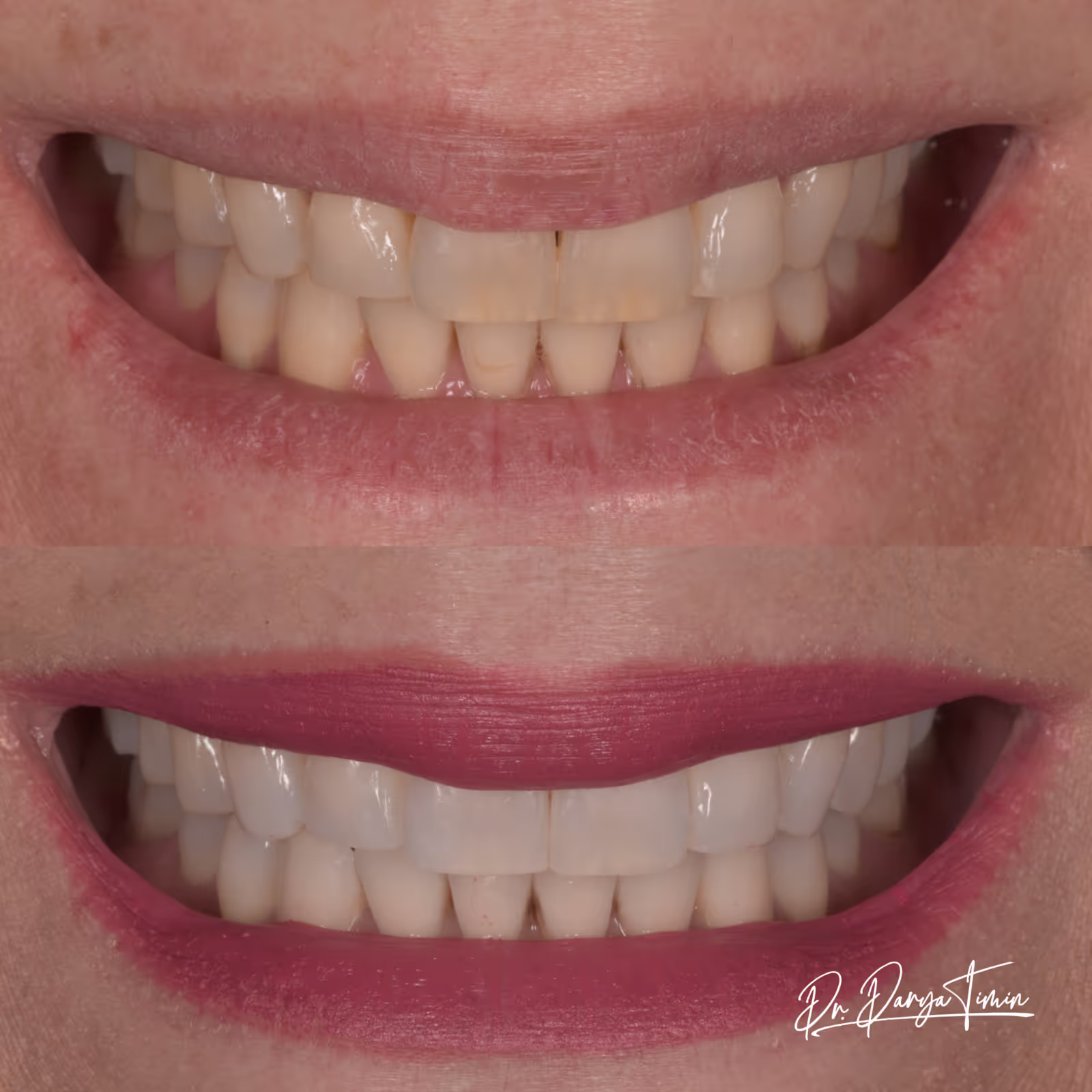

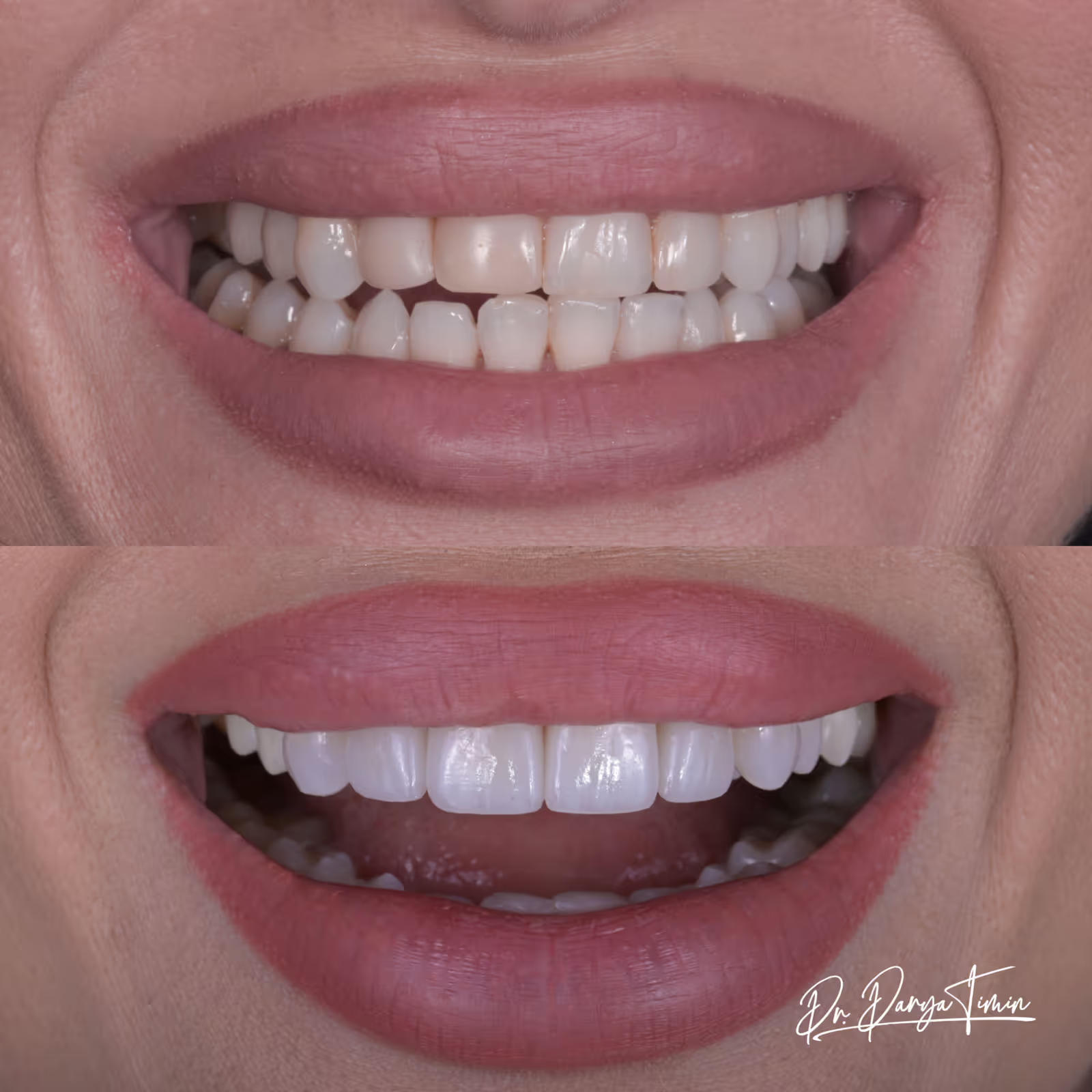
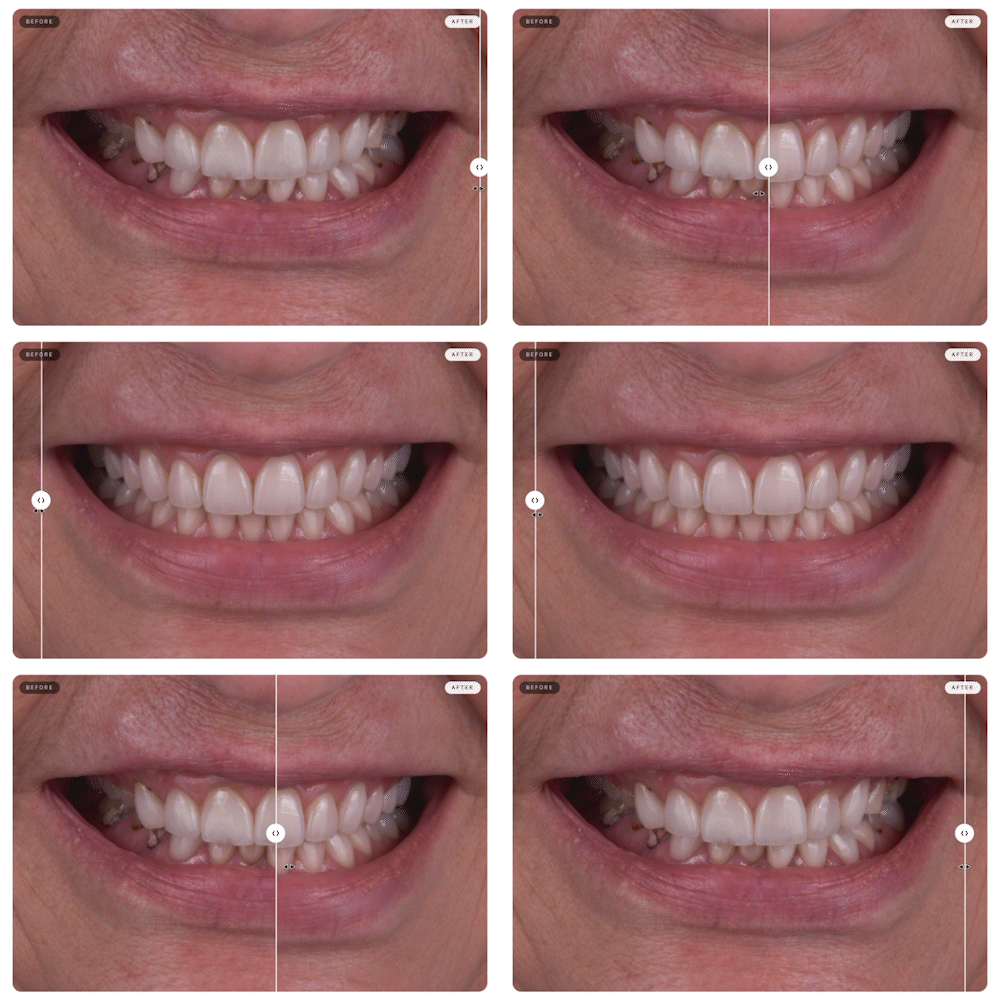
Hover over the picture to see Close Ups.
Dr. Timin examines your missing tooth site and the supporting teeth. Digital imaging assesses bone and bite to confirm a bridge is right for you.
Dr. Timin examines your missing tooth site and the supporting teeth. Digital imaging assesses bone and bite to confirm a bridge is right for you.
Dr. Timin examines your missing tooth site and the supporting teeth. Digital imaging assesses bone and bite to confirm a bridge is right for you.
Dr. Timin examines your missing tooth site and the supporting teeth. Digital imaging assesses bone and bite to confirm a bridge is right for you.
Supporting teeth are shaped to accommodate crowns. Impressions are taken, and your custom bridge is designed and fabricated in the lab.
Your bridge is cemented in place and adjusted for bite and comfort. Meticulous flossing and regular checkups keep your bridge and supporting teeth healthy for many years.

Restores chewing

Prevents tooth shift

Enhances smile

Boosts confidence
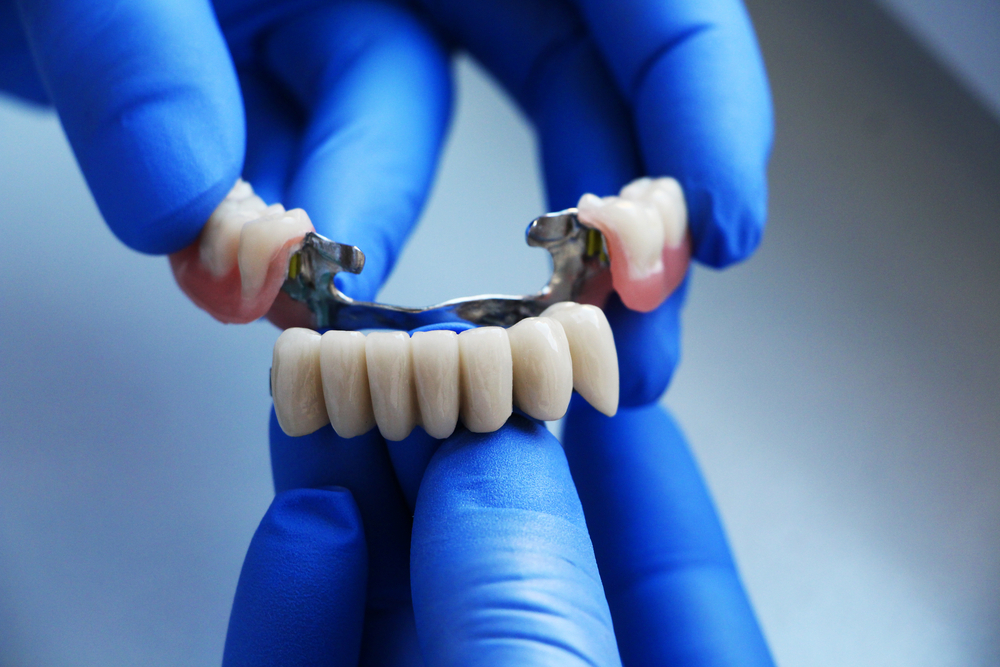
You're a good candidate if you have one or more missing teeth with healthy teeth on either side to support the bridge. Your remaining teeth must be strong enough to handle the extra load. Bridges are a good alternative to implants if implant surgery isn't an option.
You may not be a candidate if the adjacent teeth are too weak, heavily filled, or if your bite is unstable. Implants or removable dentures might be better options in those cases. Dr. Timin will assess your specific situation.
Dr. Darya Timin is a Kois Center graduate who understands the biomechanics of bridging gaps in your smile. A bridge is only as good as the teeth that support it and the design that distributes forces evenly. She prepares the supporting teeth with precision and designs the bridge to protect them long term.
At Redefine Dental, she uses digital imaging to assess bone levels and bite forces, then designs a bridge that looks natural and lasts. The pontic (replacement tooth) is contoured to clean easily, and the bridge is cemented to distribute forces the way your natural teeth would.
The result is a strong, natural-looking restoration that works as hard as your original teeth.

You're a good candidate if you have one or more missing teeth with healthy teeth on either side to support the bridge. Your remaining teeth must be strong enough to handle the extra load. Bridges are a good alternative to implants if implant surgery isn't an option.
You may not be a candidate if the adjacent teeth are too weak, heavily filled, or if your bite is unstable. Implants or removable dentures might be better options in those cases. Dr. Timin will assess your specific situation.
Dr. Darya Timin is a Kois Center graduate who understands the biomechanics of bridging gaps in your smile. A bridge is only as good as the teeth that support it and the design that distributes forces evenly. She prepares the supporting teeth with precision and designs the bridge to protect them long term.
At Redefine Dental, she uses digital imaging to assess bone levels and bite forces, then designs a bridge that looks natural and lasts. The pontic (replacement tooth) is contoured to clean easily, and the bridge is cemented to distribute forces the way your natural teeth would.
The result is a strong, natural-looking restoration that works as hard as your original teeth.
A dental bridge may be right for you if you have missing teeth and healthy teeth or implants on either side of the gap. Dr. Timin will evaluate your bite, oral health, and goals to recommend the best solution.
Yes. Dental bridges can replace one or several missing teeth in a row, depending on the type of bridge and the support available from natural teeth or implants.
The procedure is performed with local anesthesia to ensure comfort. Most patients experience minimal discomfort during treatment and mild sensitivity afterward.
Yes. Dental bridges are custom designed to match the color, shape, and size of your natural teeth, allowing them to blend seamlessly into your smile.
With proper care, dental bridges typically last 10 to 15 years or longer. Good oral hygiene and regular dental visits help extend their lifespan.