NEW
DNA DENTAL DALLAS IS REBRANDING TO REDEFINE DENTAL AESTHETIC AND WELLNESS CENTER
DNA DENTAL DALLAS IS REBRANDING TO REDEFINE DENTAL



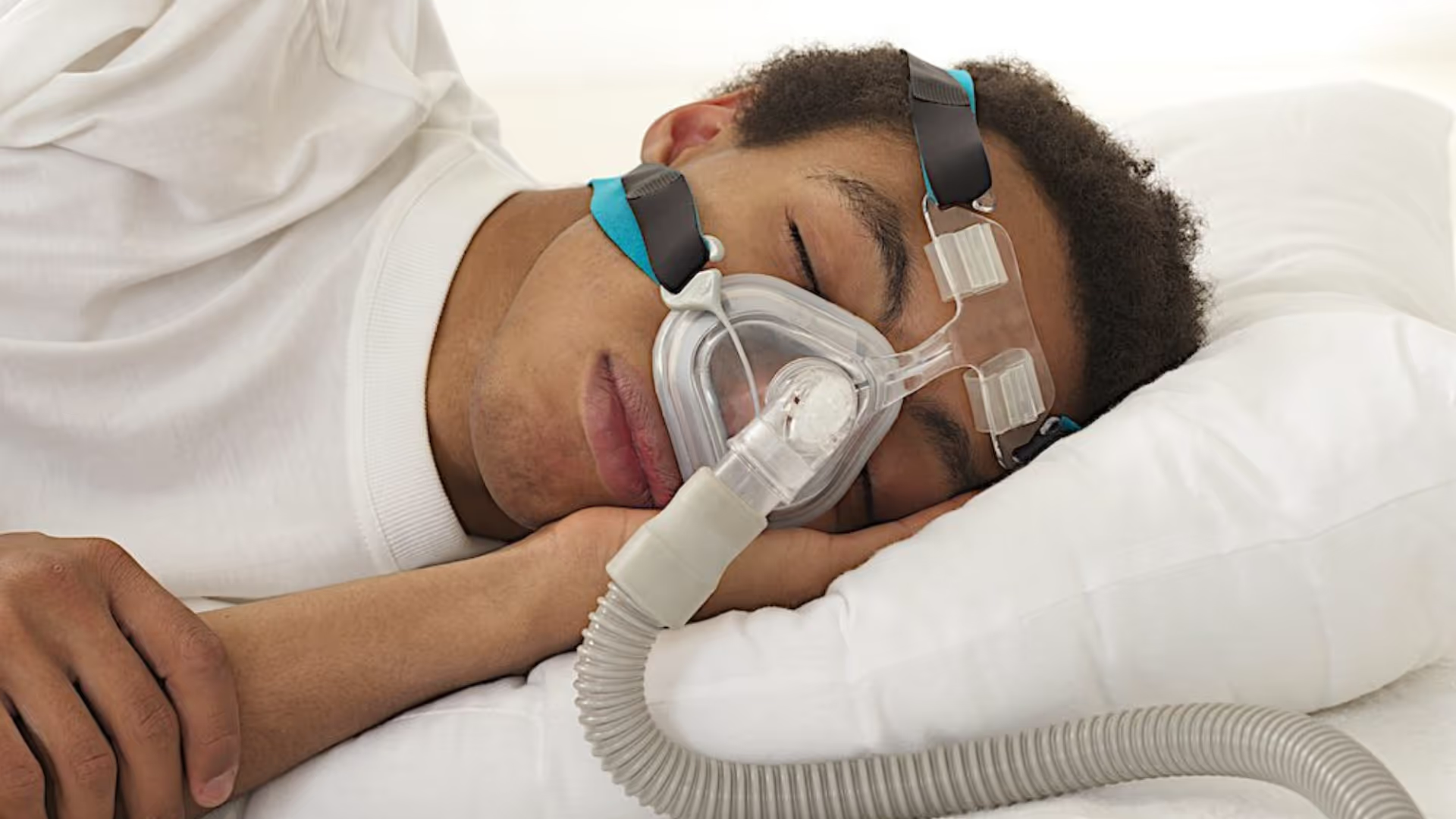
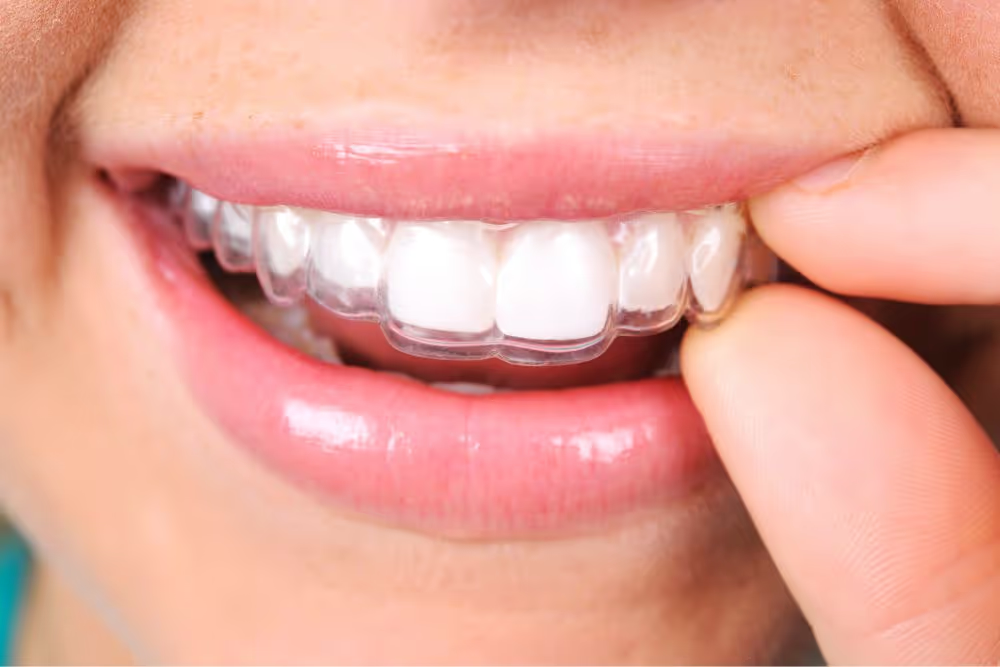
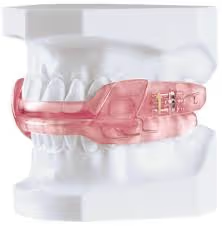
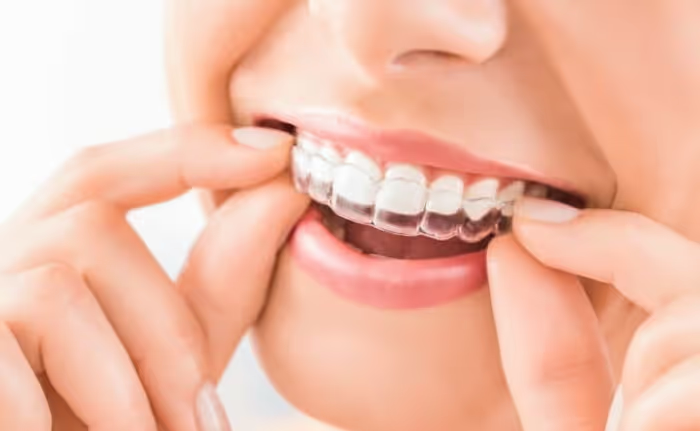
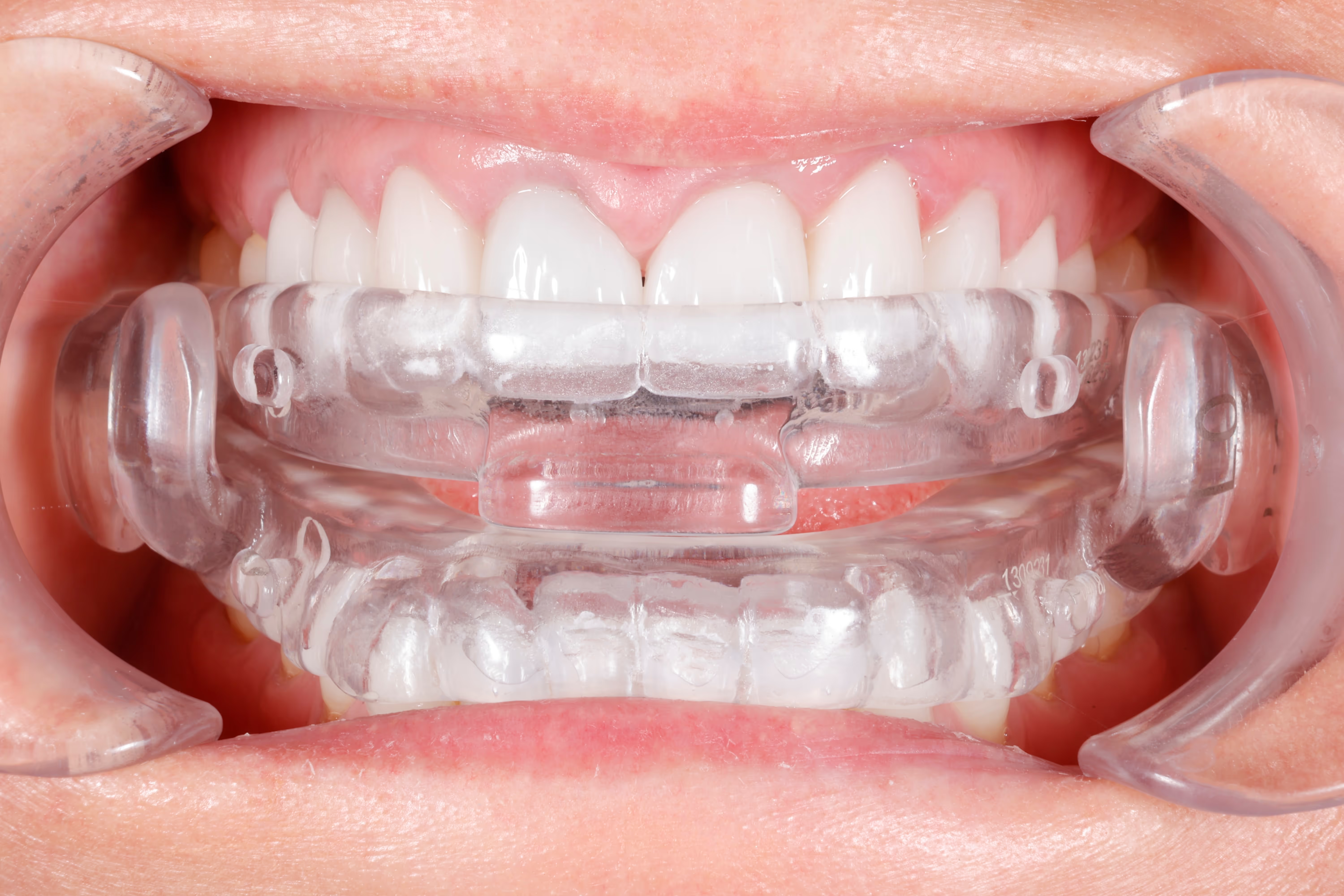
Sleep apnea is a condition where your airway collapses repeatedly during sleep, interrupting breathing and fragmenting your rest. Dentistry can help using a custom oral appliance—a thin, comfortable device that gently moves your lower jaw forward to keep your airway open while you sleep.
An oral appliance is most effective for mild to moderate obstructive sleep apnea, or as an alternative if you can't tolerate a CPAP machine. It's quiet, portable, and much easier to travel with than bulky equipment.
Sleep apnea is a condition where your airway collapses repeatedly during sleep, interrupting breathing and fragmenting your rest. Dentistry can help using a custom oral appliance—a thin, comfortable device that gently moves your lower jaw forward to keep your airway open while you sleep.
An oral appliance is most effective for mild to moderate obstructive sleep apnea, or as an alternative if you can't tolerate a CPAP machine. It's quiet, portable, and much easier to travel with than bulky equipment.
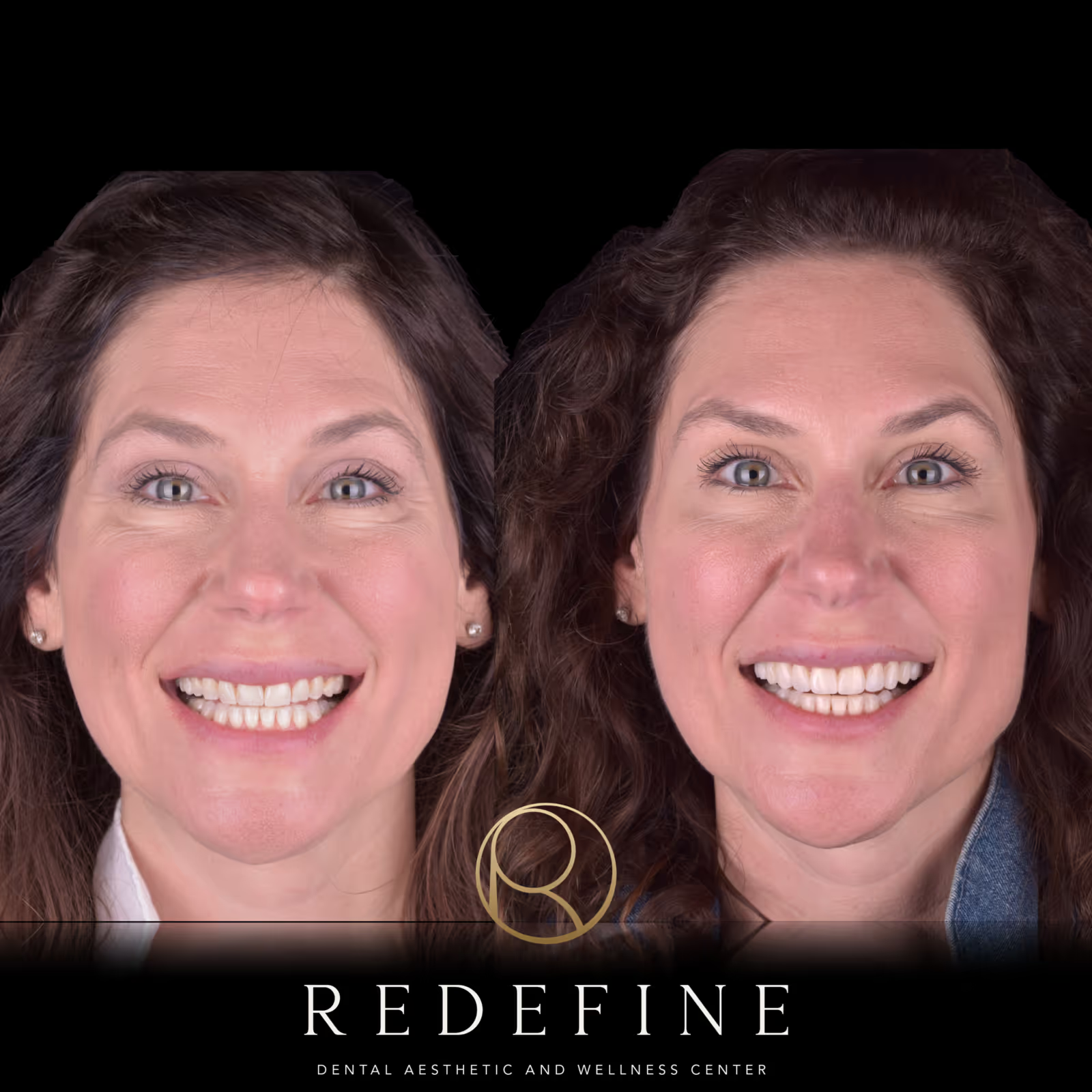
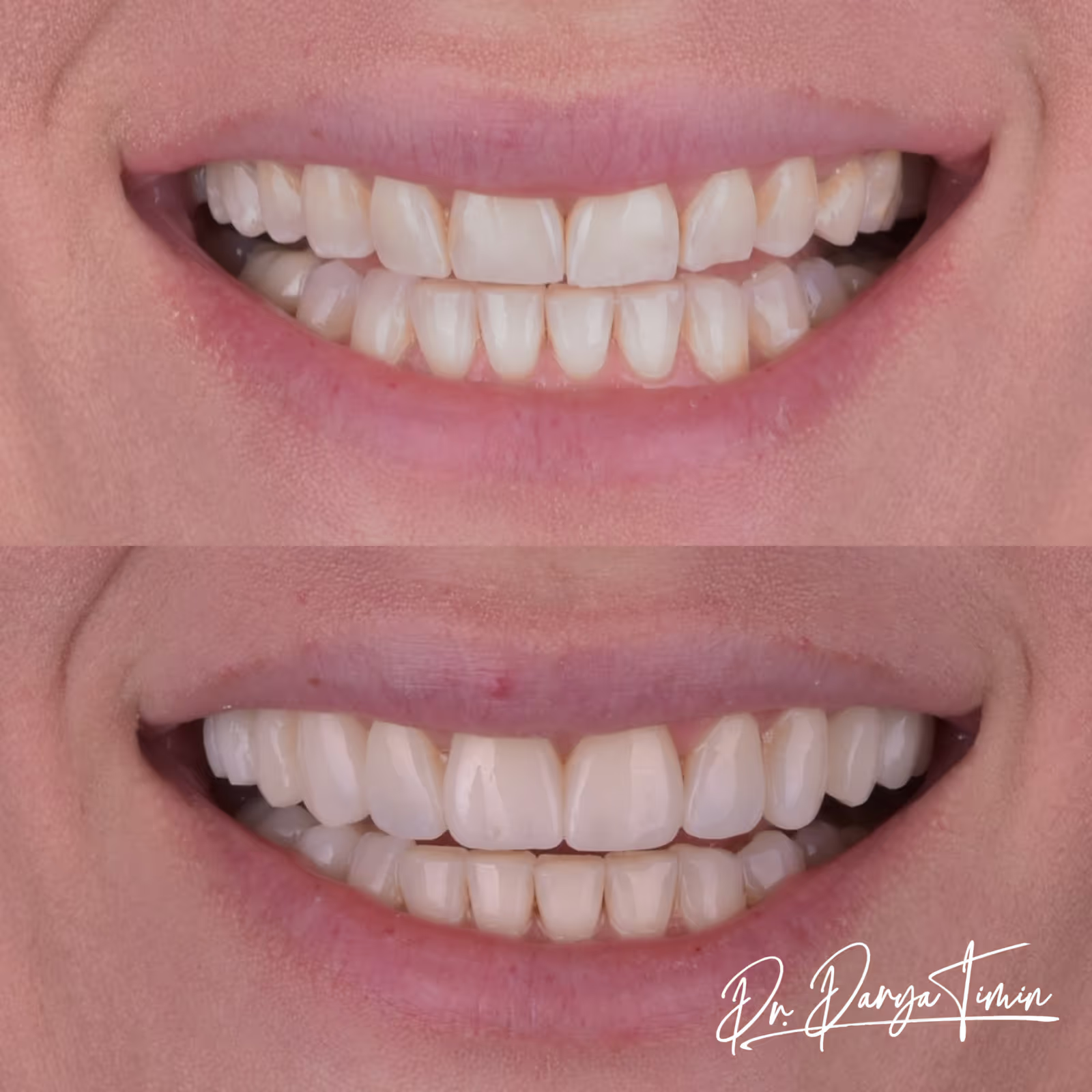
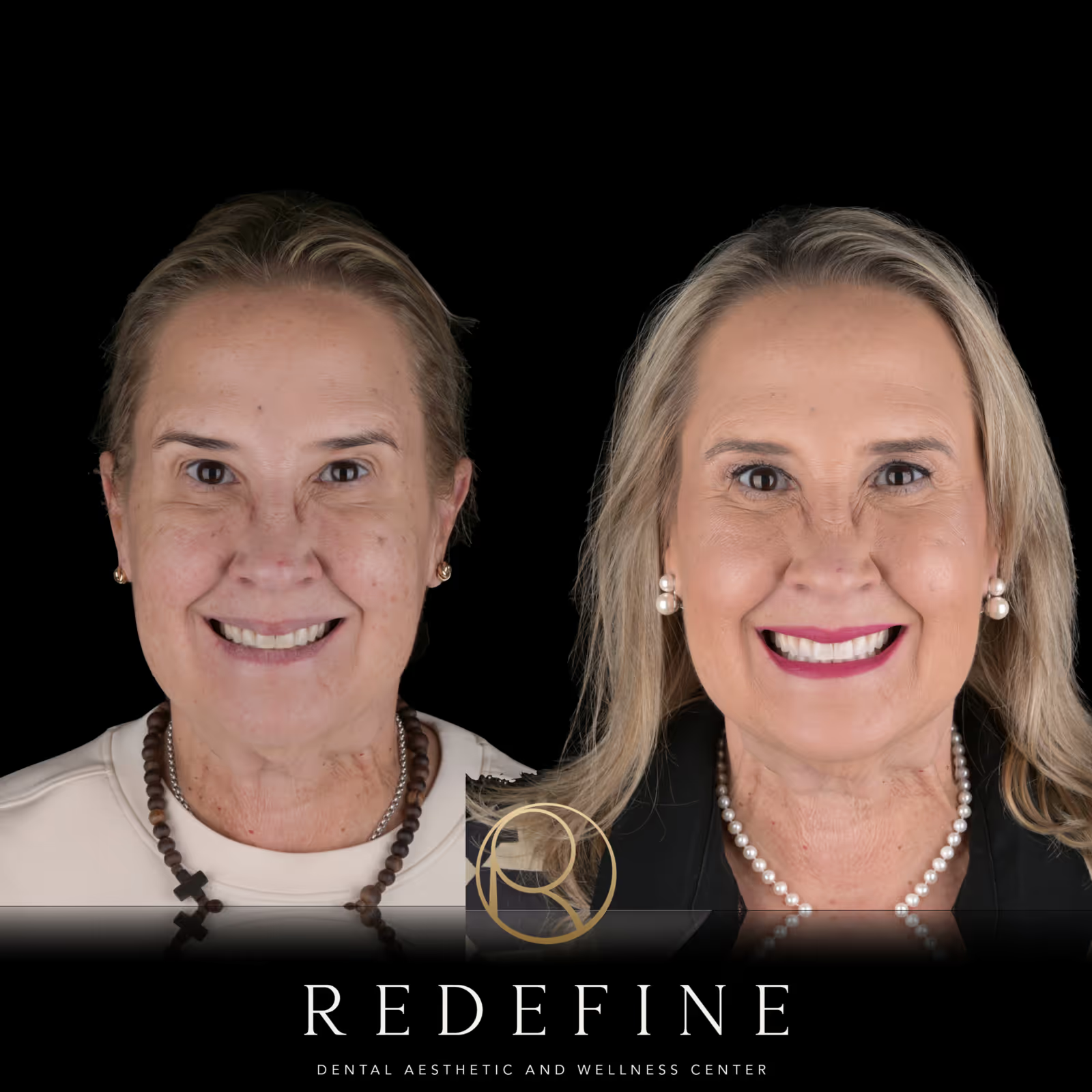
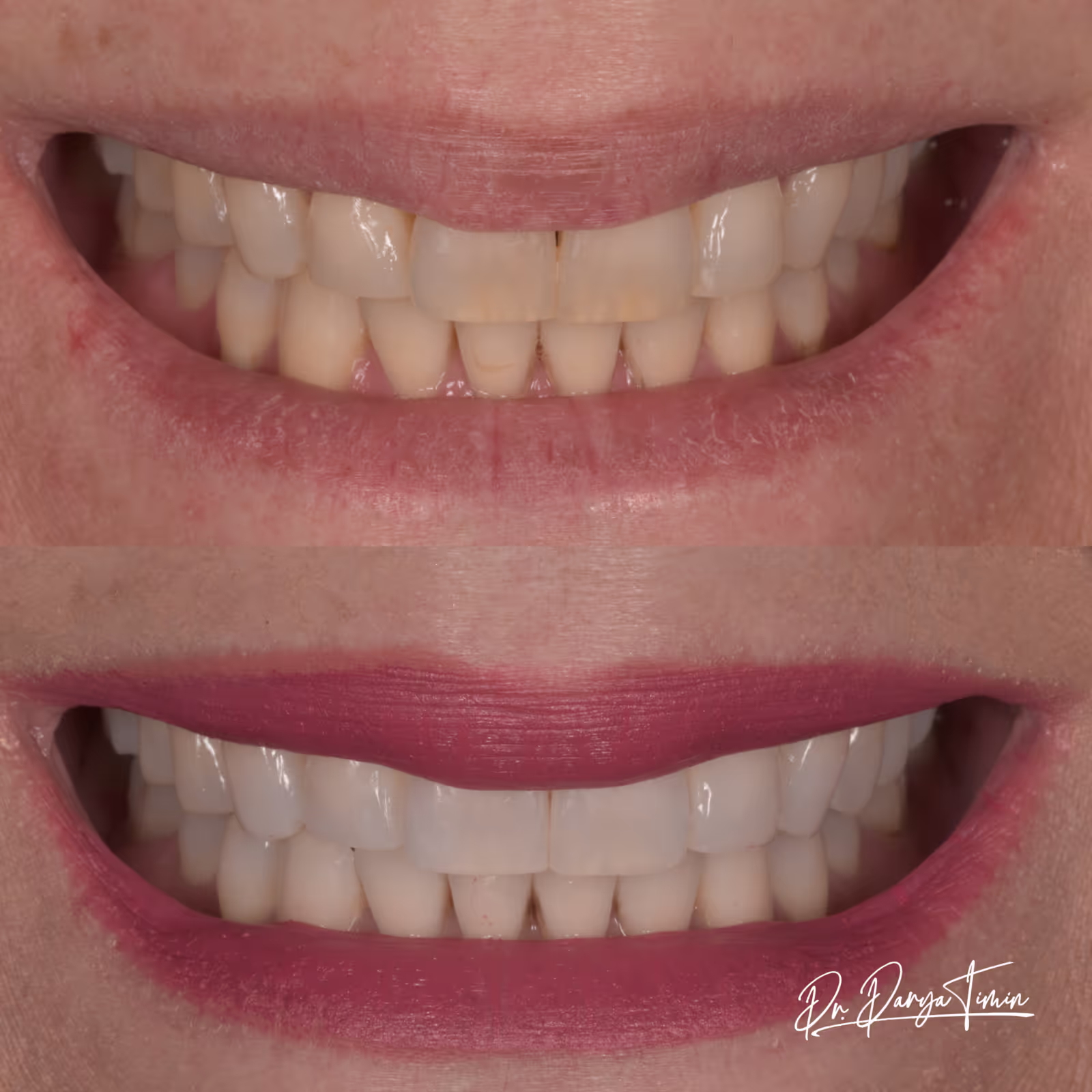
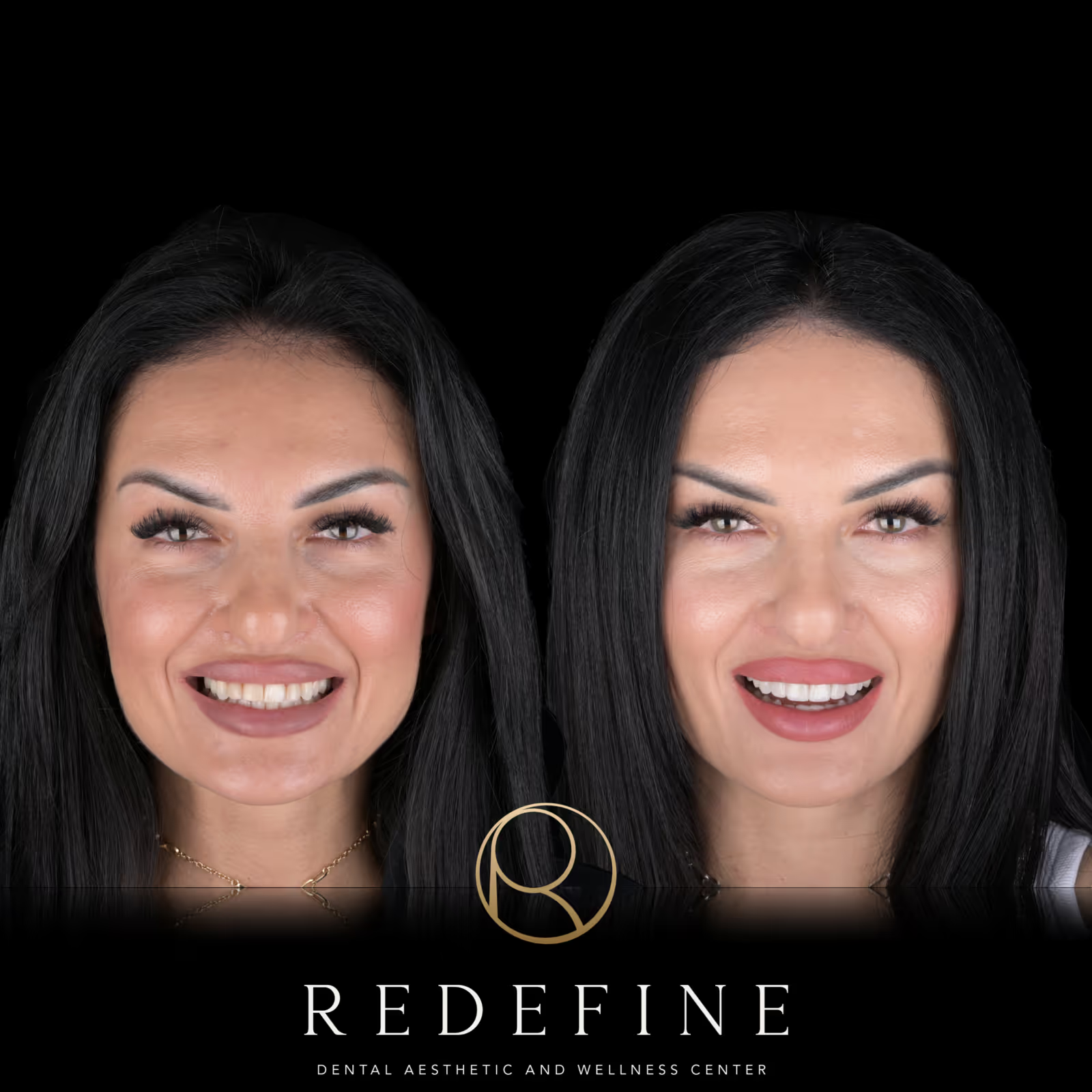
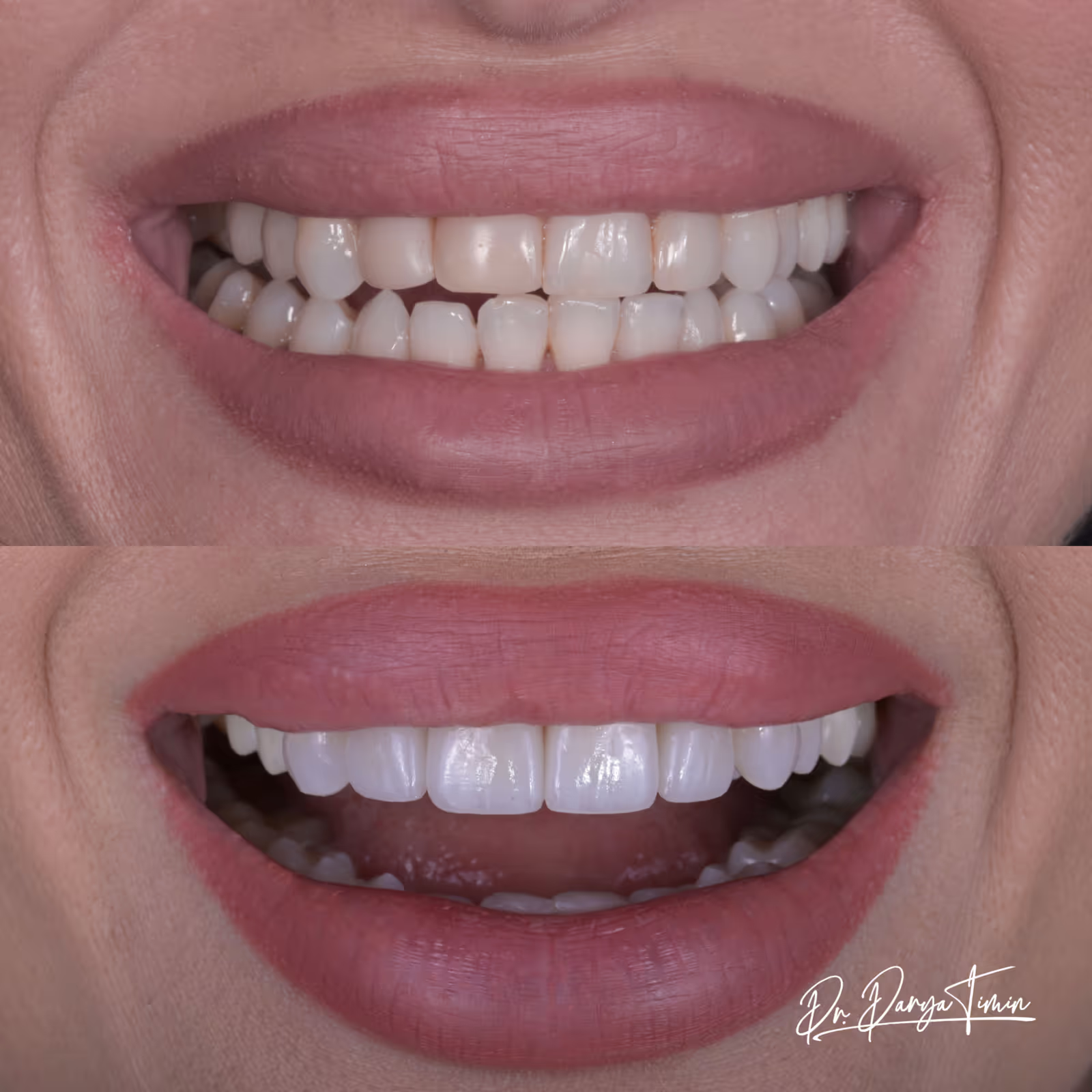
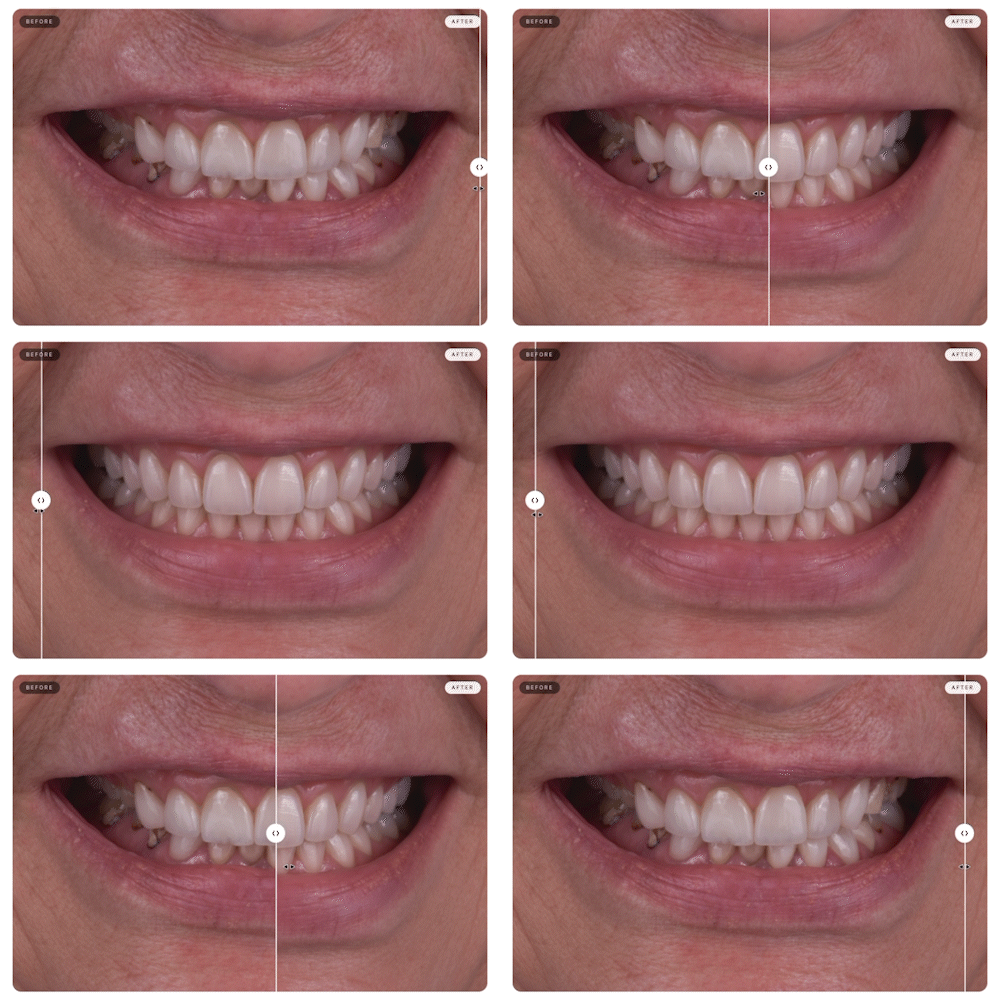
Hover over the picture to see Close Ups.
Dr. Timin reviews your sleep study results, examines your airway and bite, and discusses oral appliance options and how they work.
Dr. Timin reviews your sleep study results, examines your airway and bite, and discusses oral appliance options and how they work.
Dr. Timin reviews your sleep study results, examines your airway and bite, and discusses oral appliance options and how they work.
Dr. Timin reviews your sleep study results, examines your airway and bite, and discusses oral appliance options and how they work.
Digital scans of your teeth and jaw are taken. A custom oral appliance is designed and fabricated to fit your anatomy precisely.
Your appliance is delivered and fine-tuned for comfort and effectiveness. Follow-up visits ensure it's working and adjustments are made as needed.
Common symptoms of sleep apnea include loud, chronic snoring, gasping or choking during sleep, and waking up with headaches or a dry mouth. Many patients also experience daytime fatigue, difficulty concentrating, and mood changes or irritability due to interrupted sleep. These signs often indicate breathing disruptions at night and should be evaluated by a professional.
Common symptoms of sleep apnea include loud, chronic snoring, gasping or choking during sleep, and waking up with headaches or a dry mouth. Many patients also experience daytime fatigue, difficulty concentrating, and mood changes or irritability due to interrupted sleep. These signs often indicate breathing disruptions at night and should be evaluated by a professional.

Uninterrupted sleep

Increased energy

Improved mood

Decrease disease risk
You're a candidate if you have been diagnosed with obstructive sleep apnea by a sleep physician and have had a sleep study. An oral appliance works best for mild to moderate apnea, though it can help in some severe cases.
You may not be a candidate if you have significant tooth movement, bite problems that prevent jaw repositioning, or central sleep apnea (a different type caused by the brain, not the airway). Your sleep physician and dentist will collaborate to determine the best approach.
Dr. Darya Timin is a Kois Center graduate and collaborates closely with sleep physicians to manage sleep apnea cases. She understands how jaw position, bite, and airway mechanics interact, and she knows how to position an oral appliance for maximum effectiveness and comfort.
At Redefine Dental, she starts with a detailed scan of your jaw and airway, designs a custom appliance tuned to your anatomy, and monitors your progress with follow-up visits and, when appropriate, home sleep testing.
The result is better sleep, better energy, and reduced risk of the cardiovascular complications that untreated sleep apnea can cause.

You're a candidate if you have been diagnosed with obstructive sleep apnea by a sleep physician and have had a sleep study. An oral appliance works best for mild to moderate apnea, though it can help in some severe cases.
You may not be a candidate if you have significant tooth movement, bite problems that prevent jaw repositioning, or central sleep apnea (a different type caused by the brain, not the airway). Your sleep physician and dentist will collaborate to determine the best approach.
Dr. Darya Timin is a Kois Center graduate and collaborates closely with sleep physicians to manage sleep apnea cases. She understands how jaw position, bite, and airway mechanics interact, and she knows how to position an oral appliance for maximum effectiveness and comfort.
At Redefine Dental, she starts with a detailed scan of your jaw and airway, designs a custom appliance tuned to your anatomy, and monitors your progress with follow-up visits and, when appropriate, home sleep testing.
The result is better sleep, better energy, and reduced risk of the cardiovascular complications that untreated sleep apnea can cause.
In many cases, yes. By keeping the airway open and preventing collapse, sleep apnea treatment often significantly reduces or eliminates snoring while improving overall sleep quality.
For some patients, especially those with mild to moderate sleep apnea, dental appliances offer a more comfortable and portable alternative to CPAP. The best option depends on the severity of the condition and patient preference.
Dentists can provide custom oral appliances that reposition the jaw to keep the airway open during sleep. These devices are an effective and comfortable option for many patients with mild to moderate obstructive sleep apnea.
Yes. Untreated sleep apnea is linked to high blood pressure, heart disease, diabetes, mood disorders, and chronic fatigue. Treating sleep apnea helps protect both sleep quality and long-term health.
While snoring can be harmless, sleep apnea is often accompanied by pauses in breathing, gasping or choking during sleep, morning headaches, and daytime fatigue. A proper evaluation and sleep study are needed to confirm a diagnosis.