NEW
DNA DENTAL DALLAS IS REBRANDING TO REDEFINE DENTAL AESTHETIC AND WELLNESS CENTER
DNA DENTAL DALLAS IS REBRANDING TO REDEFINE DENTAL




The temporomandibular joint (TMJ) connects your jaw to your skull and plays a key role in speaking, chewing, and everyday jaw movement. When this joint becomes misaligned or inflamed, it can lead to TMJ disorder (TMD) a painful and often frustrating condition.
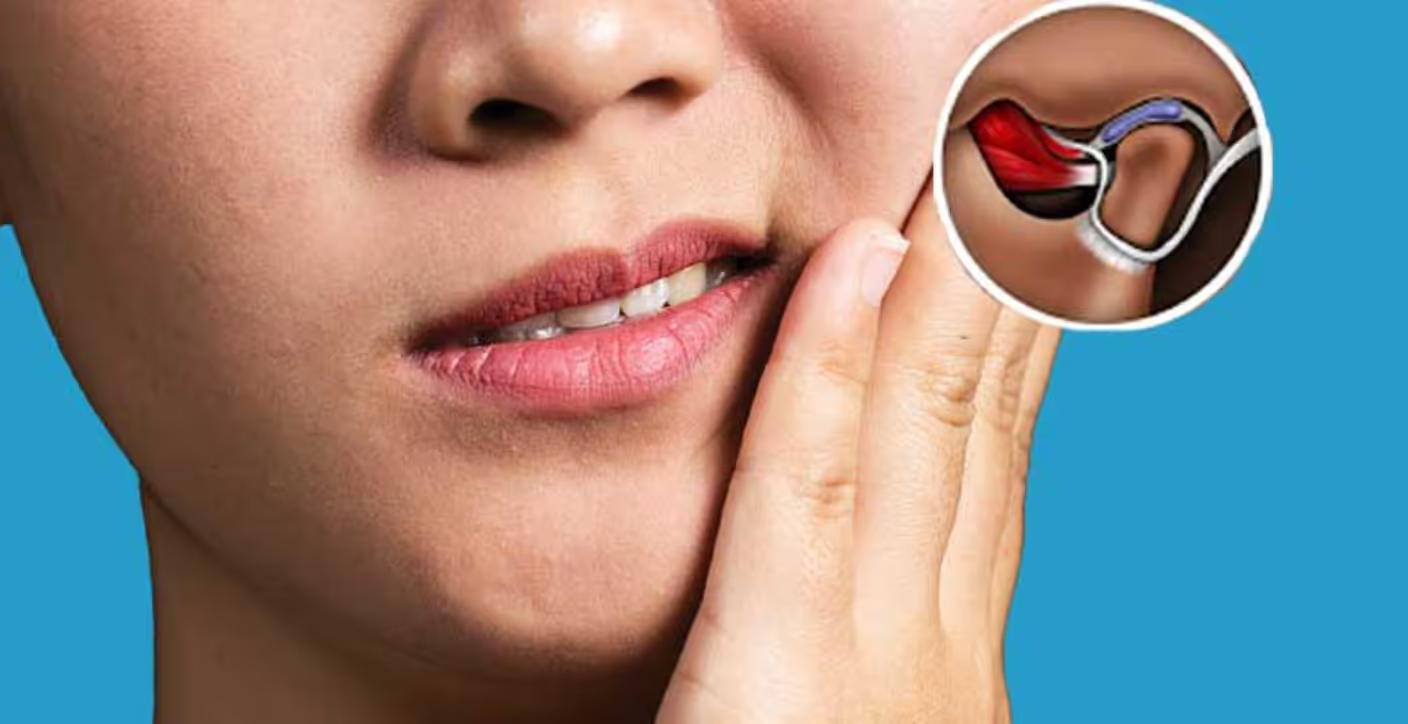

TMJ disorder (temporomandibular joint disorder) affects the joints and muscles connecting your jaw to your skull. It can cause pain, stiffness, clicking or popping sounds, and difficulty chewing, often developing from stress, grinding, misalignment, or injury.
At Redefine Dental, TMJ treatment focuses on relieving symptoms, correcting underlying causes, and protecting your long term oral health with personalized, non-invasive options.
TMJ disorder (temporomandibular joint disorder) affects the joints and muscles connecting your jaw to your skull. It can cause pain, stiffness, clicking or popping sounds, and difficulty chewing, often developing from stress, grinding, misalignment, or injury.
At Redefine Dental, TMJ treatment focuses on relieving symptoms, correcting underlying causes, and protecting your long term oral health with personalized, non-invasive options.
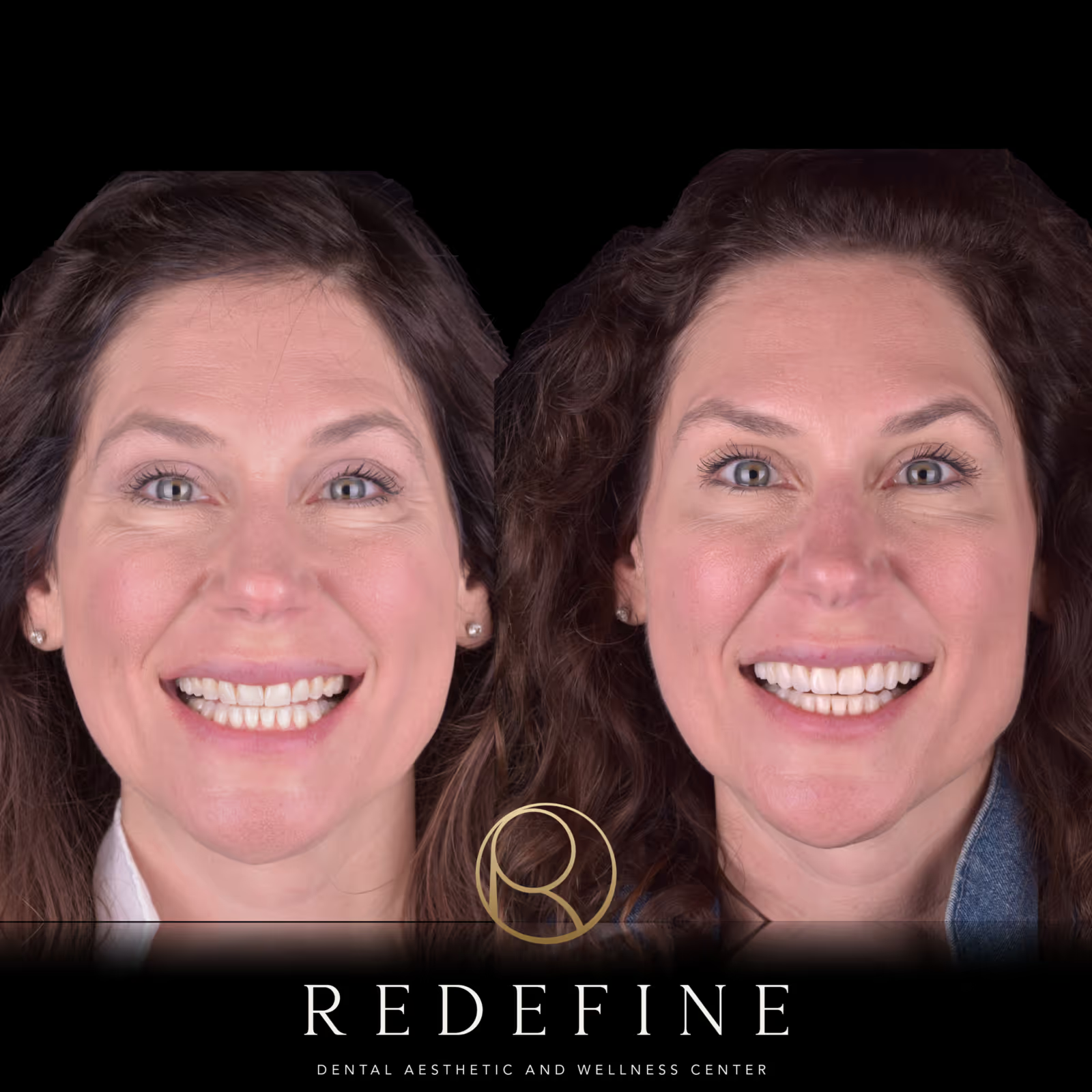
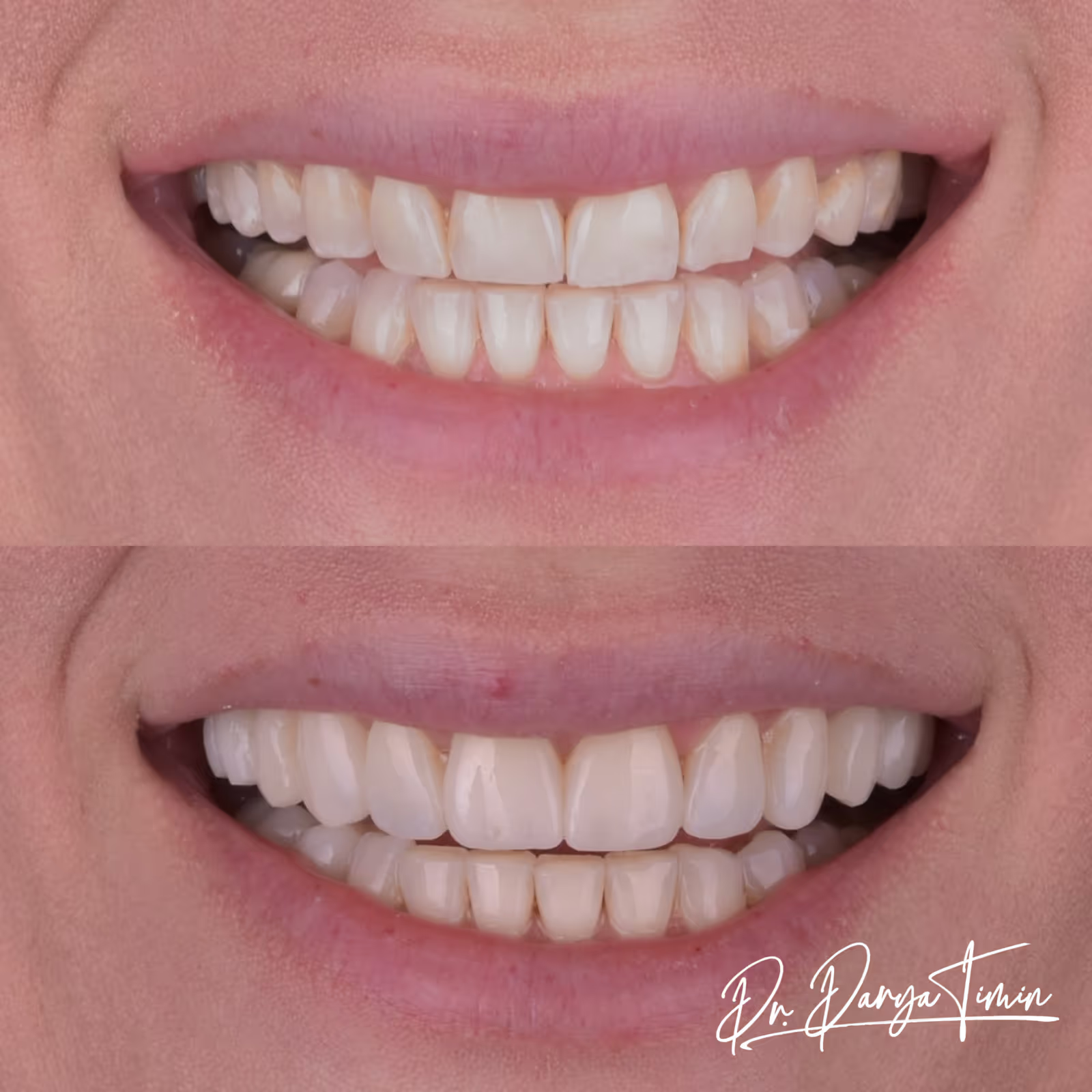

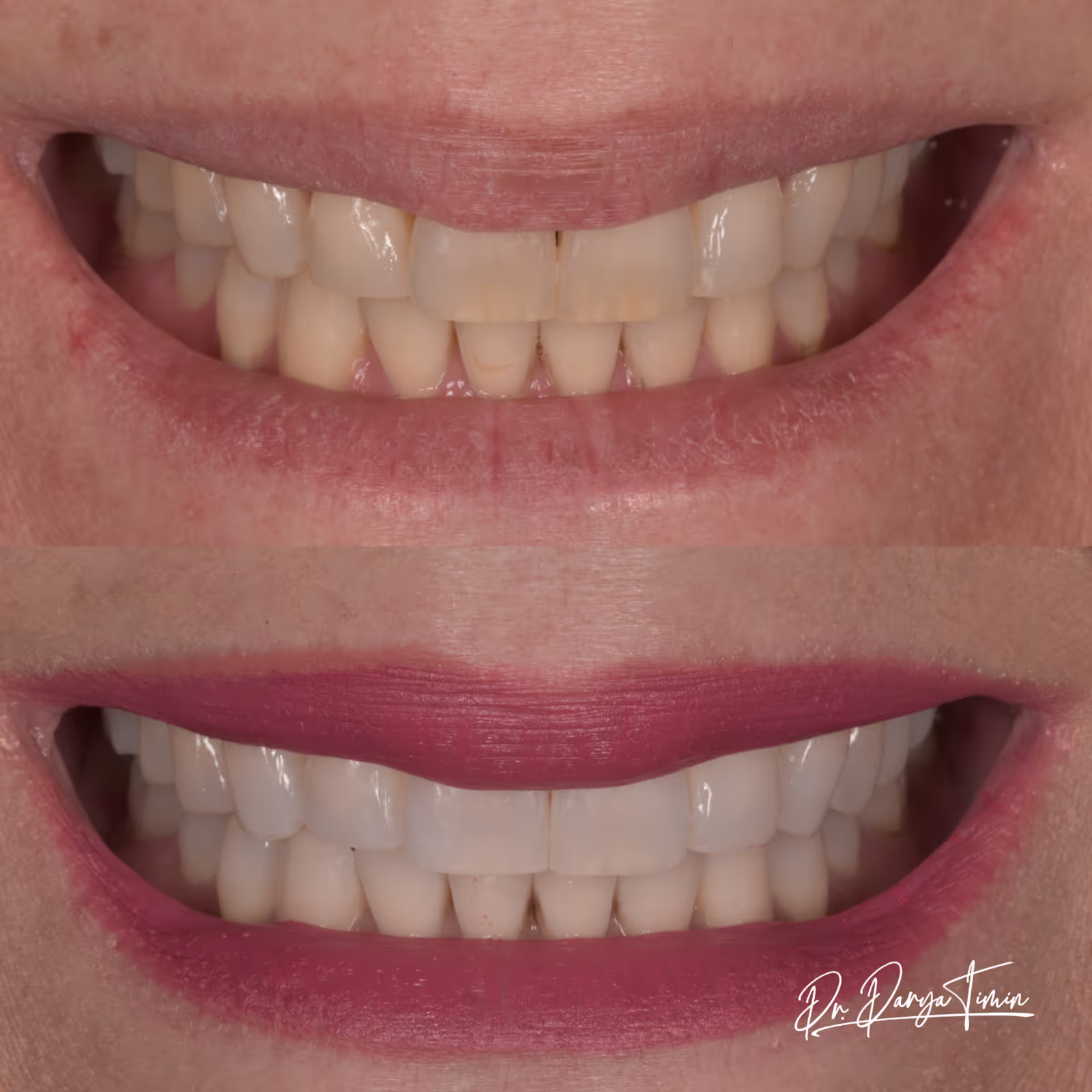

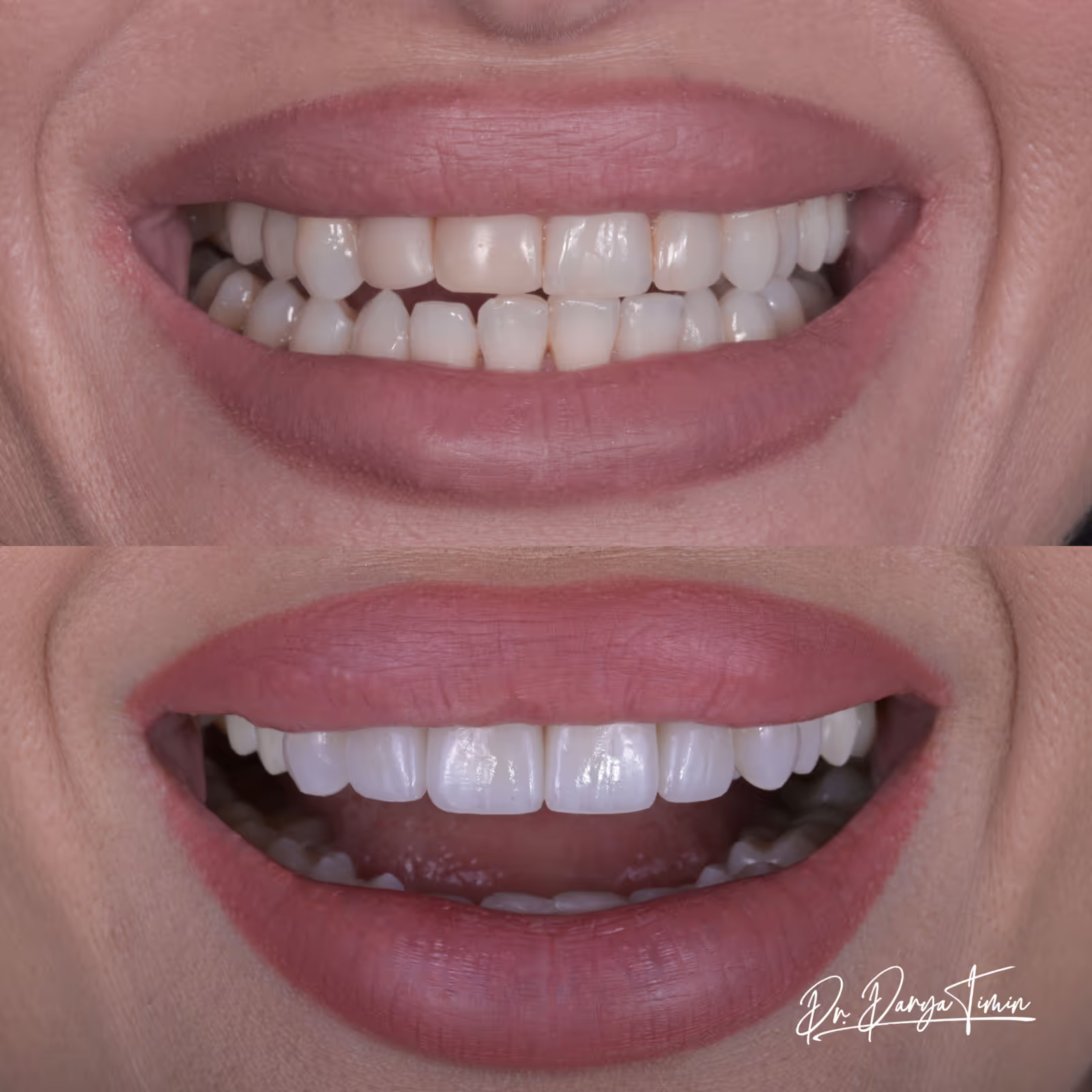
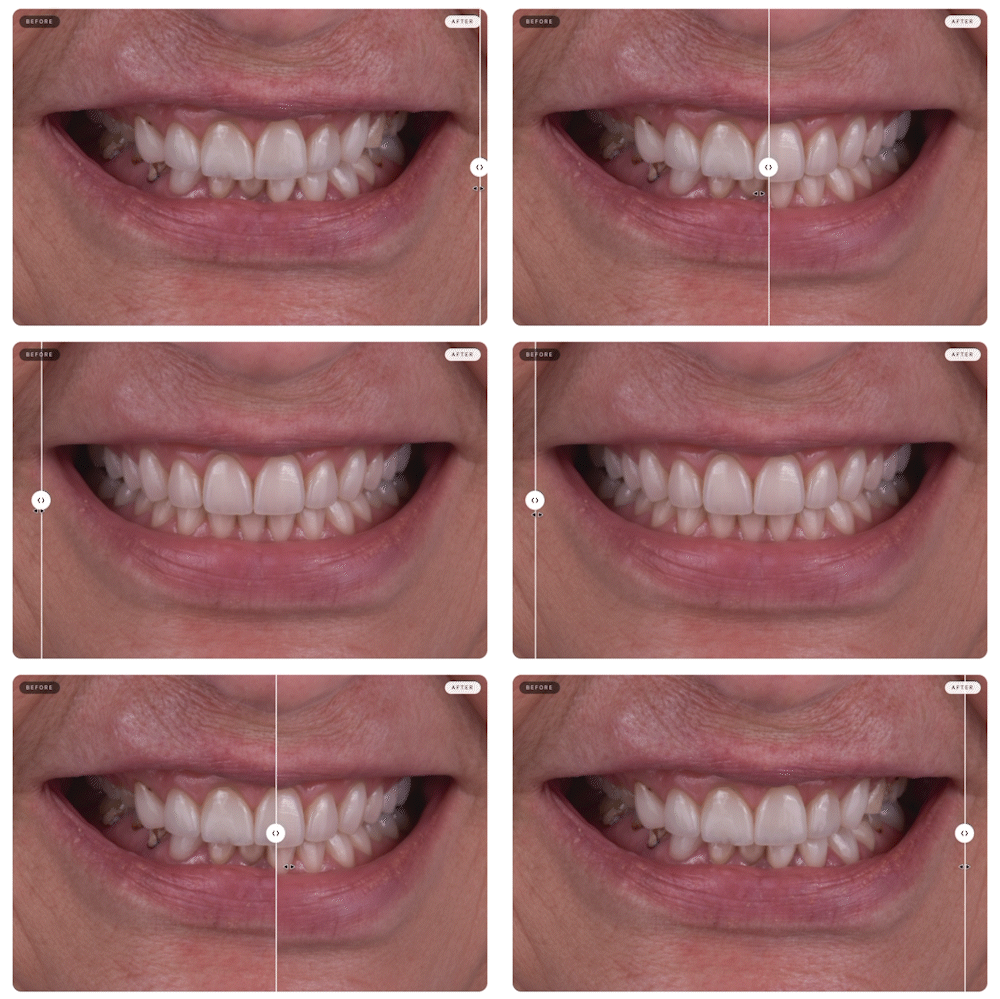
Hover over the picture to see Close Ups.


Treatment is customized based on the cause and severity of your symptoms:
Treatment is customized based on the cause and severity of your symptoms:

Relieve jaw pain

Release tension

Prevents fatigue

Corrects bite
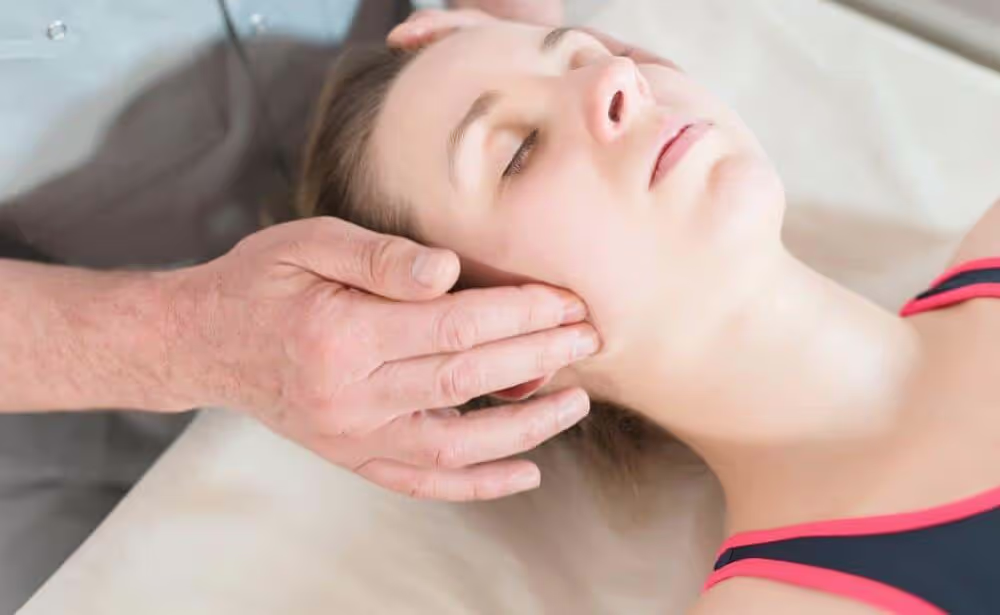
TMJ treatment is ideal for anyone experiencing ongoing jaw pain on one or both sides, clicking or popping, chronic headaches, facial soreness, or worn teeth. Early evaluation can prevent symptoms from progressing and causing long term damage.
It is also a strong option for patients with bite misalignment, clenching, or grinding habits who want lasting relief rather than temporary fixes. Dr. Timin will identify the cause during a comprehensive evaluation.
Dr. Darya Timin's training in bite function and comprehensive care makes her an exceptional choice for TMJ treatment. As a Kois Center graduate with advanced education in occlusion, she diagnoses the root cause of your symptoms rather than treating them in isolation.
Her approach blends clinical precision with a wellness-focused philosophy, offering non-invasive options like Botox, custom bite splints, and bite balancing tailored to your needs.
At Redefine Dental, every TMJ evaluation looks at the full picture of your jaw, teeth, and muscles, for lasting relief that also protects your long term oral health.

TMJ treatment is ideal for anyone experiencing ongoing jaw pain on one or both sides, clicking or popping, chronic headaches, facial soreness, or worn teeth. Early evaluation can prevent symptoms from progressing and causing long term damage.
It is also a strong option for patients with bite misalignment, clenching, or grinding habits who want lasting relief rather than temporary fixes. Dr. Timin will identify the cause during a comprehensive evaluation.
Dr. Darya Timin's training in bite function and comprehensive care makes her an exceptional choice for TMJ treatment. As a Kois Center graduate with advanced education in occlusion, she diagnoses the root cause of your symptoms rather than treating them in isolation.
Her approach blends clinical precision with a wellness-focused philosophy, offering non-invasive options like Botox, custom bite splints, and bite balancing tailored to your needs.
At Redefine Dental, every TMJ evaluation looks at the full picture of your jaw, teeth, and muscles, for lasting relief that also protects your long term oral health.
Untreated TMJ issues can worsen over time, leading to increased pain, chronic headaches, tooth wear, and limited jaw movement. Early treatment helps prevent long-term damage and improves overall comfort and function.
Some patients notice improvement within days or weeks, especially with treatments like Botox or bite splints. More complex bite-related treatments may take longer but provide long-lasting relief.
TMJ treatment is designed to relieve pain, not cause it. Most options are non-invasive or minimally invasive, and many patients experience noticeable relief soon after beginning treatment.
Yes. TMJ disorders commonly contribute to chronic headaches, ear pressure, and facial pain because the jaw joint and surrounding muscles are closely connected to the head and neck.
TMJ disorder often causes symptoms such as jaw pain or tightness, clicking or popping sounds, headaches, facial muscle soreness, and difficulty chewing. A comprehensive evaluation helps confirm whether the TMJ is the source of your symptoms.