



There are three main types of sleep apnea. Obstructive Sleep Apnea (OSA) is the most common and occurs when the airway becomes physically blocked during sleep. Central Sleep Apnea happens when the brain fails to send proper signals to the breathing muscles, while Complex Sleep Apnea is a combination of both obstructive and central patterns.
There are three main types of sleep apnea. Obstructive Sleep Apnea (OSA) is the most common and occurs when the airway becomes physically blocked during sleep. Central Sleep Apnea happens when the brain fails to send proper signals to the breathing muscles, while Complex Sleep Apnea is a combination of both obstructive and central patterns.

















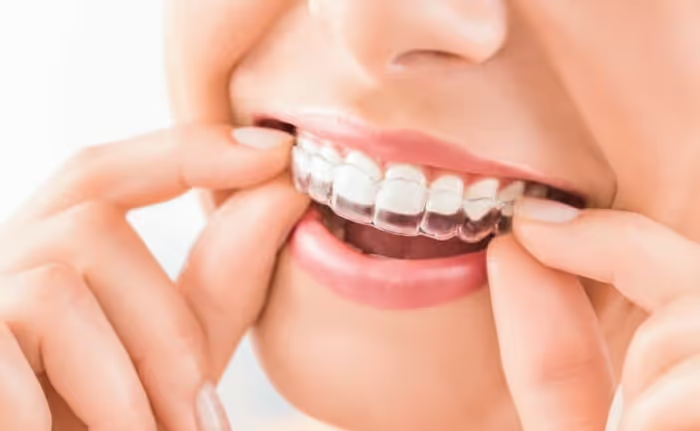


Common symptoms of sleep apnea include loud, chronic snoring, gasping or choking during sleep, and waking up with headaches or a dry mouth. Many patients also experience daytime fatigue, difficulty concentrating, and mood changes or irritability due to interrupted sleep. These signs often indicate breathing disruptions at night and should be evaluated by a professional.
Common symptoms of sleep apnea include loud, chronic snoring, gasping or choking during sleep, and waking up with headaches or a dry mouth. Many patients also experience daytime fatigue, difficulty concentrating, and mood changes or irritability due to interrupted sleep. These signs often indicate breathing disruptions at night and should be evaluated by a professional.

Uninterrupted sleep

Increased energy

Improved mood

Decrease disease risk
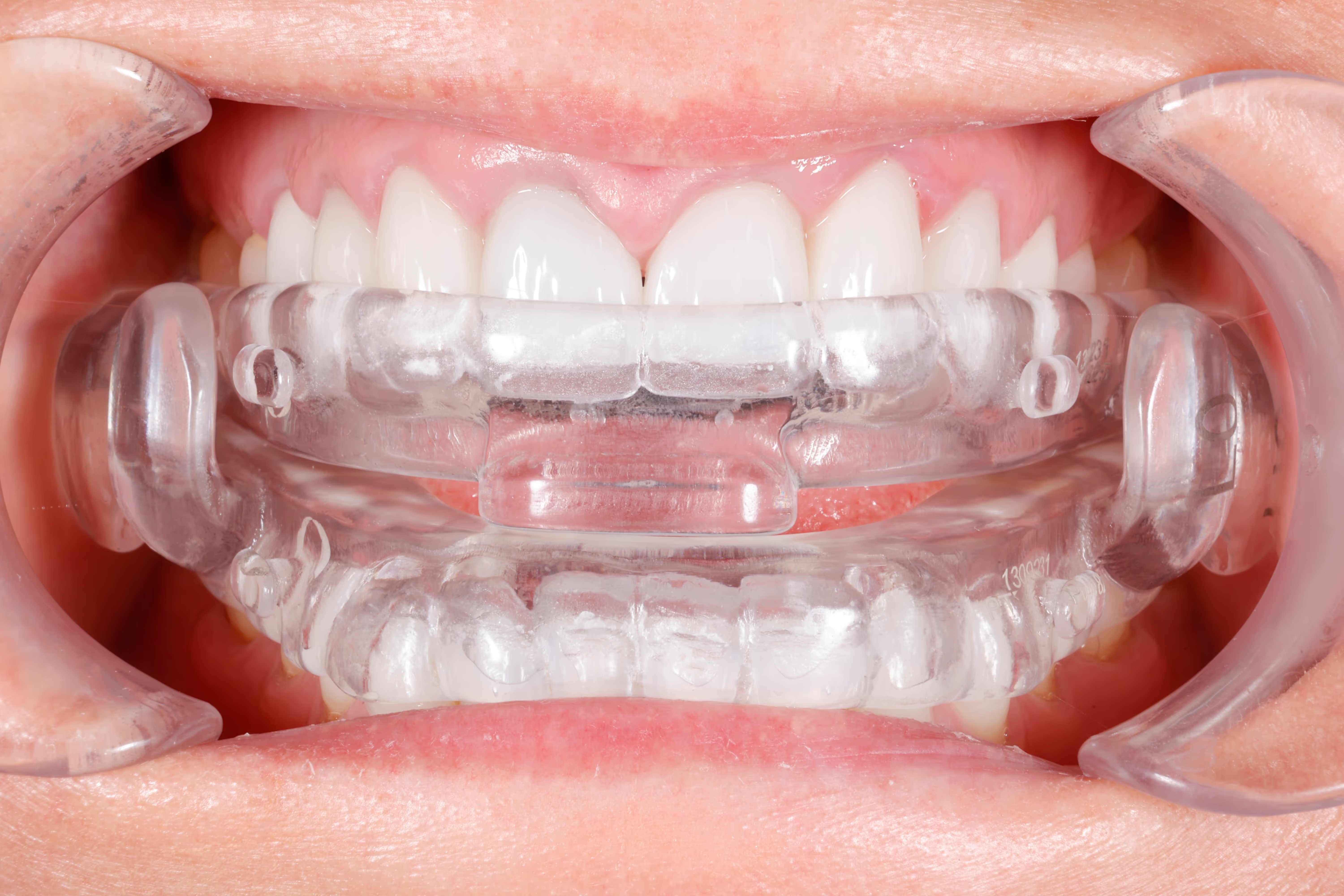
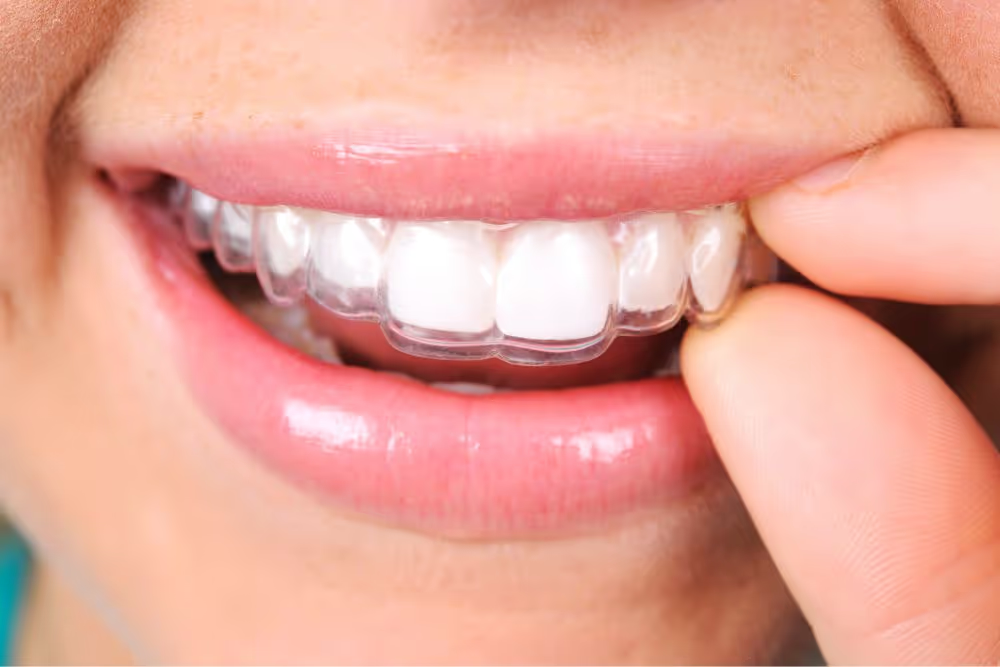
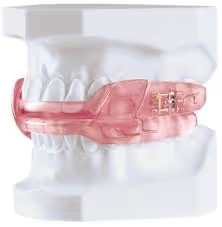
Dental solutions for sleep apnea often include custom oral appliances that gently reposition the jaw to keep the airway open, offering an effective and comfortable alternative to CPAP for mild to moderate cases. Depending on the severity and underlying causes, additional treatments such as orthodontics, orthognathic surgery, or full-mouth reconstruction may also improve breathing and sleep quality. These approaches help reduce snoring, prevent airway collapse, and support long-term overall health.
Dental solutions for sleep apnea often include custom oral appliances that gently reposition the jaw to keep the airway open, offering an effective and comfortable alternative to CPAP for mild to moderate cases. Depending on the severity and underlying causes, additional treatments such as orthodontics, orthognathic surgery, or full-mouth reconstruction may also improve breathing and sleep quality. These approaches help reduce snoring, prevent airway collapse, and support long-term overall health.
In many cases, yes. By keeping the airway open and preventing collapse, sleep apnea treatment often significantly reduces or eliminates snoring while improving overall sleep quality.
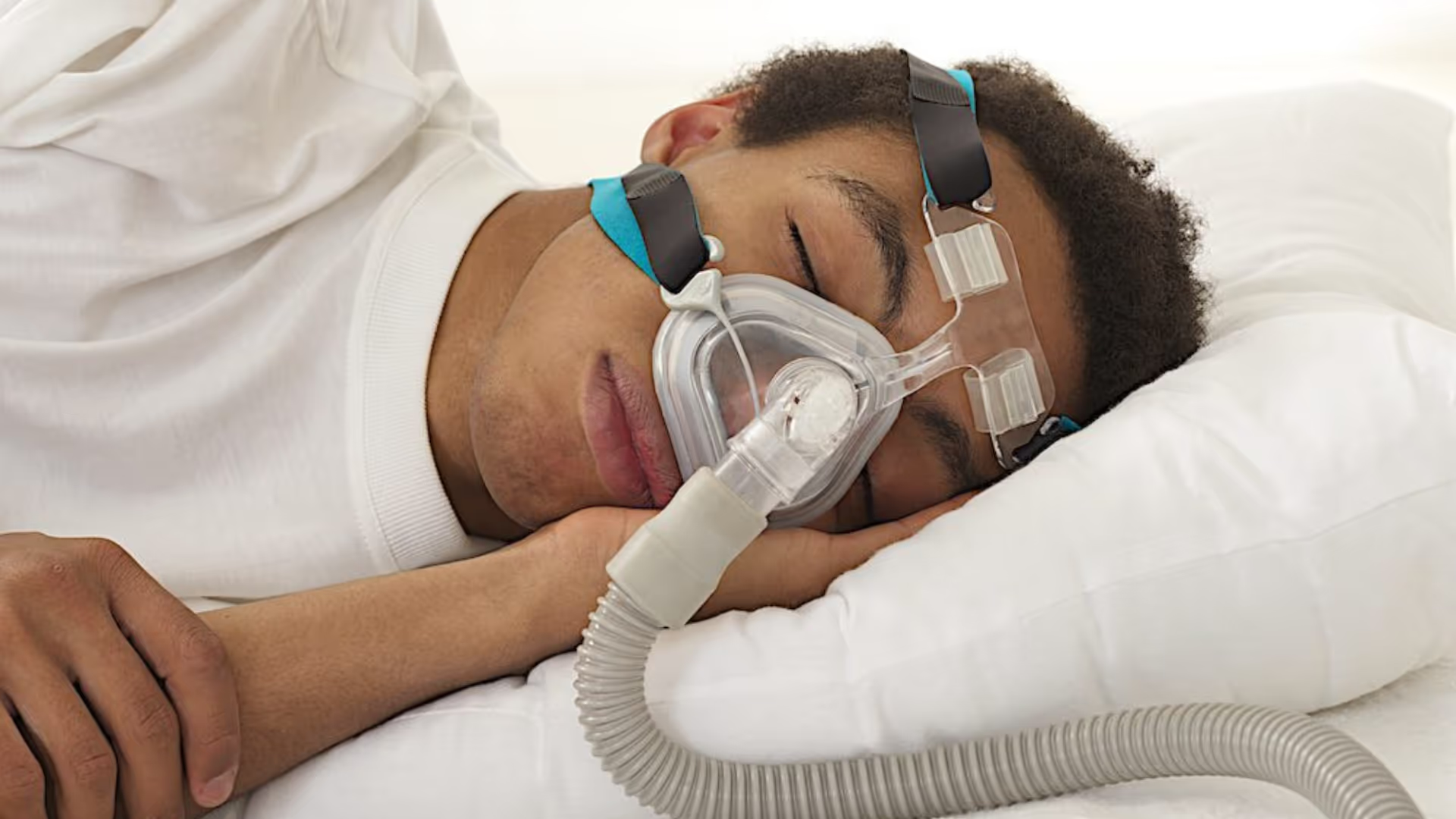
For some patients, especially those with mild to moderate sleep apnea, dental appliances offer a more comfortable and portable alternative to CPAP. The best option depends on the severity of the condition and patient preference.
Dentists can provide custom oral appliances that reposition the jaw to keep the airway open during sleep. These devices are an effective and comfortable option for many patients with mild to moderate obstructive sleep apnea.
Yes. Untreated sleep apnea is linked to high blood pressure, heart disease, diabetes, mood disorders, and chronic fatigue. Treating sleep apnea helps protect both sleep quality and long-term health.
While snoring can be harmless, sleep apnea is often accompanied by pauses in breathing, gasping or choking during sleep, morning headaches, and daytime fatigue. A proper evaluation and sleep study are needed to confirm a diagnosis.