NEW
DNA DENTAL DALLAS IS REBRANDING TO REDEFINE DENTAL AESTHETIC AND WELLNESS CENTER
DNA DENTAL DALLAS IS REBRANDING TO REDEFINE DENTAL




Your saliva holds vital information about your oral and overall health. Salivary testing is a modern, non-invasive diagnostic tool that allows dentists to detect hidden issues, personalize your treatment, and prevent disease... All from a simple saliva sample.

Salivary testing is a modern diagnostic tool that analyzes bacteria levels, enzymes, pH, and inflammatory markers in your saliva to reveal important information about your oral and overall health. It helps identify risks for gum disease, cavities, and high-risk pathogens while also providing insight into systemic health concerns linked to oral inflammation. By understanding your saliva’s makeup, your dentist can create a more personalized and preventive treatment plan.
Salivary testing is a modern diagnostic tool that analyzes bacteria levels, enzymes, pH, and inflammatory markers in your saliva to reveal important information about your oral and overall health. It helps identify risks for gum disease, cavities, and high-risk pathogens while also providing insight into systemic health concerns linked to oral inflammation. By understanding your saliva’s makeup, your dentist can create a more personalized and preventive treatment plan.
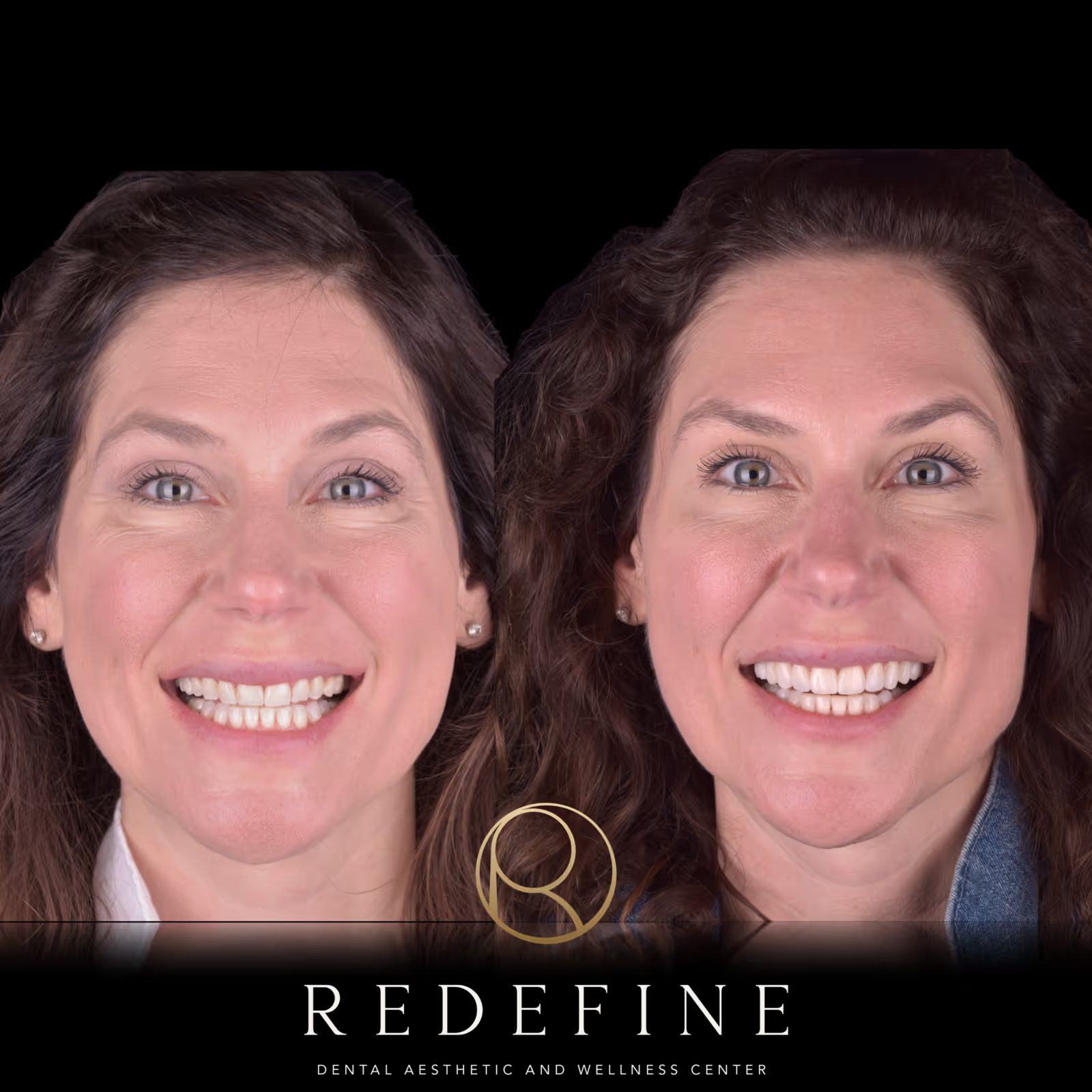
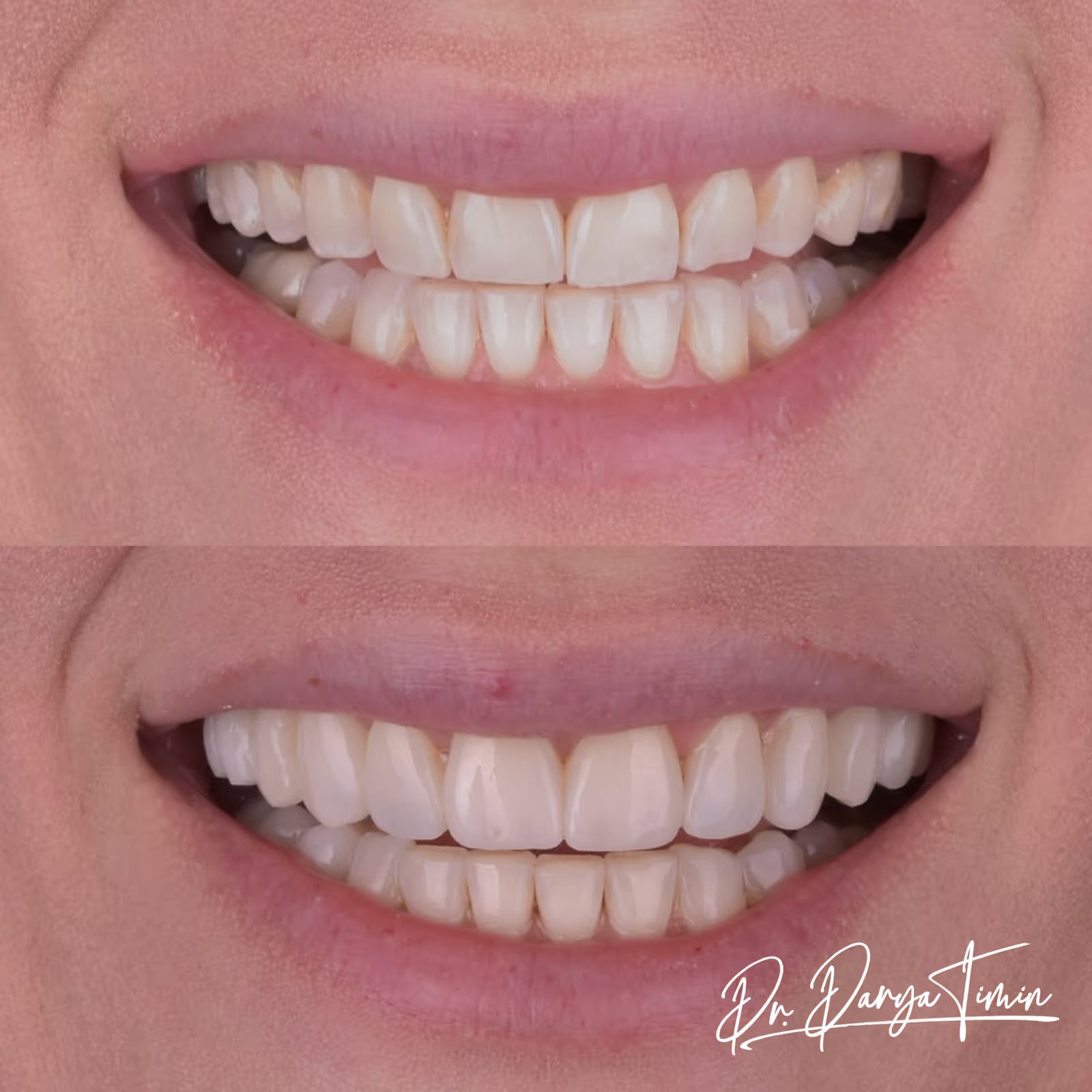

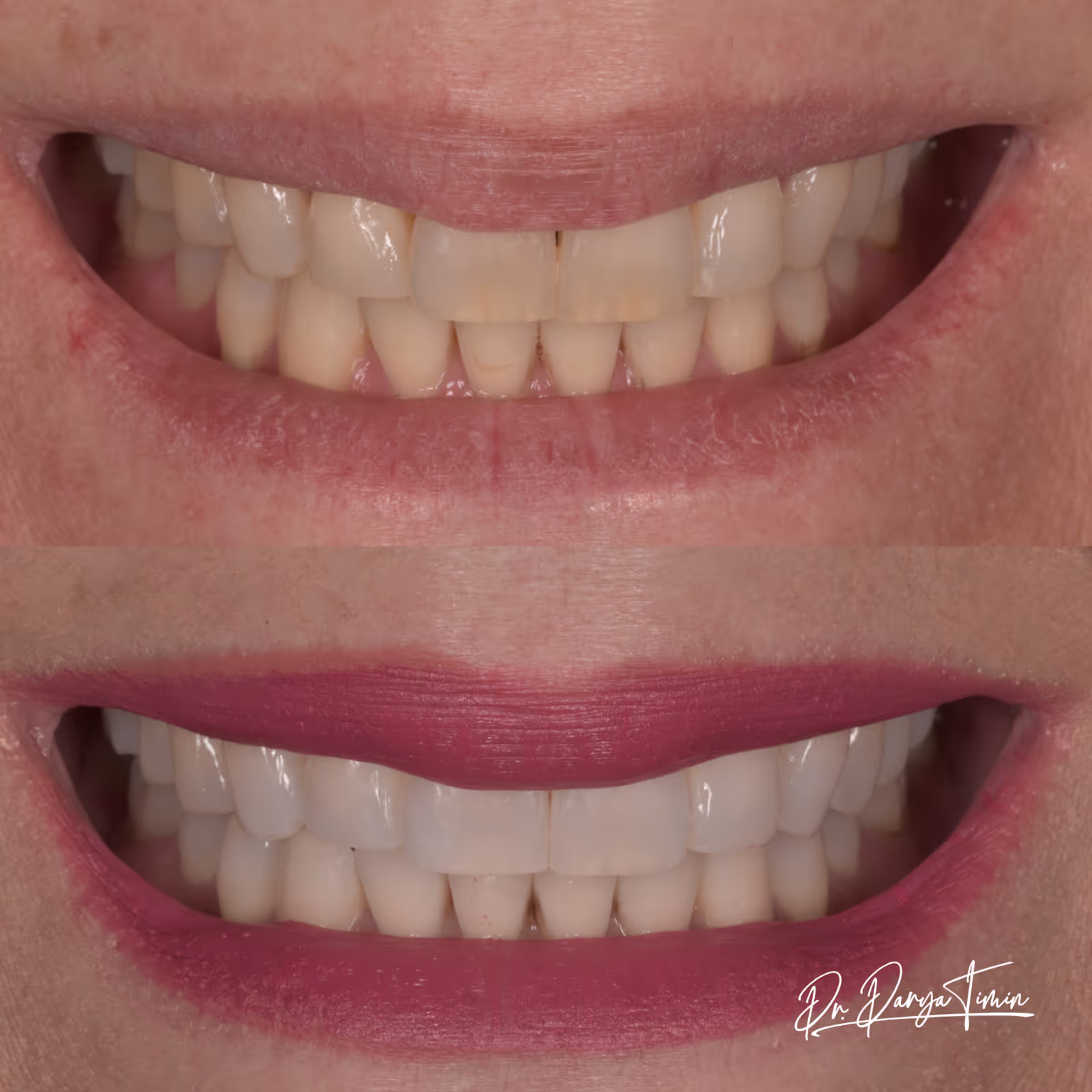

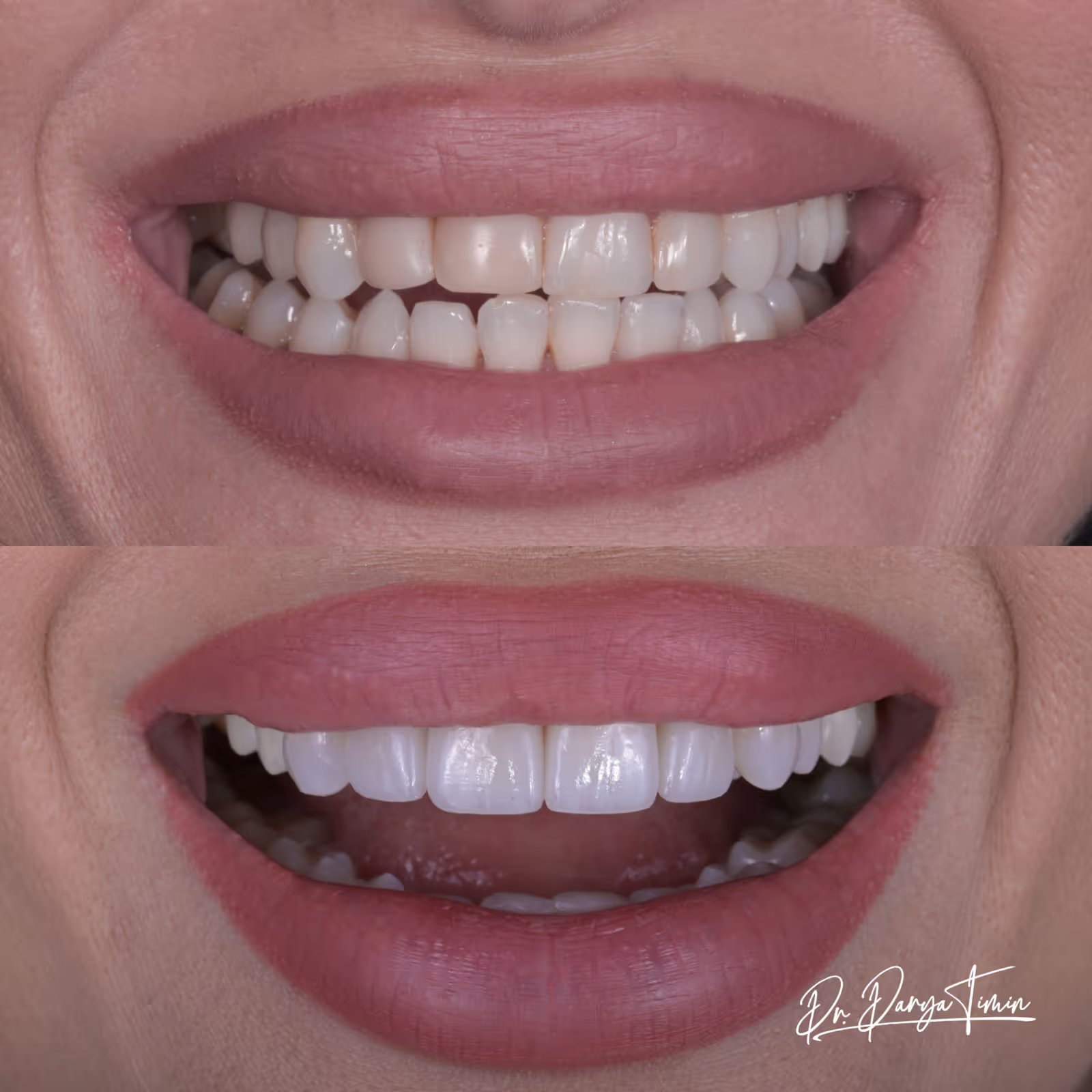
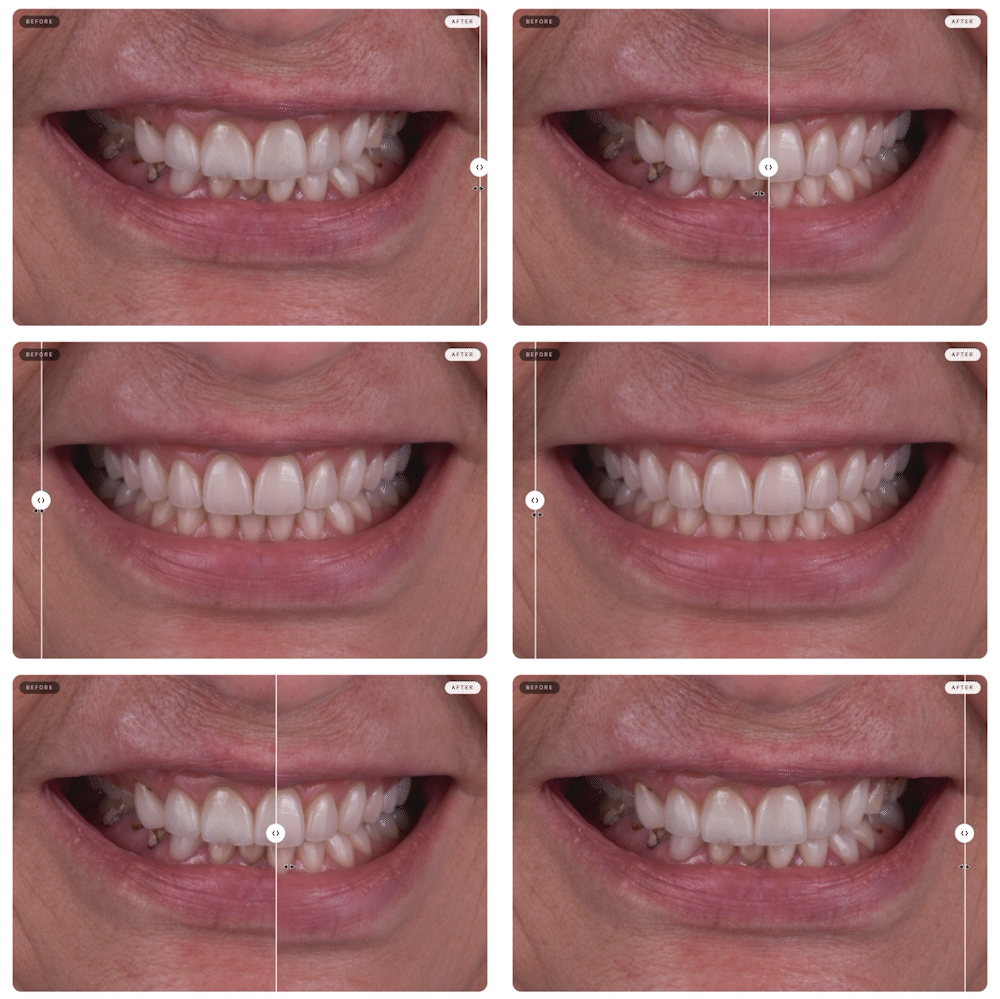
Hover over the picture to see Close Ups.
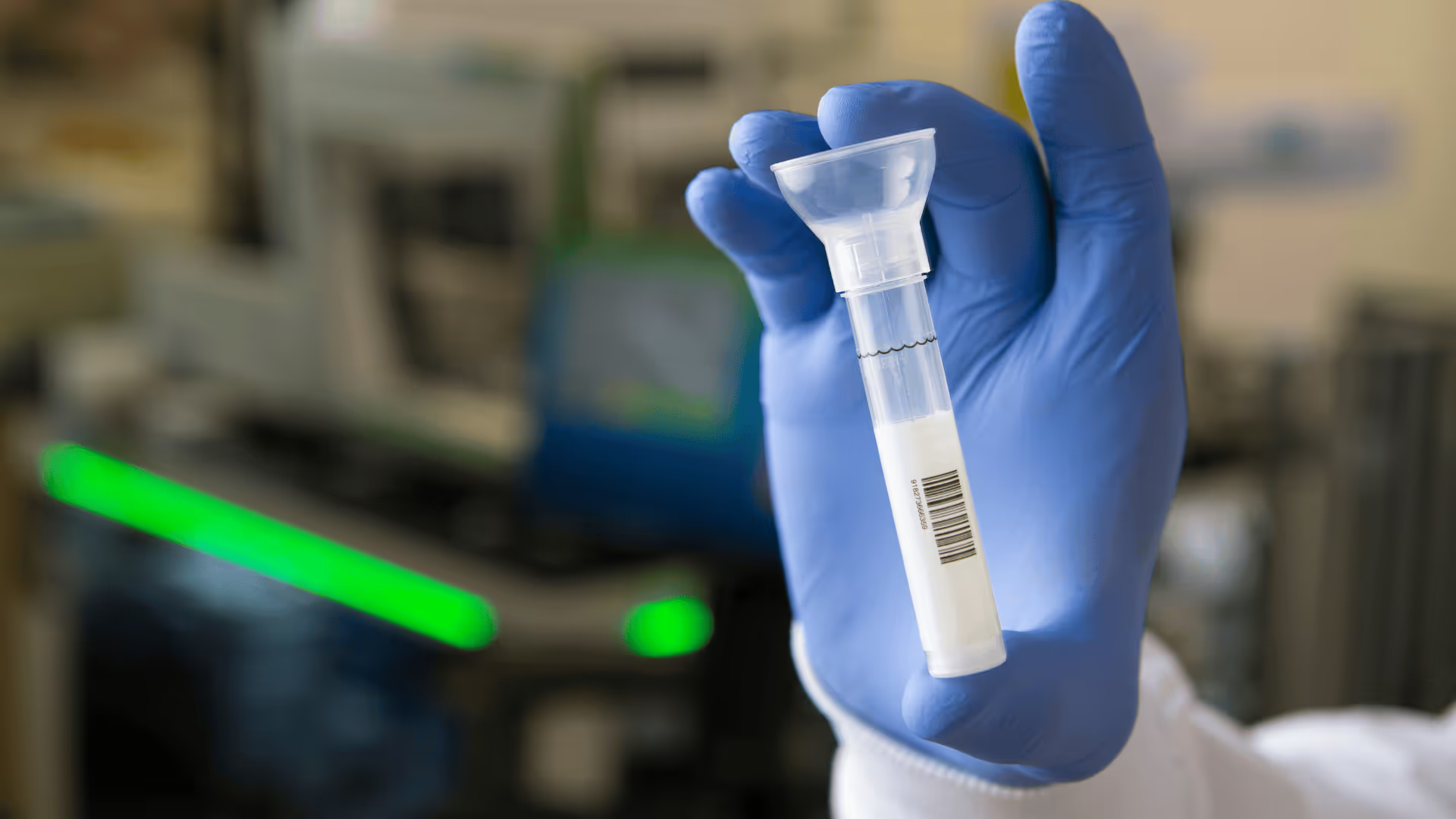
Salivary testing allows for:
Salivary testing allows for:

Disease detection

Improved treatment

Improves oral health

Personalized plans
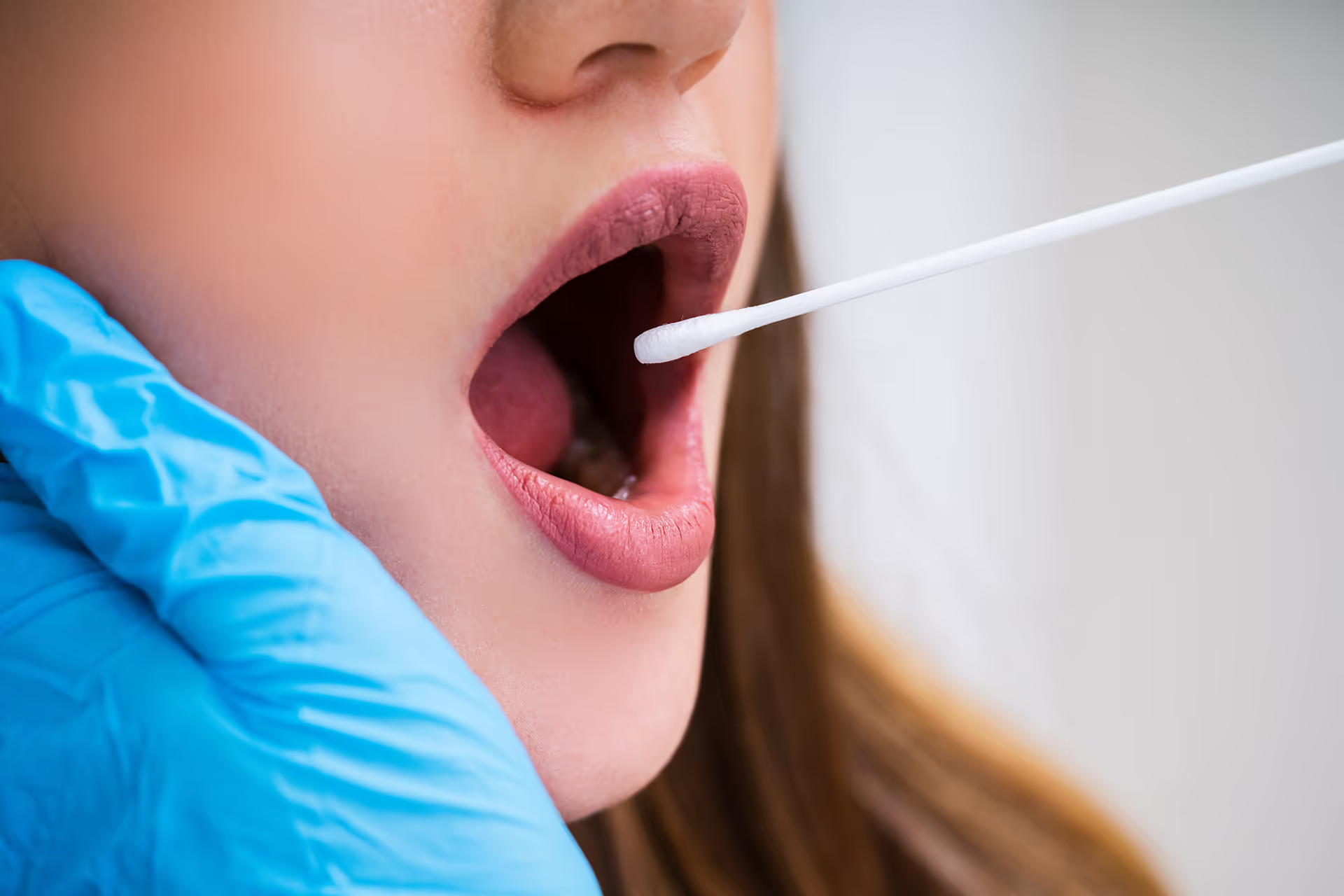
Salivary testing is commonly used to diagnose persistent gum inflammation or bone loss and to identify patients, both children and adults, who have a high risk of cavities. It also guides periodontal therapy, implant planning, and ongoing care for patients with chronic health conditions that affect oral health. This makes it a powerful tool for creating more personalized and proactive dental treatment plans.
Salivary testing is commonly used to diagnose persistent gum inflammation or bone loss and to identify patients, both children and adults, who have a high risk of cavities. It also guides periodontal therapy, implant planning, and ongoing care for patients with chronic health conditions that affect oral health. This makes it a powerful tool for creating more personalized and proactive dental treatment plans.

Yes. By identifying risks early and monitoring changes over time, salivary testing helps prevent disease before symptoms develop and supports long-term oral and overall health.
Results allow Dr. Timin to customize your care with targeted therapies, preventive strategies, and follow-up plans based on your unique oral microbiome and risk profile.
Salivary testing is especially helpful for patients with recurrent cavities, gum disease, implants, unexplained inflammation, or chronic health conditions, as well as anyone interested in a more personalized approach to dental care.
Salivary testing identifies specific bacteria, inflammatory markers, pH levels, and enzymes that are not visible during a routine exam, helping uncover hidden risks for cavities, gum disease, and systemic inflammation.
Salivary testing is simple and non-invasive. A small saliva sample is collected in the office and sent for analysis, with no needles, discomfort, or special preparation required.