NEW
DNA DENTAL DALLAS IS REBRANDING TO REDEFINE DENTAL AESTHETIC AND WELLNESS CENTER
DNA DENTAL DALLAS IS REBRANDING TO REDEFINE DENTAL



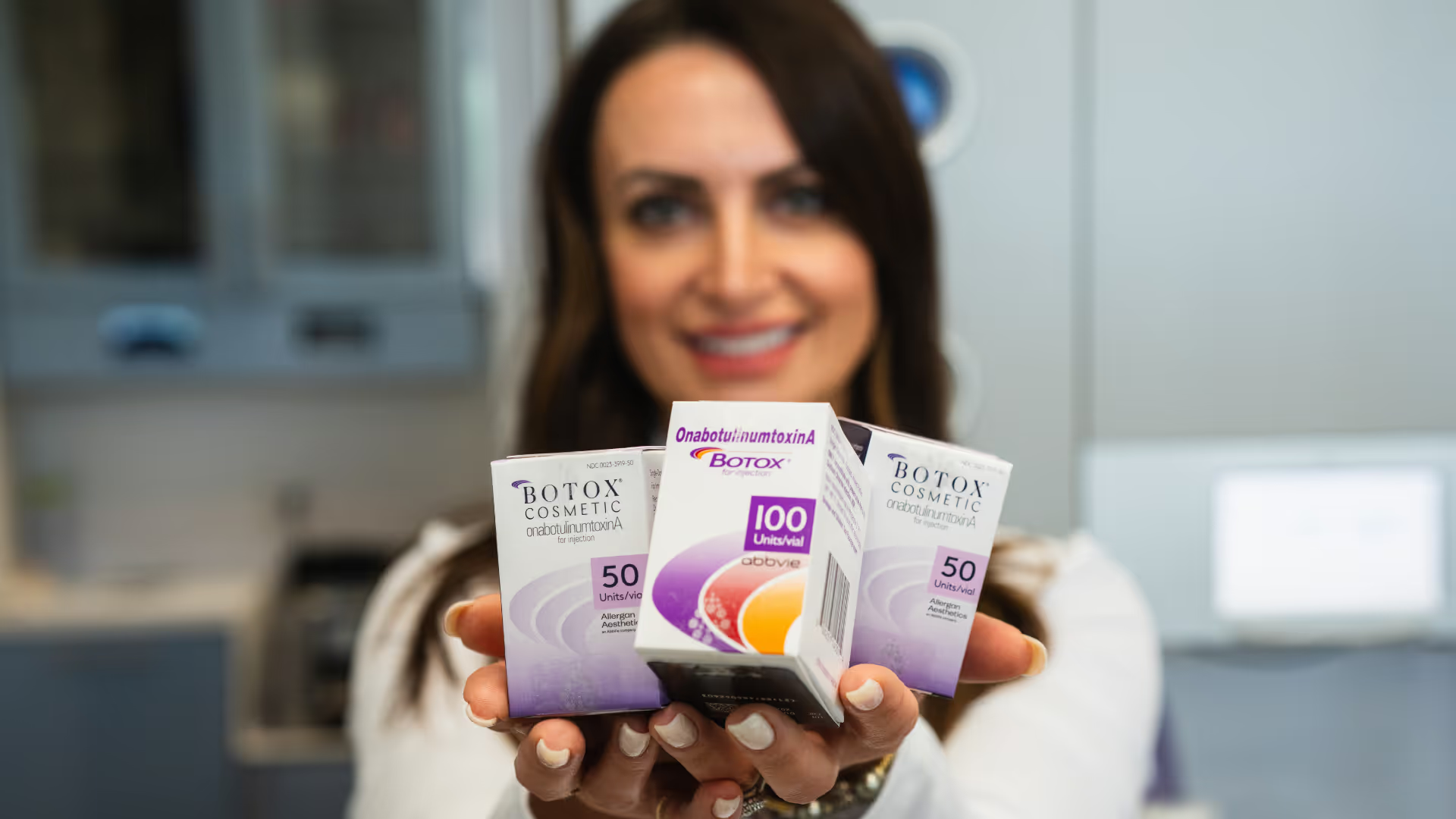
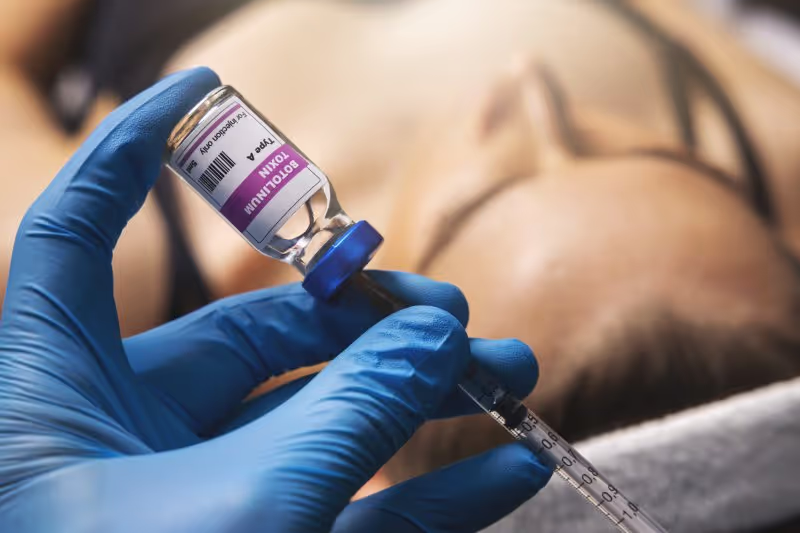
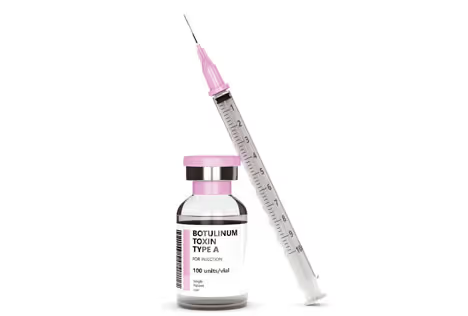
Botox is a purified protein that relaxes overactive muscles by temporarily blocking the nerve signals that cause them to contract. That simple mechanism produces two very different results: relief from muscle-driven pain, and smoother facial expression.
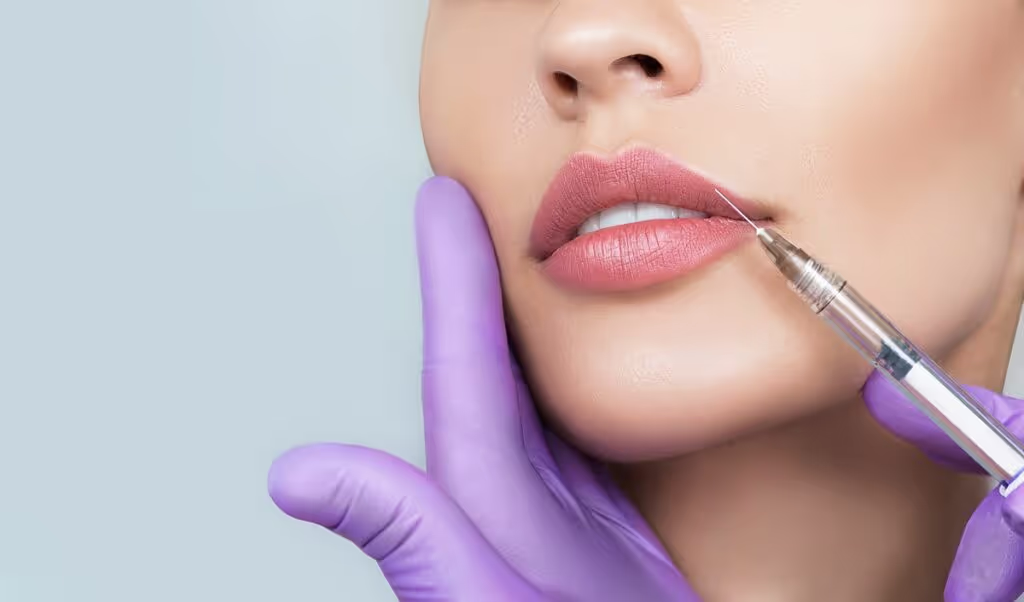
In a dental practice, Botox is used therapeutically for TMJ pain, bruxism, and chronic tension headaches, and cosmetically to soften forehead lines, crow's feet, and gummy smiles. The same tool, two very different goals.
Botox is a purified protein that relaxes overactive muscles by temporarily blocking the nerve signals that cause them to contract. That simple mechanism produces two very different results: relief from muscle-driven pain, and smoother facial expression.
In a dental practice, Botox is used therapeutically for TMJ pain, bruxism, and chronic tension headaches, and cosmetically to soften forehead lines, crow's feet, and gummy smiles. The same tool, two very different goals.
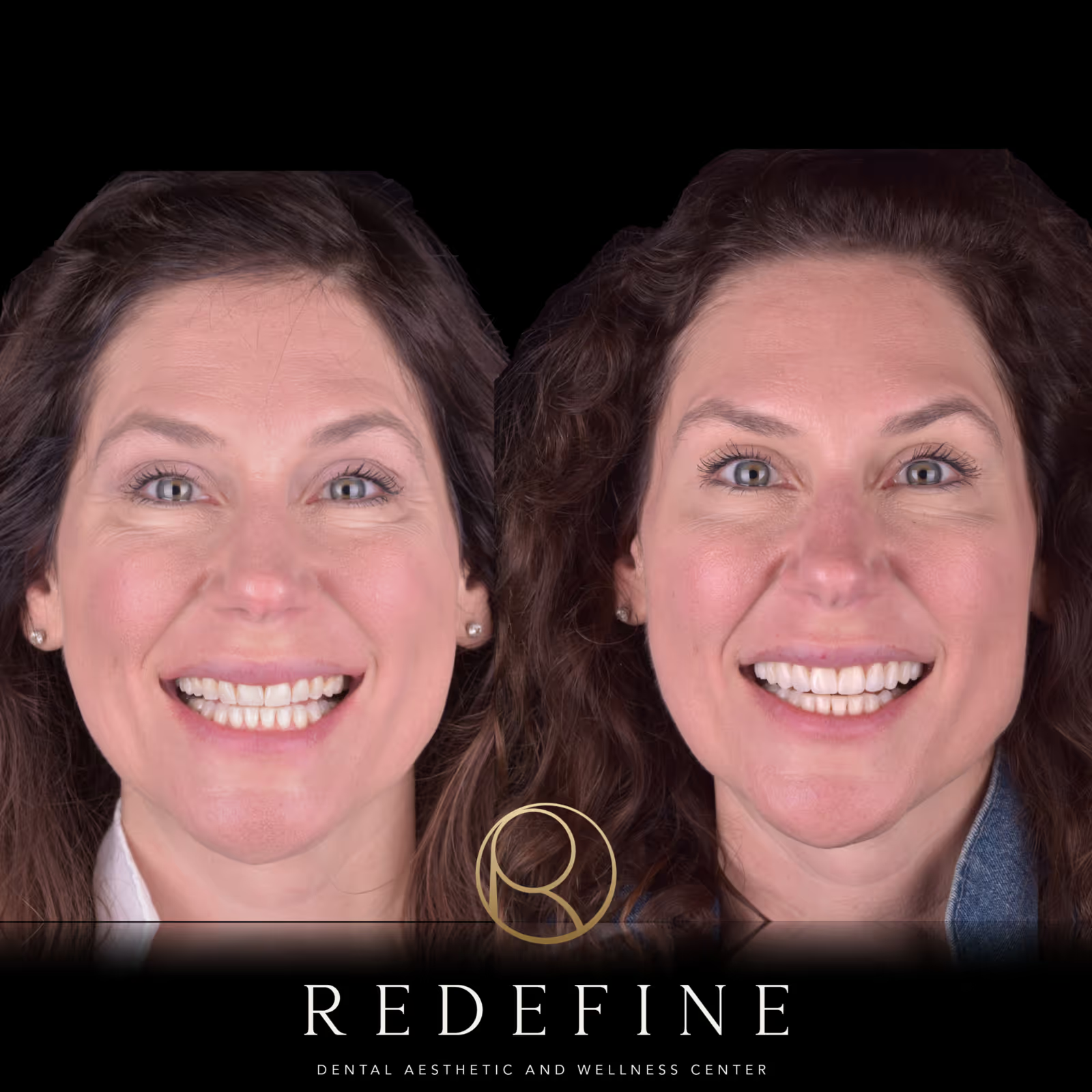
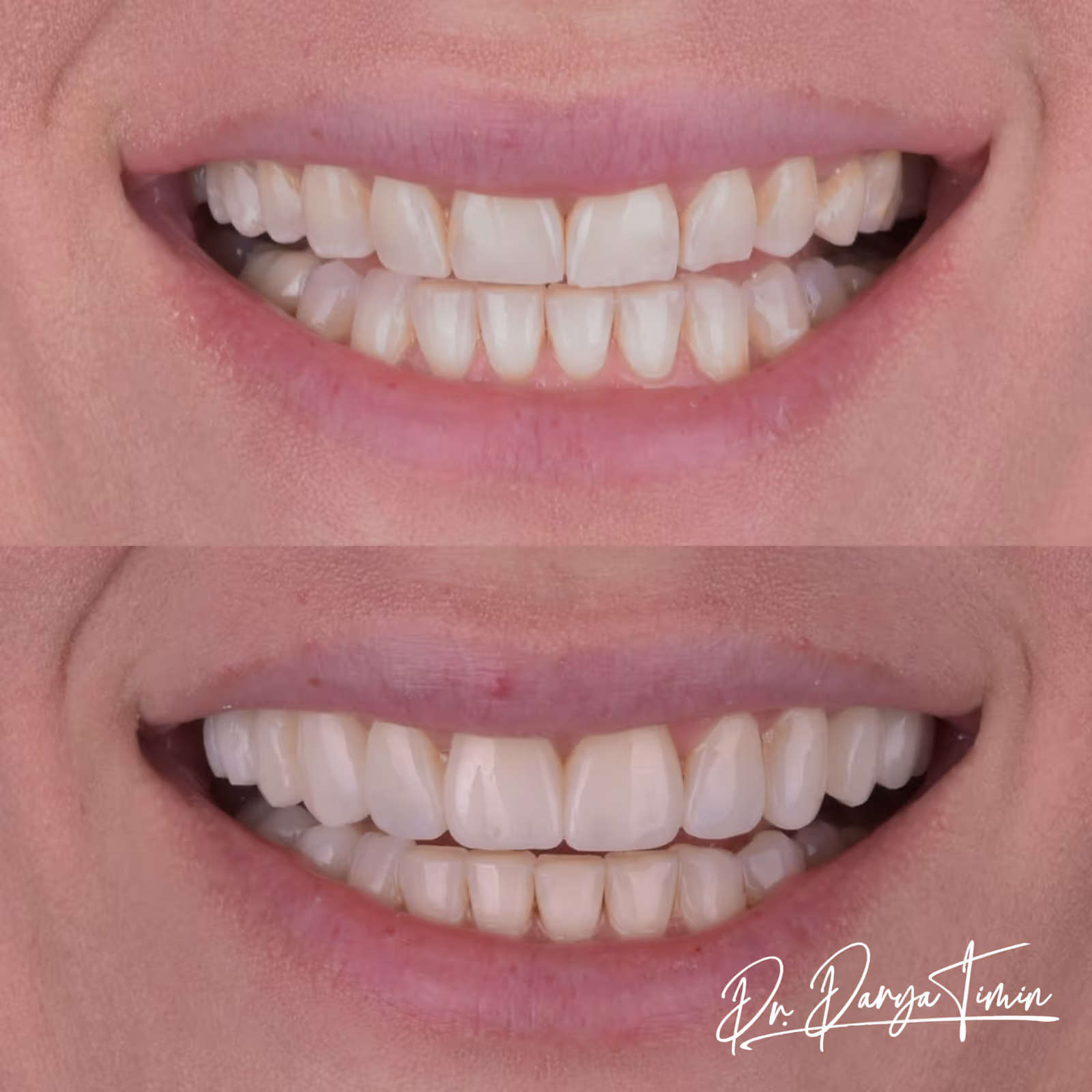
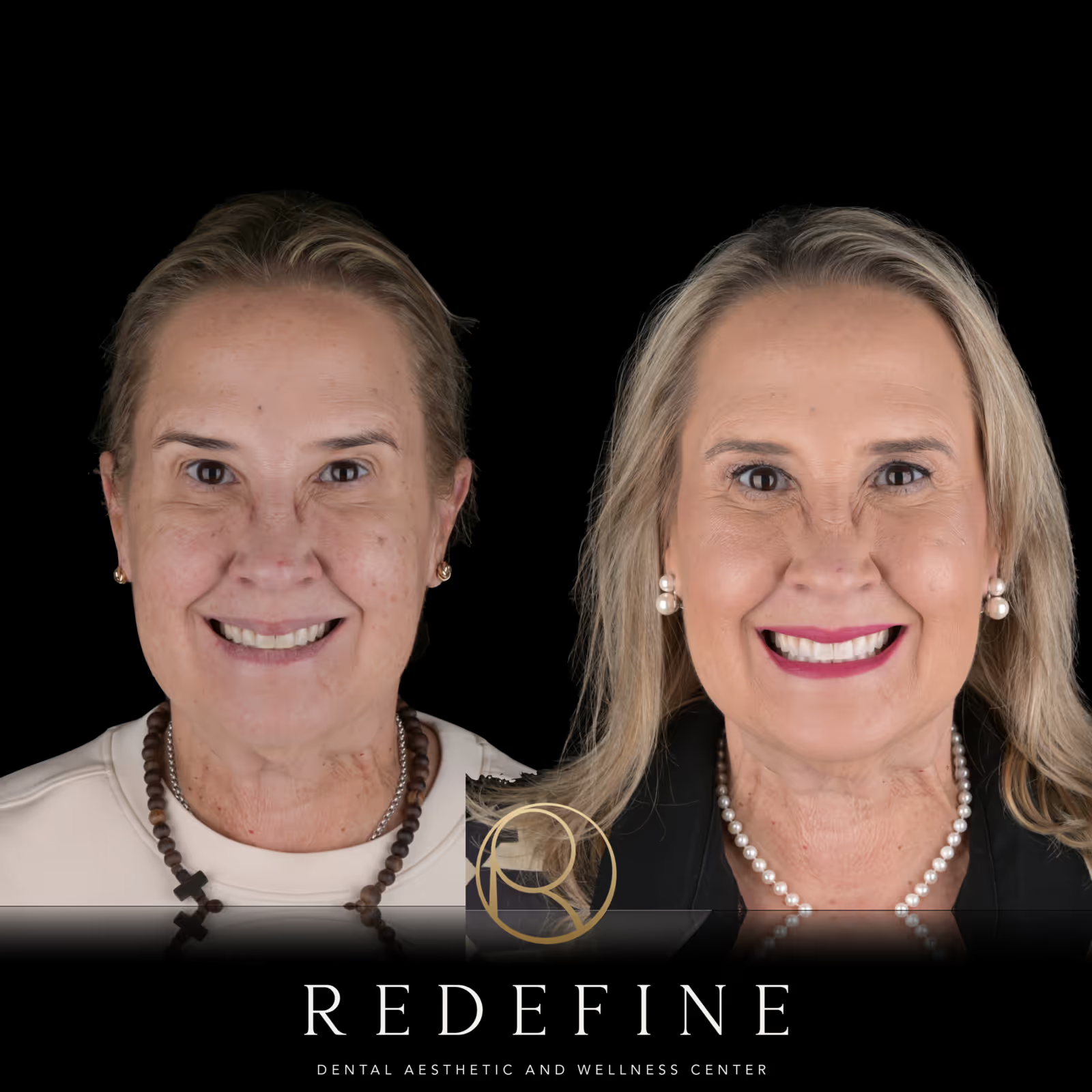
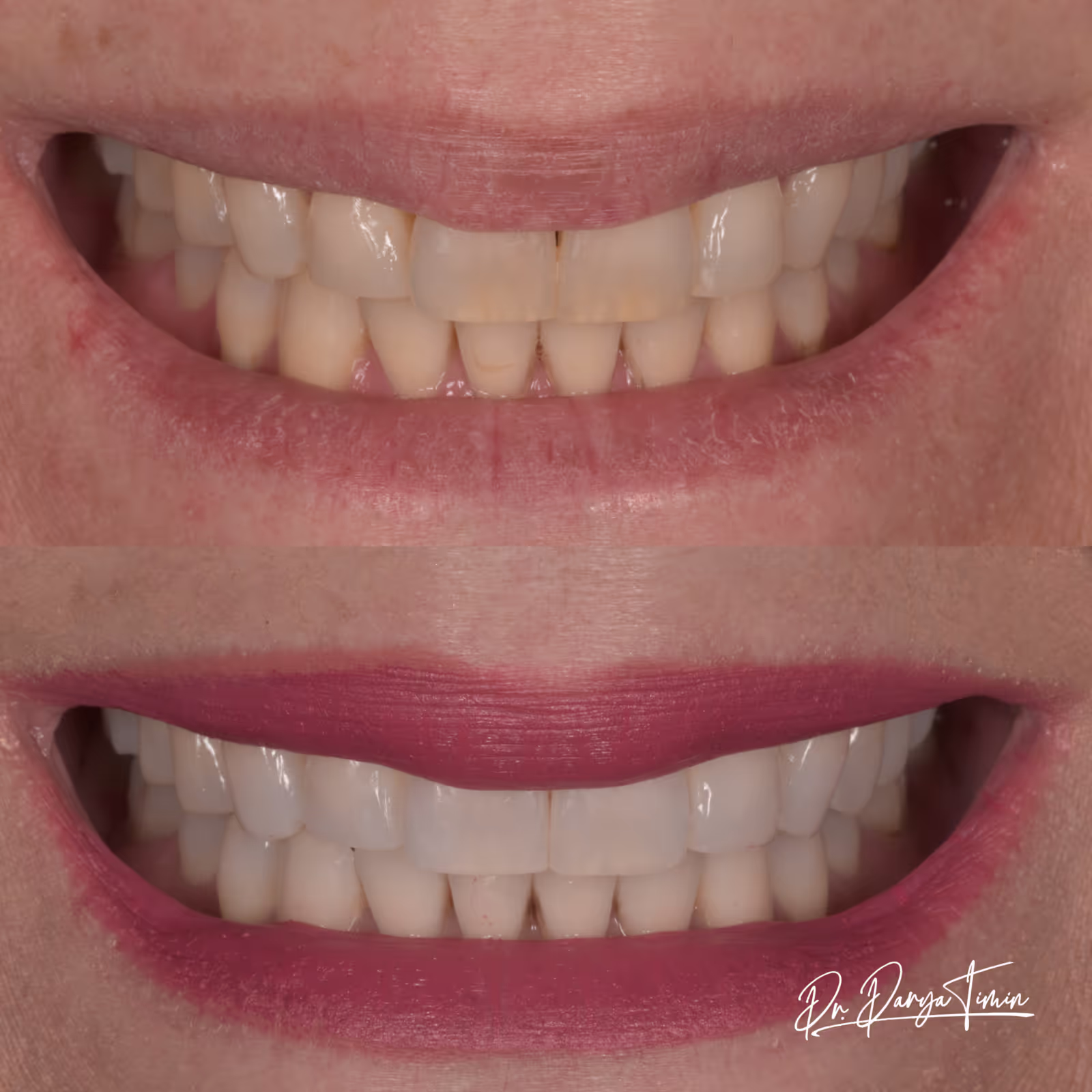
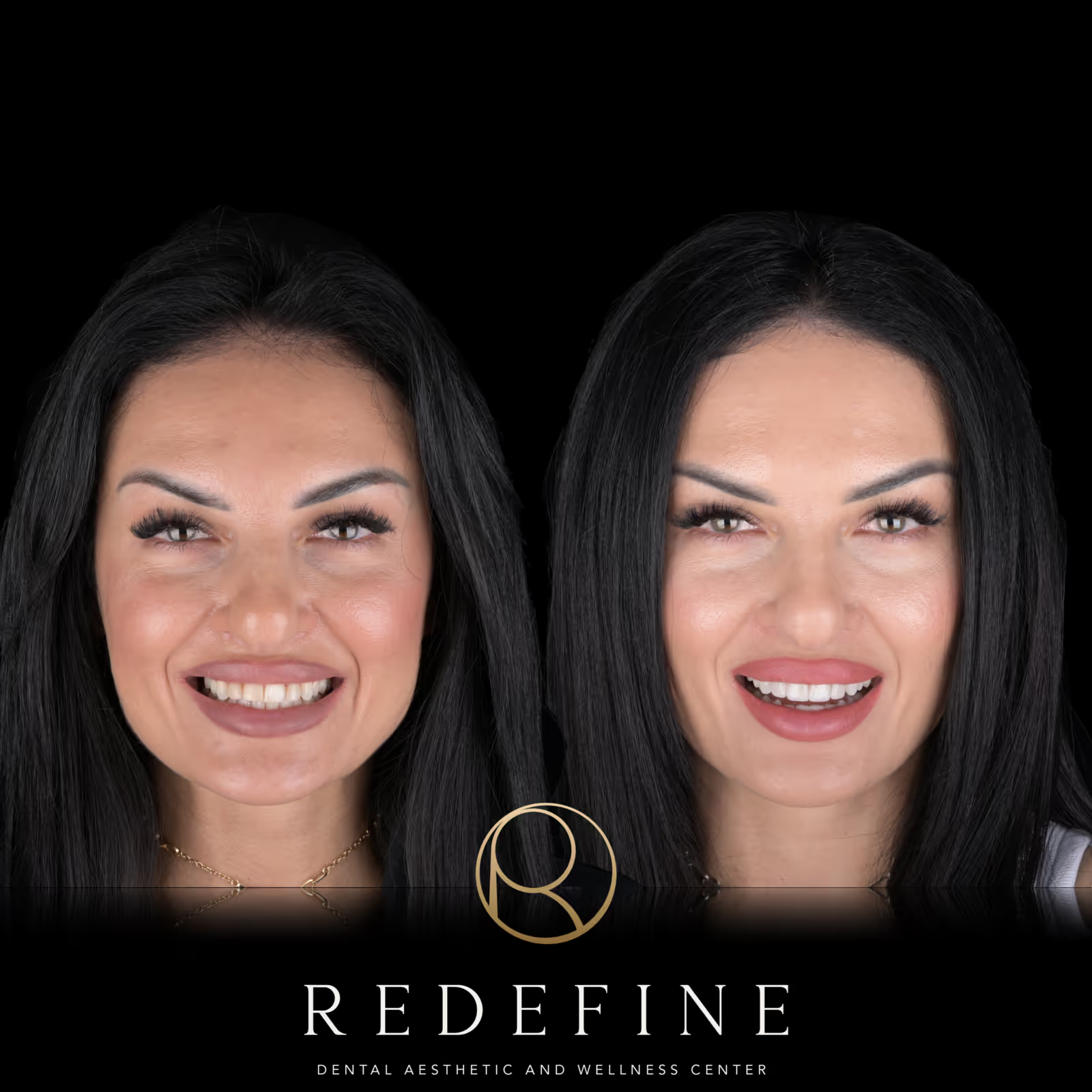
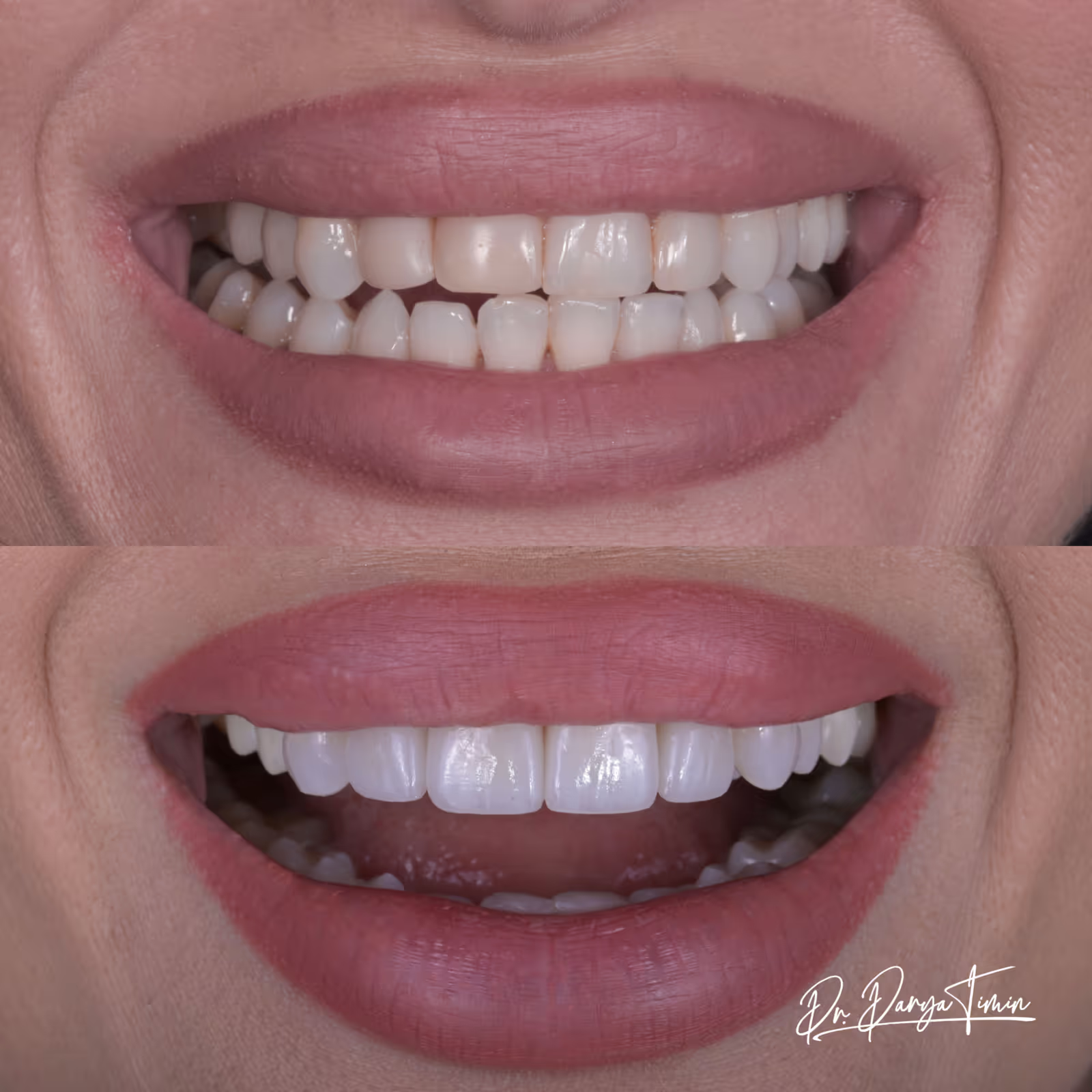
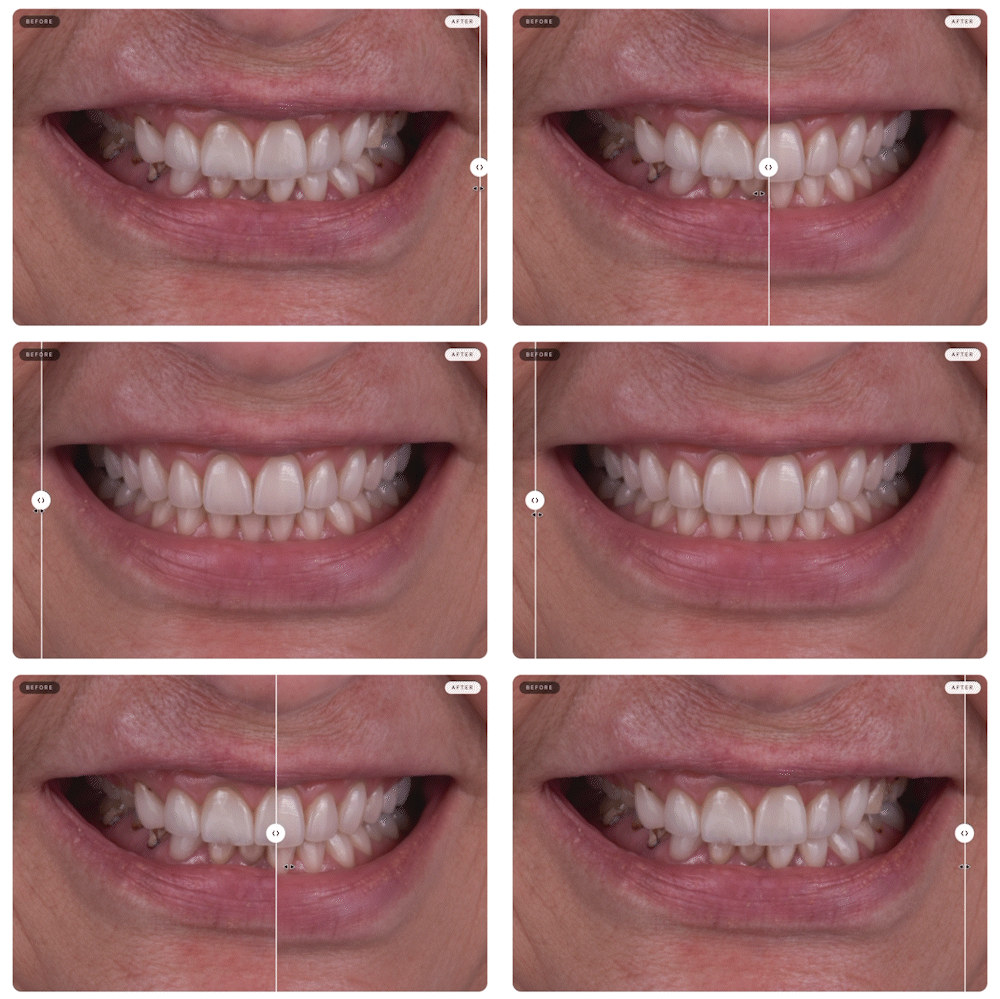
Hover over the picture to see Close Ups.
Dr. Timin reviews your medical history, examines the muscles being treated, discusses your goals, and confirms whether Botox is the right fit.
Dr. Timin reviews your medical history, examines the muscles being treated, discusses your goals, and confirms whether Botox is the right fit.
Dr. Timin reviews your medical history, examines the muscles being treated, discusses your goals, and confirms whether Botox is the right fit.
Dr. Timin reviews your medical history, examines the muscles being treated, discusses your goals, and confirms whether Botox is the right fit.
Using precise facial anatomy landmarks, Dr. Timin injects a specific dose at each site. The whole appointment takes about 10 to 15 minutes.
Results appear in 3 to 7 days and stabilize by the two-week mark. Most patients return every 3 to 4 months for maintenance dosing.
Therapeutic Botox focuses on relieving pain and muscle-related dental concerns by relaxing overactive muscles, making it effective for TMJ disorders, jaw tension, headaches, facial pain, bruxism, and post-surgical muscle spasms. Cosmetic Botox, on the other hand, is designed to soften expression lines and enhance facial aesthetics by targeting forehead lines, frown lines, crow's feet, bunny lines, lip lines, gummy smiles, and even aiding in jawline contouring. Together, both approaches give patients relief from muscle-driven pain alongside refined facial balance.
Therapeutic Botox focuses on relieving pain and muscle-related dental concerns by relaxing overactive muscles, making it effective for TMJ disorders, jaw tension, headaches, facial pain, bruxism, and post-surgical muscle spasms. Cosmetic Botox, on the other hand, is designed to soften expression lines and enhance facial aesthetics by targeting forehead lines, frown lines, crow's feet, bunny lines, lip lines, gummy smiles, and even aiding in jawline contouring. Together, both approaches give patients relief from muscle-driven pain alongside refined facial balance.

Relieves tension

Reduces jaw pain

Protects your teeth

Complements TMJ therapy
.avif)
Botox is a good fit for adults with measurable jaw muscle tension, chronic morning headaches, audible grinding or clenching, or a gummy smile caused by overactive upper lip muscles. It's also well suited for patients who want cosmetic softening of forehead lines, crow's feet, or bunny lines from someone trained in facial anatomy.
It's not the right first step for joint-driven TMJ pain, pregnancy or breastfeeding, or certain neuromuscular conditions. The consultation is where we confirm which category fits.
Dr. Darya Timin is a Kois Center graduate with formal training in facial anatomy, jaw mechanics, and oral-facial aesthetics. That clinical foundation matters more than most patients realize. The margin for error on upper-lip and masseter injections is measured in millimeters.
At Redefine Dental, every Botox appointment starts with a full diagnostic conversation. For therapeutic cases (TMJ, bruxism, tension headaches), she looks at the underlying cause, not just the symptom. For cosmetic cases, she designs a dose that softens expression lines without freezing natural movement.
Most patients leave with the same experience: a precise, comfortable 15-minute treatment, and results that look like a refined version of their own face.

Botox is a good fit for adults with measurable jaw muscle tension, chronic morning headaches, audible grinding or clenching, or a gummy smile caused by overactive upper lip muscles. It's also well suited for patients who want cosmetic softening of forehead lines, crow's feet, or bunny lines from someone trained in facial anatomy.
It's not the right first step for joint-driven TMJ pain, pregnancy or breastfeeding, or certain neuromuscular conditions. The consultation is where we confirm which category fits.
Dr. Darya Timin is a Kois Center graduate with formal training in facial anatomy, jaw mechanics, and oral-facial aesthetics. That clinical foundation matters more than most patients realize. The margin for error on upper-lip and masseter injections is measured in millimeters.
At Redefine Dental, every Botox appointment starts with a full diagnostic conversation. For therapeutic cases (TMJ, bruxism, tension headaches), she looks at the underlying cause, not just the symptom. For cosmetic cases, she designs a dose that softens expression lines without freezing natural movement.
Most patients leave with the same experience: a precise, comfortable 15-minute treatment, and results that look like a refined version of their own face.
Dentists have extensive training in facial anatomy, jaw mechanics, and oral facial balance. This expertise allows Dr. Timin to deliver precise, natural looking results that support both facial aesthetics and functional comfort.
Botox injections are quick and well tolerated, usually taking 10 to 15 minutes. There is little to no downtime, and most patients return to work or normal activity the same day.
Most patients begin noticing improvement within 3 to 7 days after treatment. Results typically last about 3 to 4 months, after which maintenance treatments can help preserve the benefits.
Cosmetic Botox focuses on softening facial lines and enhancing appearance, while therapeutic Botox targets muscle related pain and functional issues. Both use the same medication but are applied differently based on treatment goals.
Therapeutic Botox is commonly used to relieve TMJ disorders, jaw tension, chronic headaches, facial pain, teeth grinding, and muscle spasms by relaxing overactive facial and jaw muscles.