NEW
DNA DENTAL DALLAS IS REBRANDING TO REDEFINE DENTAL AESTHETIC AND WELLNESS CENTER
DNA DENTAL DALLAS IS REBRANDING TO REDEFINE DENTAL



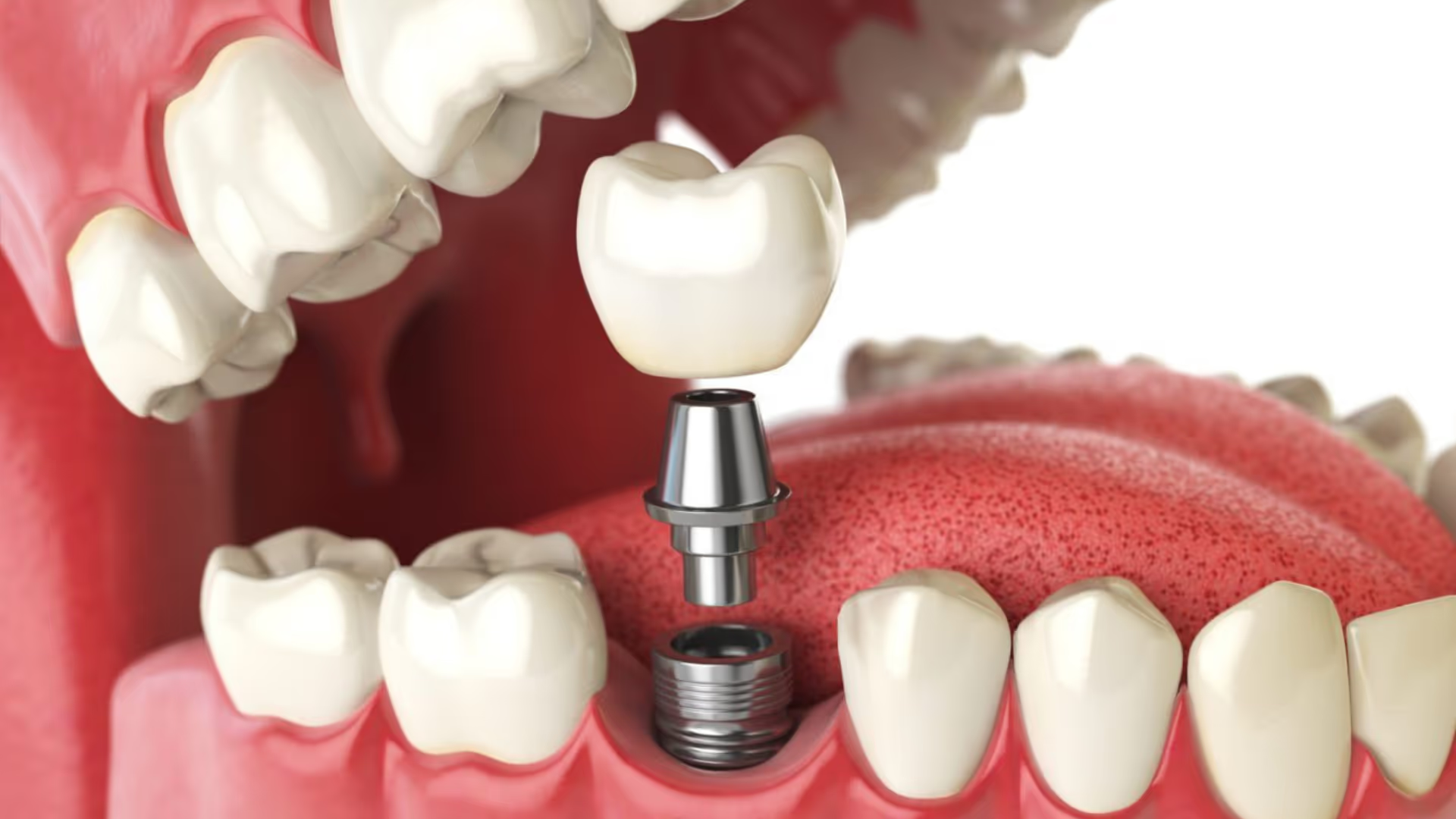
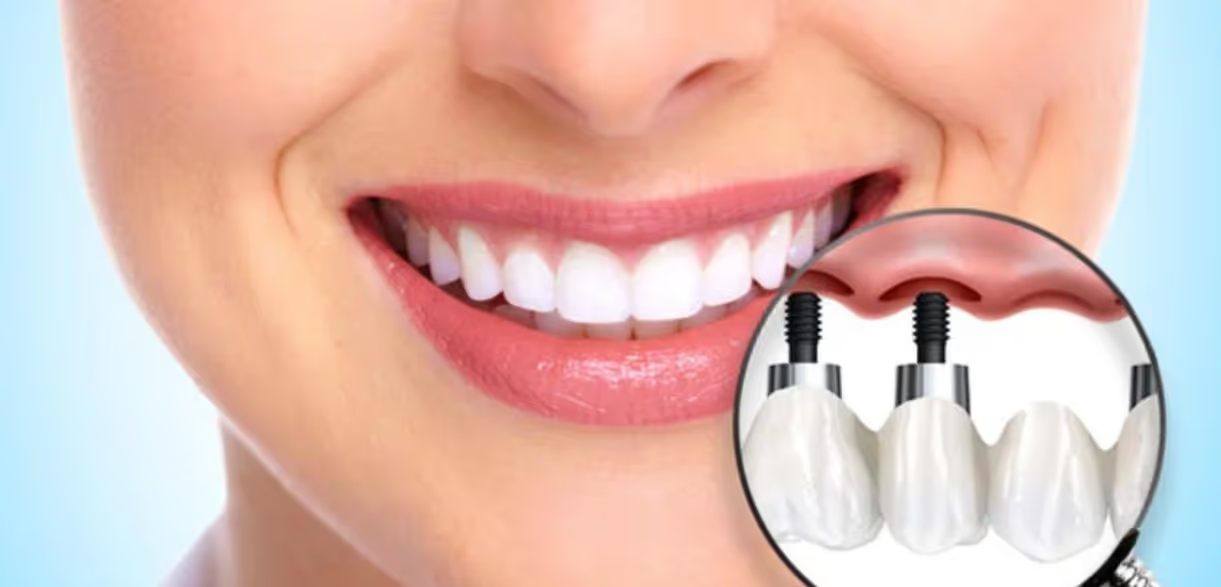
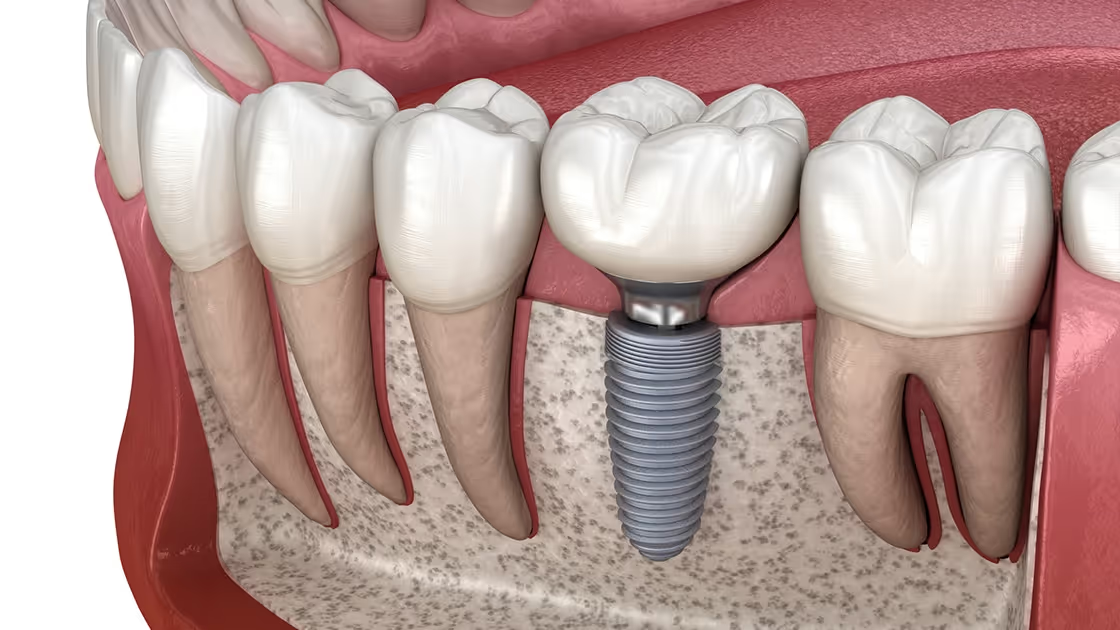
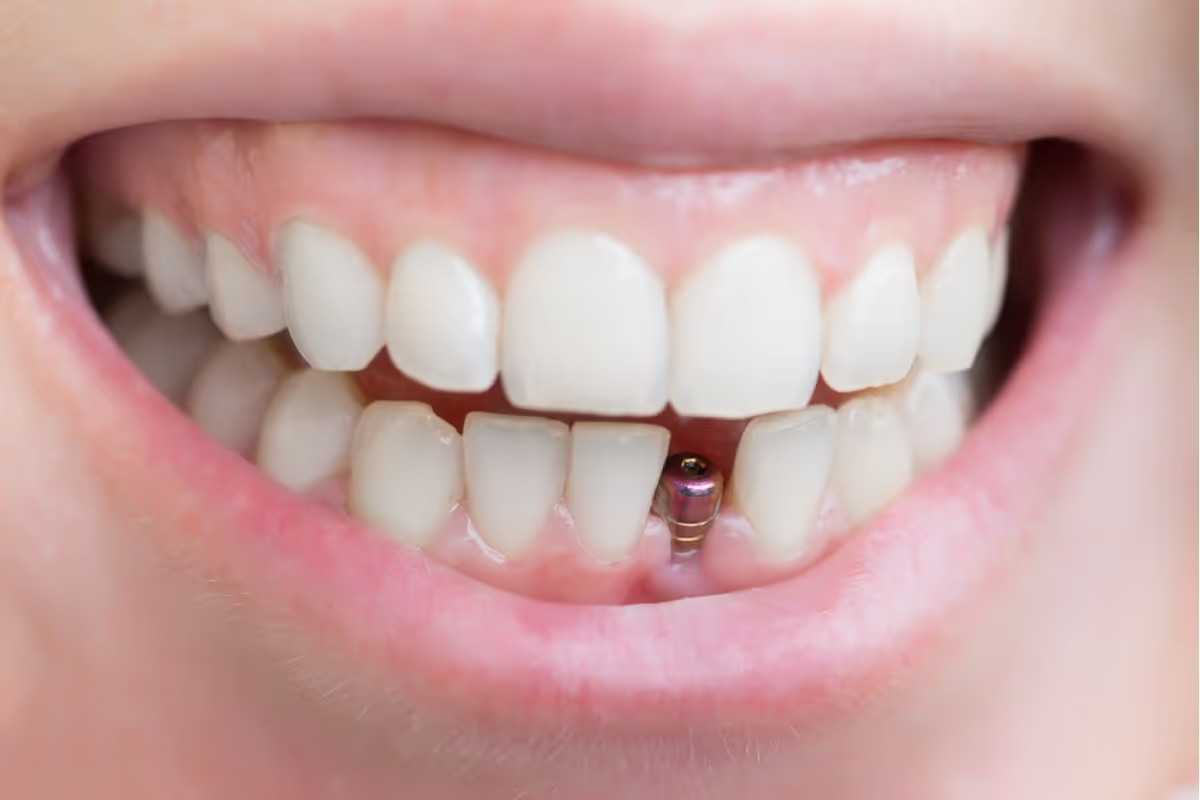
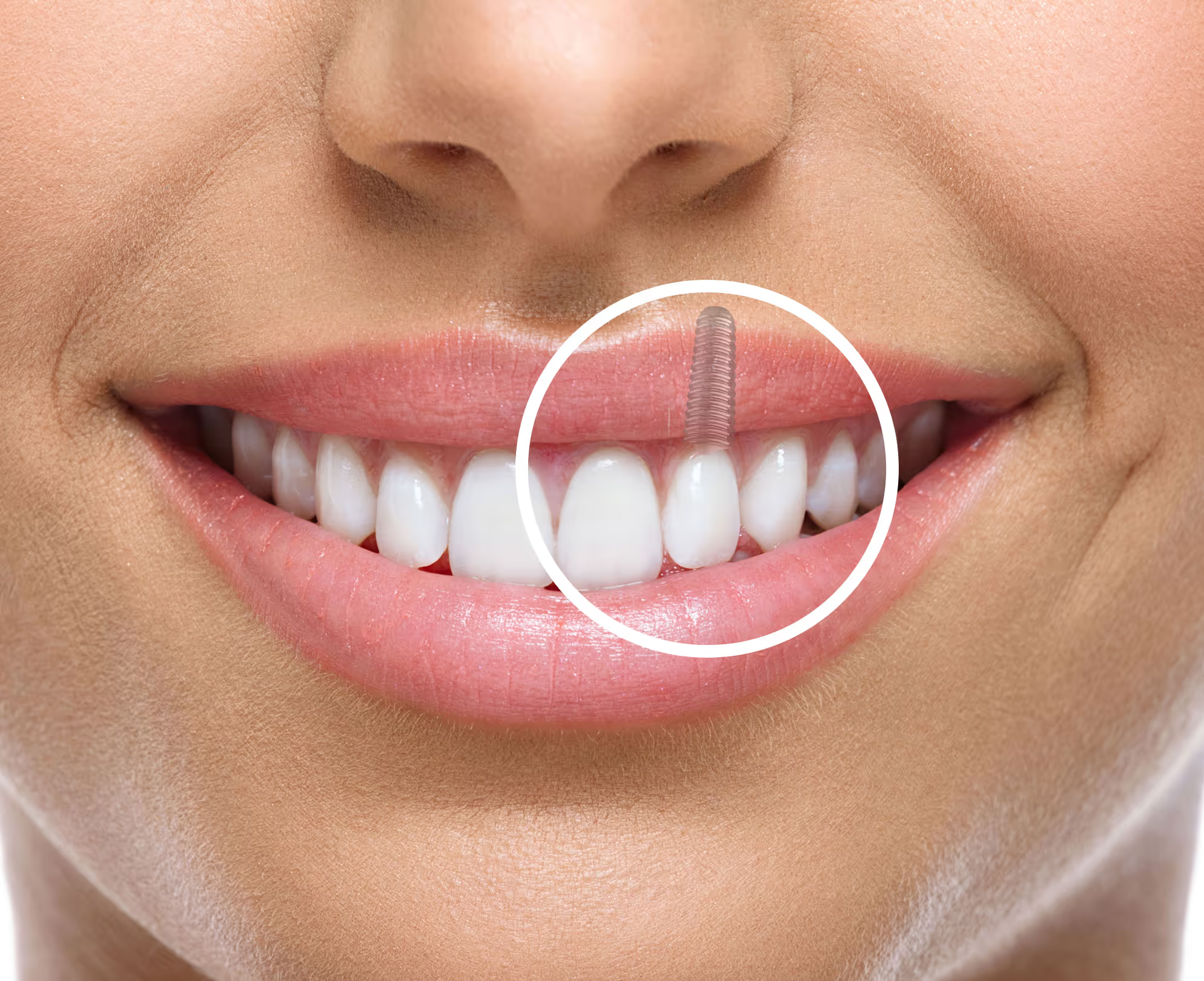
Dental implants are titanium posts surgically placed into the jawbone to act as artificial tooth roots. Once the bone integrates with the post, a crown, bridge, or denture is attached on top to replace one or more missing teeth.
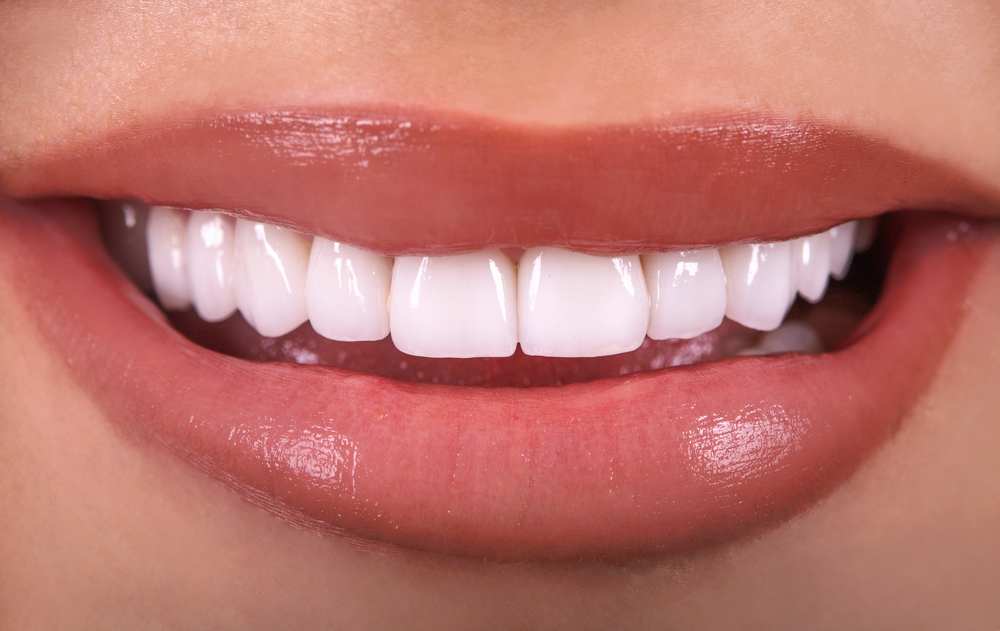
A well-placed implant looks, feels, and chews like a natural tooth, and it stops the jawbone loss that normally follows tooth loss.
Dental implants are titanium posts surgically placed into the jawbone to act as artificial tooth roots. Once the bone integrates with the post, a crown, bridge, or denture is attached on top to replace one or more missing teeth.
A well-placed implant looks, feels, and chews like a natural tooth, and it stops the jawbone loss that normally follows tooth loss.
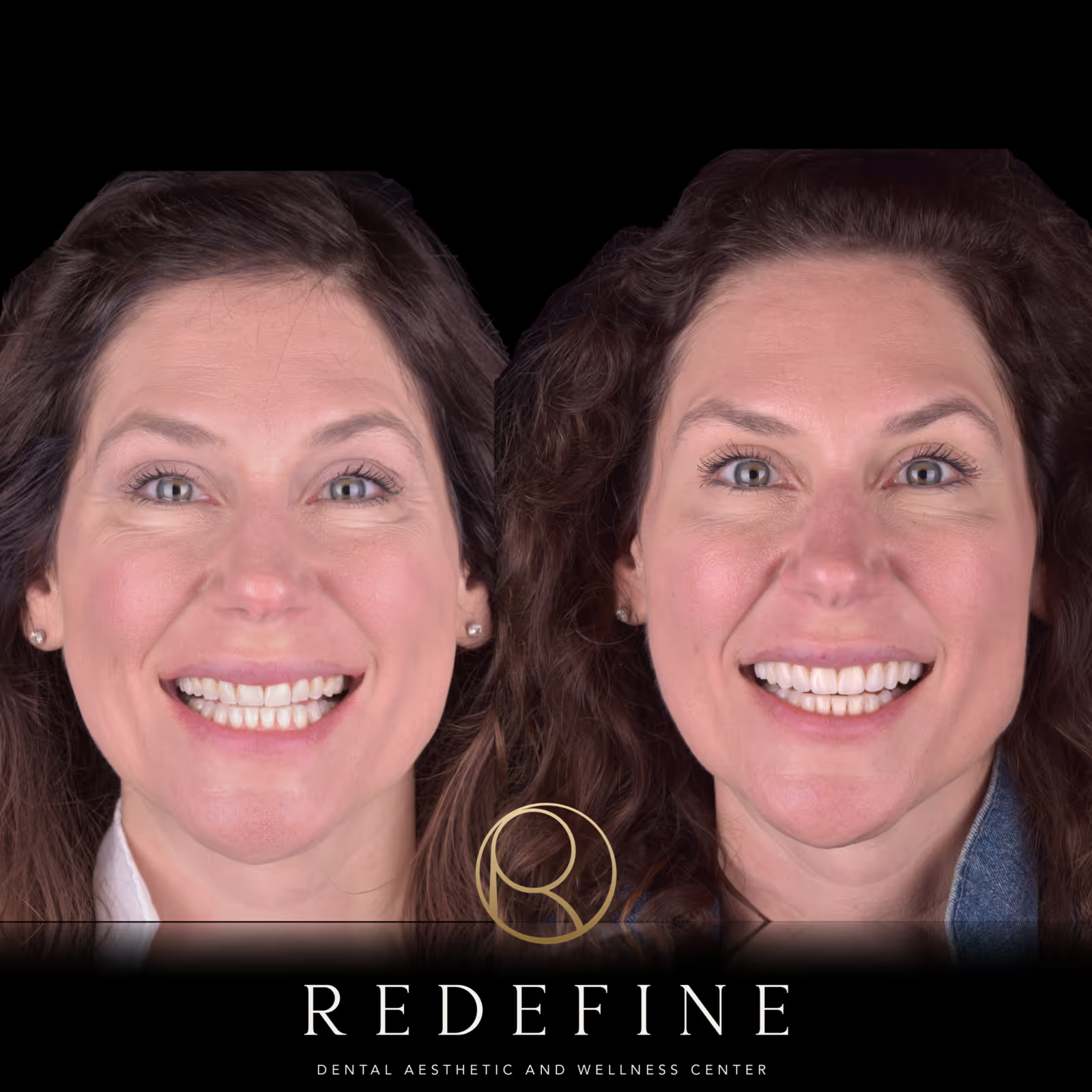
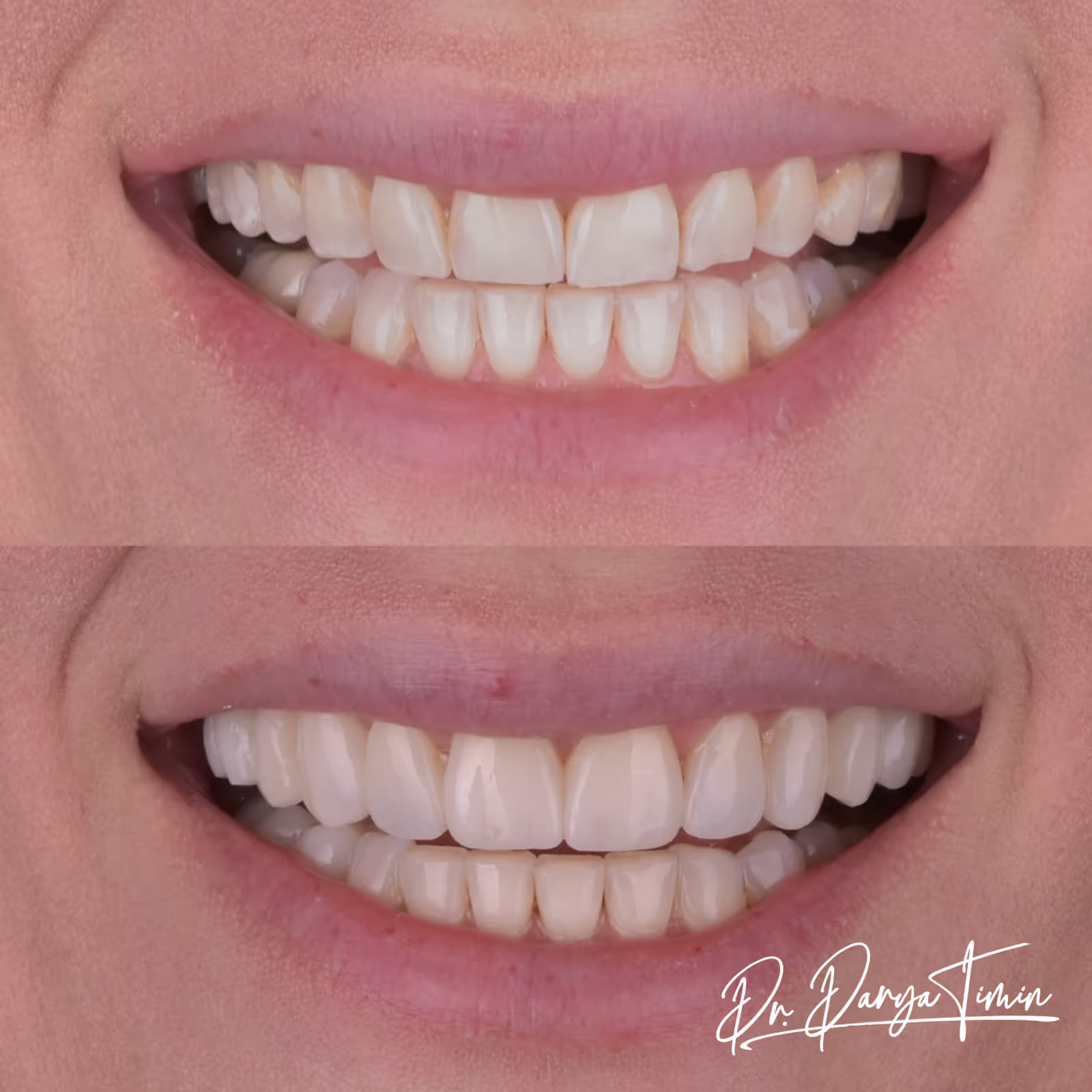
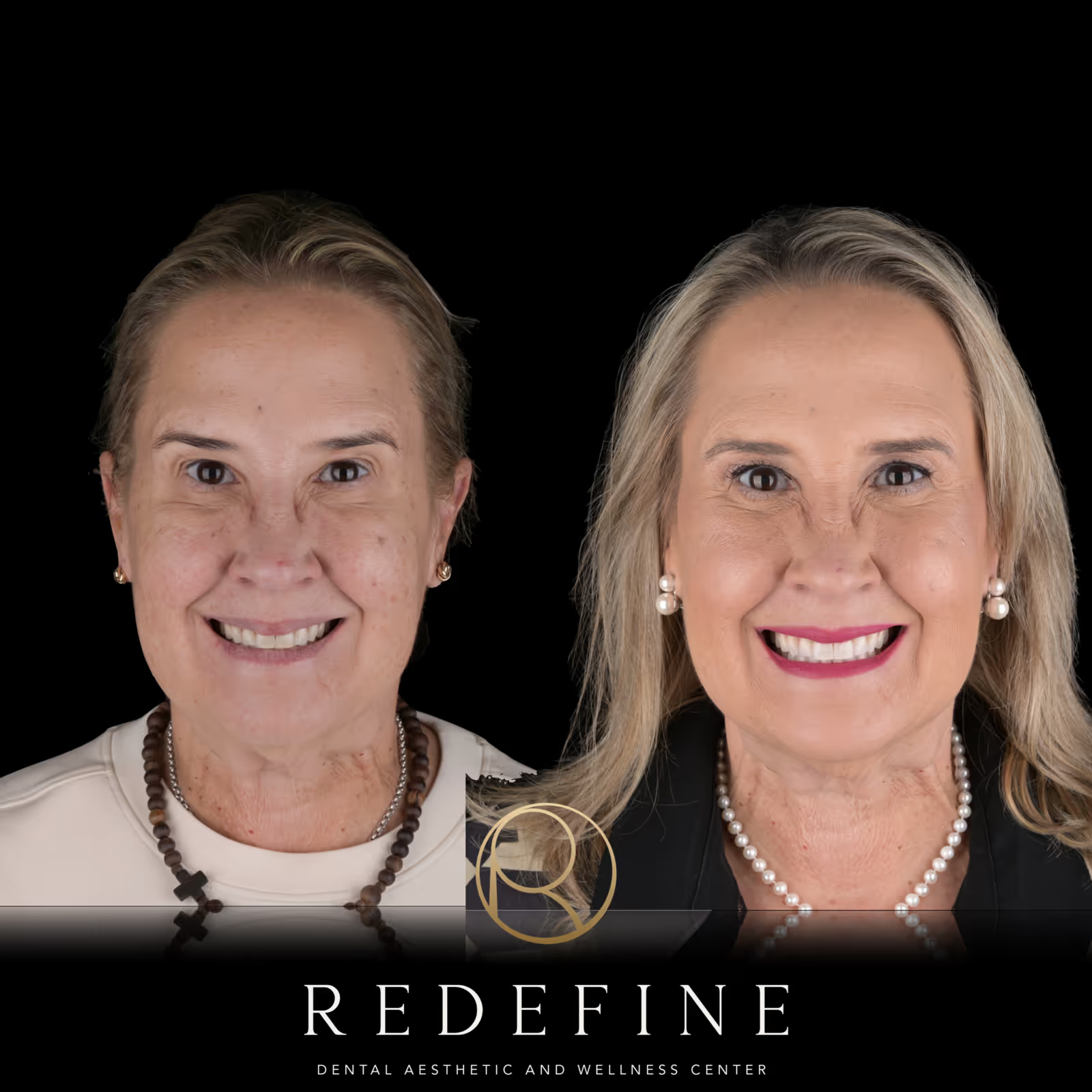
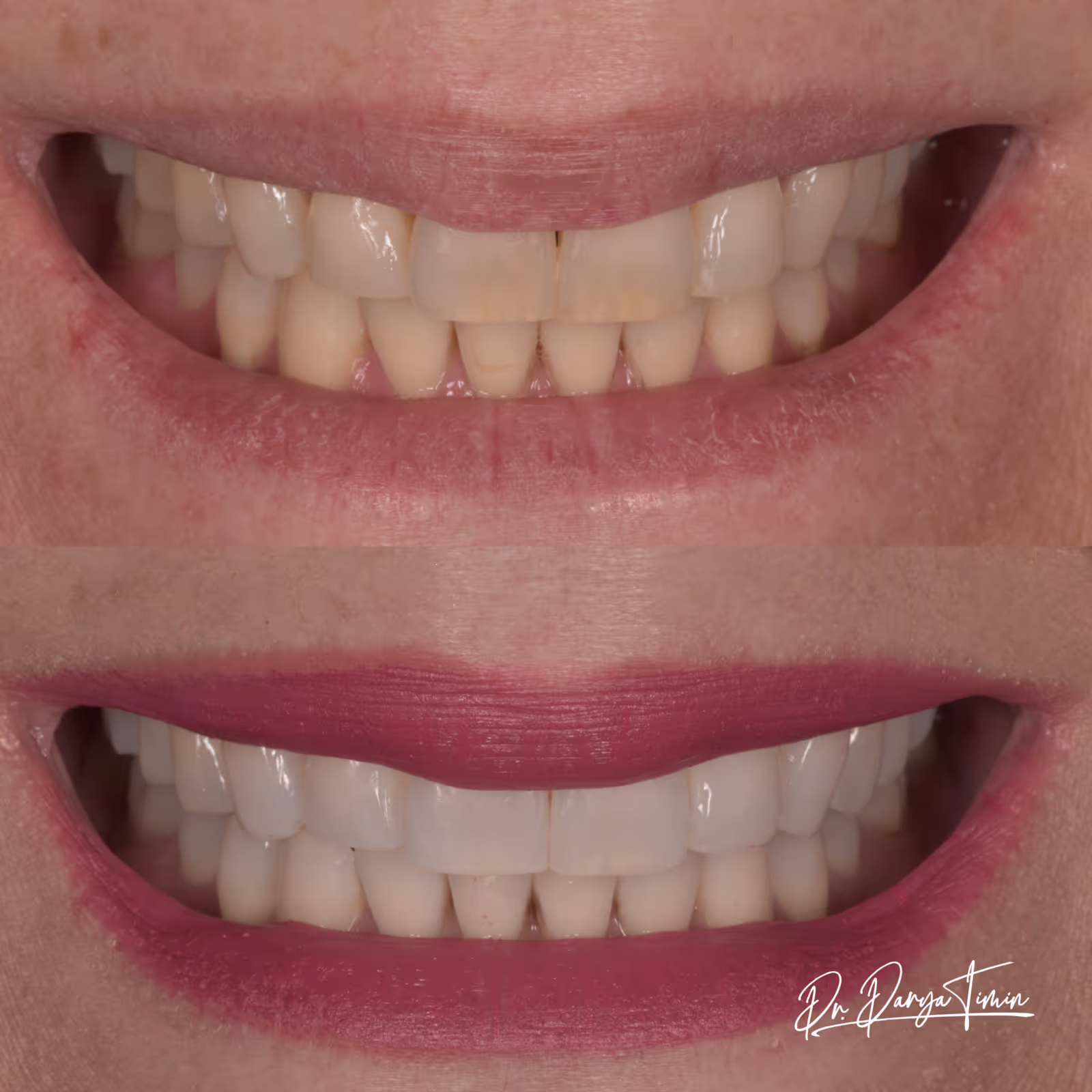

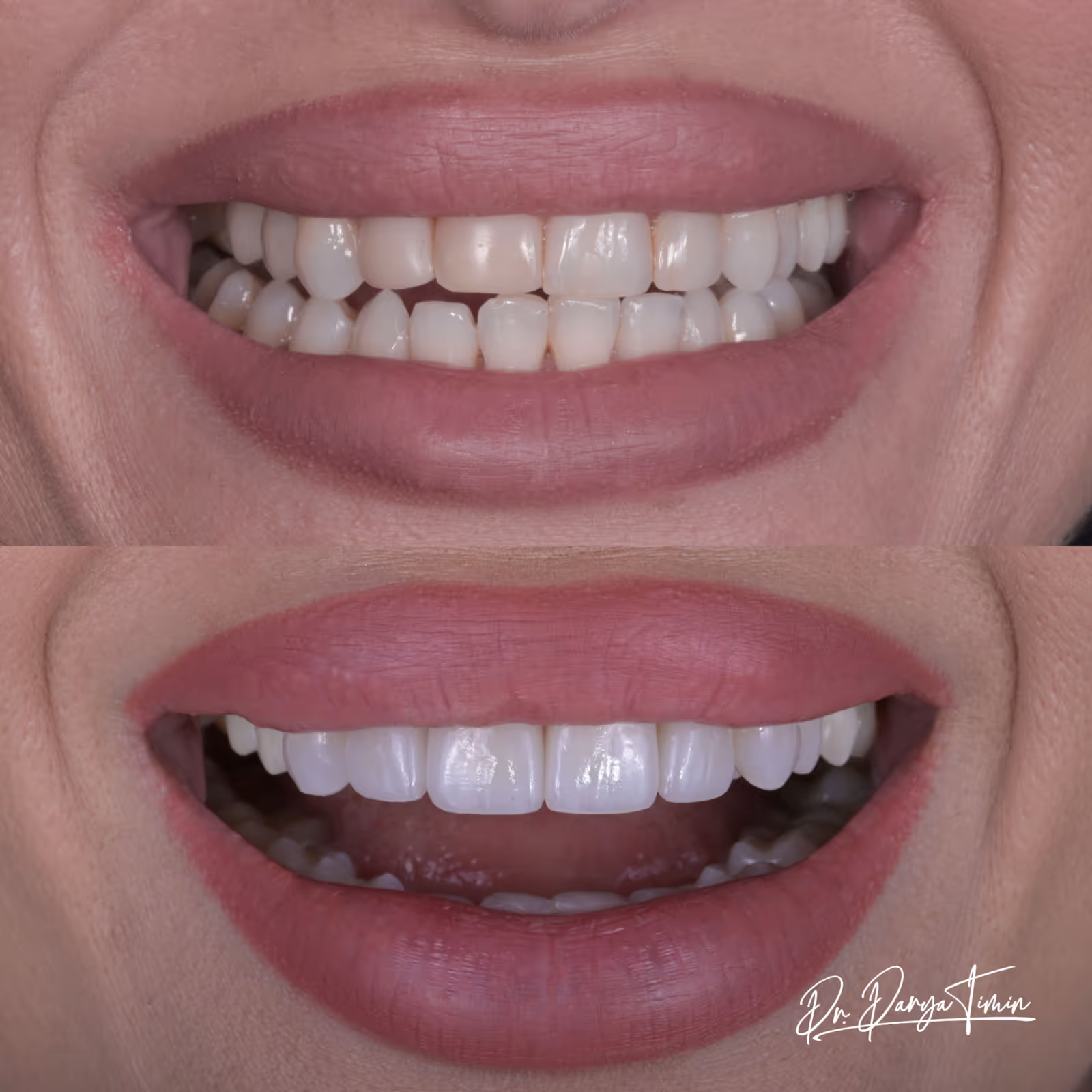
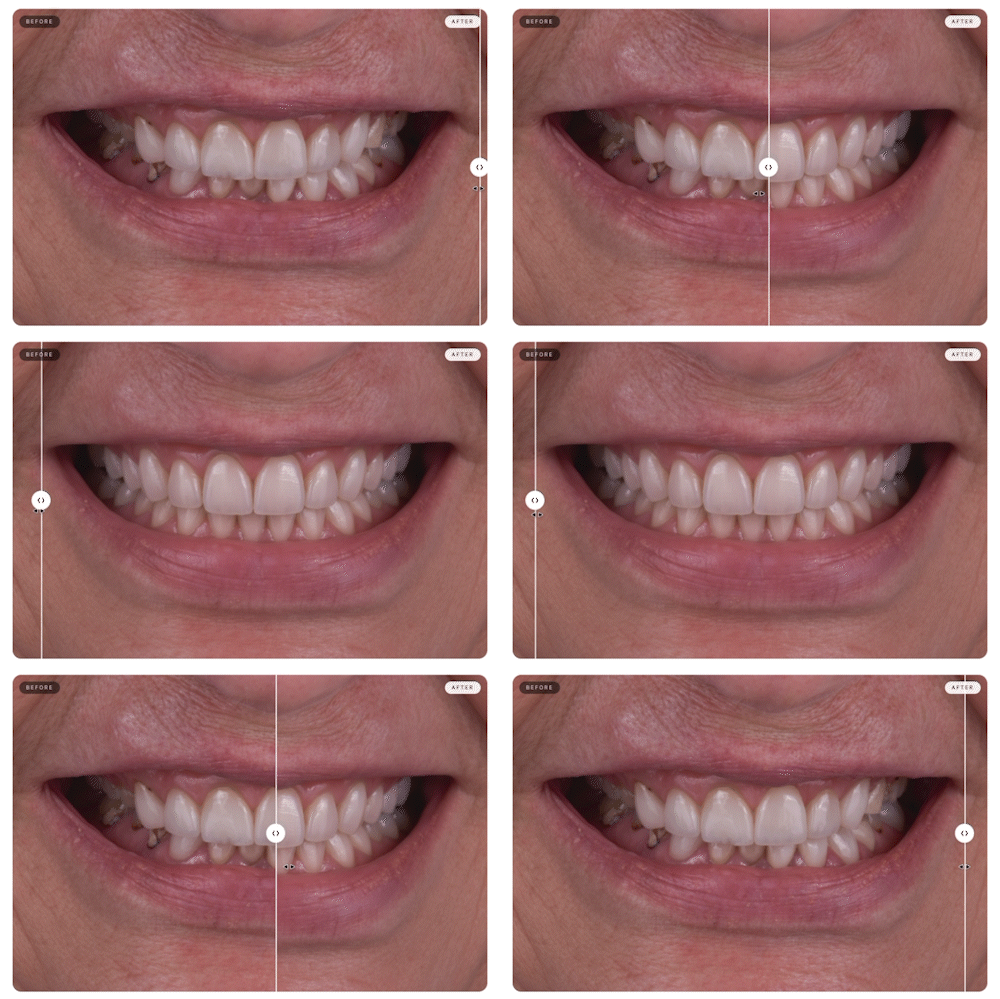
Hover over the picture to see Close Ups.
Dr. Timin reviews your medical history, takes a CBCT scan, and maps the implant position digitally before any surgical step.
Dr. Timin reviews your medical history, takes a CBCT scan, and maps the implant position digitally before any surgical step.
Dr. Timin reviews your medical history, takes a CBCT scan, and maps the implant position digitally before any surgical step.
Dr. Timin reviews your medical history, takes a CBCT scan, and maps the implant position digitally before any surgical step.
The titanium post is placed under local anesthesia or sedation. Osseointegration then takes 3 to 6 months as the bone fuses with the post.
A custom crown, bridge, or denture is attached once integration is confirmed. With good hygiene, implants commonly last 20+ years.
1. Consultation & Planning – Digital scans and imaging to assess your jaw and plan placement
2. Implant Placement – A small titanium post is surgically placed into the jawbone
3. Healing & Osseointegration – Over 3–6 months, the implant fuses with the bone for stability
4. Abutment & Crown Placement – A connector (abutment) is placed, then a custom crown, bridge, or denture is attached
1. Consultation & Planning – Digital scans and imaging to assess your jaw and plan placement
2. Implant Placement – A small titanium post is surgically placed into the jawbone
3. Healing & Osseointegration – Over 3–6 months, the implant fuses with the bone for stability
4. Abutment & Crown Placement – A connector (abutment) is placed, then a custom crown, bridge, or denture is attached

Natural appearance

Long-lasting results

Improves speech

Boosts confidence
Most healthy adults missing one or more teeth are candidates, especially patients who want a permanent option rather than a removable appliance. Sufficient jawbone volume, healthy gums, and general health that supports healing are the main requirements.
Bone grafting may be needed first for patients who lost teeth years ago and have seen the underlying bone shrink. Uncontrolled diabetes, heavy smoking, and certain medications can also delay candidacy until those factors are addressed.
Dr. Darya Timin places implants as the anchor of a longer restorative plan. Her Kois Center training shapes how she approaches bite force, occlusion, and the prosthetic design that sits on top, which is often the difference between a 10-year implant and a 25-year implant.
Every case at Redefine Dental starts with a CBCT scan and a digital surgical plan. The angle, depth, and position are mapped in three dimensions before placement, not chosen in real time.
The result is an implant that disappears into the mouth, functionally and aesthetically, and holds up to the real forces of a real bite.

Most healthy adults missing one or more teeth are candidates, especially patients who want a permanent option rather than a removable appliance. Sufficient jawbone volume, healthy gums, and general health that supports healing are the main requirements.
Bone grafting may be needed first for patients who lost teeth years ago and have seen the underlying bone shrink. Uncontrolled diabetes, heavy smoking, and certain medications can also delay candidacy until those factors are addressed.
Dr. Darya Timin places implants as the anchor of a longer restorative plan. Her Kois Center training shapes how she approaches bite force, occlusion, and the prosthetic design that sits on top, which is often the difference between a 10-year implant and a 25-year implant.
Every case at Redefine Dental starts with a CBCT scan and a digital surgical plan. The angle, depth, and position are mapped in three dimensions before placement, not chosen in real time.
The result is an implant that disappears into the mouth, functionally and aesthetically, and holds up to the real forces of a real bite.
Yes. Dental implants are designed to closely mimic natural teeth in appearance, feel, and function, allowing you to eat, speak, and smile confidently without worrying about shifting or discomfort.
Most healthy adults with sufficient jawbone and healthy gums are good candidates. A consultation and digital imaging help determine if implants are right for you or if preparatory treatments are needed.
The full process usually takes several months, mainly due to the healing and osseointegration phase, which allows the implant to securely fuse with the jawbone. Dr. Timin will outline your exact timeline during the planning phase.
Most patients report minimal discomfort during implant placement. The procedure is performed with local anesthesia, and any post-treatment soreness is typically mild and manageable with standard aftercare.
With proper care and good oral hygiene, dental implants can last decades and often a lifetime. Regular dental visits and healthy habits play a key role in their long-term success.