NEW
DNA DENTAL DALLAS IS REBRANDING TO REDEFINE DENTAL AESTHETIC AND WELLNESS CENTER
DNA DENTAL DALLAS IS REBRANDING TO REDEFINE DENTAL




A dental bone graft is a procedure used to rebuild or strengthen the bone in your jaw often in preparation for dental implants or to preserve bone after tooth loss. By restoring lost bone, this treatment supports long-term oral health and provides the foundation for stable, lasting results.
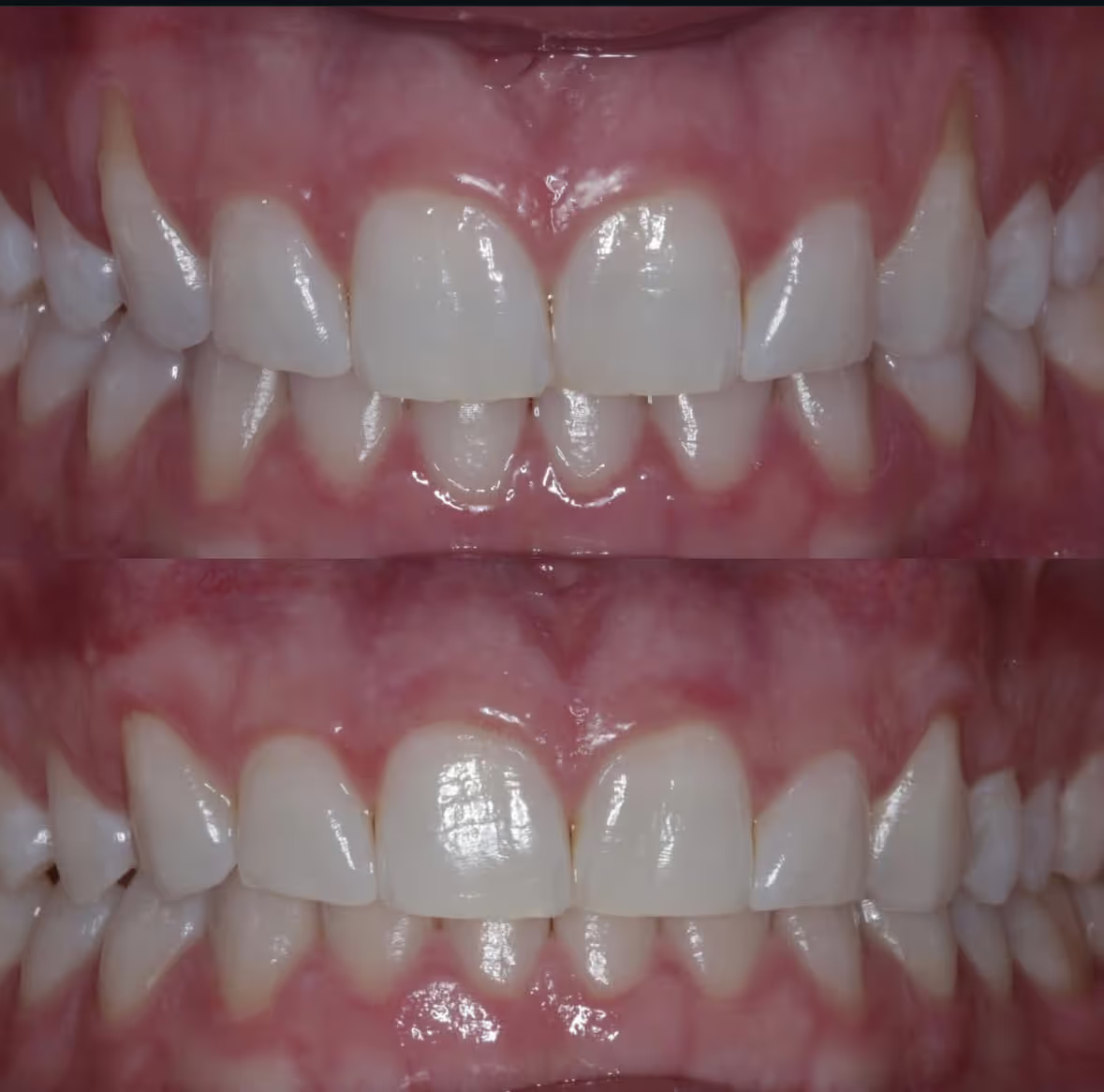
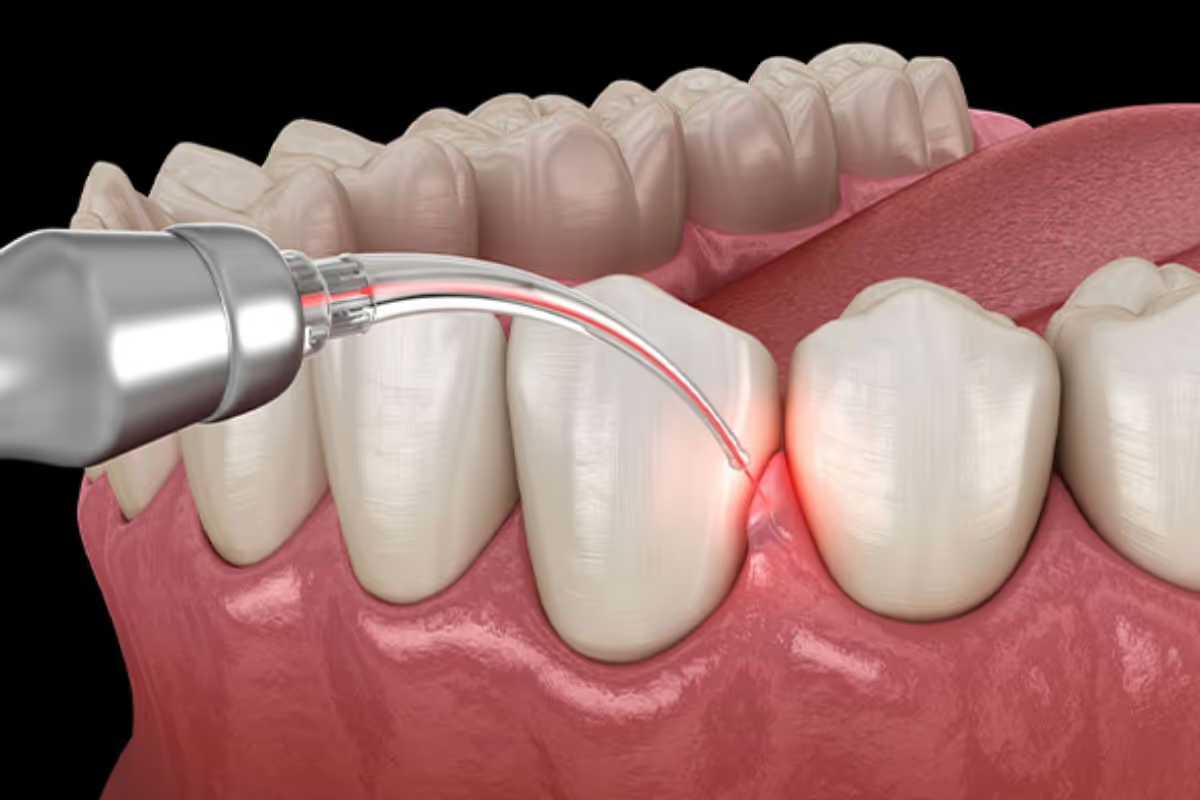
Bone grafting is a surgical procedure that adds bone material to areas of your jaw where bone has been lost, giving your body's natural regeneration process a scaffold to build on. The graft may use your own bone, donor bone, or a biocompatible synthetic material.
Most grafts are placed after a tooth extraction or before a dental implant, where solid bone volume is the difference between a restoration that lasts decades and one that fails early.
Bone grafting is a surgical procedure that adds bone material to areas of your jaw where bone has been lost, giving your body's natural regeneration process a scaffold to build on. The graft may use your own bone, donor bone, or a biocompatible synthetic material.
Most grafts are placed after a tooth extraction or before a dental implant, where solid bone volume is the difference between a restoration that lasts decades and one that fails early.
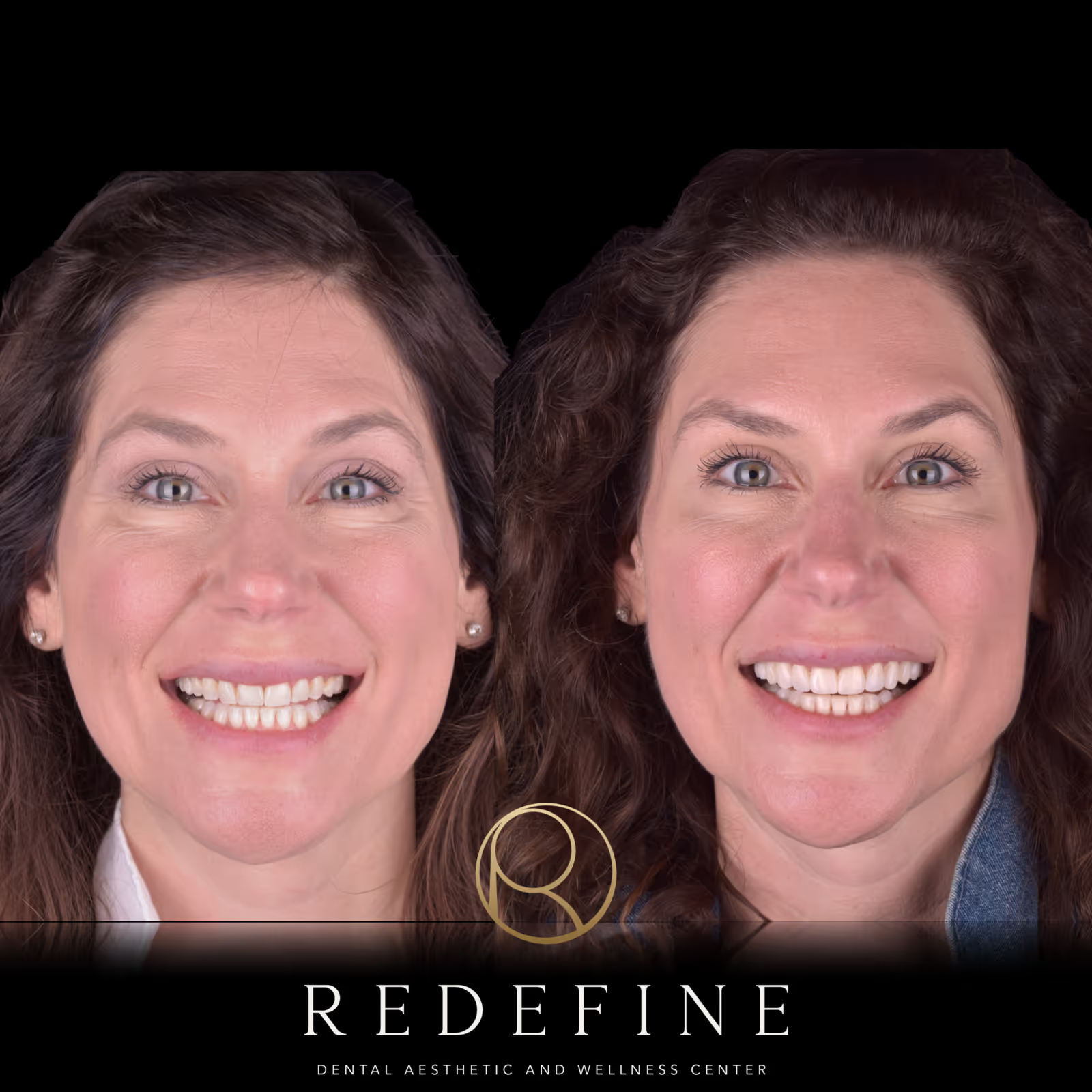
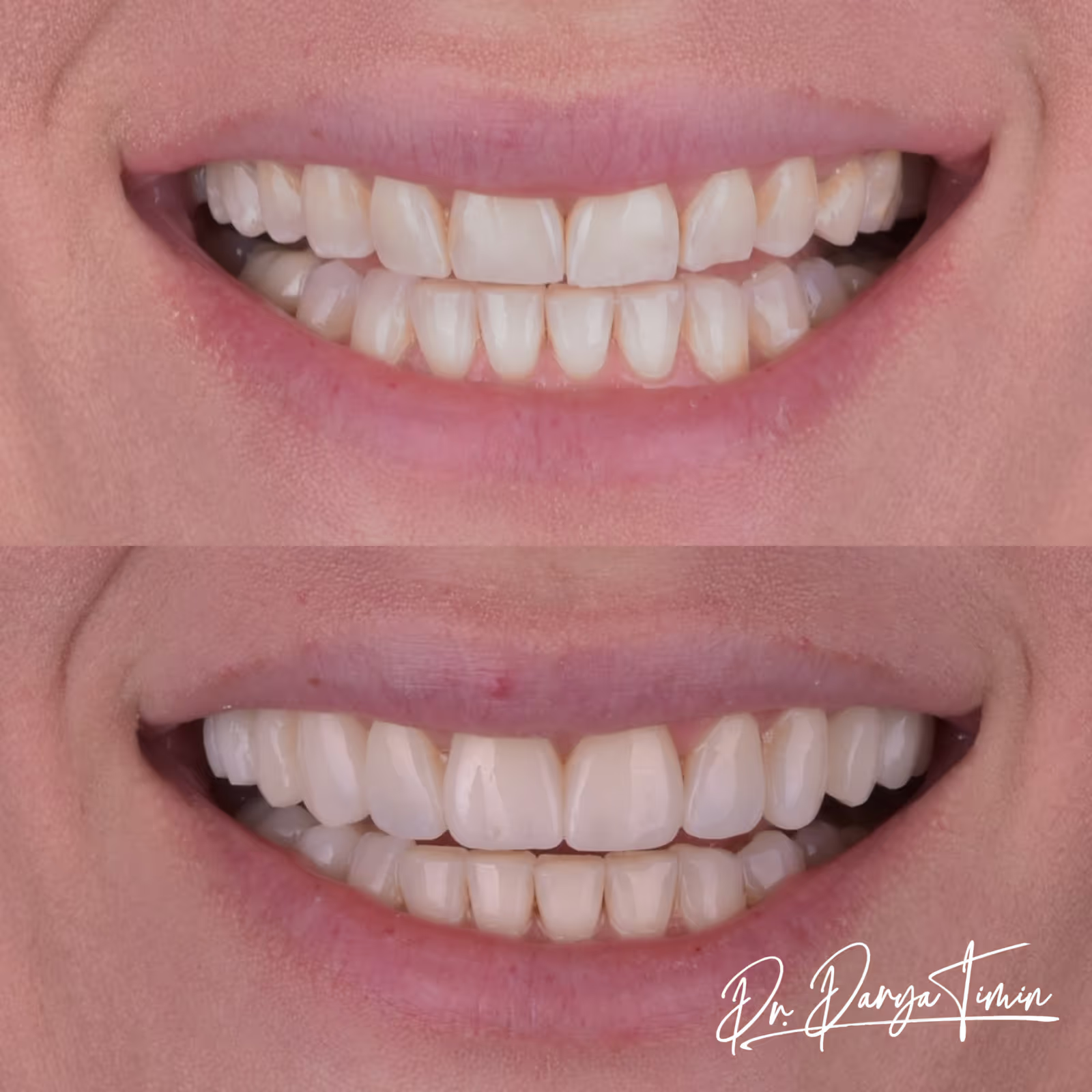
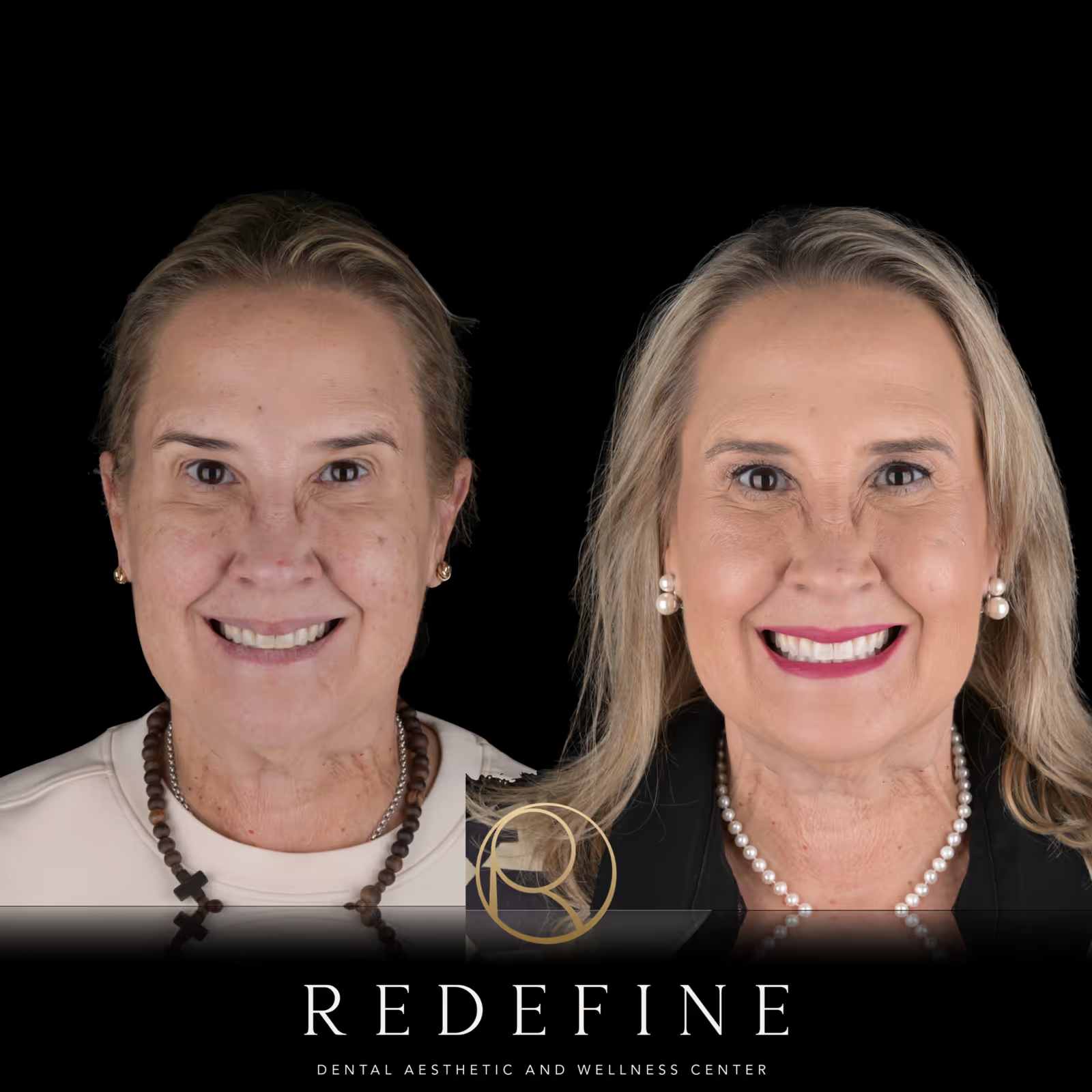
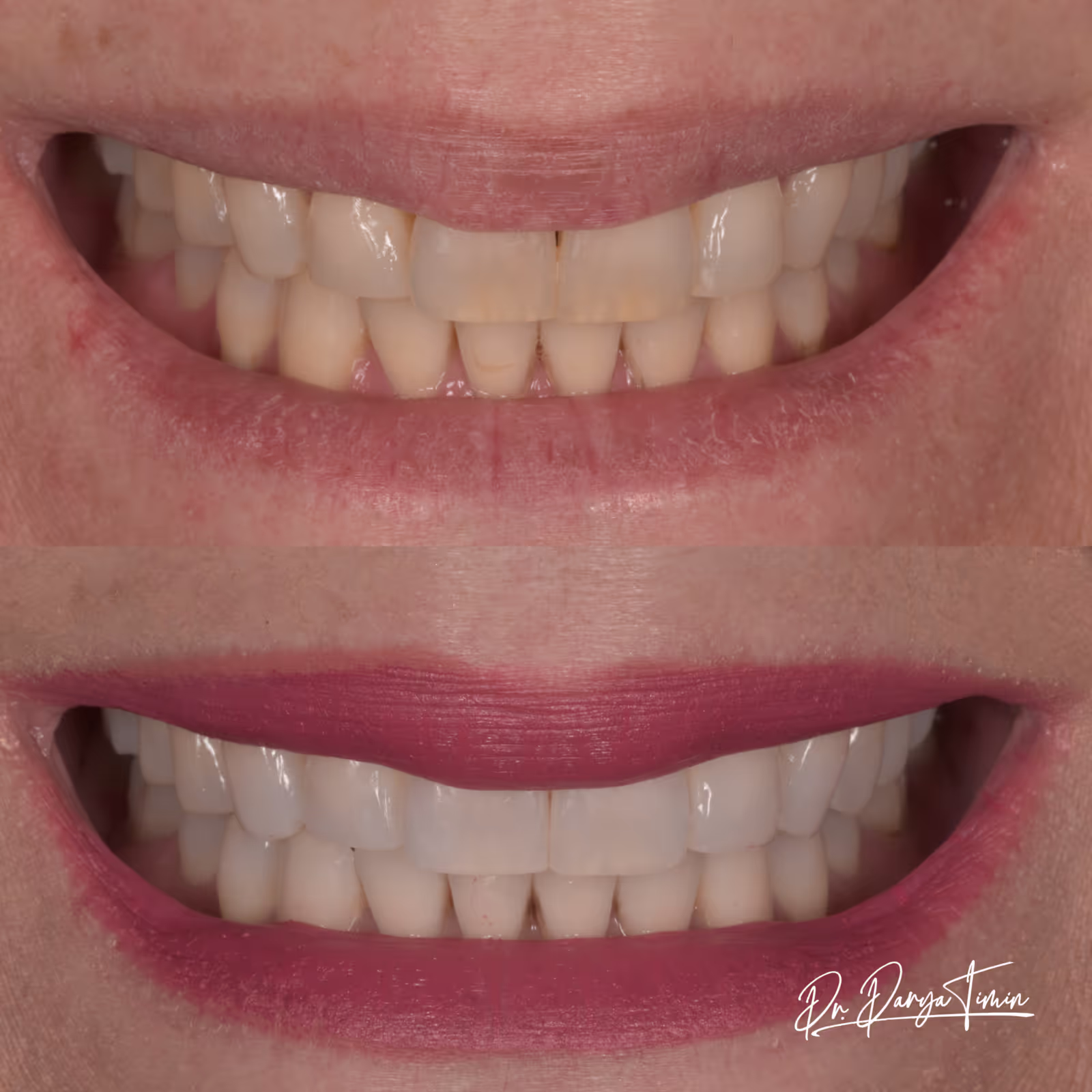

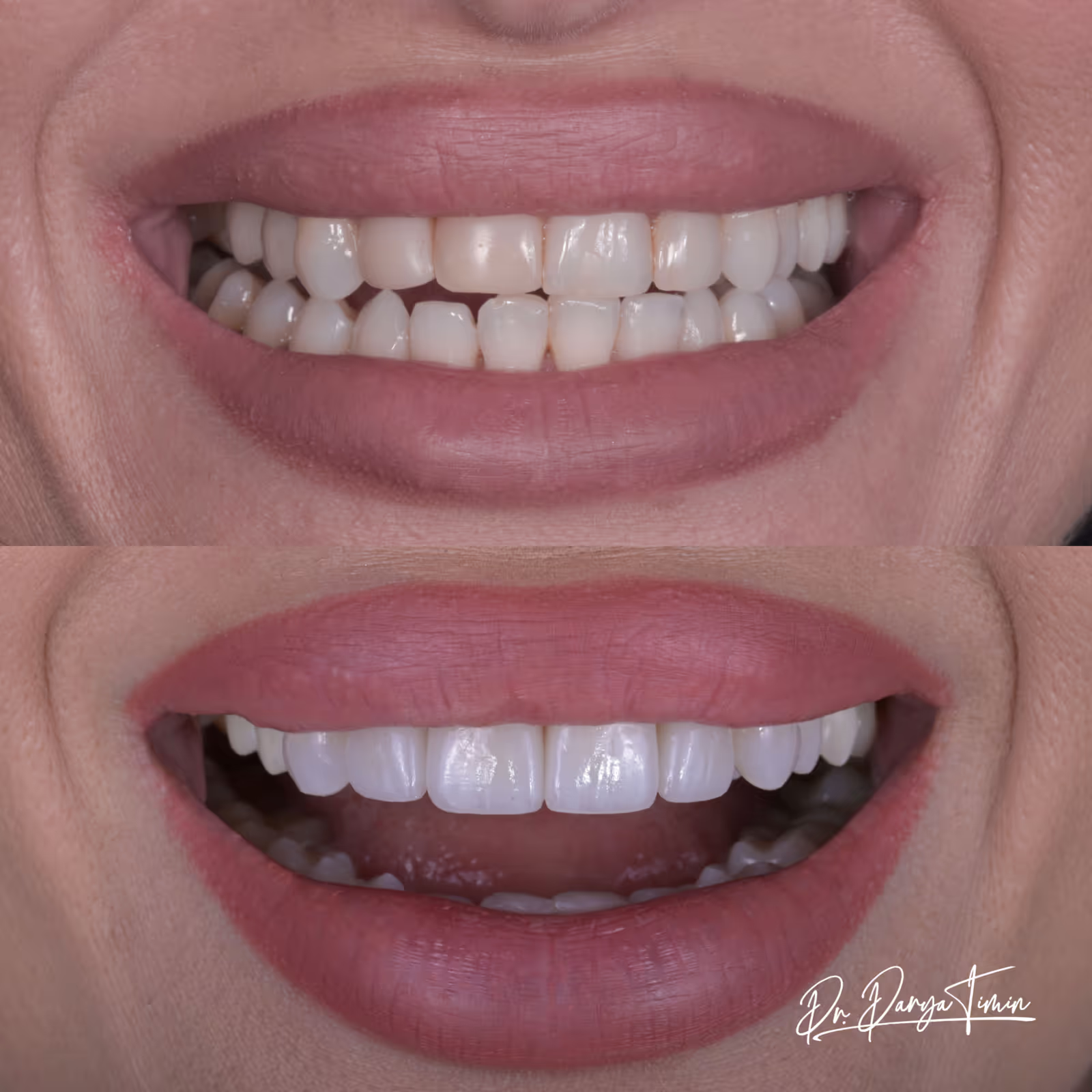
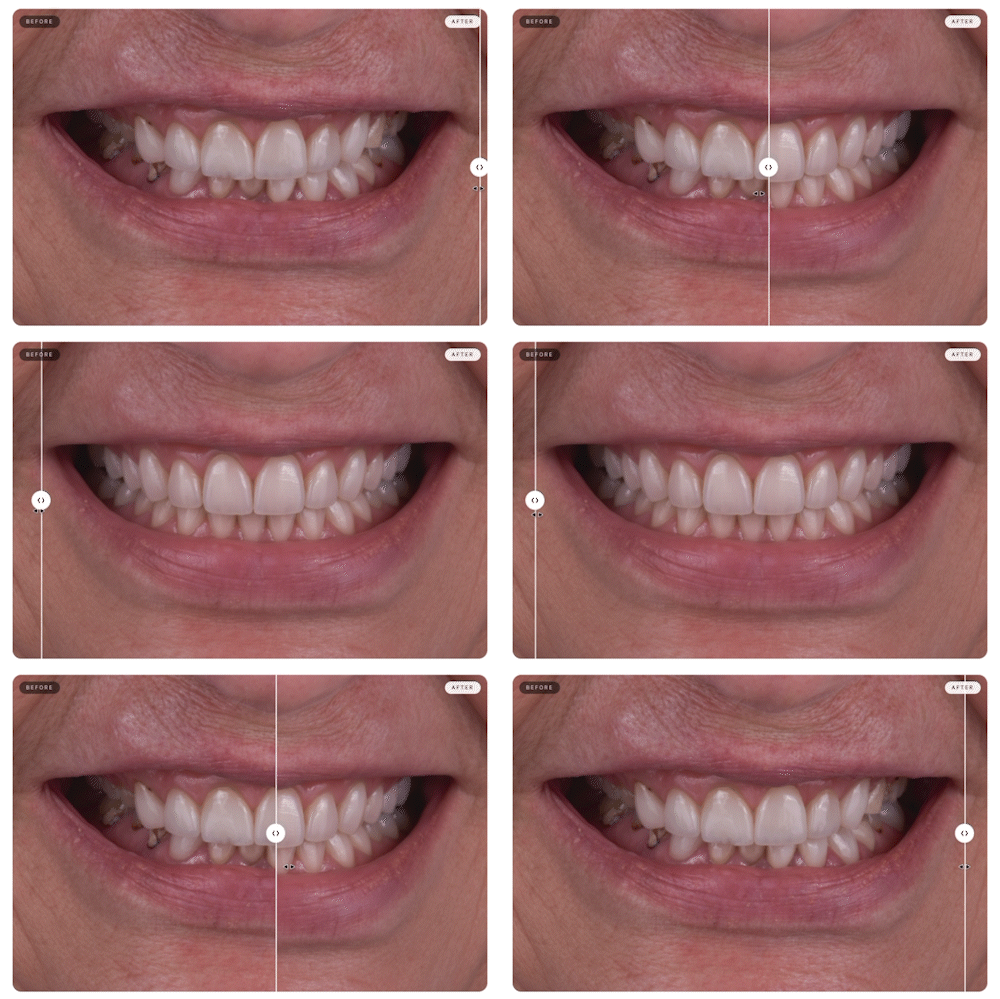
Hover over the picture to see Close Ups.
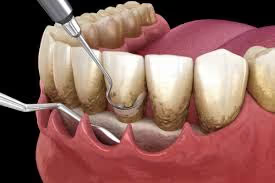
Dr. Timin reviews your medical history, takes a CBCT scan to map bone volume, and creates a specific graft plan and timeline for your next steps.
Dr. Timin reviews your medical history, takes a CBCT scan to map bone volume, and creates a specific graft plan and timeline for your next steps.
Dr. Timin reviews your medical history, takes a CBCT scan to map bone volume, and creates a specific graft plan and timeline for your next steps.
Dr. Timin reviews your medical history, takes a CBCT scan to map bone volume, and creates a specific graft plan and timeline for your next steps.
Under local anesthesia or sedation, grafting material is placed in the target area and protected with a membrane to support regeneration.
Healing takes 3 to 6 months as bone integrates. Follow-up imaging confirms volume before the restoration stage begins.
• Initial evaluation with digital imaging or CBCT scans
• Procedure performed under local anesthesia or sedation
• Healing period typically 3–6 months, depending on the case
• Close follow-up to monitor bone integration and healing
A dental bone graft is a vital step in restoring both form and function to your smile. Whether preparing for implants or preventing future complications, it helps lay the groundwork for long-term dental success.
• Initial evaluation with digital imaging or CBCT scans
• Procedure performed under local anesthesia or sedation
• Healing period typically 3–6 months, depending on the case
• Close follow-up to monitor bone integration and healing
A dental bone graft is a vital step in restoring both form and function to your smile. Whether preparing for implants or preventing future complications, it helps lay the groundwork for long-term dental success.

Improved stability

Boosts oral health

Increased function

Prevents jaw shrink
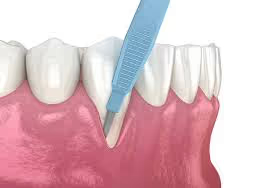
You're a good candidate if you've lost bone volume from a pulled tooth, chronic periodontal disease, trauma, or an infection that weakened the jaw, and you want to place an implant or other long-term restoration in that spot. Bone grafting rebuilds the foundation before the restoration goes on top.
You may not be ready for grafting yet if you have active gum disease that needs stabilizing first, or uncontrolled health conditions that compromise healing. Those get addressed before grafting.
Dr. Darya Timin plans bone grafts as part of a longer restorative arc, not as a standalone event. Her Kois Center training focuses on getting the biology right the first time, because graft failure compounds into implant failure, which compounds into a whole new treatment plan.
Every graft at Redefine Dental starts with a CBCT scan to see bone volume in three dimensions, a conversation about graft material options, and a detailed timeline for when the next step of restoration can happen.
The work isn't glamorous. It's what makes everything on top of it last.

You're a good candidate if you've lost bone volume from a pulled tooth, chronic periodontal disease, trauma, or an infection that weakened the jaw, and you want to place an implant or other long-term restoration in that spot. Bone grafting rebuilds the foundation before the restoration goes on top.
You may not be ready for grafting yet if you have active gum disease that needs stabilizing first, or uncontrolled health conditions that compromise healing. Those get addressed before grafting.
Dr. Darya Timin plans bone grafts as part of a longer restorative arc, not as a standalone event. Her Kois Center training focuses on getting the biology right the first time, because graft failure compounds into implant failure, which compounds into a whole new treatment plan.
Every graft at Redefine Dental starts with a CBCT scan to see bone volume in three dimensions, a conversation about graft material options, and a detailed timeline for when the next step of restoration can happen.
The work isn't glamorous. It's what makes everything on top of it last.
While a bone graft significantly improves implant eligibility, final candidacy depends on how well the bone heals and integrates. Follow-up evaluations ensure the jaw is strong and stable before implant placement.
Bone grafts can use your own bone, donor bone, or biocompatible synthetic materials. Dr. Timin will recommend the best option based on your specific needs and long-term treatment goals.
Healing time varies by case, but most bone grafts take about 3 to 6 months to fully integrate. During this time, the graft stimulates natural bone regeneration and strengthens the jaw.
The procedure is typically very comfortable and performed under local anesthesia or sedation. Some mild soreness or swelling afterward is normal and usually resolves within a few days with proper aftercare.
A bone graft is needed when the jawbone has weakened or shrunk due to tooth loss, gum disease, trauma, or infection. It helps rebuild bone structure and creates a stable foundation for future treatments like dental implants.