NEW
DNA DENTAL DALLAS IS REBRANDING TO REDEFINE DENTAL AESTHETIC AND WELLNESS CENTER
DNA DENTAL DALLAS IS REBRANDING TO REDEFINE DENTAL



Viral before-and-after photos show extreme tooth reduction without context.
Reality: When planned properly, veneers are conservative and often require minimal or no tooth prep. Aggressive shaving is outdated dentistry, not the standard of care.
Viral before-and-after photos show extreme tooth reduction without context.
Reality: When planned properly, veneers are conservative and often require minimal or no tooth prep. Aggressive shaving is outdated dentistry, not the standard of care.
People have seen poorly done veneers with overhanging margins and cheap materials.
Reality: Healthy gums do not bleed around well-designed veneers. Bleeding happens when veneers are poorly fitted, not because veneers themselves are harmful.
Overdone “Hollywood smiles” dominate social media.
Reality: Modern porcelain veneers are custom-crafted for translucency, shape, and facial balance — natural is the goal.
Veneers are marketed as luxury-only procedures.
Reality: Many everyday patients choose veneers to correct chips, spacing, wear, and uneven edges - not to look famous, but to feel confident.
People hear stories about veneers “failing” quickly or confusing veneers with bonding.
Reality: High-quality porcelain veneers can last 10–15 years or longer with proper care. Early failure is usually due to poor materials, improper bite planning, or lack of follow-up care.
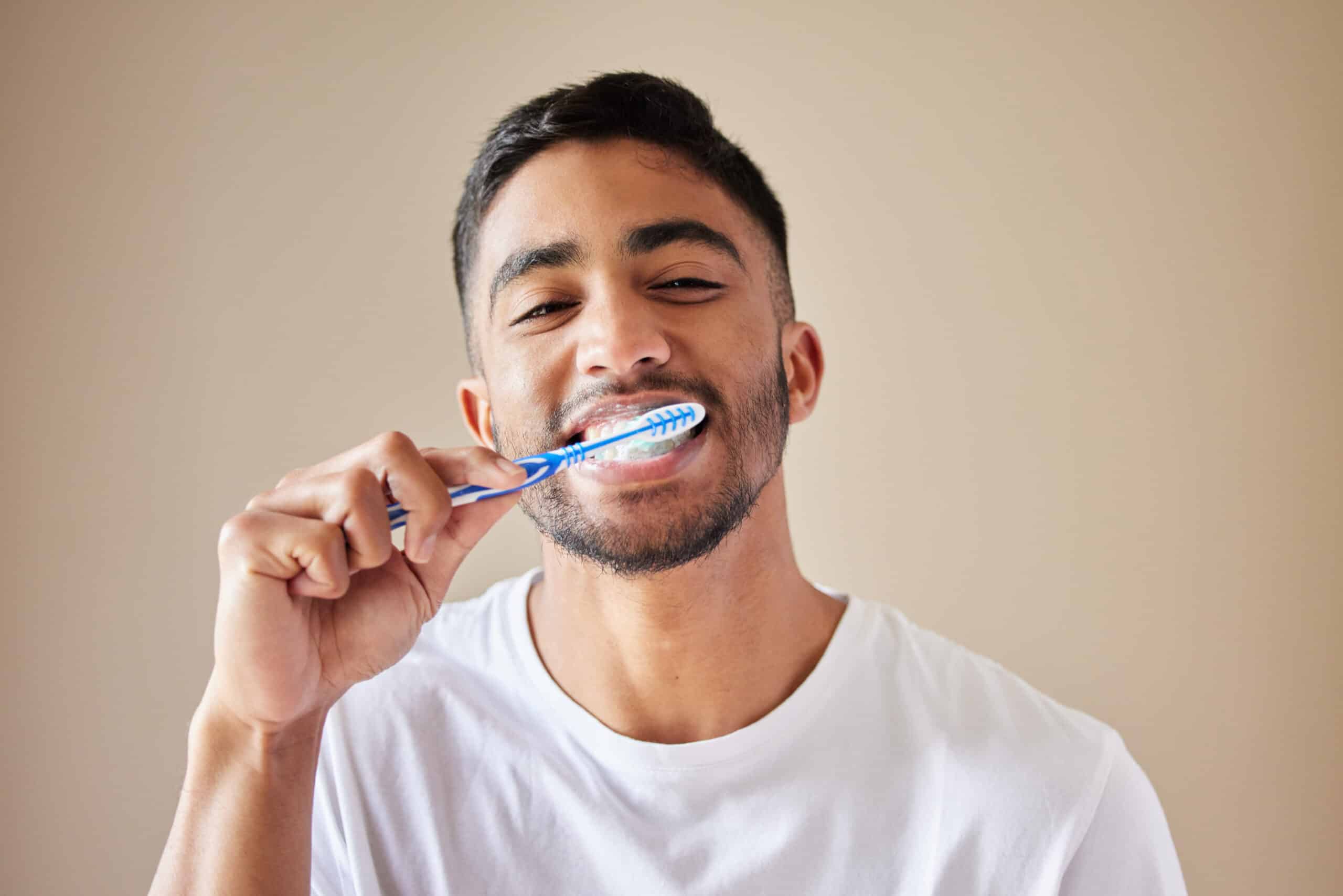
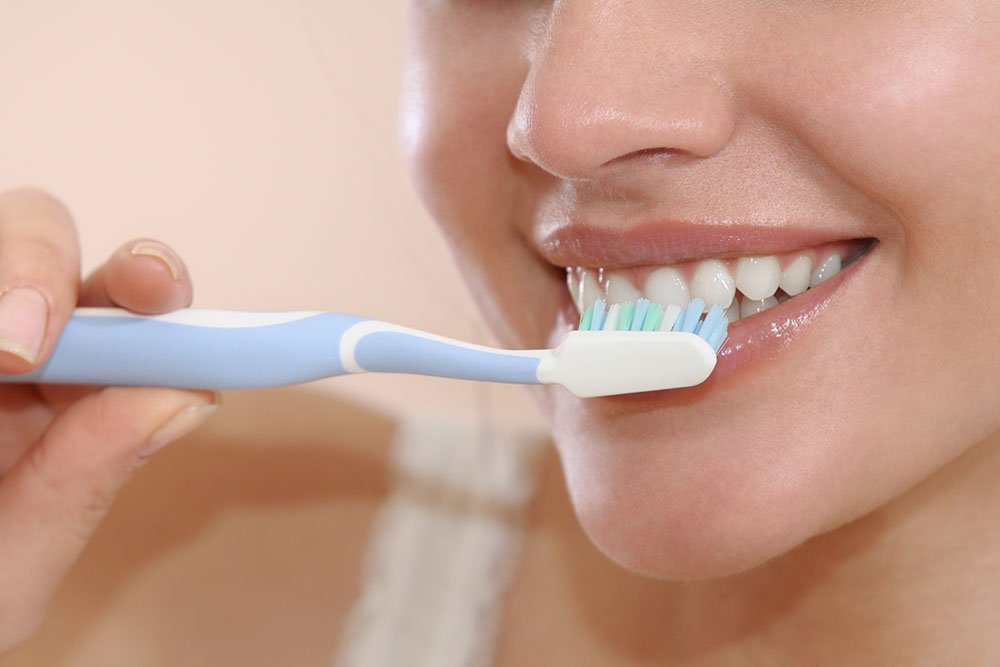
Before adding toothpaste, brush with a clean, dry toothbrush for 30 seconds.This breaks apart the sticky biofilm layer and allows fluoride to reach the enamel more effectively.
Biofilm is the barrier that blocks toothpaste from working. Clearing it first boosts effectiveness.
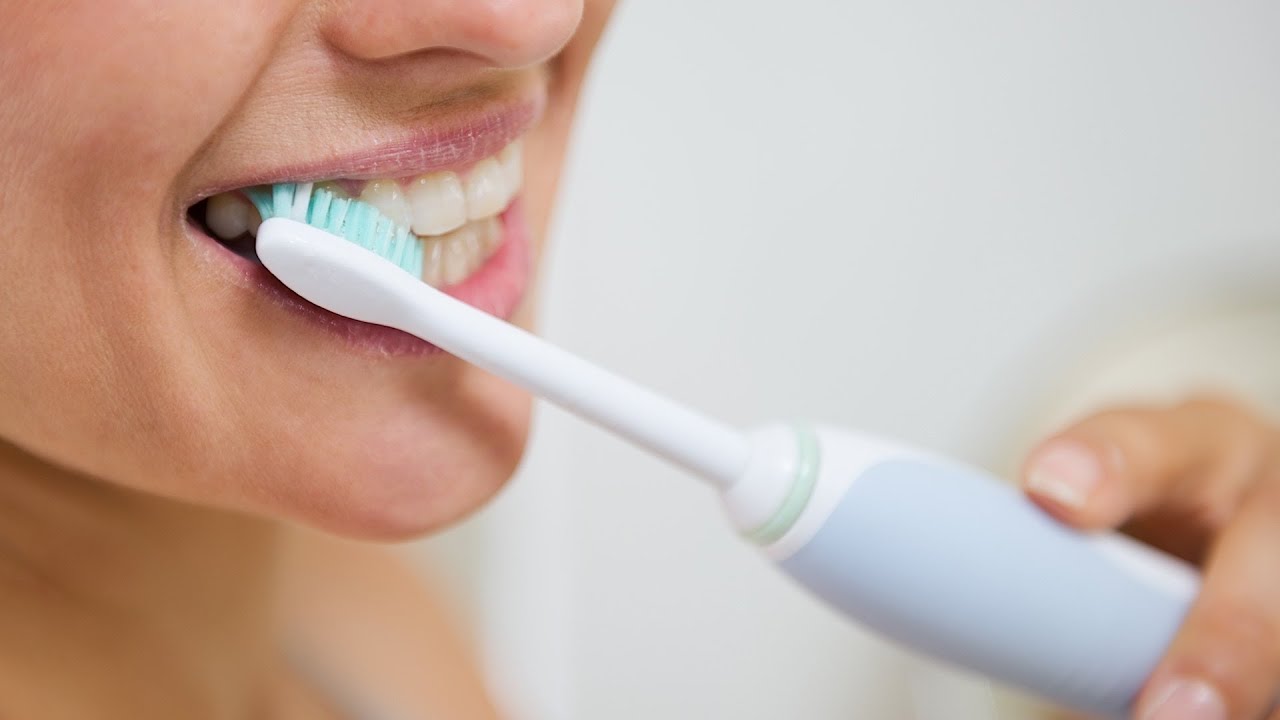
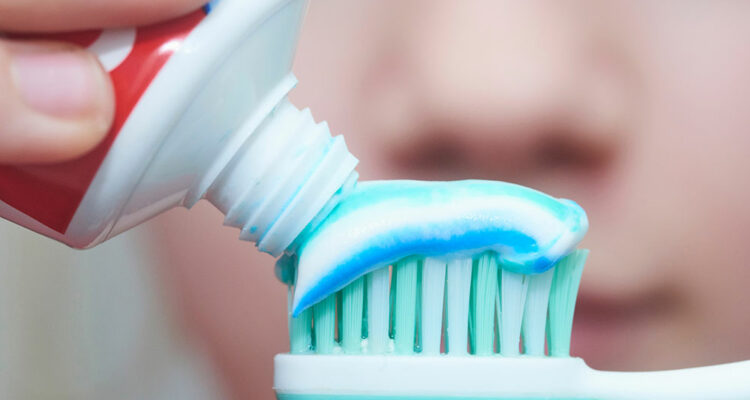
Apply a pea-sized amount of toothpaste and use soft, circular motions.Angle your brush 45 degrees toward the gumline — this is where plaque accumulates the most.
Hard scrubbing, sawing motions, or brushing aggressively. That leads to sensitivity and gum recession.
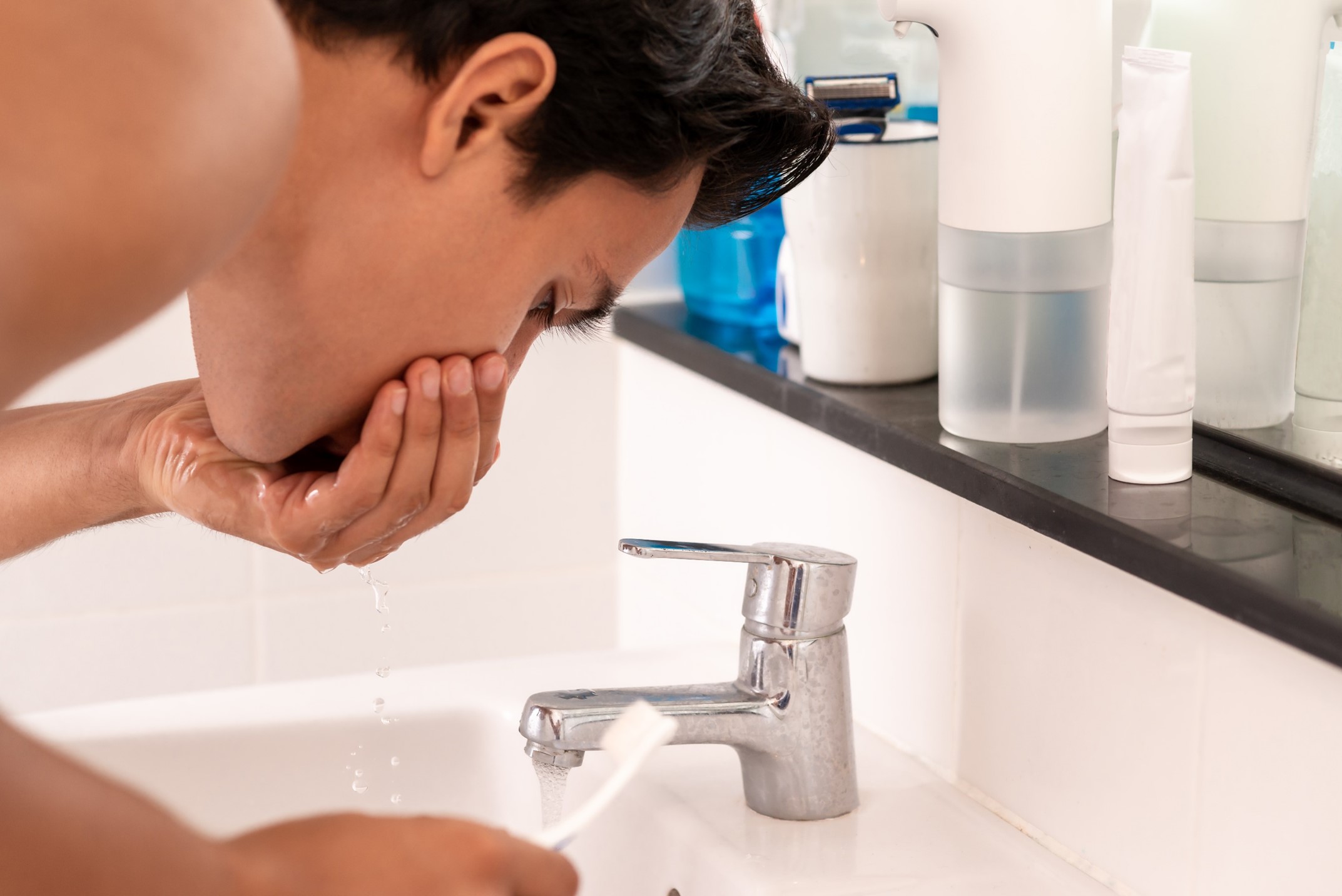
Skip rinsing with water. Let fluoride and the active ingredients stay on your teeth for at least 30 minutes after brushing.
Rinsing washes away the minerals that strengthen your enamel.
Divide your mouth into four quadrants and spend about 30 seconds on each one, making sure to cover the outer surfaces, inner surfaces, and chewing surfaces for a total of two minutes.
Brushing for the full two minutes ensures all tooth surfaces are properly cleaned.
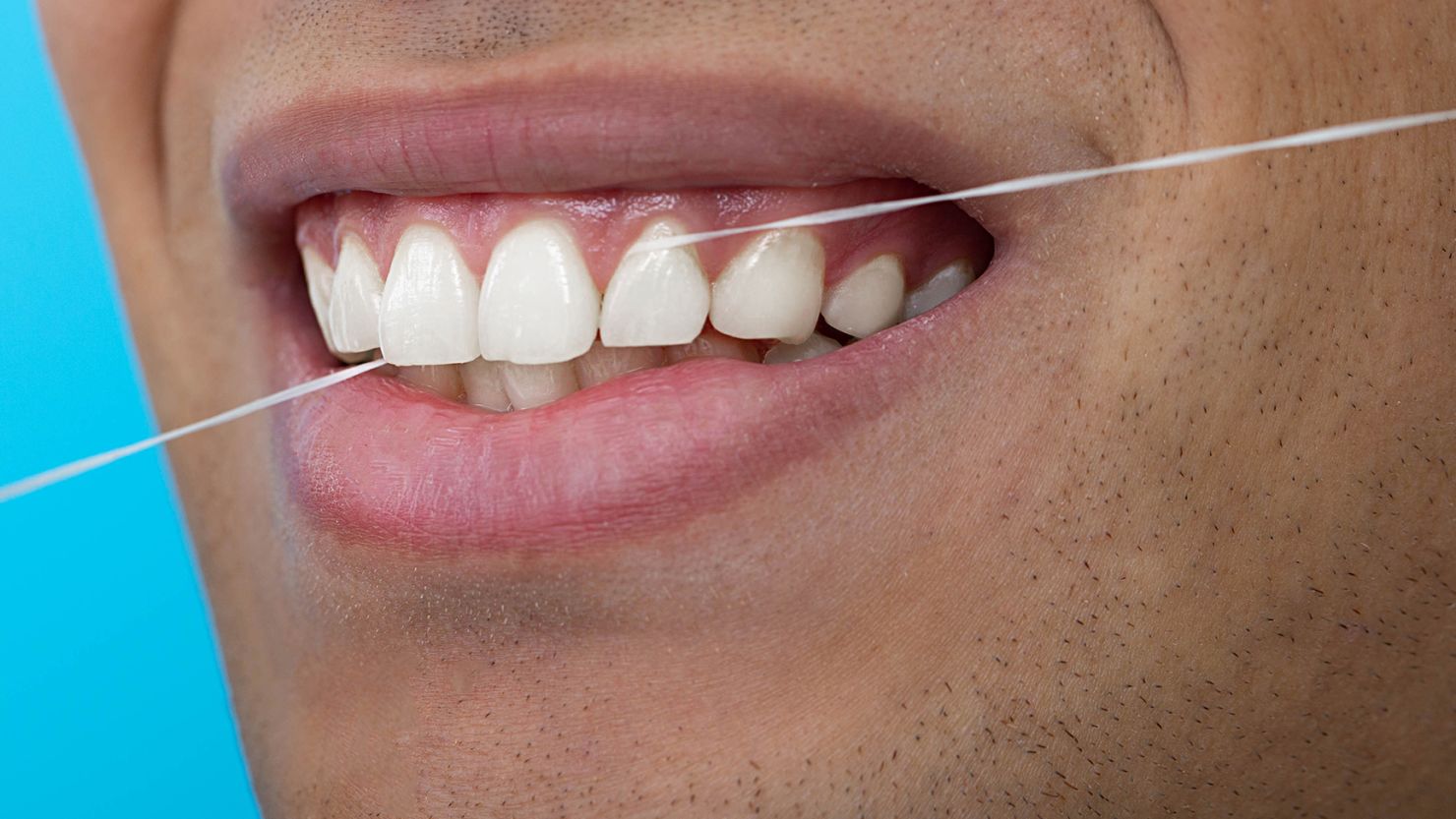
Flossing removes plaque and food particles from between the teeth where your toothbrush can’t reach. Gently guide the floss between each tooth, curve it into a “C” shape, and clean along the sides to reach just under the gumline.
Flossing cleans the tight spaces that make up nearly forty percent of your tooth surfaces, preventing cavities and gum inflammation.