

Why I Don't Recommend No-Prep Veneers for Every Smile
Opinion
June 23, 2026


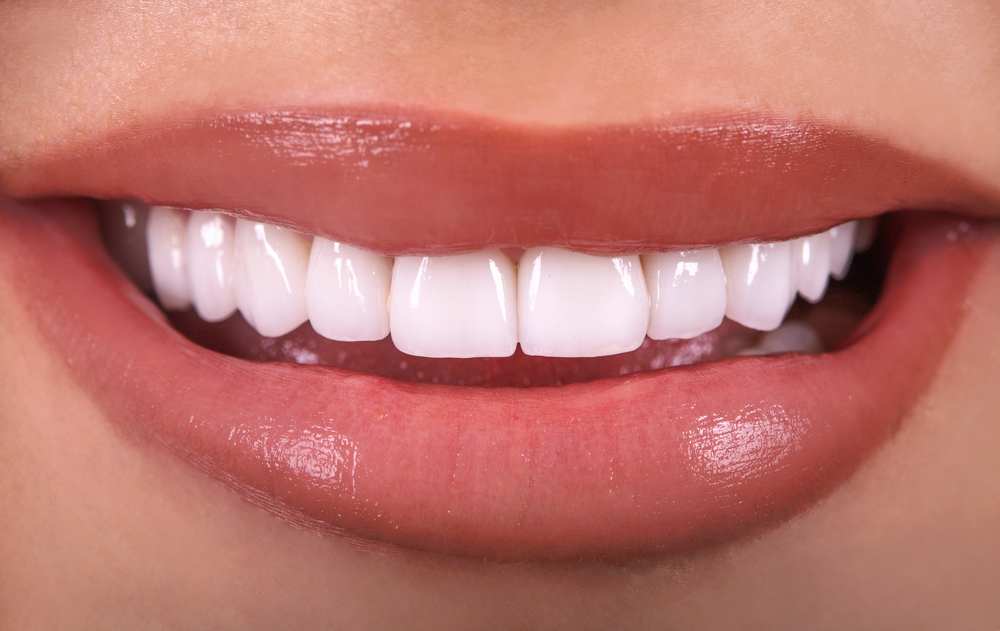
No-prep veneers work beautifully in a specific set of cases. But they're not the right choice for every patient, and when the fit is wrong, the result is a veneer that looks bulky, is harder to keep clean, and fails earlier than it should. Here's how I decide, and why I send some patients away from no-prep even when they come in asking for it by name.
Most patients asking about no-prep veneers are doing it for one reason. They're afraid we're going to grind their real teeth to stubs.
It's a reasonable fear. There's a lot of content online showing extreme preparations done 15 or 20 years ago, and those videos never go away. So when someone walks into Redefine Dental asking specifically for no-prep veneers, I already know what's underneath the question. They want a beautiful result without losing any of their own tooth structure.
I respect that. It's the right instinct. And in a small set of cases, it's exactly the right answer.
In most cases, it's not.
Before I recommend anything, I take photos, record a short video of the patient talking and smiling, and walk through the treatment planning process we call SMILE Architecture. By the time the patient is back in the chair for our consult, I already know the answer.
Three things matter most. I like to keep it simple to the first three.
If a patient has minor discoloration or a small chip, no-prep can work because we're barely adding anything. But when there are meaningful gaps, or one tooth sits further back in the arch than its neighbors, we now have to add porcelain to fill that space. That thickness has to come from somewhere. Without any preparation of the tooth, the veneer sits on top, which means it bulges forward.
A veneer that bulges forward looks thick. It also changes the way the lip sits. One of the most common complaints I hear from patients who got no-prep veneers somewhere else is that their upper lip feels pushed out.
This is the part nobody talks about. When we add porcelain to the surface of a tooth without any preparation, the margin where the veneer meets the tooth isn't flush. It's a small ledge. Over time, plaque collects at that ledge. Floss catches on it. Patients stop flossing as carefully because it's annoying.
Now the tissue around the tooth becomes inflamed. The gum starts to recede. Within a few years, the margin of the veneer becomes visible as a dark line along the gum. The veneer itself is fine. The problem is what's happening around it.
Hygiene is a cosmetic decision as much as a health decision. I'm not willing to hand a patient a smile they cannot keep clean.
Veneers aren't individual teeth. They're a smile, which is part of a face. Every case I plan, I'm looking at the width of the smile, the amount of tooth showing when the patient talks and laughs, and how the front teeth fit with the canines and premolars behind them.
If a patient needs their smile widened, or the proportions adjusted, no-prep won't give me enough room to work. Adding width without preparing the teeth creates a smile that looks thick and boxy. It doesn't catch light the way a natural smile does.
I want porcelain thin enough that light passes through it and bounces off the tooth underneath. That's what makes a veneer look real. No-prep on the wrong case does the opposite.
A young patient came to me recently through a referral from an orthodontist. He wanted bonding.
When I looked at his smile, I saw three things. He had meaningful spacing between several teeth, and the spaces were large enough that composite bonding would make the teeth look wide and blocky. He also had noticeable negative space on the sides of his mouth, meaning his smile was not filling the frame the way it could. And his upper teeth were showing ten teeth when he smiled, from second premolar to second premolar.
If I had used bonding or no-prep veneers, I would have been adding a lot of material to fill those spaces. The teeth would have come out thick and difficult to clean. Predictability in the long term would have suffered.
We went with ten porcelain veneers on the upper arch. His lower teeth were healthy and a good color already, so I left them alone. The upper veneers closed the spaces, widened the smile, and sit flush at the gum line so he can floss normally.
He walked out with a smile that looked like it had always belonged to him.
To be fair, no-prep is a real option for a specific kind of patient.
I recommend it when the patient has healthy tooth structure with no gaps or only minor gaps, the existing tooth shape and position don't need to be changed, the goal is primarily to brighten the color or smooth small surface irregularities, and the bite is stable.
For a patient in their late twenties who never had orthodontic issues, has no wear, and wants a shade improvement plus a small shape refinement, no-prep can deliver a beautiful result with no loss of tooth structure. That's the ideal case.
It's also, in my experience, a small percentage of the patients who come in asking for it.
The fear most patients have about traditional veneers comes from a version of prep work that's no longer standard. I want to be clear about what it looks like today.
A modern prep for porcelain veneers usually removes between 0.3 and 0.7 millimeters of enamel from the front of the tooth. For reference, a strand of human hair is about 0.1 millimeters thick. What we're removing is thinner than a few hairs stacked together.
The tooth underneath is still protected by a layer of enamel. The veneer we bond onto it becomes the new outside surface. The preparation allows the veneer to sit flush with the natural gum line, which is what makes it cleanable, durable, and invisible.
In other words: yes, it's preparation. No, it's not the aggressive grinding people are afraid of.
If you're considering veneers, here are the signals that tell me whether you're a good candidate for no-prep.
No-prep may work for you if:
Traditional (minimally prepped) veneers are likely a better fit if:
The only way to know for certain is an in-person consultation with photos, video, and a discussion about your goals. I do that during every smile makeover consultation at Redefine Dental.
A good veneer case is about matching the right approach to the right smile. The same way I wouldn't give every patient the same prescription without an exam, I don't recommend the same veneer preparation for every case.
When a patient leaves my office with veneers, my goal is that they look natural, feel comfortable, are easy to keep clean, and last as long as possible. Sometimes that means no prep. Usually it means a conservative prep done properly. Occasionally it means I recommend cosmetic bonding or Invisalign first to move the teeth into a better position before we even discuss veneers.
That's what I mean when I say I don't recommend no-prep for every smile. I recommend the right plan for each smile.
They're comparable in strength when both are placed well. The difference is fit. A prepped veneer sits flush with the tooth surface, which makes it easier to clean and gives it a longer-lasting seal. A no-prep veneer on the wrong case can leave margins that collect plaque.
They're bonded using the same process as traditional veneers, so removal isn't simpler. A veneer coming off on its own is rare either way.
Both can last 10 to 15 years with good care. The failure point is usually not the veneer itself but the margin, which is where fit matters most.
Yes, and in some cases it's the right answer. I've done hybrid cases where the patient needed prep on two teeth to close spacing, and no-prep on the neighboring teeth for shade matching. What matters is that the plan is designed around what each tooth actually needs.
Yes. By the time we finish the photos, video, and discussion at Redefine Dental, I'll tell you honestly whether you're a no-prep candidate. If you're not, I'll explain why and walk you through the alternative.