

What Happens in the Dental Implant Process, From Missing Tooth to Final Crown
Services
October 20, 2026



Maybe the tooth cracked and couldn't be saved. Maybe an old bridge finally failed, or a back tooth came out years ago and you've been chewing on the other side ever since. Either way, there's a gap, and someone has said the word implant. That's when the questions pile up. Is it surgery? How many steps are there, and what happens in each one? Will it look like a real tooth, or like one more piece of dental work that doesn't match? Before you agree to anything, you want the dental implant process laid out in plain order.
A dental implant replaces a missing tooth from the root up. A small post is placed in your jawbone, the bone fuses to it over a period of months, and then a connector and a custom crown are attached on top. Before any of that, I'm checking three things: your gums, your bone and your bite. As Darya Timin, DDS, FAGD, I won't place an implant into an inflamed mouth or onto bone that can't hold it, so sometimes the process starts with gum treatment or a bone graft. When the foundation is healthy, the finished tooth looks, feels and chews like your own.
A dental implant is for anyone with a missing tooth, or a tooth that can't be saved, who wants a replacement that stands on its own. The signs that bring people in are usually practical:
An implant also does something a bridge can't. A bridge needs the healthy teeth on either side shaped down to hold it. An implant leaves those neighbors alone. If you're weighing the two, I compare them in dental implants vs. bridges.
1. Your gums. An implant has to heal into healthy tissue. If your gums bleed when you brush or look puffy, that comes first, usually with a deep cleaning with salivary testing. It's never just the gums. Bleeding gums are an open door for bacteria and inflammation to reach the rest of your body, and inflamed gums are also what puts the tissue around an implant at risk later.
2. Your bone. After a tooth is lost, the jawbone in that spot can shrink over time, which is one reason faces can look sunken after several teeth are gone. An implant needs enough bone to hold it. If the bone is thin, a bone graft builds it back up first. That adds a step, but it's what lets the implant last.
3. Your bite and your health. I look at how your teeth meet and whether you grind, because an implant crown takes the same force your natural teeth do. I also ask about your overall health. Smoking can slow healing, and chronic illnesses such as diabetes may interfere with healing after implant surgery. None of these automatically rule you out. They change the plan and the order of the steps.
The work always moves in the same order, though how many steps you need depends on what the first exam finds.
Planning. I take photos of your smile and imaging of the bone, look at the bite, and map exactly where the implant should sit. For a front tooth, the gum line and the shape of the neighboring teeth matter as much as the bone.
Getting the foundation ready. If the gums need treatment or the bone needs a graft, that happens before the implant. If a failing tooth is still in place, it comes out first.
Placing the implant. The area is numbed, a small opening is made in the gum, and the implant post is set into the bone. If you're nervous, we offer sedation options: nitrous oxide (laughing gas), oral conscious sedation (a pill taken before the visit) and IV sedation. We'll talk through which one makes sense for you.
Healing. This is the step people don't expect. Your jawbone slowly grows into the surface of the implant and locks it in place. It takes months, and your bone and your health decide how many. You don't feel it happening. It's what makes an implant stable enough to chew on.
The connector and the crown. Once the implant is solid, a small connector post (the abutment) is attached, and a custom crown is made to sit on it. I check the fit, the tooth color and your bite before it's final, so the new tooth meets the way your other teeth do.
If you've spent years with dental work that doesn't match, this is probably your biggest worry. You don't want one more tooth that looks like a replacement.
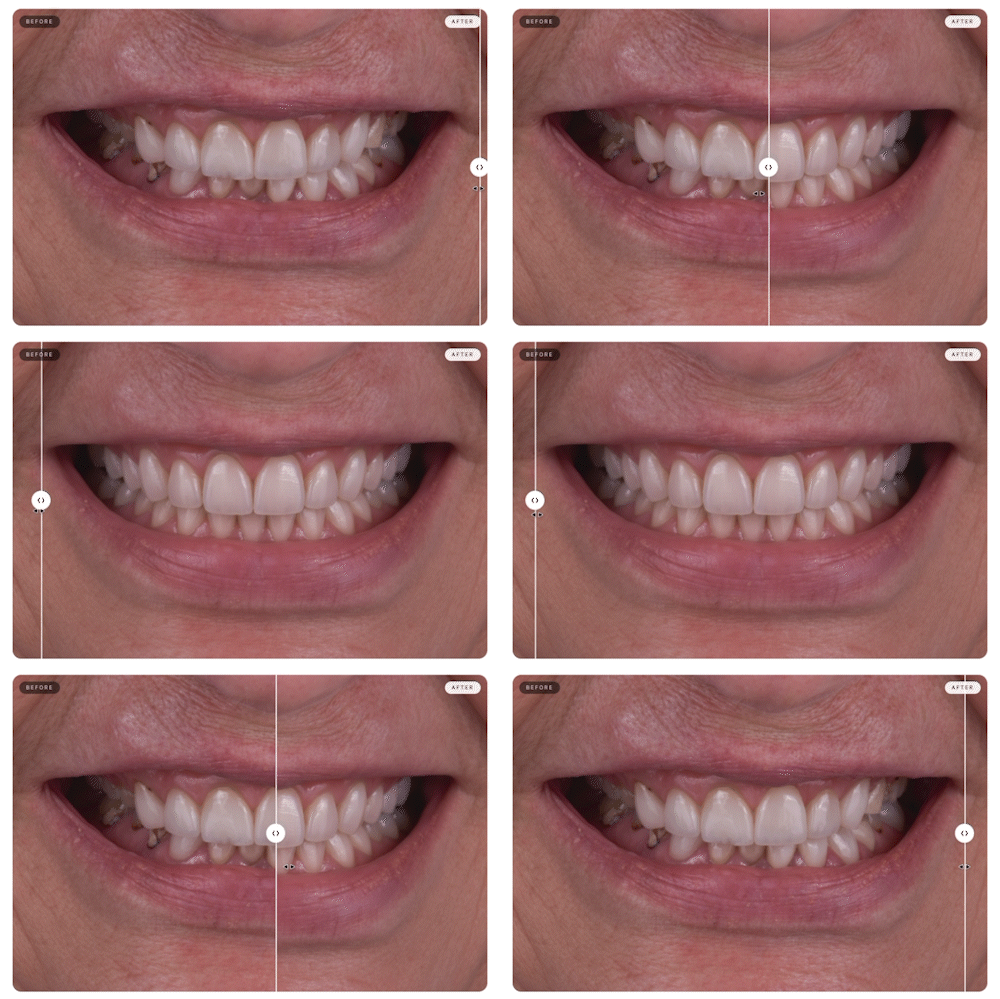
A natural implant crown matches the tooth color of the teeth beside it, not the whitest option available. It has the same small differences in shape and edge that your own teeth have. And the gum around it should frame it the way gum frames a natural tooth, which is why the planning and the gum health matter so much on a front tooth.
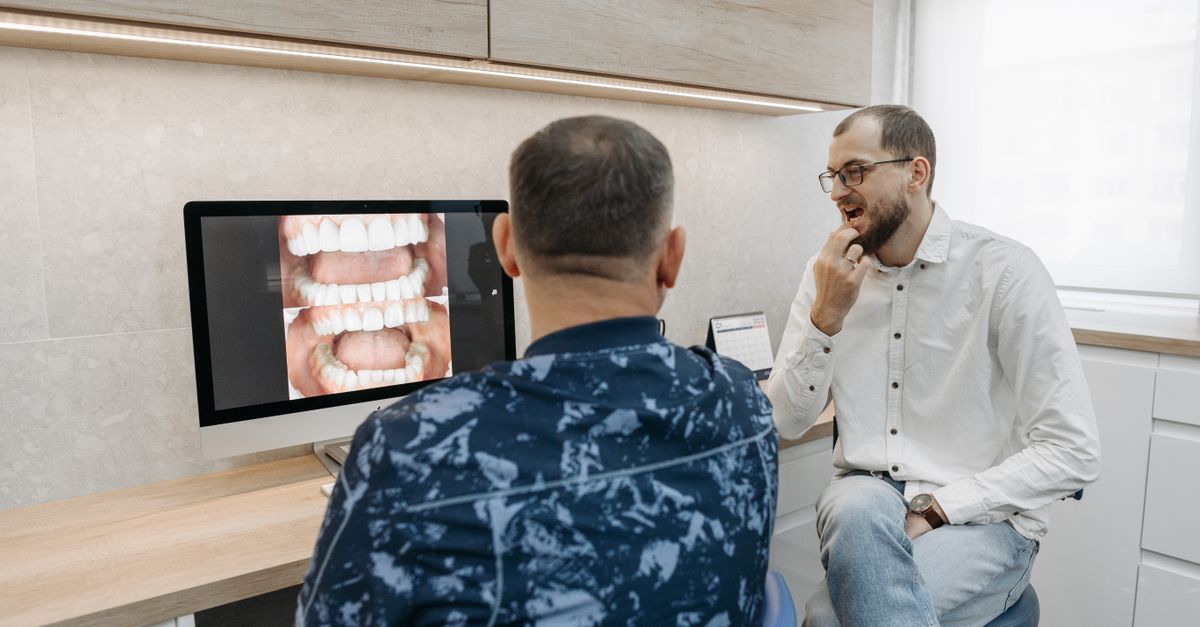
If the implant is part of a bigger change across several teeth, I take photos and show you a preview of your potential new smile on screen before the work begins. It's a preview, not a promise. The goal is a tooth nobody can pick out, including you.
An implant can't get a cavity. The gum and bone around it can still become inflamed, though, and that's the part that decides how long it lasts.
A dental implant is $3,124 per implant. The fee is per implant, so the total follows how many teeth are being replaced. You'll see the full plan, including any gum treatment or grafting, before anything begins.
We file the claim with your insurance for you, so if your plan has out-of-network benefits, you can use them. Medicare and Medicare Advantage plans with out-of-network benefits are accepted the same way, HSA and FSA cards work, and you can split treatment into monthly payments through Cherry. If you don't have dental insurance, the Smile Wellness Membership includes preventive wellness visits and 10% off other treatment, with some exclusions.
A missing tooth is easy to work around for a while. Over time, the bone underneath and the teeth beside it keep changing, and the plan gets bigger the longer it waits.
Your consultation is free. You'll leave knowing whether an implant fits your mouth, what has to happen first, and what the whole plan costs, with every step built around how your bite works now. Book a consultation with Redefine Dental Aesthetic and Wellness Center in Dallas, or call (214) 295-9270.
Quick answers to the follow-up questions patients ask most often. If yours isn't here, Dr. Timin is happy to walk you through it personally.
Get a custom treatment plan built around your smile, your bite and your health, designed by Dr. Timin.
Often, yes. The jawbone can shrink after a tooth is lost, and an implant needs enough bone to hold it, so Darya Timin, DDS, FAGD checks the bone before anything else. Where the bone is thin, a bone graft can build it up before the implant is placed.
You choose how relaxed you are. The area is numbed either way, and the practice offers nitrous oxide (laughing gas), oral conscious sedation (a pill taken before the visit) and IV sedation. Dr. Timin talks through which option fits your health and how nervous you feel.
Clean it like a natural tooth, with extra attention at the gumline. Brush twice a day with a soft brush, clean between your teeth daily and keep regular dental visits, because the gum around an implant can still become inflamed even though the implant itself cannot decay.
A dental implant is $3,124 per implant at Redefine Dental Aesthetic and Wellness Center. The fee is per implant, so the total follows how many teeth are being replaced. The office files the claim for you if your plan has out-of-network benefits, and HSA or FSA cards and monthly payments through Cherry also work.