

Worn-Down Teeth in Greenville: Is Full Mouth Rehabilitation the Answer?
City
September 18, 2026



Your teeth look shorter than they used to. The edges are flat, a few have chipped, and the crowns and fillings you've collected over the years don't match each other anymore. Someone has mentioned full mouth rehabilitation, and the words alone sound overwhelming: expensive, endless, and maybe more than you need. You want to know whether it's the answer for teeth like yours, or whether something smaller would do.
Full mouth rehabilitation is the answer when wear has spread across most of your teeth and changed how they meet: when the teeth are noticeably shorter, the bite has collapsed, and patching one tooth at a time keeps failing. If the wear is limited to a few front teeth and your bite still works, a smaller plan with a few crowns, veneers or bonding, plus a night guard, may be enough. At Redefine Dental Aesthetic and Wellness Center, full mouth rehabilitation typically runs $62,700 to $75,240, depending on how many teeth need work. The decision starts with why your teeth wore down, not with how they look.

Whether you live off Lower Greenville, along Belmont Avenue or closer to Ross Avenue, the questions about worn teeth tend to come with the same worries.
Those are fair questions. Starting over feels like a lot, and I want you to understand the reasons instead of feeling pushed into the biggest option.
Teeth don't get shorter on their own. Something is wearing them, and it's usually one of two things, or both.
Grinding and clenching. This is the most common driver of short, flat teeth I see, especially in men, and it often happens at night without you knowing. It leaves chipped or cracked teeth and worn spots along the edges. Over years, the front teeth lose length and the back teeth flatten.
Acid. Acidic drinks, acid reflux and a dry mouth all soften the enamel surface so it wears faster. And once enamel is gone, it can't be replaced. That's why treating the cause matters as much as rebuilding the teeth. If you suspect you grind, read signs of nighttime teeth grinding you might be missing.
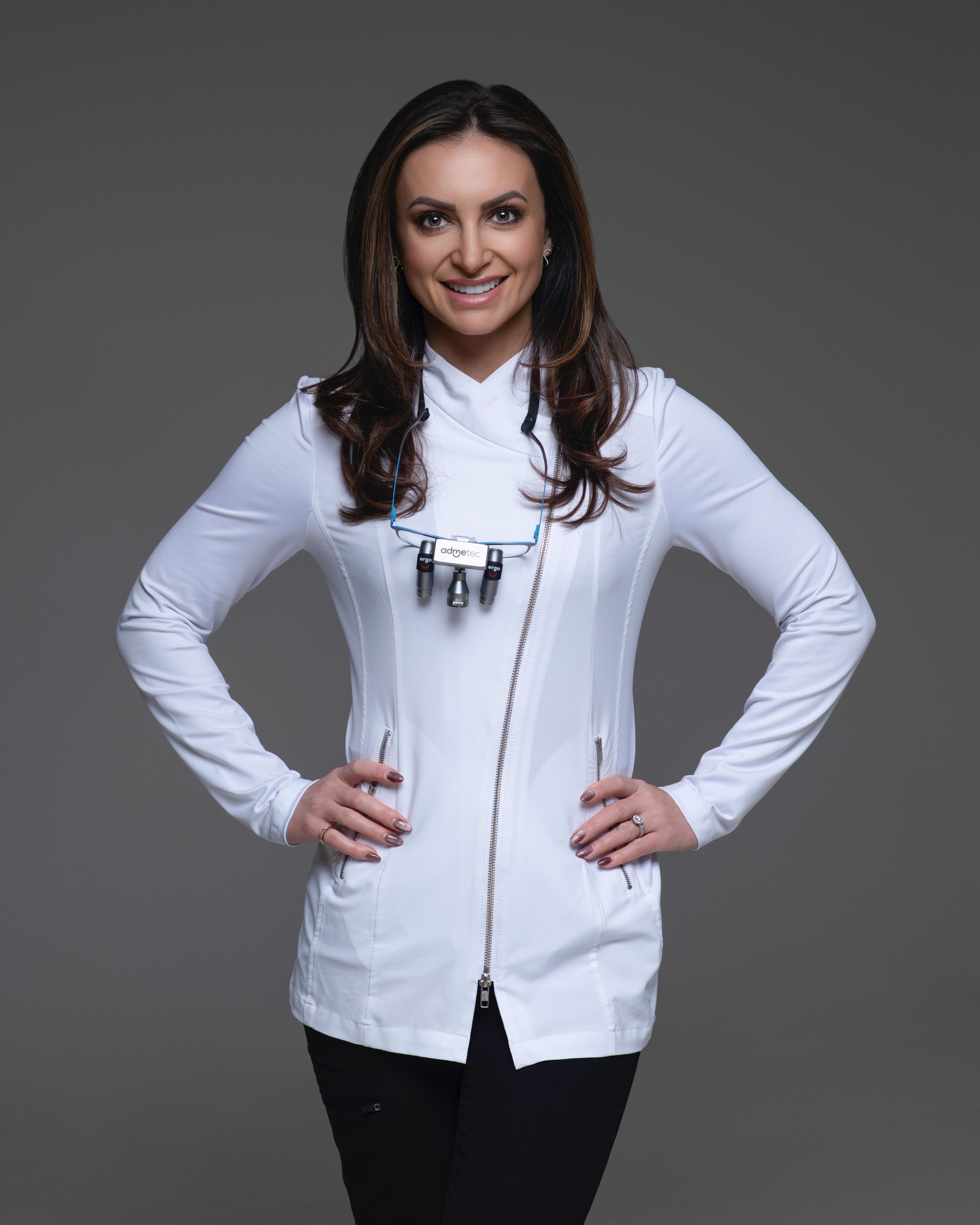
I'm Darya Timin, DDS, FAGD, and I trained at the Kois Center, where the bite comes before the look. Before I talk about a full rebuild, I check three things.
1. Your bite and your jaw joints. When teeth wear down, the bite closes and the jaw settles into a new position. I look at how your teeth meet, whether your jaw muscles are sore or overworked, and whether your joints click or ache. If jaw pain or TMJ problems are part of the picture, the plan has to account for them first.
2. How many teeth are worn, and how deeply. If the wear is mostly on the edges of a few front teeth, a smaller plan can work. If most teeth have lost length, rebuilding only some of them leaves the rest to keep breaking. That's when full mouth rehabilitation saves you from years of one-tooth-at-a-time repairs.
3. Your gums and your health. New crowns and veneers need healthy gums around them. Bleeding gums are an open door: the bacteria and inflammation there are linked to heart disease, diabetes and other problems in the body. I treat gum problems before rebuilding, and I ask about reflux, dry mouth and medications, because those affect how long the new work lasts.
This is the fear I hear most about a full rebuild: teeth that look too white, too even, too big for your face. I don't want that either.
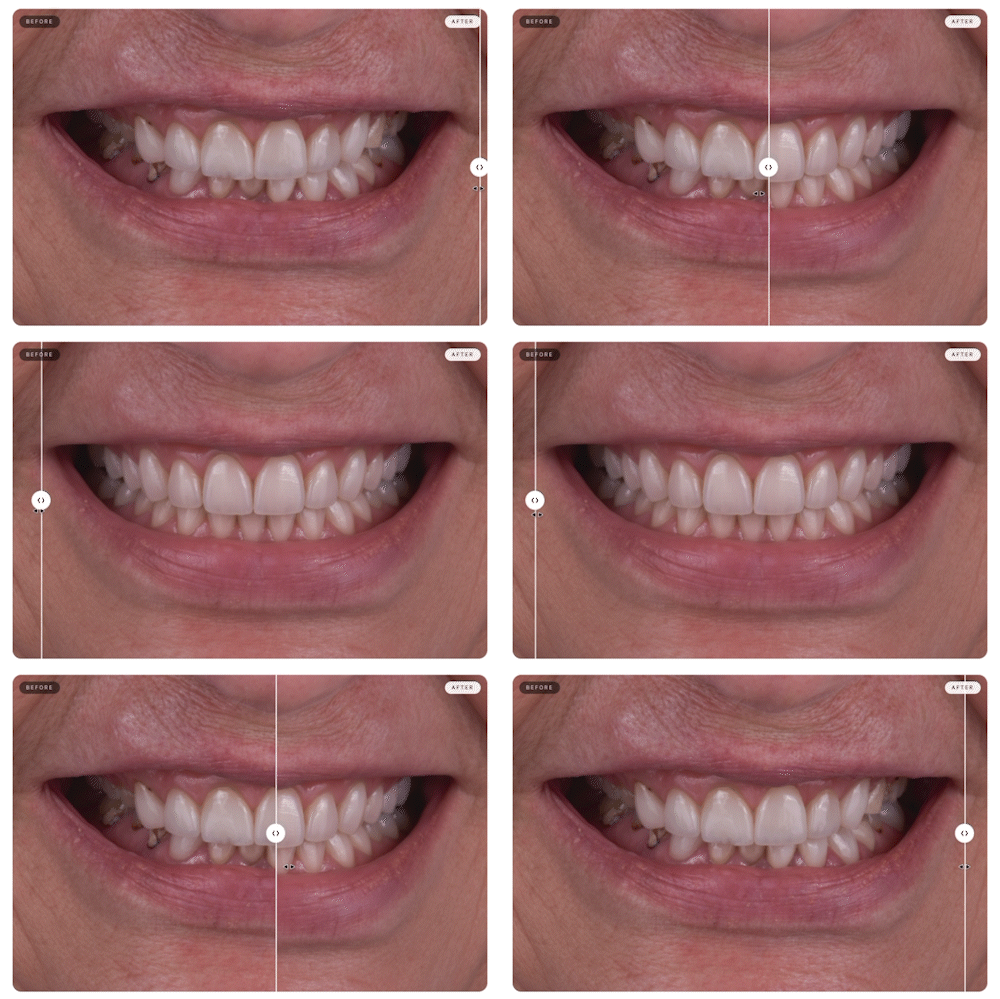
A good rebuild gives back the length your teeth lost, in proportion to your lips and face, with tooth color that suits your skin, not the whitest option available. Porcelain thin enough that light passes through it looks like enamel. Small differences in shape between teeth keep it natural. The goal is that people notice you look rested, not that you had dental work.
I plan from photos of your smile and face, and old pictures of you help a lot, because they show what your teeth looked like before the wear. I run the photos through smile design software and show you a preview on screen before anything is done. Where veneers are part of the plan, you wear temporary veneers first, so you can live with the new length and shape before the final porcelain is made.
Full mouth rehabilitation is planned all at once and done in steps. The whole mouth is designed together so every tooth fits the same bite, then the work can be split into phases that fit your schedule and budget. Teeth may be rebuilt with crowns ($2,750 per crown), porcelain veneers ($3,135 per tooth), or a mix, depending on how much of each tooth is left.
The total typically runs $62,700 to $75,240, because the plan rebuilds most or all of the teeth and the number of teeth and what each needs decide the final figure. You'll know your total before treatment starts.
Longer visits are easier with sedation options: nitrous oxide (laughing gas), oral conscious sedation (a pill taken before the visit) and IV sedation. If you grind, a custom night guard ($1,419) protects the finished work every night.
We file the claim with your insurance for you, so if your plan has out-of-network benefits, you can use them, and depending on the plan, insurance has helped cover crowns and night guards. Medicare and Medicare Advantage plans with out-of-network benefits are accepted the same way, HSA and FSA cards work, and Cherry lets you split treatment into monthly payments. For more on rebuilding later in life, see what's different about full mouth rehab at 60.
If your teeth keep chipping and nothing in your mouth matches anymore, you don't need another patch. You need a plan built around how your bite works now, done in phases, that protects the result for years. Your consultation is free. Bring old photos of your smile if you have them.
Book a consultation or call (214) 295-9270, and we'll look at your bite, your gums and your options together. Beautiful. Balanced. Biomimetic.
Quick answers to the follow-up questions patients ask most often. If yours isn't here, Dr. Timin is happy to walk you through it personally.
Get a custom treatment plan built around your smile, your bite and your health, designed by Dr. Timin.
Yes, and grinding is often the reason it's needed. Darya Timin, DDS, FAGD plans the new bite to spread force evenly and checks the jaw joints first. A custom night guard is usually part of the plan, because the new teeth face the same nightly force the old ones did.
Often, yes. The whole mouth is planned at once so every tooth fits the same bite, but the work itself can be split into phases. That lets the cost and the time in the chair spread out, while each phase still builds toward the same finished result.
Wear the night guard every night if you grind. A custom guard is $1,419 and takes the force so the new crowns and veneers don't have to. Brushing twice a day, cleaning between teeth daily and keeping regular cleanings protect the gums that hold everything in place.
At Redefine Dental Aesthetic and Wellness Center, full mouth rehabilitation typically runs $62,700 to $75,240. It rebuilds most or all of the teeth, so the total depends on how many teeth are involved and what each one needs. Cherry monthly payments and HSA or FSA cards can help spread the cost.