

What Makes Veneers Look Real? Why I Insist on Thin Porcelain
Opinion
August 28, 2026



You've seen them. The veneers that look like a row of piano keys, too white, too wide, flat and chalky, with a slightly puffy lip sitting over them. If your own teeth look yellow, thin at the edges or patched with old fillings, you may want veneers and dread that look in the same breath. So you start wondering what makes veneers look real, and whether it's something you can even ask for.
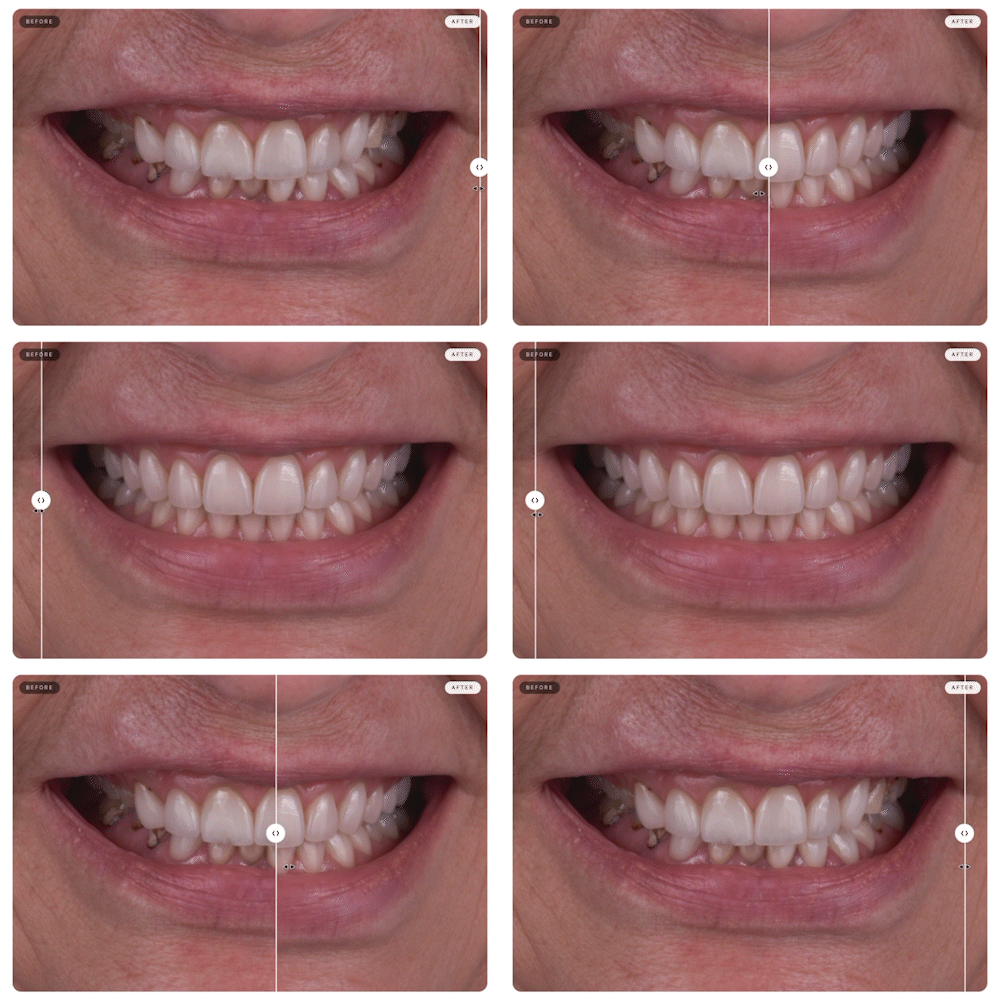
Veneers look real when the porcelain is thin enough that light passes through it, the way it passes through your own enamel. Most fake-looking veneers aren't fake because they're white. They're fake because they're thick: light bounces off the front instead of traveling into the tooth, so they look flat and opaque, and the extra bulk pushes the lip forward. Thin porcelain, a tooth color that suits your face, and small differences from tooth to tooth are what make veneers disappear into a smile. That's the standard I hold every case to.

Here's my claim, and some people will disagree with it: if you lined up ten sets of veneers that look fake, most of them would fail on thickness before they failed on color.
Look closely at a natural front tooth in good light. The edge is slightly see-through. The color deepens toward the gum. Light goes into the tooth, bounces around inside it, and comes back out softened. That depth is what your eye reads as a real tooth, even if you couldn't put it into words.
Thick porcelain can't do that. Light hits the front surface and reflects straight back, so the tooth looks flat, like a painted surface. Make it bright white as well and you get the chalky look everyone fears. And because thick porcelain sits further forward, it changes how your lips rest. People notice that before they notice the teeth. They just can't say why your smile looks different.
I want porcelain thin enough that light passes through it and bounces off the tooth underneath. That's what makes a veneer look real. When it's done well, the lab is shaping porcelain that borrows its depth from your own tooth.
Thin porcelain only works when the tooth underneath is ready for it. I look at three things first.
1. The color of the tooth underneath. Because thin porcelain lets light through, the tooth beneath it shows through a little. That's the point. But it also means a dark old filling or a deeply stained tooth can show too. Sometimes we whiten first, replace an old filling, or adjust the plan so a darker tooth gets a little more coverage. Planning this ahead is what keeps the final color even.
2. Where each tooth sits. If a tooth is tucked back behind its neighbors, porcelain has to fill that space, and the veneer gets thick. If a tooth sits forward, it may need a little more shaping so the veneer doesn't bulge. I want to remove as little natural tooth as possible, and sometimes the right answer for a tooth is to leave it alone. When the teeth are badly out of line, straightening first can keep the veneers thin.
3. Your gums and how you'll clean. A veneer that's too thick near the gum leaves a small ledge where plaque collects. The gums get inflamed, start to pull back, and a few years later a dark line shows where porcelain meets tooth. I'm not willing to hand you a smile you can't keep clean. And bleeding gums are never just a cosmetic problem: gum disease is associated with cardiovascular disease and diabetes, among other conditions in the body. That's why problems like decay or gum disease should be treated before veneers, not after.
The advice I hear most often online is some version of "always ask for no-prep veneers, because nothing gets removed." I understand where it comes from. Nobody wants their healthy teeth ground down, and that fear is reasonable.
But no tooth preparation at all means the porcelain sits on top of the tooth. On the wrong tooth, that's exactly how you get veneers that are thick, bulky and hard to clean. No-prep veneers are right for a narrow set of cases and wrong for many people who ask for them by name. I explain how I decide in why I don't recommend no-prep veneers for every smile.
Traditional porcelain veneers usually involve removing a thin layer of enamel from the front of the tooth. That step is permanent, and it's worth knowing that veneer treatment is not reversible. The reason to do it is so the veneer can sit flush, in the space where your enamel was, instead of adding bulk on top. Done conservatively, that small amount of shaping is what lets the porcelain stay thin.
To be fair, thin isn't a rule I apply blindly. A tooth that's very dark, from an old injury or certain kinds of staining, may need more coverage to hide the color underneath. A tooth with a large old filling or a crack may be better served by a crown. And sometimes the honest answer is that a person doesn't need veneers at all: whitening, a little bonding or straightening gets them where they want to be with less treatment.
A second opinion is healthy before any work you can't undo. If a plan you've been given sounds like it will make your teeth thicker or bigger than they need to be, ask why.
I start with photos of your smile and your face, and older pictures of you help when you have them. I run the photos through smile preview software, and you see a preview of your potential new smile on screen before anything is done. That's where we settle tooth color, length and shape, and where you tell me "a little less white" or "not so square."
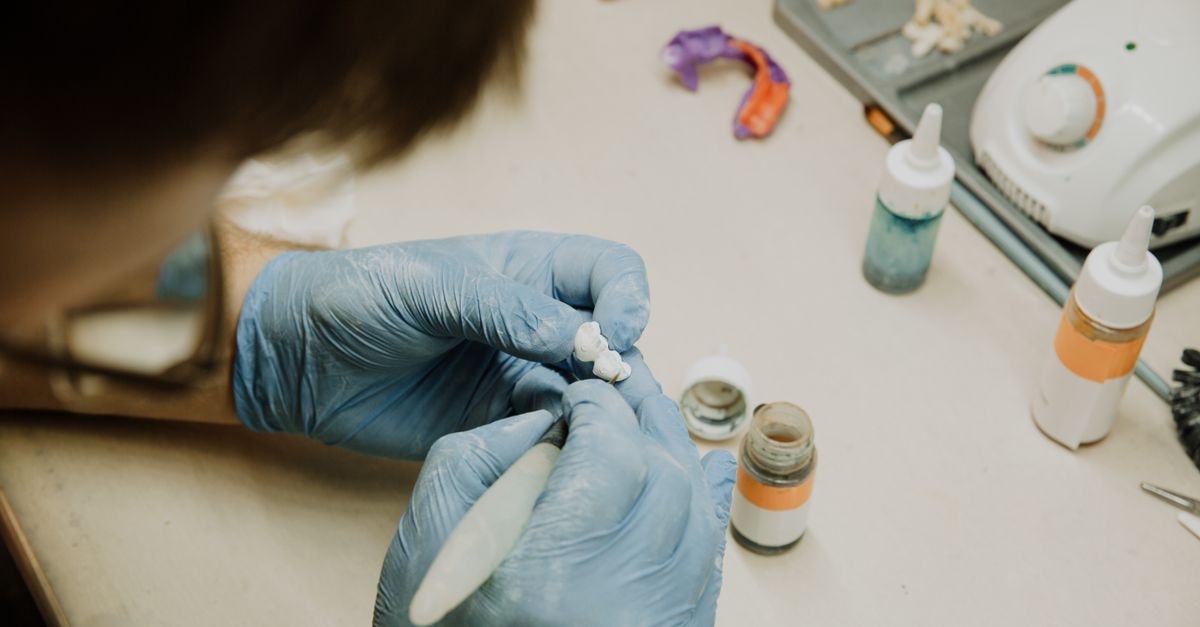
Then you wear temporary veneers. You see the new shape in your own mirror, talk and eat with it, and we change what doesn't feel right. Only after that does the lab make the final porcelain, built thin, one tooth at a time. Porcelain veneers take four visits in all.
Porcelain veneers are $3,135 per tooth, because each one is custom-made in a lab for that tooth. Six teeth is $18,810, eight is $25,080 and ten is $31,350. We file the claim with your insurance for you, so if your plan has out-of-network benefits, you can use them. HSA and FSA cards work too, and you can split treatment into monthly payments through Cherry.
The best compliment a veneer can get is that nobody notices it. People should just think you look rested and happy, and that your smile still looks like yours.
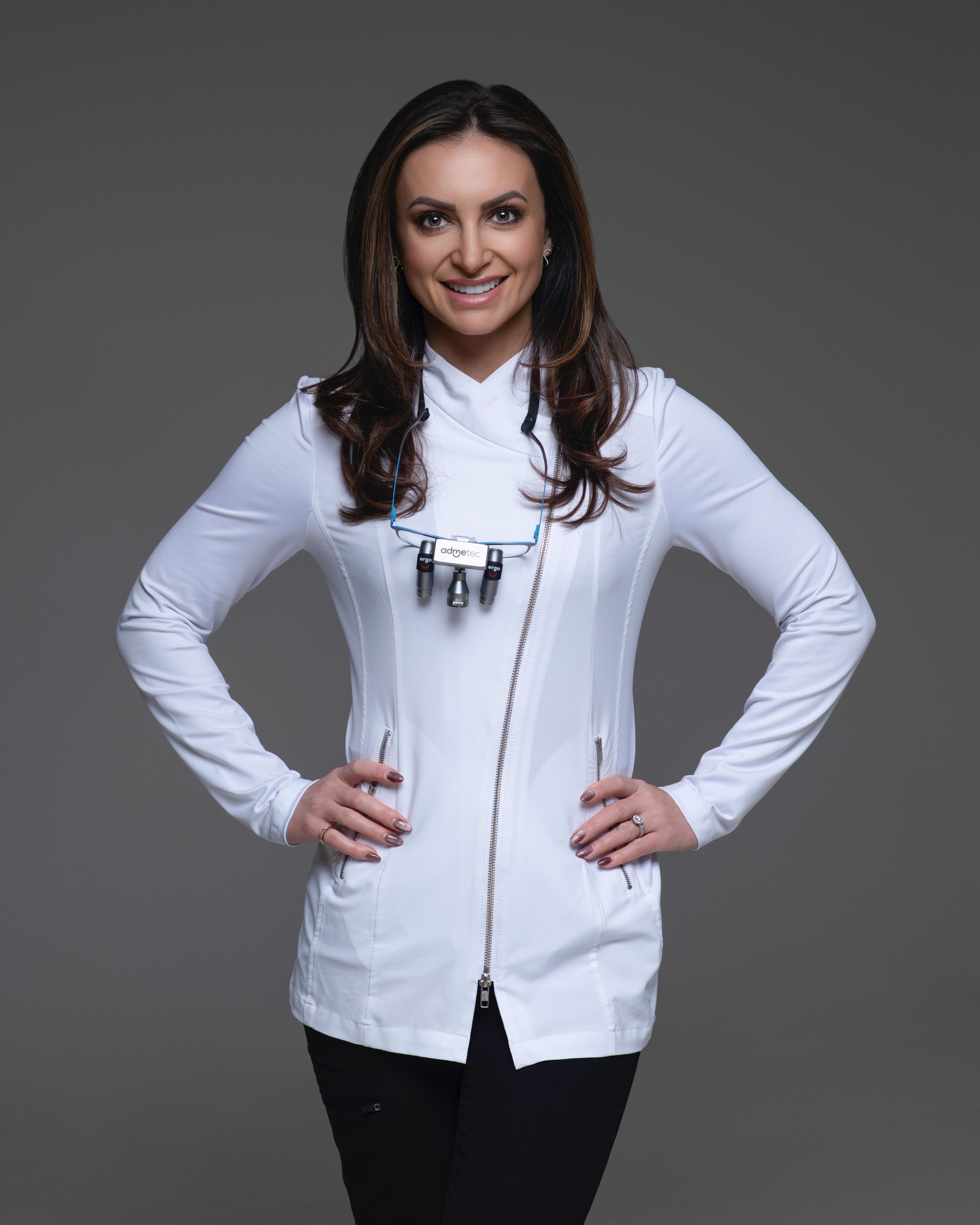
Want a first look from home? Try the free virtual consult: upload a photo of your smile, see a preview of what a makeover could look like, and I'll send you a personalized video with your plan. When you'd like to talk it through in person, your consultation is free. Book a consultation or call (214) 295-9270. I'm Darya Timin, DDS, FAGD, and I'll show you what thin, natural porcelain could do for your smile.
Quick answers to the follow-up questions patients ask most often. If yours isn't here, Dr. Timin is happy to walk you through it personally.
Get a custom treatment plan built around your smile, your bite and your health, designed by Dr. Timin.
Often, yes, once the grinding is managed. Grinding puts heavy force on the biting edges, so Darya Timin, DDS, FAGD checks your bite and wear first and usually recommends a custom night guard to protect the porcelain while you sleep. Severe grinding may need bite work before veneers.
Not when they are bonded to healthy enamel and the bite is planned. A thin veneer gets its strength from being bonded tightly to the tooth underneath, not from bulk. Problems usually come from an uncontrolled bite, grinding without a guard, or using front teeth to open packages.
Porcelain resists coffee, tea and red wine stains better than natural enamel or bonding. The edge where the veneer meets the tooth can still pick up stain if plaque collects there, so brushing, daily cleaning between teeth and regular cleanings keep veneers looking natural.
No. Porcelain veneers are $3,135 per tooth at Redefine Dental Aesthetic and Wellness Center, and no-prep veneers are the same per-tooth fee. Each is custom-made in a lab for one tooth, so the total follows how many teeth are treated: $18,810 for 6 or $25,080 for 8.