

What Is KöR Whitening, and Why Does It Take 90 Minutes?
Services
July 14, 2026


You've used the strips. You've tried the whitening toothpaste, maybe a kit from the drugstore, and your teeth still look more yellow than they did ten years ago. Someone mentions KöR whitening, you look it up, and the first thing you notice is that the appointment takes about 90 minutes. That seems like a long time to sit in a dental chair for something that comes in a box at the pharmacy. You want to know what actually happens in that time, and whether it's worth it.
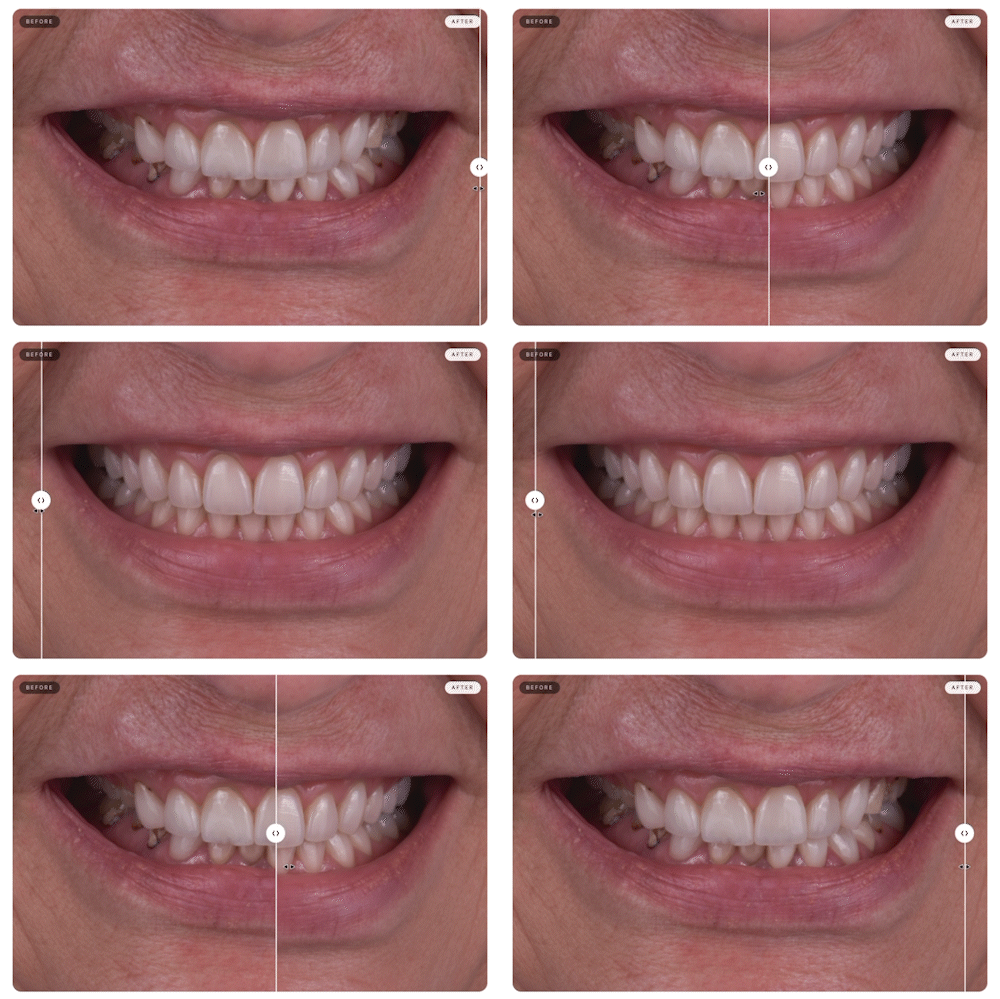
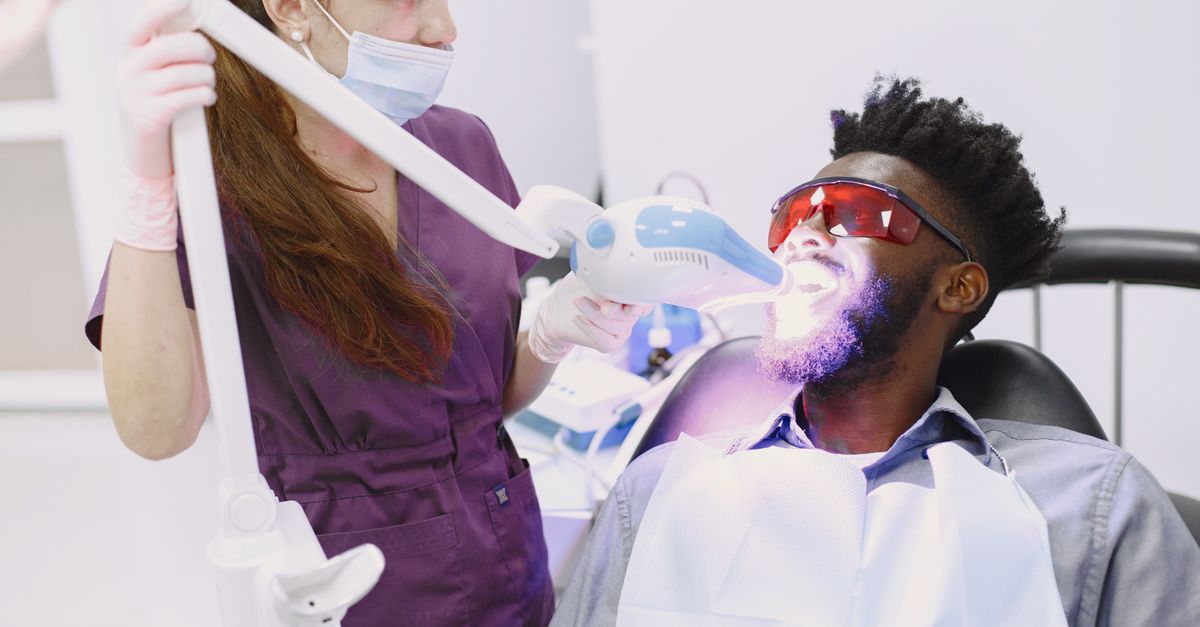
KöR whitening is the in-office whitening system I use at Redefine Dental Aesthetic and Wellness Center. It's done in one visit of about 90 minutes, and it's $715. The time isn't padding. It covers an exam of your teeth and gums before anything starts, protecting your gums from the gel, applying a professional-strength whitening gel in rounds, and checking your tooth color and comfort between rounds. That's what lets a strong gel work safely and evenly. Store-bought products use weaker gel over many days, which is why they so often stall on yellow teeth.
It fits best when the complaint is "my teeth look yellow no matter what I do." Two things usually cause that. Years of coffee, tea and red wine leave stain on the surface of the teeth. And as enamel slowly thins, more of the yellowish layer underneath starts to show through. Yellow teeth tend to respond well to whitening. Brown or grayish teeth often respond less.
It also helps people who want a lighter, fresher smile before a wedding, a reunion or a new job, without changing the shape of their teeth or removing any tooth.
And it's often the first step in a bigger plan. If veneers or crowns are coming, I may whiten the natural teeth first so the new porcelain can be matched to the lighter color. Porcelain keeps the color it's made in, so the order matters.
I'm Darya Timin, DDS, FAGD, and before I recommend any teeth whitening, I look at three things.
1. Your gums. Whitening gel on red, puffy or bleeding gums is uncomfortable, and the gums need care first anyway. It's never just the gums: bleeding gums are an open door for bacteria and inflammation that are linked to problems in the rest of the body. If that's what I see, a deep cleaning comes before any whitening.
2. What's causing any sensitivity. Worn enamel, roots showing where the gums have pulled back, a cracked tooth or a worn filling can all make teeth sensitive. Whitening on top of those can sting. I find the cause, treat it, and then plan the whitening.
3. What's already on your front teeth. Only natural teeth whiten. Fillings, crowns and bonding stay the color they are. If you have tooth-colored work on your front teeth, I'll tell you up front that it will look darker next to your whitened teeth, and we'll decide together whether to replace it afterward.
Sometimes the honest answer is that whitening isn't the right tool. Gray tones, color from some medications, or a single dark tooth after an old injury usually don't respond well. When that's the case, I'd rather tell you before you spend the money.
Here's the visit, in order.
A quick check and a starting color. We look at your teeth and gums, ask about any sensitivity, and record your starting tooth color so we can see the change at the end.
Protecting your gums. A barrier goes over your gums so the gel stays on your teeth. This step matters more than it sounds. When gums get irritated during whitening, it's usually because the gel slipped past the protection, so it's done carefully and checked as we go.
The gel, in rounds. Professional whitening gel is much stronger than anything sold over the counter. It goes on your teeth in rounds rather than all at once, so we can watch how your teeth respond and stop or adjust if anything feels uncomfortable.
Checking the color. Between rounds, we check where your tooth color is heading. The goal is a lighter version of your own teeth, not the brightest possible white.
Finishing. The gel and barrier come off, your teeth are rinsed, and we compare the new color with where you started.
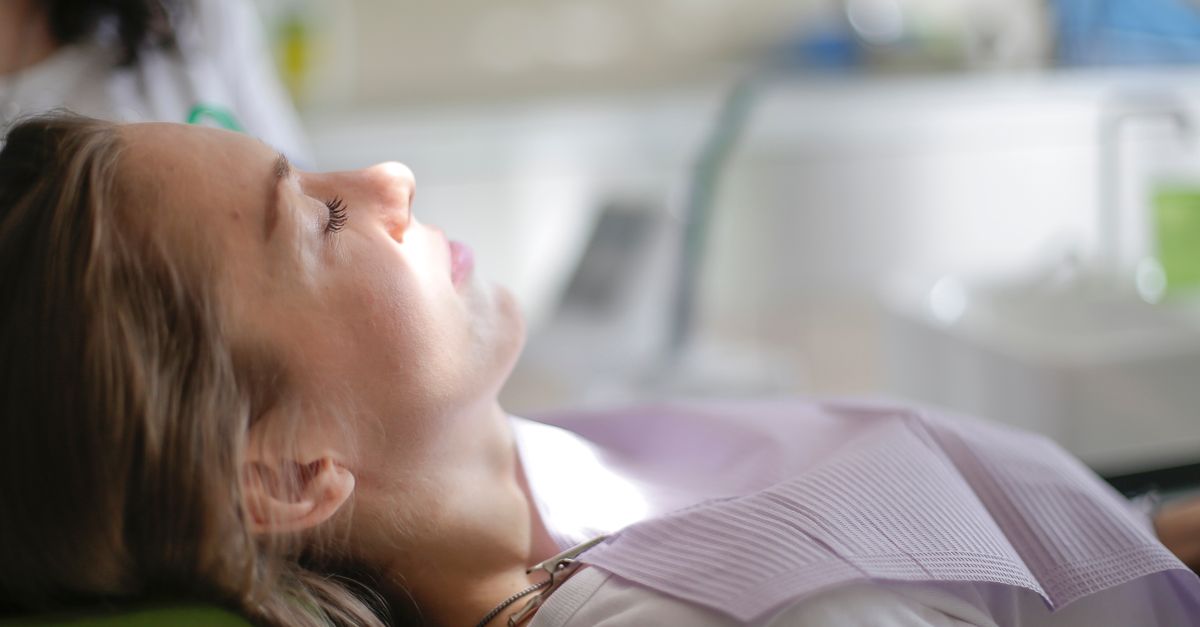
Most people find the time passes easily. You can listen to something, close your eyes, or just rest. If you tend to get nervous at the dentist, tell me ahead of time. We offer sedation options, including nitrous oxide (laughing gas), and we'll talk about whether one makes sense for you.
The fear I hear most isn't about the appointment. It's "I don't want my teeth to look fake."
Natural teeth aren't one flat color. They're a little warmer near the gums, a little see-through at the biting edges, and slightly different from tooth to tooth. A good whitening result keeps all of that. The teeth are lighter, but they still look like teeth.
So I plan the color around your face, not a chart. Your skin tone and the whites of your eyes set the limit. If you'd like to see the direction before we start, I can take photos and show you a preview of a lighter smile on screen. It's a preview, not a promise, but it helps you decide how far to go.
Some people feel temporary sensitivity after whitening. It's the most common side effect, and it usually settles on its own. If you've had sensitive teeth before, tell me, because it changes how I plan the visit and what I suggest you use at home afterward.
To keep the color longer:
If you're curious about the enamel question in more depth, I wrote about it in does teeth whitening damage your enamel.
In-office KöR whitening is $715 for the one visit of about 90 minutes. If you'd rather whiten at home at a slower pace, take-home Opalescence Go is $150. HSA and FSA cards are accepted for both. If you don't have dental insurance, the Smile Wellness Membership includes preventive wellness visits each year and 10% off other treatment, with some exclusions.
Your consultation is free. I'll look at your teeth and gums, tell you honestly how much lighter they can get, and help you pick between in-office and take-home whitening. If whitening isn't the right tool for your teeth, you'll hear that too, along with what would work.
For a first look from home, try the free virtual consult: upload a photo, see a preview of what a refreshed smile could look like, and I'll send back a personalized video. When you're ready, book a consultation or call (214) 295-9270.
Quick answers to the follow-up questions patients ask most often. If yours isn't here, Dr. Timin is happy to walk you through it personally.
Get a custom treatment plan built around your smile, your bite and your health, designed by Dr. Timin.
Often, yes, after an exam. Sensitivity usually comes from worn enamel, exposed roots, receding gums, a cracked tooth or an old filling that has worn. Darya Timin, DDS, FAGD finds and treats the cause first, then plans the whitening so the gel goes on teeth that are ready for it.
Not when it is planned and supervised. The real risk comes from overusing whitening products, which can irritate gums or wear on enamel over time. In the office, Dr. Timin checks your teeth first, protects your gums during treatment and watches how your teeth respond, so you get the color change without overdoing it.
It varies from person to person. Coffee, tea, red wine and tobacco put stain back on teeth over time, so the color slowly fades for most people. Brushing twice a day, rinsing with water after dark drinks and keeping regular cleanings help the result hold. Some people use take-home whitening later to refresh it.
In-office KöR whitening is $715 at Redefine Dental Aesthetic and Wellness Center, for one visit of about 90 minutes. Take-home Opalescence Go is $150 and works more gradually. HSA and FSA cards are accepted, and the free consultation is the place to find out which one suits your teeth.