

Full Invisalign or Limited Invisalign: Which One Do I Need?
Comparison
September 15, 2026



Your teeth are only a little crooked. Maybe one front tooth has drifted, maybe a small gap opened up, maybe the straight smile you had after braces as a teenager isn't so straight anymore. You've heard there's a shorter, cheaper version of Invisalign, and you're wondering: full Invisalign or limited Invisalign, which one do you actually need, and is the cheaper option enough?
Limited Invisalign fits when the problem is small and stays in the front: a slightly crooked tooth, a small gap, mild crowding, or a little drift after old braces, with a bite that already meets well. Full Invisalign fits when more teeth need to move, when the crowding is moderate, or when your upper and lower teeth don't meet the way they should. At Redefine Dental Aesthetic and Wellness Center, limited treatment is $4,950 and full treatment is $5,950. The deciding factor isn't how your front teeth look. It's how your bite works, and I check that first.
The $1,000 difference reflects how much the plan has to do. It isn't a better or worse product. It's a bigger or smaller job.
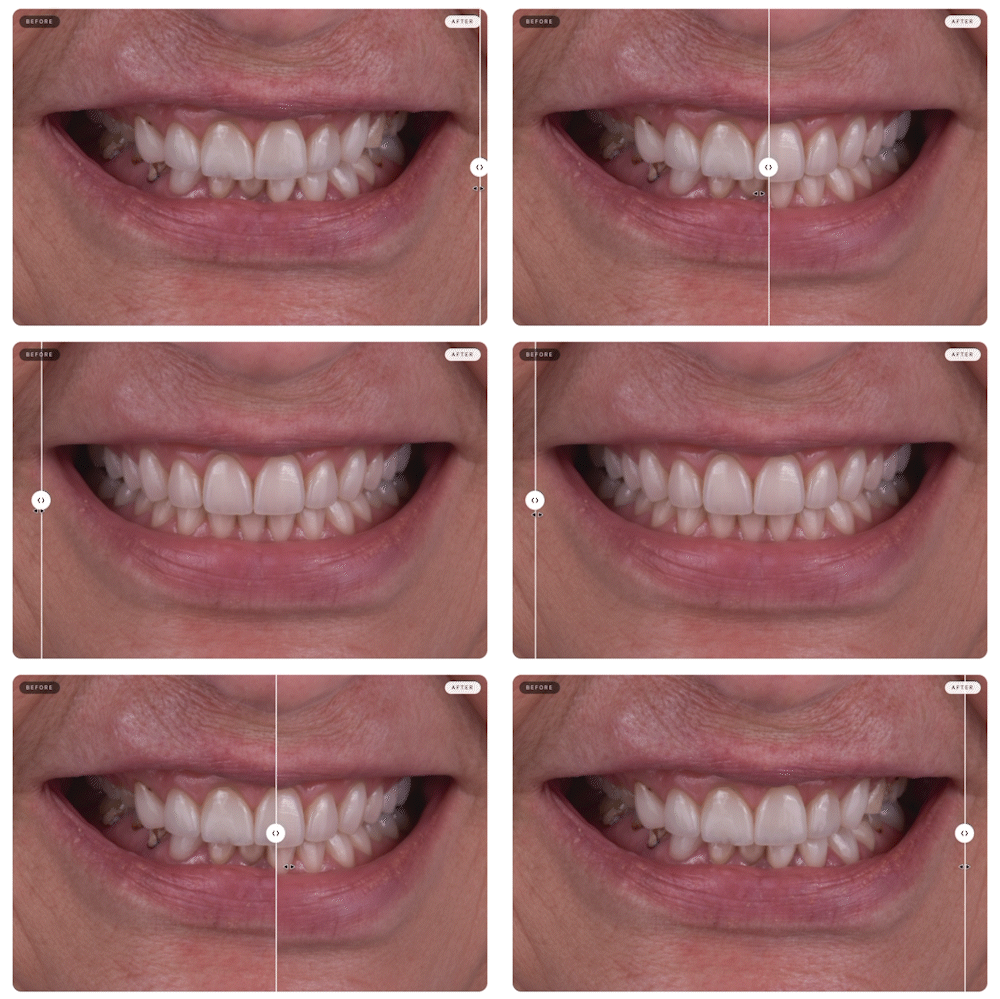
Limited treatment is a good fit more often than people expect. If your back teeth meet evenly, your jaw is comfortable, and the thing that bothers you is a front tooth that's turned or a small gap you can see in photos, a limited plan can fix it without moving teeth that are already where they belong.
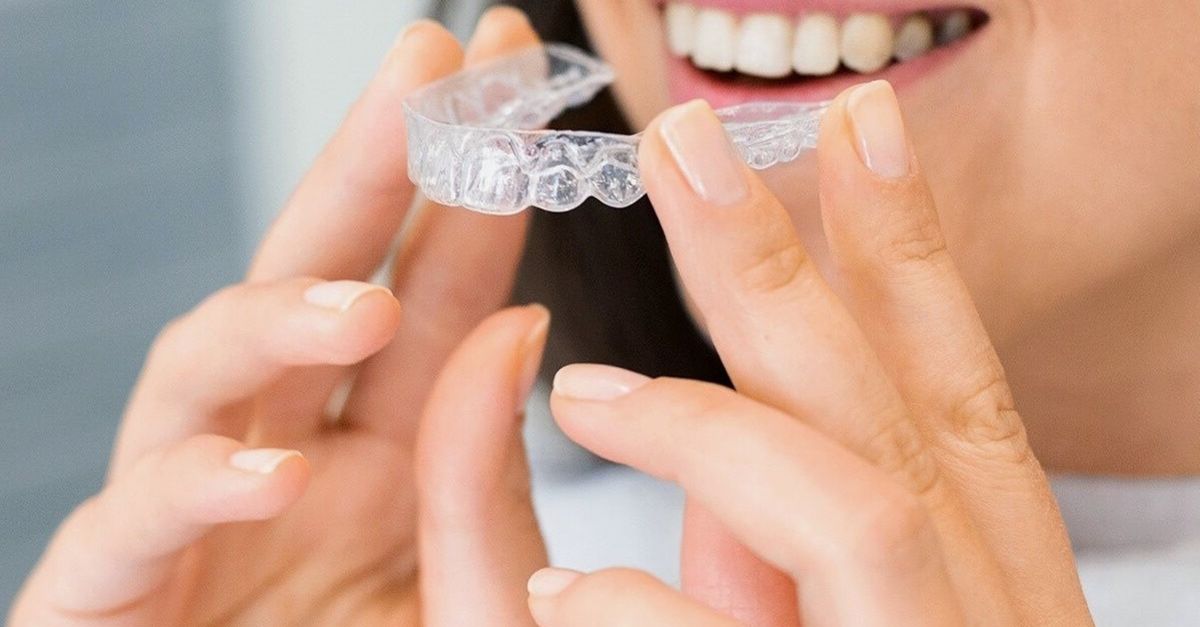
That's the conservative choice, and I like conservative. Clear aligners fix crowded or crooked teeth by moving your own teeth, so nothing is drilled, shaved or covered. For a few slightly crooked teeth, aligners are often worn for up to about nine months, while bigger corrections take longer. Your own timeline follows your plan.
Limited Invisalign is also a common answer for adults who had braces as teenagers. Teeth drift over the years, especially once a retainer stopped being worn. When the drift is small, a limited plan can bring them back.
Full treatment is the right call when fixing the front teeth alone would leave the bite worse off. That happens more than people realize.
If your front teeth are crowded because there isn't enough room in the arch, straightening them may mean creating space further back. If your upper and lower teeth don't meet evenly, moving only the front teeth can push them into a position where they hit too hard or wear down. And if a gap exists because of how the teeth meet, closing it without fixing the bite can let it open again.
In those cases, choosing the cheaper plan isn't saving money. It's paying for a result that won't hold. Full Invisalign lets the plan move every tooth that needs to move, including the back teeth, so the smile and the bite end up working together.
When someone asks me "full or limited?", I look at three things before I answer.
1. How your back teeth meet. I trained at the Kois Center, where the bite comes before the look. If your back teeth meet evenly and your jaw is comfortable, a limited plan focused on the front is usually safe. If they don't, the front teeth can't be planned on their own.
2. How much room there is. Crowding means the teeth need more space than the arch gives them. A little crowding can be solved in the front. More crowding usually means a full plan, so the space comes from the right place.
3. Your gums and how well you can clean. Crowded, overlapping teeth trap plaque where a toothbrush can't reach, and gums that stay inflamed there are an open door for bacteria and inflammation that are linked to problems elsewhere in the body. Straight teeth are easier to keep clean. That's part of why I think of Invisalign as a health treatment as much as a cosmetic one.
I recommend the smallest plan that gives you a result you can keep. For a lot of adults with a small, front-only concern and a healthy bite, that's limited Invisalign. When the bite needs work, I'll tell you plainly that full treatment is the better value, even though it costs more.
Before you commit to either, I take photos of your smile and run them through smile design software, so you see a preview of how your straightened smile could look on screen. It's a preview, not a promise. The goal is a natural result: your own teeth, lined up, with their own shape and tooth color. Nobody should look at you and think you've had work done.
Moving teeth first can also mean less treatment later. Straightening a crowded tooth can sometimes replace the need for porcelain veneers or cosmetic bonding to fake a straighter line. I explain that decision in more detail in how I decide between Invisalign and veneers for crowding.
Whichever plan you choose, the retainer is part of it. Retainers preserve and stabilize the results of moving teeth, and a small correction can drift back just as easily as a big one.
Invisalign at our practice is $5,950 for full treatment and $4,950 for limited treatment, the option for smaller corrections. The number of appointments follows your custom plan, and each check-in takes 30 to 60 minutes.
We file the claim with your insurance for you, so if your plan has out-of-network benefits, you can use them. HSA and FSA cards are accepted, and you can split treatment into monthly payments through Cherry. If you don't have dental insurance, the Smile Wellness Membership includes preventive wellness visits each year and 10% off other treatment, with some exclusions.
You don't have to guess between full and limited. I'm Darya Timin, DDS, FAGD, and in a free consultation I'll check your bite, look at your gums, show you a preview on screen, and tell you which plan gives you a straight smile you can keep, using the teeth you already have.
Want to start from home? Try the free virtual consult: upload a photo of your smile, see a preview of what could change, and I'll send back a personalized video with your treatment plan. When you're ready, book a consultation or call (214) 295-9270.
Quick answers to the follow-up questions patients ask most often. If yours isn't here, Dr. Timin is happy to walk you through it personally.
Get a custom treatment plan built around your smile, your bite and your health, designed by Dr. Timin.
Yes. Teeth can drift for years after braces, especially when a retainer stopped being worn, and clear aligners are a common way to fix that as an adult. When the shift is small and the bite still meets well, limited Invisalign may be enough; Darya Timin, DDS, FAGD checks the bite before recommending either.
Usually not, though most people feel pressure. Each new aligner presses the teeth toward their next position, so they can feel tight or tender for a short time after a switch. The feeling fades as the teeth settle, and it's the same with full and limited treatment.
Yes. Retainers hold teeth in their new positions, and that matters just as much after a small correction as after a big one. Teeth that were moved a short distance can drift back the same way. Dr. Timin builds the retainer into the plan from the start.
Yes. Limited Invisalign is $4,950 and full Invisalign is $5,950 at Redefine Dental Aesthetic and Wellness Center. Limited treatment covers smaller corrections, so the plan is simpler. HSA and FSA cards are accepted, and Cherry lets you split either option into monthly payments.