

Mouth Breathing at Night: What It Does to Your Teeth and Gums
Health
September 8, 2026



You wake up with your tongue stuck to the roof of your mouth. The glass of water on the nightstand is already empty, your breath is stale before you've said a word, and lately your teeth feel more sensitive than they used to. You suspect you sleep with your mouth open. What you want to know is whether mouth breathing at night is doing real damage to your teeth and gums, or whether it's just an annoying way to start the day.
Yes, mouth breathing at night can harm your teeth and gums, and it does it quietly. Breathing through your mouth for hours dries out your saliva, and saliva is your teeth's main protection: it rinses away food and bacteria and carries minerals that keep enamel strong. Without it, cavities form more easily near the gumline, gums along the front teeth can stay puffy and red, and sensitivity can creep in. The fix starts with finding why you breathe through your mouth, a blocked nose, allergies or a sleep problem, and then protecting your teeth and gums while that gets treated.

The first link is the simplest. Dry mouth, bad breath, snoring and feeling tired all the time are among the common signs of mouth breathing in adults. So that sticky, parched feeling on waking isn't random. It's what hours of air moving across your teeth and gums does.
The second link is what a dry mouth does to teeth. Saliva carries calcium and phosphate that help keep teeth strong, and a dry mouth raises the risk of tooth decay and fungal infections. Mouth breathing dries up that protection for hours at a time, every night.
The third link is the gums. In one clinical study of adults with gum disease, gum inflammation settled more slowly after a deep cleaning in mouth breathers than in people who breathed through the nose, especially on the inner side of the upper teeth. The overall results caught up over the following weeks, but the tissue took longer to calm down. That matches what I see in the chair: gums that stay red and puffy along the front even when someone brushes carefully.
Think about what saliva does all day without you noticing. It washes food off your teeth. It thins out the sticky film of bacteria (plaque) before it can settle in. It brings minerals back to enamel after you eat or drink something acidic.
When your mouth hangs open for seven or eight hours, that system shuts down. Plaque sits on your teeth longer. The acids bacteria make stay in contact with your enamel longer. The gum tissue along your front teeth, which is the part most exposed to moving air, dries out and gets irritated.
It's never just your teeth, either. Gums that stay inflamed are an open door. The bacteria and inflammation in bleeding gums are linked to heart and blood vessel disease, diabetes and other problems in the body. A dry mouth at night keeps that door propped open.
A dry mouth has other causes too. Some medications reduce saliva, and that effect stacks on top of mouth breathing. Please don't change any medication on your own. Tell me and your physician what you take, so we can plan around it.
Most people don't know they do it. These are the clues I ask about and look for:
Snoring and daytime tiredness deserve special attention. Sleep apnea, where breathing stops and starts during sleep, is one of the known reasons people breathe through the mouth at night. You can read more in signs you may have sleep apnea, even if you don't snore.
I'm Darya Timin, DDS, FAGD, and when I see the signs of a dry mouth at night, I look at three things before I talk about treatment.
1. Your gums. I check for bleeding, puffiness and how deep the spaces between your gums and teeth have become. If the gums are inflamed below the gumline, a deep cleaning is the starting point, because no rinse or toothpaste reaches that far.
2. Your saliva. Salivary testing shows how much saliva you make, how acidic it is, and which bacteria are driving the problem. At our practice, deep cleaning with salivary testing is one combined fee of $1,802, because the two answer the same question: what's going on in your mouth, and why.
3. Your airway and sleep. I look at the signs in your mouth that can point to a sleep or breathing problem, and when they show up, I'll suggest a sleep evaluation with a physician. If sleep apnea is confirmed, a custom oral appliance from our sleep apnea care may be one of the options your physician and I discuss. For a blocked nose, a physician or an ear, nose and throat specialist is the right next step.
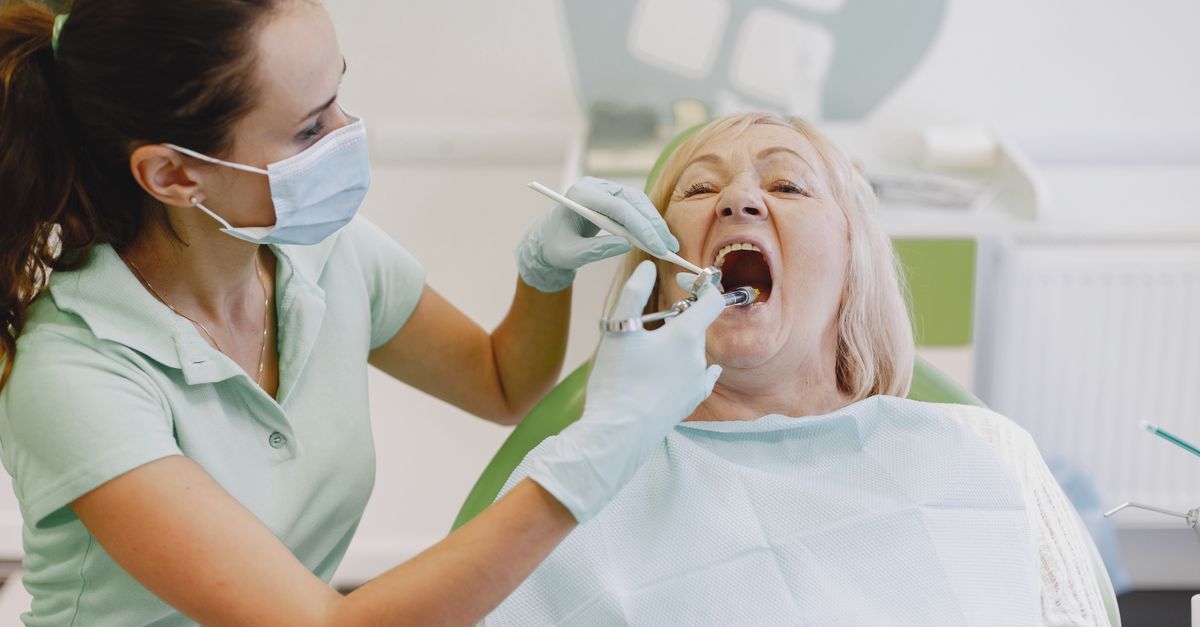
From there, the plan is about protecting what you have while the cause gets treated: more frequent preventive visits if your gums need closer watching, and catching small cavities near the gumline before they grow.
You don't need to wait for an appointment to start helping your mouth at night.
Treating new cavities and sensitive teeth one by one, while the dry mouth keeps going every night, is a cycle. I'd much prefer to find the reason your mouth dries out and protect your teeth and gums around it. That's what biointegrative dentistry means at Redefine Dental Aesthetic and Wellness Center: your mouth, your sleep and the rest of your body treated as one system.
Your consultation is free. Book a consultation or call (214) 295-9270, and we'll look at your gums, your saliva and your sleep signs together. HSA and FSA cards are accepted, and if you don't have dental insurance, the Smile Wellness Membership includes preventive wellness visits each year.
Quick answers to the follow-up questions patients ask most often. If yours isn't here, Dr. Timin is happy to walk you through it personally.
Get a custom treatment plan built around your smile, your bite and your health, designed by Dr. Timin.
Yes, it can raise your risk. Brushing removes plaque, but saliva is what rinses your teeth and gives them minerals between brushings. Hours of mouth breathing at night leave the teeth dry and less protected, so new cavities can show up near the gumline even in people with good habits.
It can be one sign, not a diagnosis. Sleep apnea is one of the known reasons people breathe through the mouth at night, along with a blocked nose and allergies. Darya Timin, DDS, FAGD looks for related signs in the mouth and refers you to a physician for a sleep evaluation when they show up.
It can help. A humidifier at night adds moisture to the air, so the mouth dries out less while you sleep. It doesn't fix the reason you breathe through your mouth, so it works best alongside finding the cause, such as a blocked nose or a sleep problem.
Deep cleaning with salivary testing is one combined fee of $1,802 at Redefine Dental Aesthetic and Wellness Center. It covers the cleaning below the gumline and the saliva test that shows what is driving the gum problem. The office files the claim for you, and depending on the plan, insurance has helped cover deep cleanings.