

Veneers or Teeth Whitening for Yellow Teeth: Which Do I Need?
Comparison
July 3, 2026



Your teeth look yellow no matter what you do. You've tried the whitening strips, the charcoal toothpaste, maybe a round of whitening years ago that worked for a while and then faded. Now you're wondering about veneers or teeth whitening for yellow teeth, and whether you've reached the point where only porcelain will do. You also don't want to end up with teeth that look too white, too even, or obviously done.
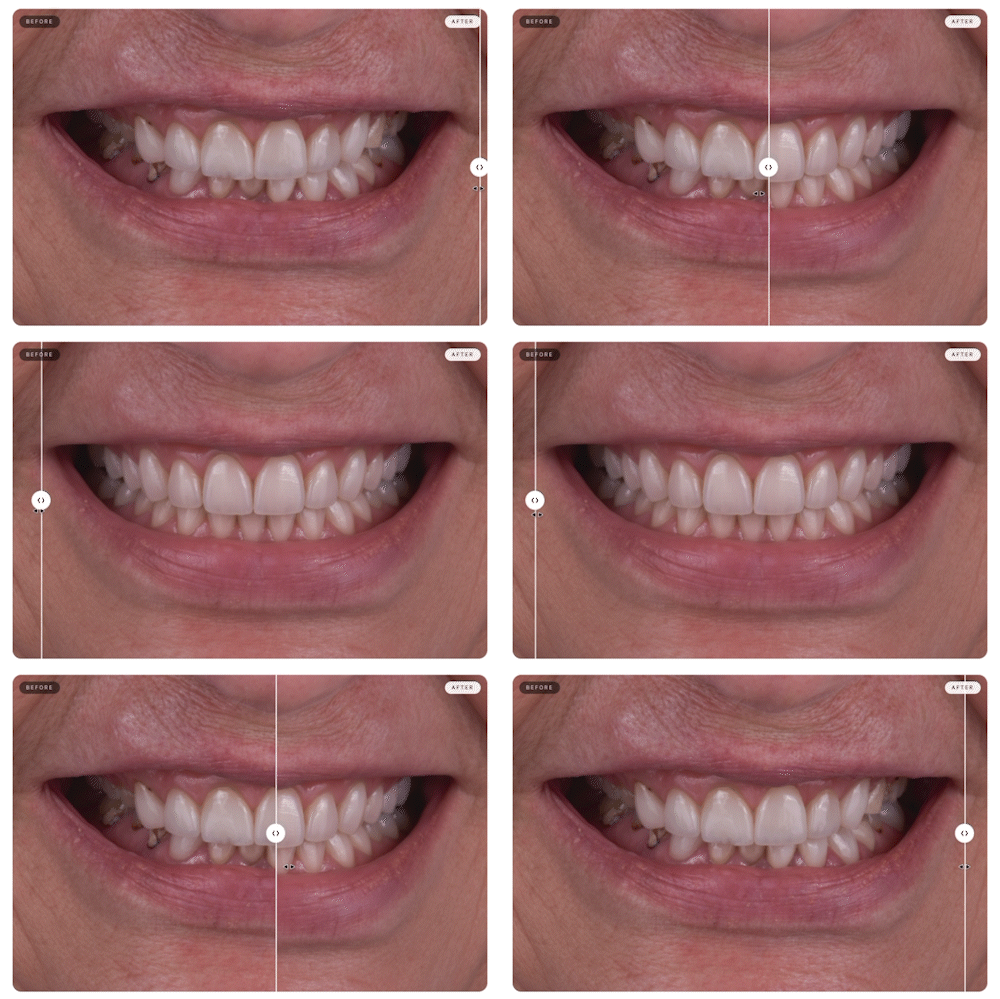
If your yellow comes from surface stain or natural aging of healthy teeth, professional whitening is usually the right first step, and it costs far less. Porcelain veneers make sense when the color comes from inside the tooth, when old fillings or crowns on your front teeth won't whiten, or when you also want to change the shape, length or chips. I start with photos of your smile, then show you a preview of your potential new smile on screen, so you can see what whitening alone might do and what veneers would add before you decide.
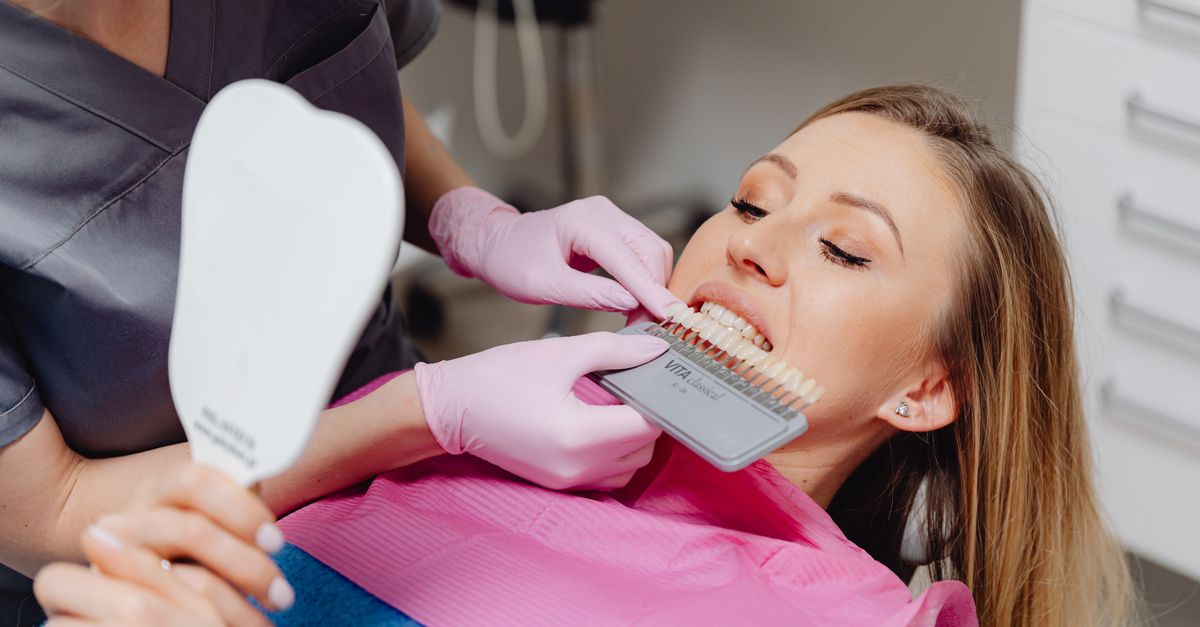
Here's how the two compare for yellow teeth, in plain terms.
The price gap is real. So is the difference in what each one can fix. That's why I don't decide by price, and I don't decide by what someone asks for at the front desk. I decide by why the teeth are yellow.
Most yellowing in your 40s and 50s comes from two things. Years of coffee, tea and red wine leave stain on the surface. And as enamel thins with age, more of the yellowish layer underneath shows through. Yellow teeth tend to respond well to whitening. Brown or grayish teeth often don't.
If your teeth are healthy, your front teeth don't have large fillings or crowns, and you like their shape, professional teeth whitening is where I'd start. It keeps every bit of your own tooth. It's also the conservative choice, and conservative is how I like to begin: remove as little of your natural tooth as possible, and sometimes the right answer is to not cover a tooth at all.
A few things decide which whitening fits. In-office KöR whitening gets you the biggest change in one 90-minute visit. Opalescence Go is a take-home option that works more gradually. Either way, I check your gums and any worn edges first, because whitening gel on inflamed gums or exposed root surfaces is uncomfortable and doesn't give an even result.
If you've already whitened and the yellow came back fast, or never really left, that tells me something too. I wrote about the common reasons in why teeth stay yellow even after whitening.
Whitening has limits, and it's better to know them before you spend the money. It won't change the color of crowns, veneers or fillings, and it won't fix discoloration from some medications or from an old injury to a tooth.
So when someone in her 50s tells me "my old fillings look dark" or "this one crown never matched," whitening alone usually makes the mismatch worse. The natural teeth get lighter and the old work stays the same, so it stands out more than before.
Porcelain veneers solve the color and the mismatch together. They can also even out edges that have worn thin, close small gaps, and lengthen teeth that have gotten shorter over the years. If yellow is only one of three or four things that bother you about your smile, veneers are often the more honest answer.
The tradeoff is permanence. Veneers are not reversible, because enamel is removed to place them. That's why I never jump to porcelain when whitening would do the job.
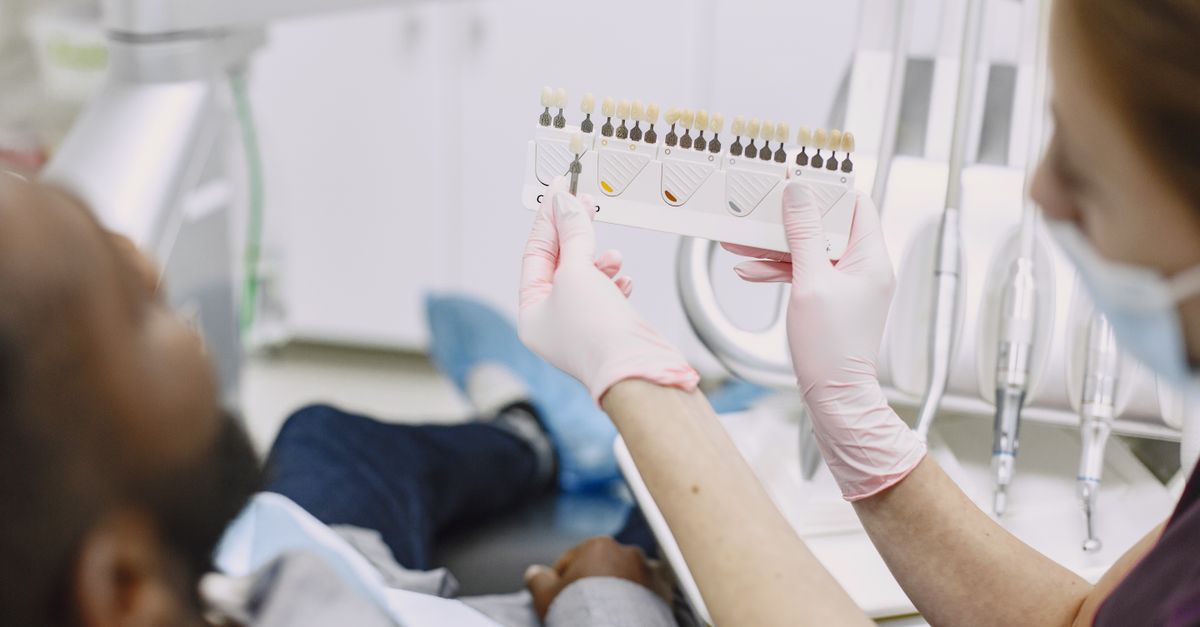
When someone sits down and asks me "whitening or veneers?", these are the three things I look at first.
1. Where the yellow is coming from. Surface stain and age-related yellowing usually respond to whitening. Gray tones, color from medications, or one dark tooth after an old injury usually don't. I can often tell which one I'm looking at from the photos and an exam.
2. What's already on your front teeth. I count the fillings, crowns and bonding on the teeth that show when you smile. If there's a lot of old work up front, whitening will lighten the teeth around it and leave the old work behind. In that case we either plan to replace the old work after whitening, or we go to veneers.
3. The health of your enamel and gums. Thin, worn enamel, sensitivity and bleeding gums all change the plan. Gum inflammation comes first, because it's never just the gums: bleeding gums are an open door for bacteria and inflammation that are linked to problems in the rest of the body. I also ask about dry mouth. Saliva carries minerals that help keep teeth strong, and a lot of the enamel wear I see is tied to a dry mouth, often a side effect of some medications. When that's part of the picture, salivary testing helps me find the cause, so we fix the reason the teeth are wearing and not only the color.
For a lot of people, the answer is whitening first, then decide.
Whiten the natural teeth. Let the color settle. Then look again. Sometimes that's the whole treatment. Sometimes one or two old crowns or fillings now look darker than everything around them, and we replace just those to match the new color. And sometimes the whitening shows that the shape and wear bother you as much as the color did, and veneers become the clear choice.
When veneers are the plan, the goal is still a natural result. You see the design on screen first, then you wear temporary veneers to try the new look, length and feel when you talk and eat. Only then is the final porcelain made. I want porcelain thin enough that light passes through it the way it does through enamel, and a tooth color that suits your skin and the whites of your eyes. Nobody should be able to tell. They should just think you look rested.
What I won't do is make your teeth whiter than your face can carry. Too white looks fake, and looking obviously done is the outcome most people are afraid of.
Your consultation is free. You'll see a preview of your potential new smile on screen, know whether whitening alone can get you there, and leave with real numbers for either path. We file the claim with your insurance for you, so if your plan has out-of-network benefits, you can use them; HSA and FSA cards work too, and you can split treatment into monthly payments through Cherry.
If you'd like a first look from home, try the free virtual consult: upload a photo of your smile, see a preview of what a makeover could look like, and I'll send back a personalized video with your plan. When you're ready, book a consultation or call (214) 295-9270.
Quick answers to the follow-up questions patients ask most often. If yours isn't here, Dr. Timin is happy to walk you through it personally.
Get a custom treatment plan built around your smile, your bite and your health, designed by Dr. Timin.
Yes, but the crowns will stay the color they are now. Whitening gel only lightens natural enamel, not porcelain, crowns or fillings. Darya Timin, DDS, FAGD usually whitens the natural teeth first, lets the color settle, and then decides whether any crown needs replacing to match the new tooth color.
Some people feel sensitivity during or after whitening, and it is usually temporary. Teeth that are already sensitive, or enamel worn thin at the edges, can react more. Dr. Timin checks for worn enamel, receding gums and open fillings first, so the gel goes on teeth that are ready for it.
Porcelain holds its color far better than natural enamel, so veneers do not yellow the way teeth do. The edge where the veneer meets the tooth can still pick up stain from coffee, tea or red wine, which is why daily cleaning between teeth and regular cleanings keep veneers looking natural.
In-office KöR whitening is $715 and take-home Opalescence Go is $150 at Redefine Dental Aesthetic and Wellness Center. Porcelain veneers are $3,135 per tooth because each is custom-made in a lab, so 6 teeth is $18,810. Whitening first is often the sensible starting point when the teeth are healthy.