

Why I Check Your Gums Before Veneers, Every Time
Opinion
September 22, 2026



You came in to talk about veneers. Your front teeth look yellow no matter what you try, an old filling has gone gray, and you have a picture in your head of how you'd like your smile to look. Then I spend the first part of the visit looking at your gums. If that feels like a detour, I understand. You might even have noticed a little pink in the sink when you floss and decided it was nothing. Here's why I check your gums before veneers, every single time, and what I'm looking for.
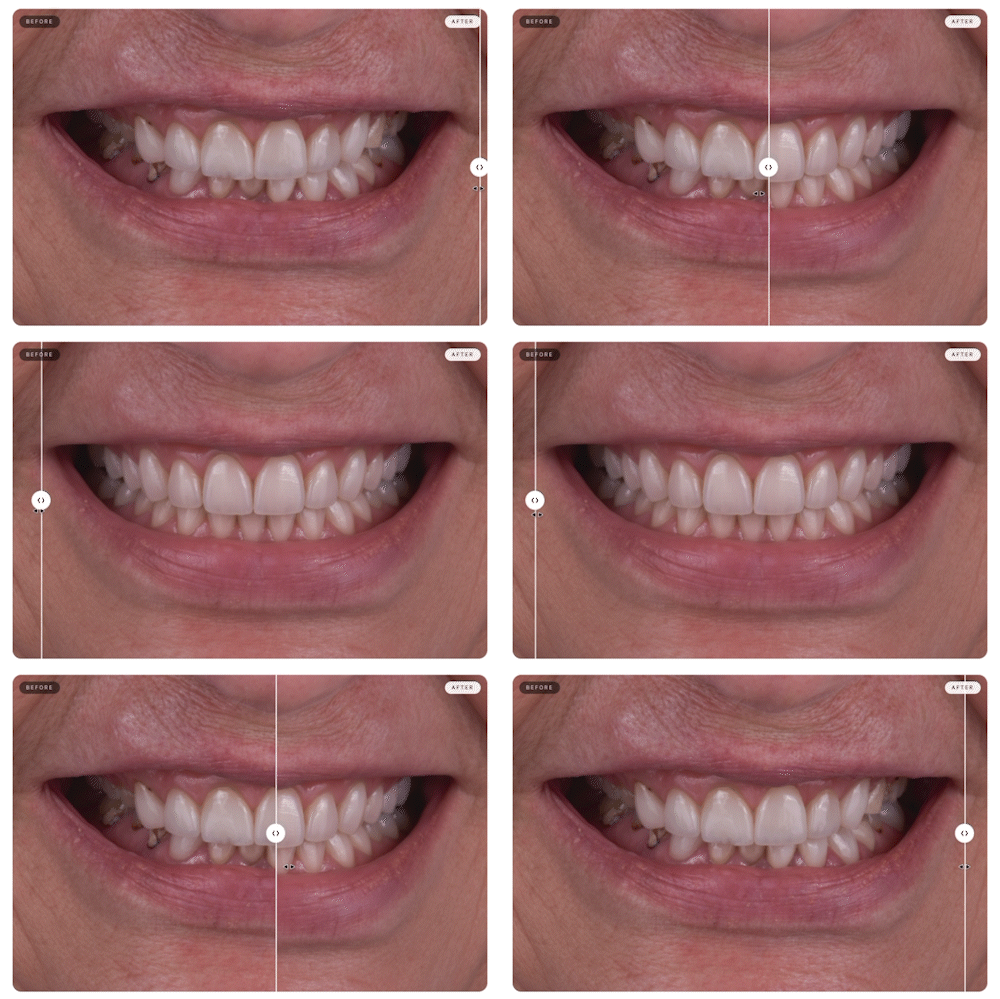
Your gums decide whether veneers will still look natural years from now. Porcelain doesn't decay, but the gum line around it can swell, bleed and pull back, and when that happens the edge of the veneer starts to show as a dark line. So I check your gums before veneers come up at all. If they're red, puffy or bleeding when you brush, we calm them down first, usually with a deep cleaning and salivary testing. Once the gums are healthy, I plan the veneers against tissue that will hold its shape, and you get a result that keeps looking like your own teeth.
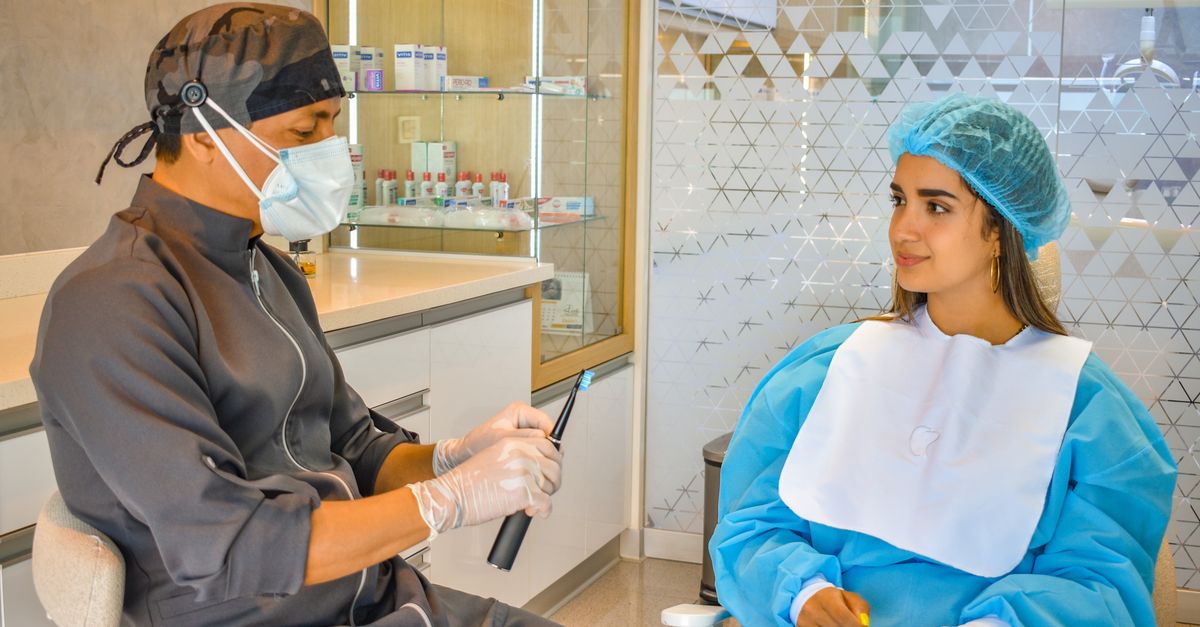
Most people expect a veneer consultation to start with tooth color and shape. Which teeth, how white, how long. Those questions matter, and we'll get to them. But I'm Darya Timin, DDS, FAGD, and my training puts the foundation first. A veneer is only as good as the gum it sits against.
Here's what I mean in plain terms. A porcelain veneer is a thin shell bonded to the front of your tooth. Its edge sits right at the gum line. When the gum there is healthy, it hugs the edge tightly, and nobody can tell where your tooth ends and the porcelain begins.
When the gum is inflamed, it's a different story. Puffy gums change shape as they heal or recede. A veneer designed against swollen tissue can end up with a visible edge once the swelling goes down. And a gum that keeps bleeding tends to keep pulling back over time.
That's the outcome I'm trying to prevent. You don't want to pay for beautiful porcelain and then watch a gray line appear at the top of your front teeth.
1. Do they bleed? Healthy gums don't bleed when you brush or floss. If yours do, that's the earliest sign of gum disease. Gums that are red, swollen, tender or bleed easily are telling us the bacteria in plaque have set off inflammation. I'd rather know that now than discover it after the veneers are in.
2. Where is the gum line, and is it even? I look at how much gum shows above each front tooth and whether the line is level from side to side. If the gums have pulled back, the teeth can look longer than they used to. If one side sits lower, the veneers will look uneven no matter how well they're made. Sometimes the fix is to let the gums heal. Sometimes it's gentle gum recontouring so the frame around your teeth is even before we design anything.
3. What's driving the problem? Two people can have the same bleeding gums for different reasons. Dry mouth is a big one. Some medications reduce saliva, and less saliva means less protection for both your teeth and your gums. That's why I often pair a deep cleaning with salivary testing, which shows what's going on in your saliva and helps me fix the cause instead of just cleaning up after it.
This is the part of the conversation that surprises people most. I'm not only looking at your gums for the sake of your veneers.
Bleeding gums are an open door. When the tissue is inflamed and breaks open, bacteria from your mouth and the inflammation they cause can reach your bloodstream. Gum disease is associated with cardiovascular disease, rheumatoid arthritis and other conditions, and diabetes raises the risk of it. I walk through the heart research in more detail in this post on gum disease and heart disease.
So when I see bleeding gums in someone who came in for a cosmetic reason, I don't treat it as a box to check before the fun part. It's a health finding. Getting your gums healthy can matter for more than your smile, and it's the kind of thing I want you to hear from your dentist rather than discover later.
That's what biointegrative dentistry means at Redefine Dental Aesthetic and Wellness Center. Beautiful work, built on a mouth that's healthy enough to support it.
The most common thing I hear is "my gums have always bled a little." People get used to it, and some have been told it's normal. It isn't. Bleeding is a sign of inflammation, even when it doesn't hurt.
The second thing I hear is "can't we just do the veneers and clean up the gums later?" I understand the urge. You've waited a long time to like your smile. But veneers placed against inflamed gums tend to trap plaque at the edge, and that makes the gum problem worse, not better. Doing it in the other order protects both your health and the money you're putting into the porcelain.
The good news is that early gum inflammation (gingivitis) is still reversible and can usually be cleared with a professional cleaning and good home care. For many people, the gum step is shorter and simpler than they feared.
To be fair, plenty of people walk in with healthy gums. Firm, pink, no bleeding, an even gum line. For them, I don't invent a gum project. We go straight to planning.
I start with photos of your smile and face, then show you a preview of your potential new smile on screen before anything is done. From there you wear temporary veneers to try the new look, length and shape in your own life, and we can adjust it before the final porcelain is made. Porcelain veneers take four visits, and how long each one runs depends on how many teeth we're treating.
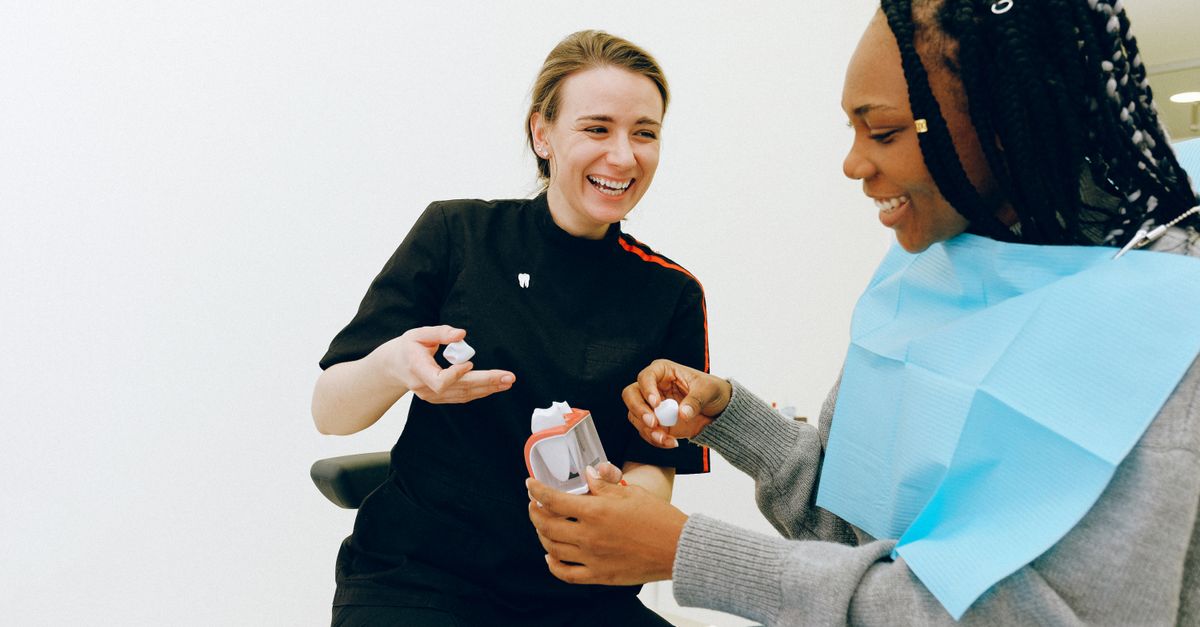
Healthy gums also make it easier to get the look you're after. The fear I hear most is looking "done": too white, too bulky, every tooth the same. Thin porcelain that lets light through, a tooth color that suits your face, and a gum line that frames the teeth evenly are what make veneers look like your own teeth. Nobody should be able to tell.
If your gums need help, here's the order I usually suggest. First, a deep cleaning with salivary testing to clear the bacteria below the gum line and find out what's driving the problem. That's $1,802 combined, one fee for both. Then good home care: a soft brush angled toward the gum line and cleaning between your teeth every day. Once the gums are calm and stop bleeding, we plan the veneers.
We file the claim with your insurance for you, so if your plan has out-of-network benefits, you can use them, and depending on the plan, insurance has helped cover deep cleanings. HSA and FSA cards work too, and Cherry lets you split treatment into monthly payments. If you don't have dental insurance, the Smile Wellness Membership covers preventive wellness visits each year and 10% off other treatment, with some exclusions.
If you've been wondering about veneers and you've noticed bleeding when you floss, that's not a reason to wait. It's a reason to come in. Your consultation is free, and you'll leave knowing where your gums stand, what they need, and what a natural result could look like for you.
If you'd like a first look from home, try the free virtual consult: upload a photo of your smile, see a preview of what a makeover could look like, and I'll send back a personalized video with your treatment plan. When you're ready to sit down together, book a consultation or call (214) 295-9270. Aesthetics with Purpose. Wellness by Design.
Quick answers to the follow-up questions patients ask most often. If yours isn't here, Dr. Timin is happy to walk you through it personally.
Get a custom treatment plan built around your smile, your bite and your health, designed by Dr. Timin.
Often, yes. What matters is how the gums look now. If they are calm, firm and not bleeding, and the bone around the teeth is stable, Darya Timin, DDS, FAGD can plan veneers. If inflammation is still active, the gums are treated first so the veneer edges sit against healthy tissue.
Not when they fit well and the gums are healthy to begin with. Recession around veneers usually follows plaque that sits at the edge and inflames the gum over time. A smooth, well-fitted edge, healthy gums before treatment and daily cleaning between the teeth keep the gumline where it belongs.
No new technique is needed, but daily cleaning between the teeth matters more. The natural tooth at the edge of each veneer can still collect plaque and decay. Floss or a water flosser every day, a soft brush angled toward the gumline and regular cleanings keep that edge healthy.
Deep cleaning with salivary testing is $1,802 combined at Redefine Dental Aesthetic and Wellness Center. One fee covers the cleaning below the gumline and the saliva test that shows what is driving the gum problem. Depending on the plan, insurance has helped cover deep cleanings, and HSA and FSA cards are accepted.