

Do Dental Crowns Look Fake? What a Natural Crown Looks Like Today
Services
September 25, 2026



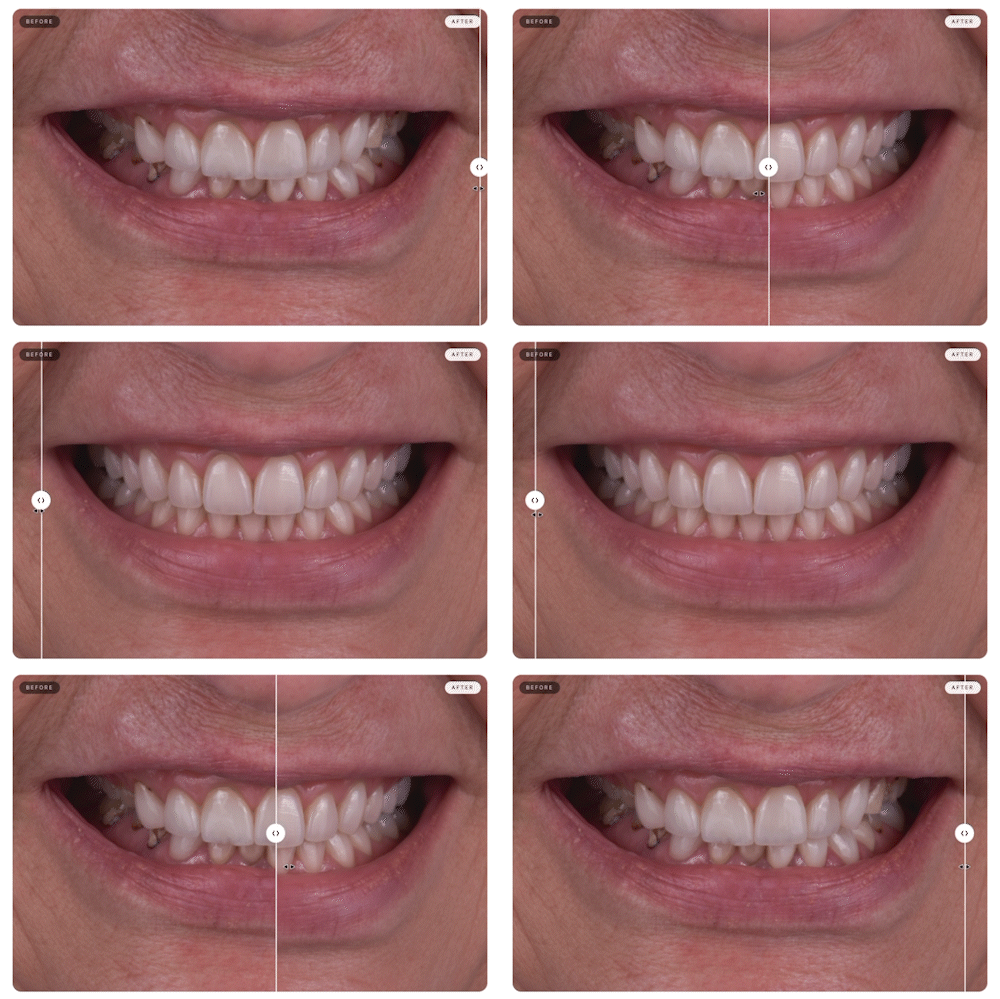
Maybe you have a crown up front that looks a little too white, a little too flat, or has a gray edge where it meets the gum. Maybe nothing in your mouth matches anymore, and you've started smiling with your lips closed in pictures. Now a dentist has told you another tooth needs a crown, and your first thought is: do dental crowns look fake, and am I about to add one more tooth that doesn't look like mine?
No, a well-made crown today should look like one of your own teeth. The crowns that look fake are usually older ones: metal underneath that shows as a gray edge, porcelain that's too thick and too opaque, or a color picked for that one tooth without looking at its neighbors. A modern all-porcelain crown lets light through the way enamel does, and it's shaped and colored to match the teeth beside it. I plan it from photos of your smile, check your bite and gums first, and match it to your face, so nobody should be able to tell which tooth is the crown.
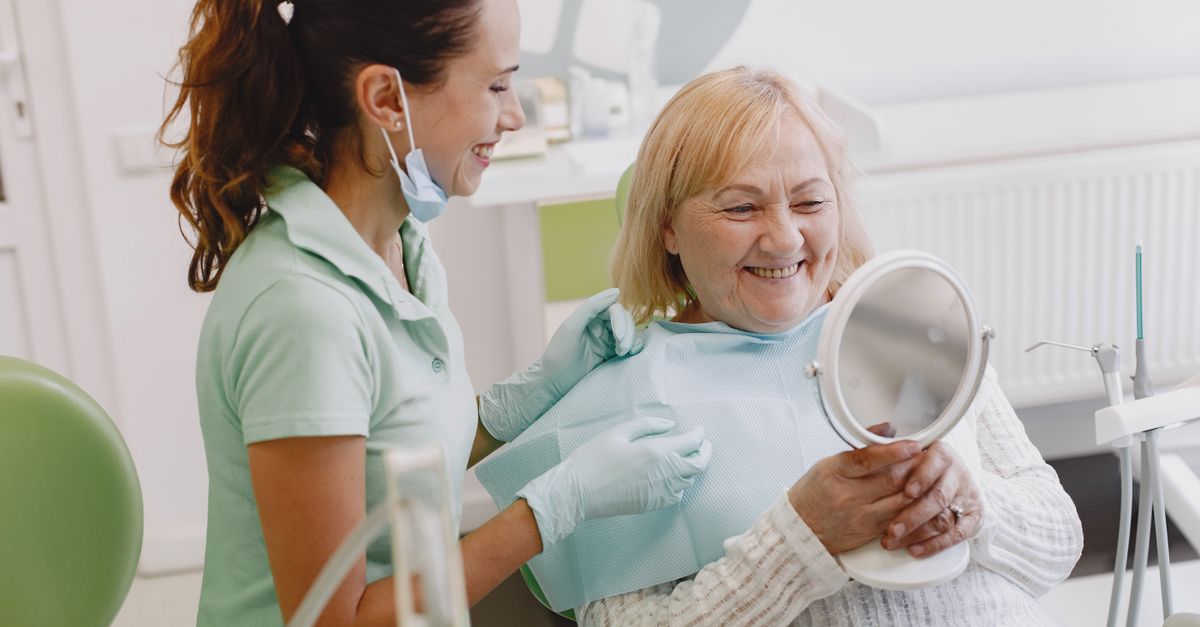
If you have a crown that bothers you, it's probably not your imagination. A lot of crowns placed decades ago were built in a way that made them hard to hide.
Three things usually give them away. First, many were made with a metal base under a porcelain coating. Metal blocks light, so the tooth looks flat and a little gray, and when the gum pulls back over the years, the dark edge of that metal can start to show. The porcelain coating can also chip off over time and expose the metal underneath.
Second, the color was often chosen for that tooth alone. Your other teeth darkened and yellowed with time. The crown didn't. Now it stands out as the brightest tooth in your mouth.
Third, the shape was often generic. Natural front teeth are never identical. They have small differences in length, slightly rounded corners and a little see-through quality at the edge. A crown that's a flat, even rectangle looks made, not grown.
None of that is a reason to fear a new crown. It's a list of what I make sure doesn't happen.
A dental crown covers the whole visible part of a tooth. It's the right answer when a tooth needs more than a filling or a veneer can give it. In plain terms, that's when:
If you're weighing a crown against a veneer for a front tooth, I explain how I decide in when a crown is better than a veneer. The short version: I remove as little natural tooth as I can, so a crown is for teeth that truly need the coverage.
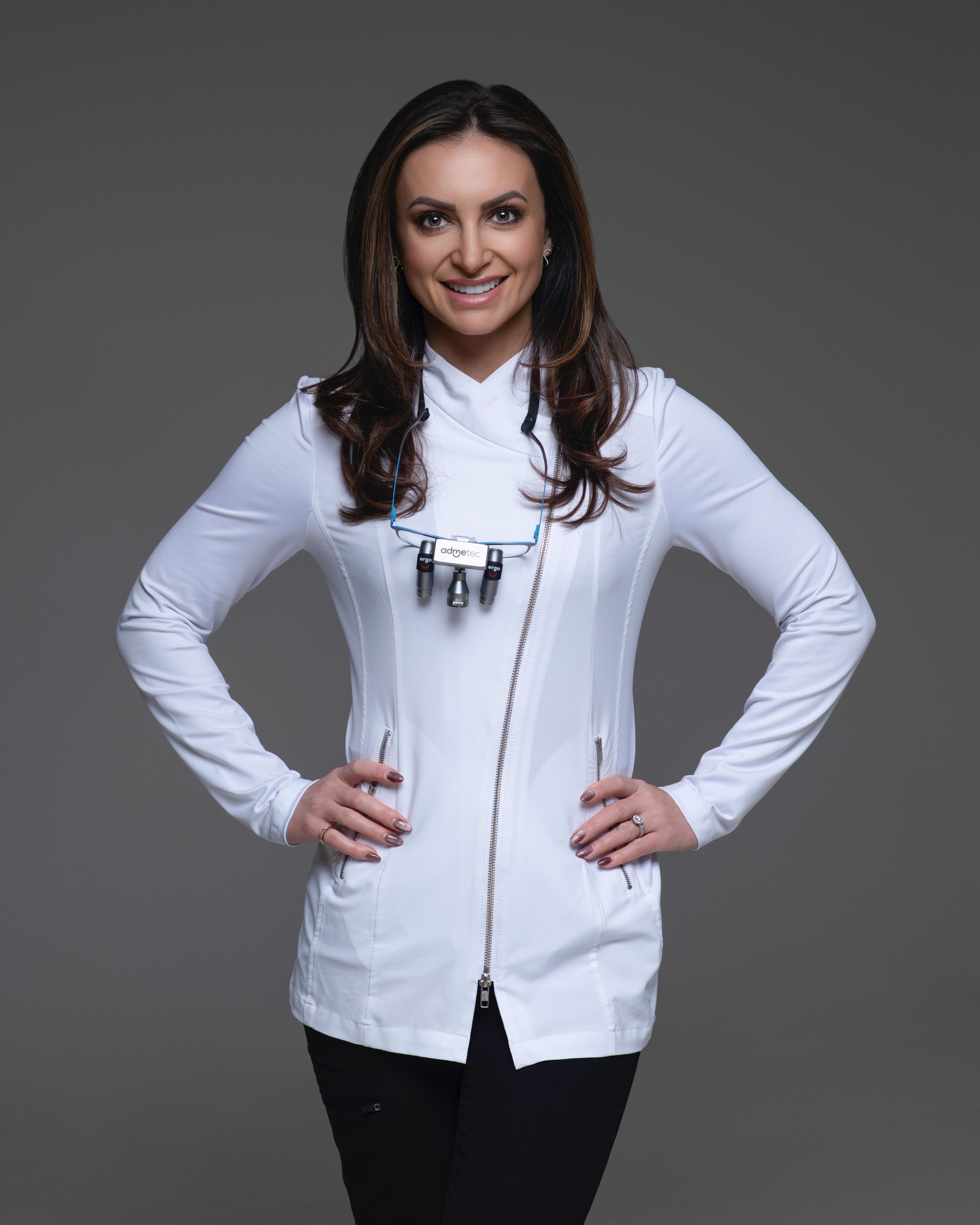
I'm Darya Timin, DDS, FAGD, and my training puts function first. So before I talk about color, I look at three things that decide whether a new crown will look natural and last.
1. Your bite. I look at how your upper and lower teeth meet and where they're worn. If you grind or clench, a crown takes that force every night. Ignoring it is how crowns crack and teeth around them wear down. Sometimes the answer includes a night guard to protect your work while you sleep.
2. Your gums. The edge of a crown sits right at the gum line. If your gums are red, puffy or bleeding, I want them healthy first. Crowns fitted against inflamed gums tend to collect plaque at the edge, and that's where gray lines and new decay start. It's never just about the crown, either. Bleeding gums are an open door for bacteria and inflammation to reach the rest of the body.
3. The teeth around it. One crown has to fit in with the teeth beside it. If several older crowns and fillings don't match, I'll show you what replacing one would look like next to the others, and whether a plan that treats a few teeth together makes more sense. When many teeth need work, that conversation can lead to full mouth rehabilitation, done in phases so it's never overwhelming.
This is the part I care about most, because it's the part you'll see every day.
Light passes through it. Natural enamel is slightly see-through, especially at the biting edge. All-ceramic or porcelain crowns mimic the appearance of tooth enamel more than any other type, because there's no metal underneath blocking the light. That's what keeps a front crown from looking flat.
The color matches your teeth, not a chart. I pick the tooth color by looking at your neighboring teeth, your skin and the whites of your eyes. The goal is the color that blends in, not the whitest option. If you want your teeth whiter, we whiten first, then match the crown to the new color, because porcelain won't change color later.
The shape has character. Small differences in length, a softly rounded corner, a slight texture on the surface. These details are why a crown reads as a tooth and not a cap.
For crowns on front teeth, I start with photos of your smile and show you a preview of your potential new smile on screen before anything is done. It's a preview, not a promise, but it lets you say "a little shorter" or "not that white" before the lab ever makes it.
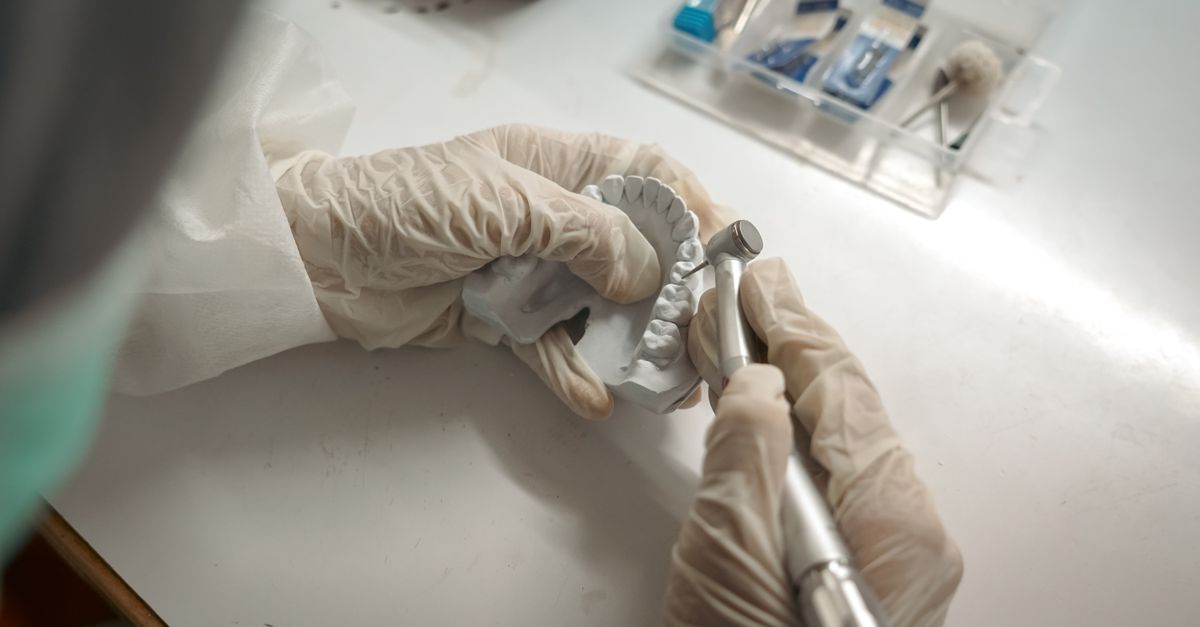
The work follows the same order every time. The tooth and the gum around it are numbed first. Any old filling, old crown or decay is removed, and the tooth is shaped so the new crown can sit flush instead of bulging. The shape of your prepared tooth is recorded and sent to the lab. While the lab makes your crown, you wear a temporary one to protect the tooth.
When the final crown is ready, I check its fit, its color in natural light and how it meets the opposite teeth when you bite and chew. It's bonded in place only when it fits well and looks right next to your own teeth.
If dental visits make you anxious, we offer sedation options: nitrous oxide (laughing gas), oral conscious sedation (a pill taken before the visit) and IV sedation. We'll talk through which one makes sense for you.
Porcelain doesn't decay, but the tooth under it can, right at the edge where crown meets tooth. That edge is what I watch at every checkup.
A crown is $2,750 per crown. Each one is custom-made for that tooth, so if more than one tooth needs a crown, the total follows how many teeth are treated.
We file the claim with your insurance for you, so if your plan has out-of-network benefits, you can use them, and depending on the plan, insurance has helped cover crowns. Medicare and Medicare Advantage plans with out-of-network benefits are accepted the same way, and HSA and FSA cards work too. You can also split treatment into monthly payments through Cherry. If you don't have dental insurance, the Smile Wellness Membership includes preventive wellness visits each year and 10% off other treatment, with some exclusions.
You don't have to accept another tooth that stands out, and you don't have to fix everything at once. Your consultation is free. Bring the crown that bothers you, and the old photos of your smile if you have them. You'll leave with a clear plan, built around how your bite works now, for teeth that look like yours again.
Book a consultation or call (214) 295-9270. Beautiful. Balanced. Biomimetic.
Quick answers to the follow-up questions patients ask most often. If yours isn't here, Dr. Timin is happy to walk you through it personally.
Get a custom treatment plan built around your smile, your bite and your health, designed by Dr. Timin.
Yes, with protection. Grinding puts heavy force on any crown, so Darya Timin, DDS, FAGD looks at the bite and the wear on your teeth before choosing the material and shape. A custom night guard worn while you sleep takes that force so the new crown and your own teeth last longer.
Most people feel pressure rather than pain, because the tooth and the gum around it are numbed before any shaping starts. For anyone who feels nervous at the dentist, the practice offers nitrous oxide, oral conscious sedation and IV sedation, and Dr. Timin talks through which option fits before the visit.
Whitening will not change the color of a crown. Porcelain keeps the color it was made in, while your natural teeth lighten. That is why Dr. Timin suggests whitening first if you want brighter teeth, then matching the new crown to the color you end up with.
A dental crown is $2,750 per crown at Redefine Dental Aesthetic and Wellness Center. The office files the claim with your insurance for you, and depending on the plan, insurance has helped cover crowns. HSA and FSA cards are accepted, and Cherry lets you split the cost into monthly payments.