

Dry Mouth and Cavities: Why Less Saliva Puts Your Teeth and Gums at Risk
Health
August 14, 2026



Your mouth feels sticky when you wake up. You keep a glass of water by the bed, your teeth are more sensitive lately, and at your last checkup you heard the word cavity for the first time in years, even though you brush the way you always have. If you've started a new medication in the last year or two, you may already suspect a link between dry mouth and cavities. You'd like to know whether it's real, and what to do about it before more teeth are affected.
Yes, dry mouth raises your risk of cavities and gum disease. Saliva rinses food off your teeth, carries minerals that keep enamel strong, and helps keep the bacteria in your mouth in balance. When there's less of it, plaque sits longer, enamel loses minerals faster, and decay often starts at the gumline and around old fillings. Gums get more inflamed too. Dry mouth is common, and some medications are a frequent cause, but it isn't something to simply live with. An exam, and often a saliva test, can show what's driving it and how to protect your teeth.

Dry mouth has a medical name, xerostomia, and it's far more common than most people think. A review summarized by the American Dental Association puts it at roughly 22% of people worldwide, and about 30% of adults over 65. The same summary lists cavities, plaque buildup and gum inflammation among the problems that show up when saliva runs low.
The cavity link is direct. Saliva carries calcium and phosphate, minerals that help keep teeth strong and fight decay. Take away the saliva and you take away that protection, which is why dry mouth increases the risk of tooth decay and mouth infections. The same page makes a point I repeat often: dry mouth is not a normal part of getting older. It has a cause, and the cause is worth finding.
The most common cause I see is medication. Hundreds of medicines can slow the salivary glands, including some taken for blood pressure, depression and bladder control. Other conditions can do it too, such as diabetes and Sjögren's disease, and radiation treatment for cancer near the head and neck.
Think about what happens after you eat. Bits of food and sugar stay on your teeth, and the bacteria in plaque feed on them and make acid. That acid pulls minerals out of your enamel. In a mouth with plenty of saliva, the food gets rinsed away and the minerals get put back, over and over, all day long.
With dry mouth, that repair cycle slows down. The acid stays on the teeth longer. The enamel loses minerals faster than it can rebuild them. That's how someone who hasn't had a cavity in ten years suddenly has three.
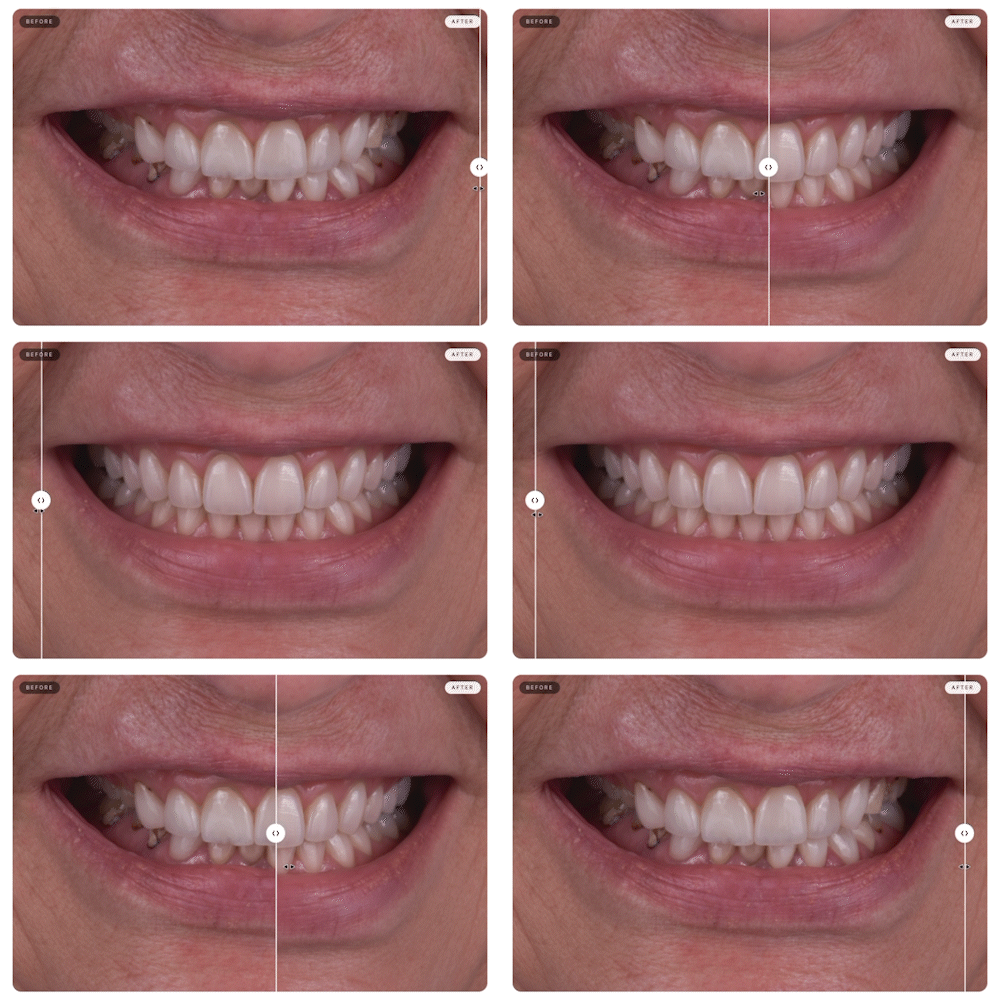
The places it shows up first are telling. I look for soft spots right at the gumline, along the edges of older fillings and crowns, and on any root surface that's exposed where gums have pulled back. Those are the spots saliva normally protects most, and the spots that suffer first when it's missing.
The gums follow the same pattern. Plaque that isn't rinsed away builds up along the gumline, and the gums react with redness, swelling and bleeding when you brush. Left alone, that inflammation can move deeper and become gum disease.
It's never just your mouth, either. Gum disease is associated with cardiovascular disease, diabetes and rheumatoid arthritis. Bleeding gums are an open door: oral bacteria and inflammation can get into the bloodstream, and that can help set the stage for problems elsewhere in the body. A dry mouth that leads to inflamed gums is a whole-body issue, not a cosmetic one. I've written more about that in gum disease and heart disease.
Dry mouth doesn't always announce itself. Many people get used to it slowly. These are the signs worth paying attention to:
If you see yourself in two or three of these, and especially if a new medication came into your life around the same time, it's time for an exam.
When someone tells me their mouth feels dry, or I see the pattern of decay that dryness leaves behind, I look at three things first.
1. Your medication and health history. I ask what you take, when you started it, and when you first noticed the dryness. I never tell anyone to stop or change a medication. That conversation belongs with the doctor who prescribed it. What I can do is protect your teeth while you take what you need.
2. Your saliva itself. Dryness is one part of the picture. The other part is what's living in your saliva and how acidic it is. Salivary testing shows what's driving the problem, so the plan targets the cause instead of filling one cavity after another. I explain what the test looks at in what salivary testing actually measures.
3. Your gums and the edges of your dental work. I check for bleeding, pockets around the teeth, and early decay at the edges of fillings and crowns. If the gums are inflamed, a deep cleaning settles them down before anything else.
Deep cleaning with salivary testing is $1,802 combined. One fee covers both the cleaning below the gumline and the saliva test that shows what's behind the gum problem. We file the claim with your insurance for you, so if your plan has out-of-network benefits, you can use them, and depending on the plan, insurance has helped cover deep cleanings. HSA and FSA cards work too.
From there, the plan is built around your mouth. That can mean more frequent preventive wellness visits to catch early soft spots while they're small, extra fluoride protection, and products made for dry mouth. If you don't have dental insurance, the Smile Wellness Membership includes two, three or four wellness visits a year depending on the plan, which suits a mouth that needs closer watching.
This matters for cosmetic plans too. If you're thinking about veneers or crowns to fix teeth that look yellow or thin at the edges, dry mouth has to be under control first. Porcelain doesn't decay, but the tooth at its edge can, and saliva is what protects that edge.
A few habits help right away, while you wait for an exam:
These steps ease the dryness. They don't tell you what's causing it or how much damage it has already done, and that's what an exam is for.
New cavities, sensitive teeth and gums that bleed are your mouth asking for help. The goal isn't to keep patching one tooth after another. It's to find what's drying your mouth, protect the teeth you have, and keep your gums healthy for the sake of your whole body.
Your consultation is free. Bring your medication list and any questions you've been carrying. Book a consultation or call (214) 295-9270, and you'll leave with a clear picture of what's behind the dryness and a plan to stop the damage. I'm Darya Timin, DDS, FAGD, and this is the kind of problem I'd much rather catch early.
Quick answers to the follow-up questions patients ask most often. If yours isn't here, Dr. Timin is happy to walk you through it personally.
Get a custom treatment plan built around your smile, your bite and your health, designed by Dr. Timin.
Yes. Saliva can drop gradually, so many people get used to it and only notice the signs around it: new cavities near the gumline, bad breath, a sticky feeling in the morning, or trouble with dry foods. Darya Timin, DDS, FAGD looks for these signs at every exam and asks about medications.
It can. The filling or crown itself does not decay, but the natural tooth at its edge still can, and saliva is what protects that edge. With less saliva, decay can start right where old dental work meets the tooth, which is why Dr. Timin checks those edges closely.
Usually, if it is alcohol free. Alcohol dries the mouth further, so a rinse made for dry mouth or a plain fluoride rinse is a better choice. Dr. Timin can suggest products based on how dry your mouth is and how many new cavities you have had.
Deep cleaning with salivary testing is $1,802 combined at Redefine Dental Aesthetic and Wellness Center. One fee covers the deep cleaning below the gumline and the saliva test that shows what is driving the problem. The office files the claim with your insurance so out-of-network benefits can be used.