

Gum Reshaping for Uneven Gums: What It Is and What It Costs
Services
September 1, 2026



You smile in a photo and the first thing you notice isn't your teeth. It's your gums. One front tooth looks shorter than the one beside it, or your teeth look small because too much gum covers them. Gum reshaping for uneven gums keeps coming up when you search, and you want to know two things before you book anything: what does it involve, and what will it cost you?
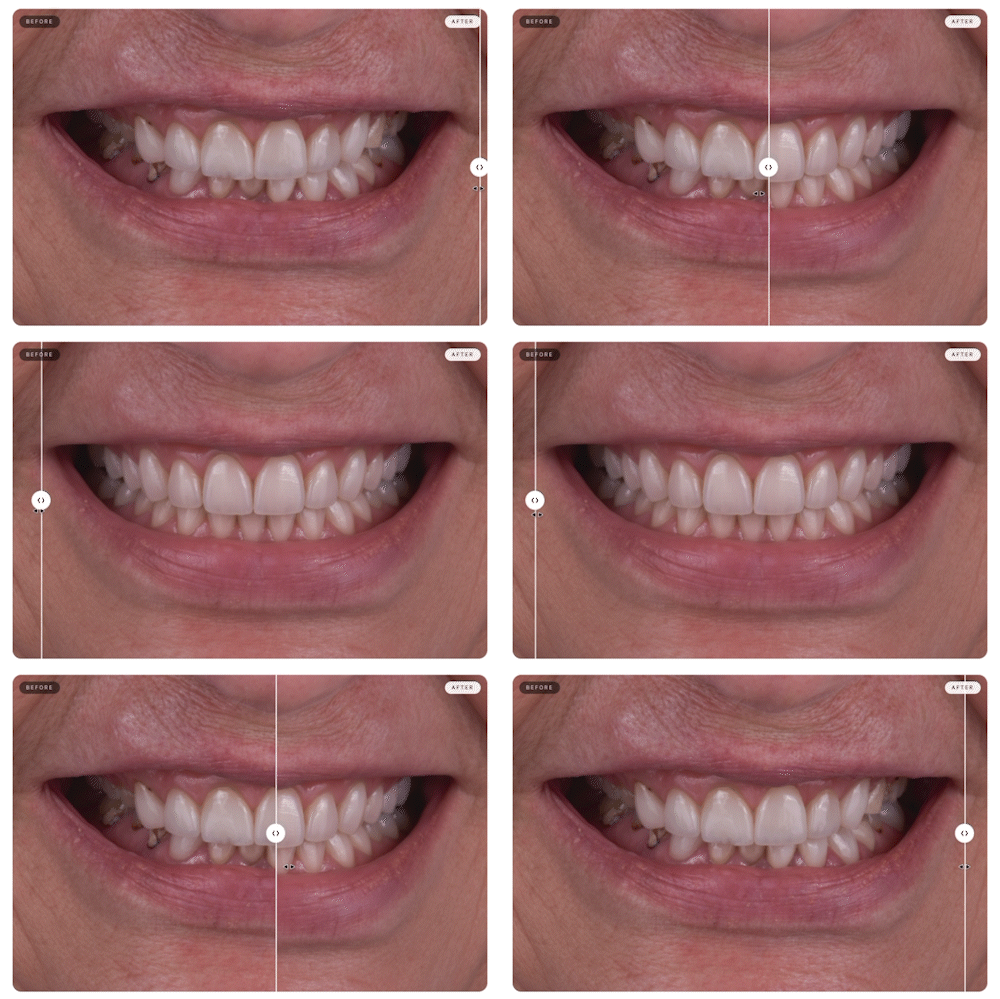
Gum reshaping (gum recontouring) removes a small amount of extra gum tissue so your gum line sits evenly and your teeth show their real length. At Redefine Dental Aesthetic and Wellness Center it starts at $605 per tooth, and the total depends on how many teeth are reshaped and how much each one needs. Your teeth stay exactly as they are. I start with photos of your smile, then show you a preview of the new gum line on screen before anything is done. If the bone under the gum sits too close, or your lip is the real cause, I'll tell you, because a different treatment fits better.
Most people never say "my gums are uneven." They say "my teeth look small," or "this one tooth looks shorter," or "I show too much gum when I laugh." Those are three different problems, and they don't all have the same fix.
When the problem is extra tissue, gum recontouring is the cleanest fix. It changes the frame around your teeth without touching the teeth themselves, which is the reason I like it. Nothing gets ground down. Nothing gets covered.
An uneven gum line is a sign, not a diagnosis. Before I recommend gum reshaping, I want to know why the gum sits where it does. Three things decide it.
1. Are your gums healthy right now? Gums that are red, swollen, tender or quick to bleed are inflamed, and inflamed tissue is puffy. If I reshaped it in that state, the line would shift once the swelling went down. So healthy gums come first, every time. It's never just about how the gums look, either. Bleeding gums are an open door: the bacteria and inflammation there are linked to heart and blood vessel disease, diabetes and other problems in the body. When the gums need help, a deep cleaning with salivary testing settles them down, and the cosmetic plan starts after.
2. Where does the bone sit? Under every gum line is bone, and the gum needs a little room between its edge and that bone to stay put. If there's plenty of room, removing extra gum is enough. If the bone sits too close to the surface, trimming only the gum can let the tissue grow back. In that case crown lengthening, which reshapes a small amount of bone as well as gum, gives a line that stays where we put it.
3. Is it your gums or your lip? Some people show a lot of gum because the upper lip lifts high when they smile, not because there's extra tissue. Reshaping the gums won't change that. For a lip that rises too far, I talk through Botox for a gummy smile instead, and sometimes the right plan combines the two. You can read more about the options on our gummy smile page.
Sometimes the honest answer is that the gum line is fine and a tooth is the thing that's out of place. When a tooth sits further down or tipped forward, moving the tooth can give a better result than trimming the gum around it. I want you to hear that before we start, not after.
Planning starts with photos of your smile and your face, at rest and when you laugh. Old pictures of you help too, especially if your gums looked different a few years ago. I run the photos through smile design software, and you see a preview of your new gum line on screen. This is where you tell me "a little less on that side" or "that's too much tooth." It's a preview, not a promise, but most of the decisions get made right here, before anything is touched.
On the day of treatment, the area is numbed so you're comfortable. The new gum line is marked first, then the extra tissue is removed and the edge is shaped so it follows a smooth, natural curve. I check the line against the plan from the front and from the side, because your gums need to look right when you talk, not only when you pose.
If dental visits make you anxious, we have sedation options: nitrous oxide (laughing gas), oral conscious sedation (a pill taken before the visit) and IV sedation. We'll talk through which one makes sense for you.
This is the worry I hear most. You don't want teeth that suddenly look long, or a gum line so even it looks drawn on with a ruler.
Natural gum lines aren't perfectly straight. On most smiles the gum sits a touch higher over the two front teeth and the canines than over the small teeth between them. Each tooth also has its own gentle arch at the top, a little off center. I keep those small differences on purpose. The goal is gums that frame your teeth the way they would have if the extra tissue had never been there.
That's also why I plan from your face, not from a chart. How much gum shows depends on your lip, your smile width and how your teeth meet. When it's done right, nobody looks at you and thinks "gum surgery." They notice that your teeth suddenly look like the right size for your face.
For most people, the gums heal within about a week, and everyday routines come back within a day or two. Expect some tenderness at first.
After it heals, the work is the same as for any healthy mouth: brush twice a day with a soft brush angled toward the gumline, clean between your teeth every day, and keep your regular cleanings. Healthy gums hold their shape. Inflamed gums don't.
Gum reshaping starts at $605 per tooth. The fee is per tooth because each tooth is shaped on its own, so the total depends on how many teeth are reshaped and how much reshaping each one needs. Evening out one short front tooth is a smaller plan than reshaping the gums across your whole upper smile. You'll know your total before any treatment starts.
We file the claim with your insurance for you, so if your plan has out-of-network benefits, you can use them. Medicare and Medicare Advantage plans with out-of-network benefits are accepted the same way, and HSA and FSA cards work too. You can also split treatment into monthly payments through Cherry. If you don't have dental insurance, the Smile Wellness Membership includes preventive wellness visits each year and 10% off other treatment, with some exclusions.
If your teeth look small or one tooth looks shorter than it should, the fix may not involve your teeth at all. I'm Darya Timin, DDS, FAGD, and in a free consultation I'll look at your gums, your bone and your smile together, show you a preview on screen, and tell you plainly whether gum reshaping is the right tool or something else will serve you better. You keep every bit of your natural tooth.
When you're ready, book a consultation or call (214) 295-9270. Aesthetics with Purpose. Wellness by Design.
Quick answers to the follow-up questions patients ask most often. If yours isn't here, Dr. Timin is happy to walk you through it personally.
Get a custom treatment plan built around your smile, your bite and your health, designed by Dr. Timin.
Not right away. Gums that bleed, swell or feel tender are inflamed, and reshaping inflamed tissue gives an unpredictable gum line. Darya Timin, DDS, FAGD treats the inflammation first, often with a deep cleaning and salivary testing, and plans the reshaping once the gums are healthy and stable.
Occasionally, yes. Gum tissue can creep back down if the bone underneath sits too close to the new gum line. That is why Dr. Timin checks where the bone sits before planning, and why some cases call for crown lengthening, which adjusts bone as well as gum, instead of gum reshaping alone.
Within about a week for most people. Soft foods are easiest for the first few days, and hard, crunchy or spicy foods are best skipped for around a week while the gum heals. Gentle brushing near the treated area, as instructed, keeps it clean while it settles.
HSA and FSA cards are accepted, and the office files the claim with your insurance for you, so if your plan has out-of-network benefits you can put them toward treatment. Your plan decides what it covers. Gum reshaping starts at $605 per tooth, and Cherry lets you split it into monthly payments.