

Invisalign or Bonding to Close a Small Gap Between Front Teeth?
Comparison
July 28, 2026



You've had the gap in your front teeth for years, and lately it's all you see in photos. Maybe there's a wedding coming, or you just caught your reflection mid-laugh one too many times. You've read that Invisalign can close it, and you've read that bonding can close it in one visit. Now you're stuck between them, and the last thing you want is to file down a healthy tooth or end up with front teeth that look fake.
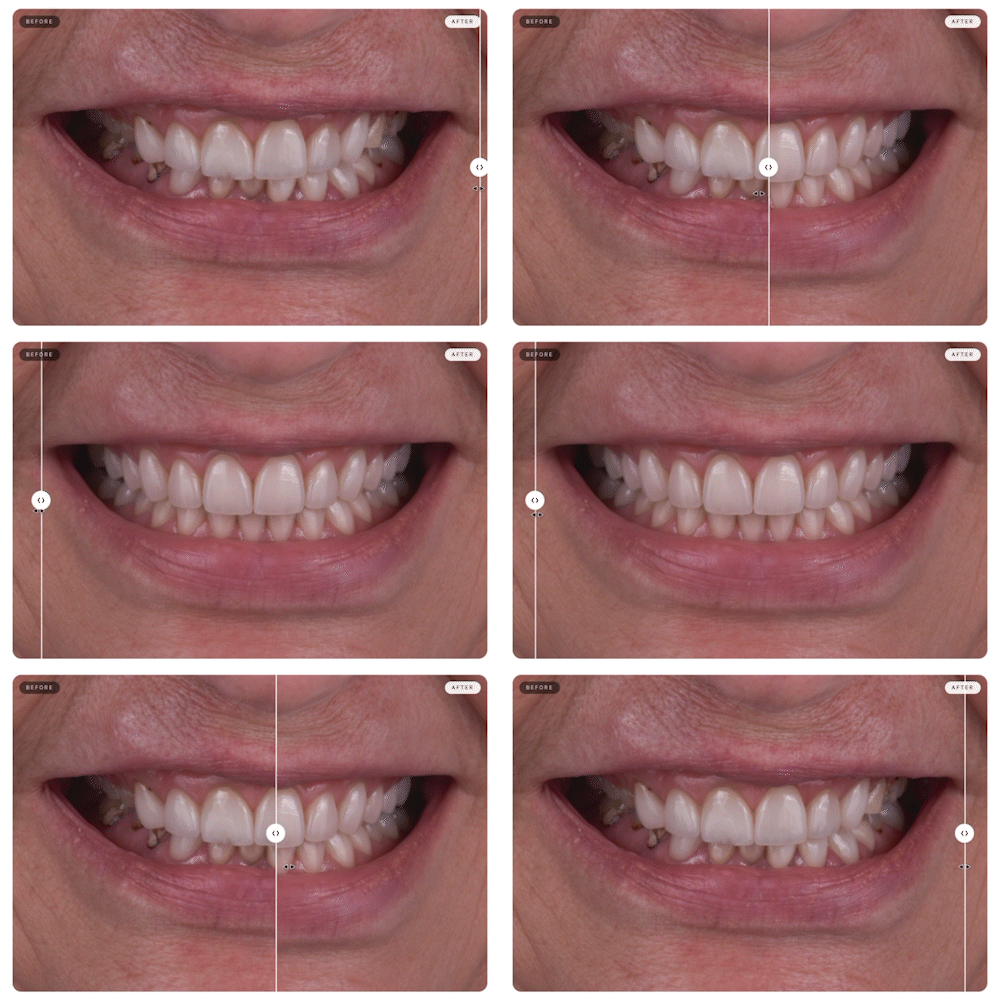
Choosing Invisalign or bonding for a gap between front teeth comes down to one question: do your teeth need to move, or do they need a little more width? If your front teeth are already a nice size and shape and the gap is from spacing, Invisalign closes it by moving the teeth, with nothing added. If your teeth are on the small or narrow side, bonding adds tooth-colored material to the sides of the teeth to fill the space, usually without removing any enamel. Some people do best with a little of both. I start with photos and a preview on screen so you can see each option before choosing.
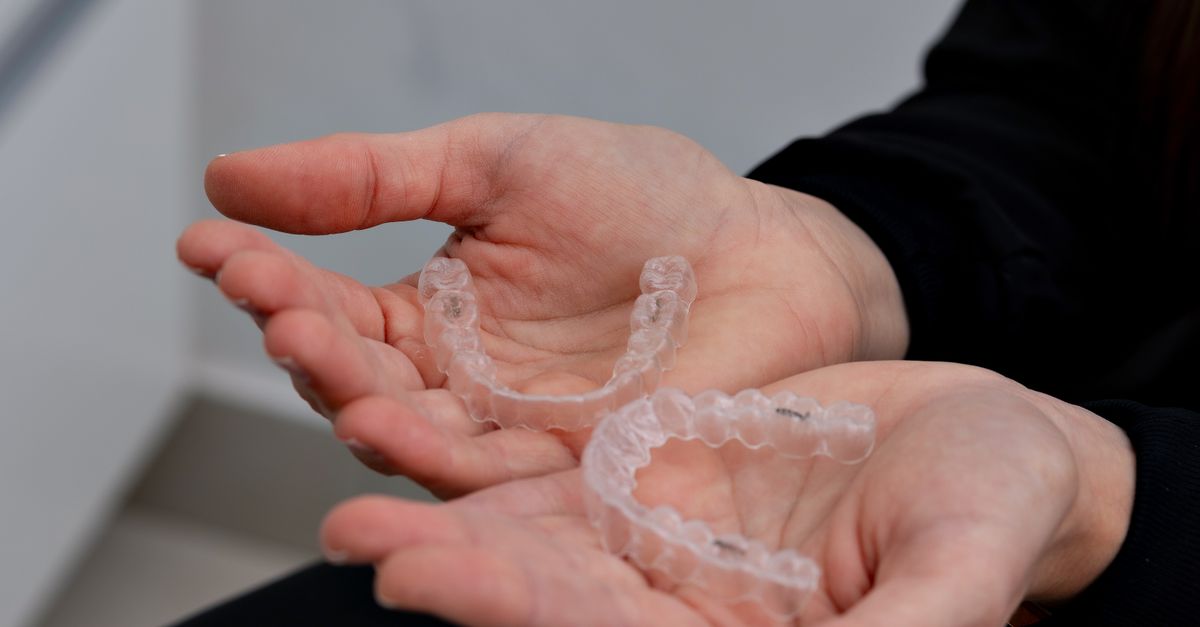
Here's how the two compare on the things people ask me about most.
Invisalign makes sense when your teeth are a good size but sit too far apart. Closing the gap by moving them keeps your natural tooth shape exactly as it is. There is no added material to replace later.
It also makes sense when the gap isn't the only thing bothering you. If a lower tooth is a little crooked or the spacing runs across several teeth, aligners can address all of it in one plan. Bonding only changes the teeth it touches.
The tradeoff is commitment. Clear aligners are worn 22 to 23 hours every day, coming out only to eat and to brush and floss. They work when you wear them and don't when you don't. And once the gap closes, you'll need a retainer, because retainers hold the results of orthodontic treatment in place. A gap between the two front teeth, in particular, likes to come back without one.
Cosmetic bonding makes sense when your front teeth are small or narrow for your smile, and the gap is a sign the teeth don't fill the space. Moving narrow teeth together can leave them looking even smaller. Adding a little width to each one fills the gap and evens out the proportions at the same time.
It's also the faster route when you have a date on the calendar. Bonding takes 1 to 3 visits depending on how many teeth are treated, and for a single small gap it's often the simplest fix.
I sculpt the material by hand, matching your tooth color and building in the slight see-through quality at the edges that natural teeth have. Done well, nobody can tell. The honest limits: bonding material picks up stain more easily than enamel, it can chip if you bite your nails or chew ice, and it may need polishing or a touch-up down the road. If you'd like to compare bonding with porcelain, I walk through that in how I decide between veneers and bonding.
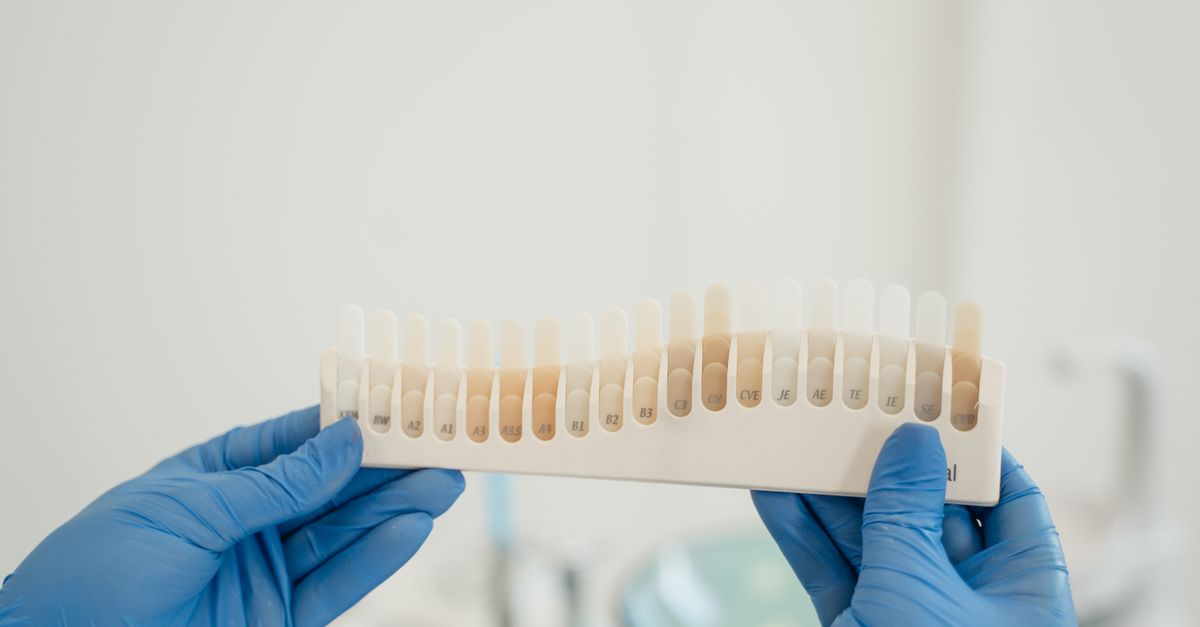
When someone comes in asking about a gap, these are the three things I check first.
1. Why the gap is there. A gap you've had since your teens is usually about tooth size or spacing. A gap that's new, or slowly getting wider, is a different story. When gum disease pulls the gums away and loosens teeth, they can drift apart. In that case the gums come first, and a deep cleaning may matter more than anything cosmetic. Bleeding gums are never just gums; they're linked to inflammation in the rest of the body too.
2. The size and shape of your teeth. I look at the width of your front teeth compared to their length and to the teeth beside them. If they're already well proportioned, I'd rather move them than add to them. If they're narrow, bonding fixes two problems at once.
3. Your bite and your habits. How your upper and lower teeth meet decides whether there's room to move the front teeth together, and how much force the edges take. If you grind or clench, bonding is more likely to chip, and a night guard becomes part of the plan either way.
My instinct is always to keep as much of your natural tooth as possible, and to choose the option you can reverse or adjust. Both of these fit that. Neither one means grinding down healthy teeth, which is the fear I hear most often from people asking about gaps.
For a single small gap between front teeth that are a little narrow, I usually lean toward bonding. It's quick, conservative, and it improves the proportions as well as closing the space.
For a gap that's part of wider spacing, or when the front teeth are already a lovely size, I lean toward Invisalign. Moving the teeth gives you a result that is entirely your own enamel.
And sometimes the answer is to leave it alone. A small gap can be part of what makes a smile yours. If it suits your face, I'll tell you that too.
Whichever way we go, you see it first. I take photos of your smile and face, run them through smile design software, and show you a preview of your potential new smile on screen: the gap closed by moving the teeth, and the gap closed by adding width. It's a preview, not a promise, but seeing the two side by side usually makes the choice obvious. The goal is a natural result: front teeth that look like your own, just without the space.
Your consultation is free. Bring the photos that bother you and any date you're working toward, and you'll leave knowing which option fits your teeth, what it costs, and how many visits it takes. If you'd like a head start from home, try the free virtual consult: upload a photo of your smile, see a preview of what a change could look like, and I'll send back a personalized video with a treatment plan.
I'm Darya Timin, DDS, FAGD, and at Redefine Dental Aesthetic and Wellness Center in Dallas my goal is a subtle change that keeps your natural teeth. Book a consultation or call (214) 295-9270. HSA and FSA cards are accepted, and you can split treatment into monthly payments through Cherry.
Quick answers to the follow-up questions patients ask most often. If yours isn't here, Dr. Timin is happy to walk you through it personally.
Get a custom treatment plan built around your smile, your bite and your health, designed by Dr. Timin.
Sometimes, with protection. Grinding puts heavy force on the edges of the front teeth, and bonding material can chip under that force. Darya Timin, DDS, FAGD checks the bite and the wear on your teeth first, and if you grind, a custom night guard while you sleep helps protect the bonding.
It can, without a retainer. Teeth tend to drift back toward where they started, especially a gap between the two front teeth. Wearing a retainer as directed after Invisalign holds the teeth in their new position, and Dr. Timin builds that into the plan from the start.
Bonding picks up stain from coffee, tea and red wine more easily than natural enamel or porcelain does. Rinsing with water after dark drinks, brushing twice a day and regular cleanings with polishing keep the bonded edges looking natural for longer.
Usually, yes. Bonding is $600 to $1,485 per tooth at Redefine Dental Aesthetic and Wellness Center, and a small gap often means adding a little to two teeth. Limited Invisalign for smaller corrections is $4,950. The right choice depends on whether the teeth need to move or just need a little more width.