

Is My Jaw Pain TMJ? What University Park Patients Should Check
City
August 11, 2026


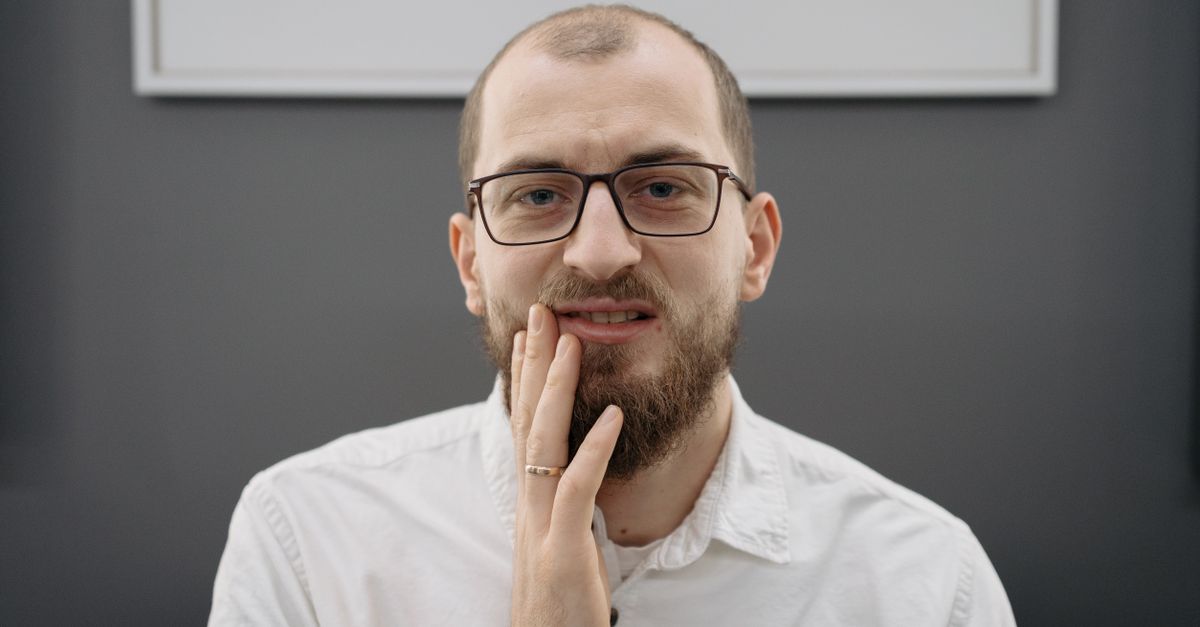
Your jaw is sore when you wake up. It clicks when you bite into a sandwich at Snider Plaza, and by mid-afternoon there's a dull ache at your temples. Maybe your wife is the one who noticed you grinding at night and told you to get it looked at. So you start asking yourself: is my jaw pain TMJ, or is it a tooth, a sinus, or just stress? And if it is TMJ, what does anyone actually do about it?
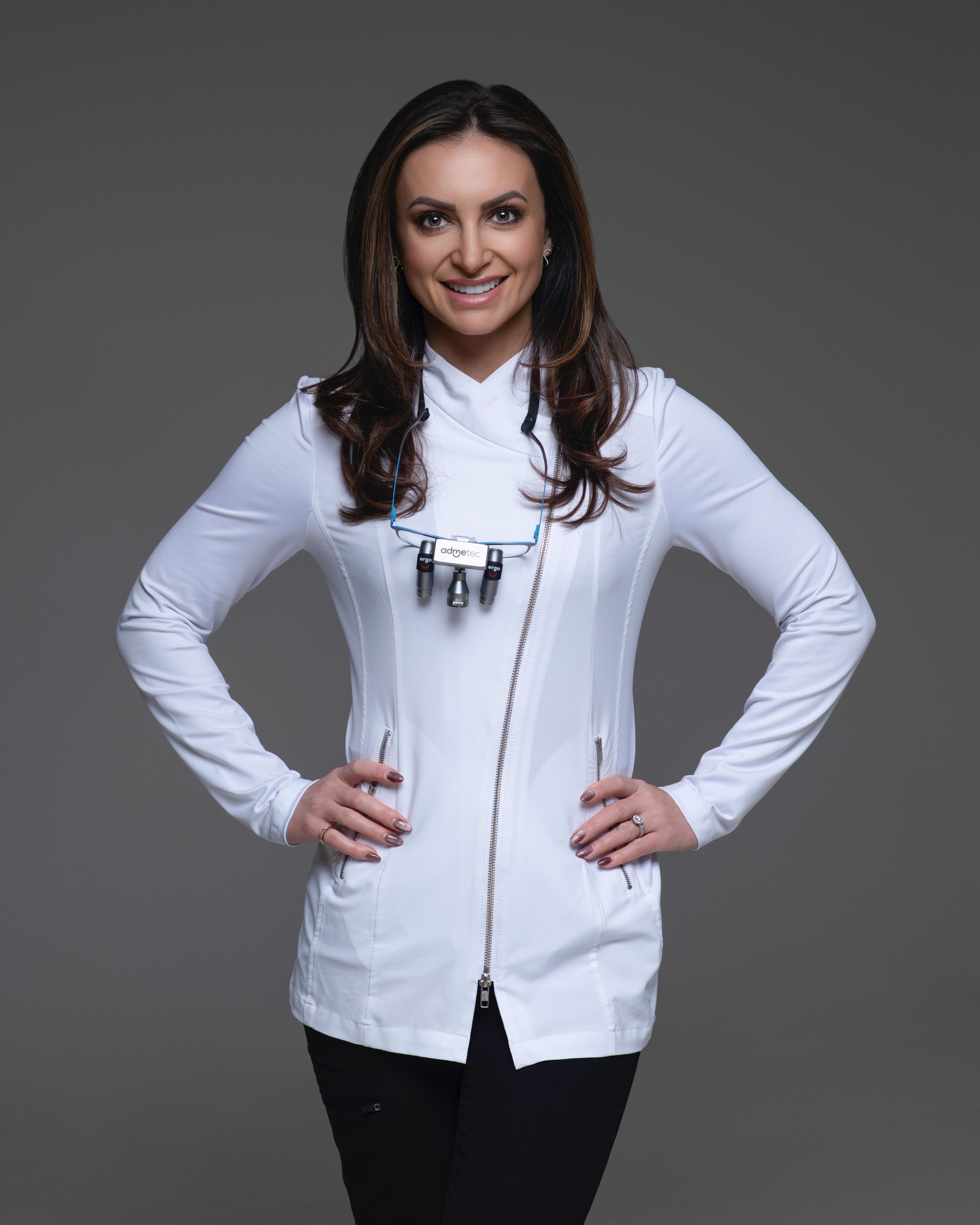
I'm Darya Timin, DDS, FAGD, and I see this question often from people who live and work around University Park, from the SMU campus to the shops along Lovers Lane. If you already know you want care, our page on TMJ treatment in University Park covers the options. This post is for the step before that: working out what your jaw is telling you.
Jaw pain is often a TMJ problem, but not always. TMJ is the joint in front of each ear where your jaw hinges, and when it or the chewing muscles around it are strained, you tend to feel it as a sore jaw in the morning, headaches at the temples, clicking with pain, or a jaw that feels stiff or catches. A cracked tooth or a bite that's off can feel almost the same. The way to know is an exam that checks the joint, the muscles, your teeth and the wear on them together, so the plan treats the real cause instead of the loudest symptom.
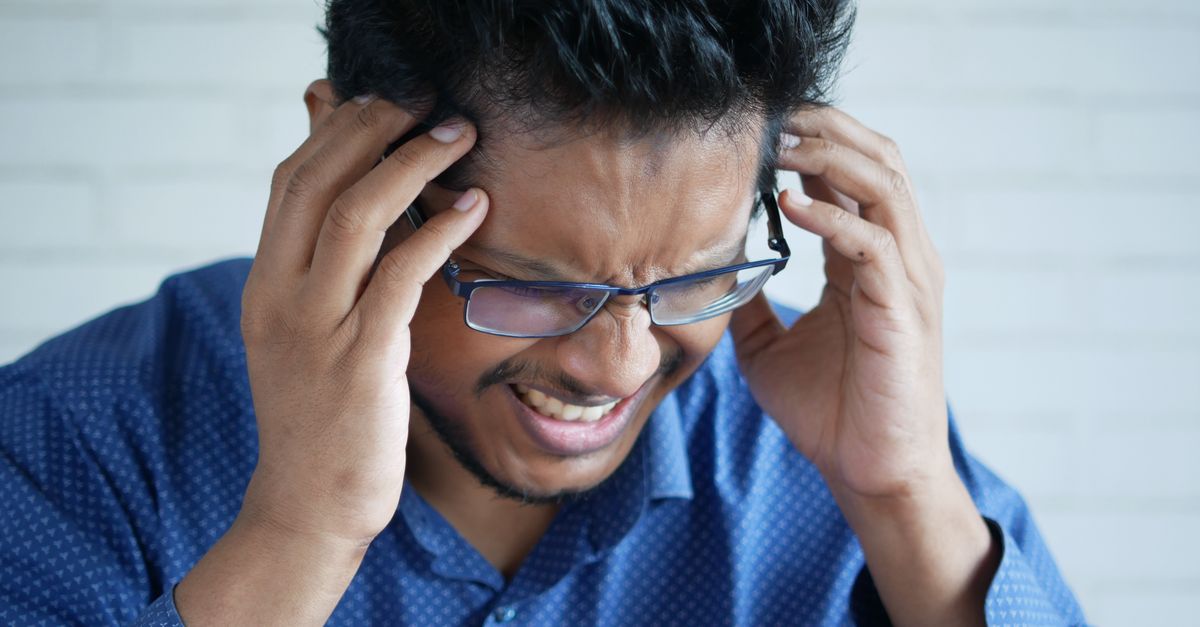
The questions come in a few familiar shapes. "My jaw clicks, is that bad?" "I wake up with a headache every morning, could that be my teeth?" "My front teeth look shorter than they used to. Is that from grinding?" And the one I hear from men most: "My wife says I grind. I don't feel anything. Does it matter?"
It does matter, even when you feel fine. Grinding and clenching wear teeth down slowly, and wear is one of the main reasons teeth get shorter, flatter and more chipped over the years, especially in men. By the time the edges of your front teeth look straight across instead of gently curved, the grinding has usually been going on for a long time.
Clicking on its own is a different story. Clicking or popping in the jaw without pain is common and often needs no treatment at all. What changes my level of concern is clicking that comes with pain, a jaw that locks or catches, trouble opening wide, or a feeling that your teeth don't fit together the way they used to.
Here are the signs that usually point toward the joint and the chewing muscles:
That list overlaps with the common symptoms of a jaw joint disorder, and it overlaps with tooth problems too. That's why a list can't diagnose you. An exam can.
When someone sits down with jaw pain, I don't start with the joint. I start with the whole system the joint belongs to. Three things come first.
1. The teeth themselves. A cracked molar, an infected tooth or a filling that sits a little high can send pain up into the jaw, the ear and the temple. If a tooth is the source, a night guard or Botox won't fix it. So I look at every tooth, check for cracks, and take images when I need them.
2. The wear pattern. Your teeth keep a record of what your jaw does at night. Flat edges, small chips along the front teeth, and shiny worn spots on the back teeth tell me how much force you're putting through them and where. Grinding is linked to sore jaw muscles, morning headaches and cracked or loose teeth, and the wear helps me see it even when you've never felt yourself doing it.
3. The joint and the muscles. I feel the joints in front of your ears while you open and close, press on the chewing muscles to find the tender spots, and watch how far and how straight your jaw opens. I also look at how your upper and lower teeth meet. My training at the Kois Center taught me to plan from the bite and the joints outward, before tooth color or shape enters the conversation.
It's never just the jaw, either. Grinding at night has been tied to sleep apnea in research, so I ask how you sleep, whether you snore, and whether you wake up tired. Jaw pain is sometimes the first sign of something your whole body is dealing with at night.
Most men I talk to about jaw pain have one more worry they don't always say out loud. They don't want anything in their mouth that looks fake, and they don't want a mouthful of obvious dental work.
Most TMJ care is invisible. A custom night guard is worn while you sleep and sits in a case on your nightstand during the day. It's made from a mold of your own bite, so it takes the force of grinding off the teeth and gives the muscles a break. A store-bought guard isn't shaped to your bite, and that's the difference.
For some people, Botox injections in the chewing muscles help them relax so they clench with less force. I use Botox as one part of a full plan, never as a standalone fix. If the bite or the grinding behind the pain isn't addressed, the pain tends to come back when the Botox wears off. I explain how I fit it in on my post about Botox for TMJ pain as part of a full treatment plan.
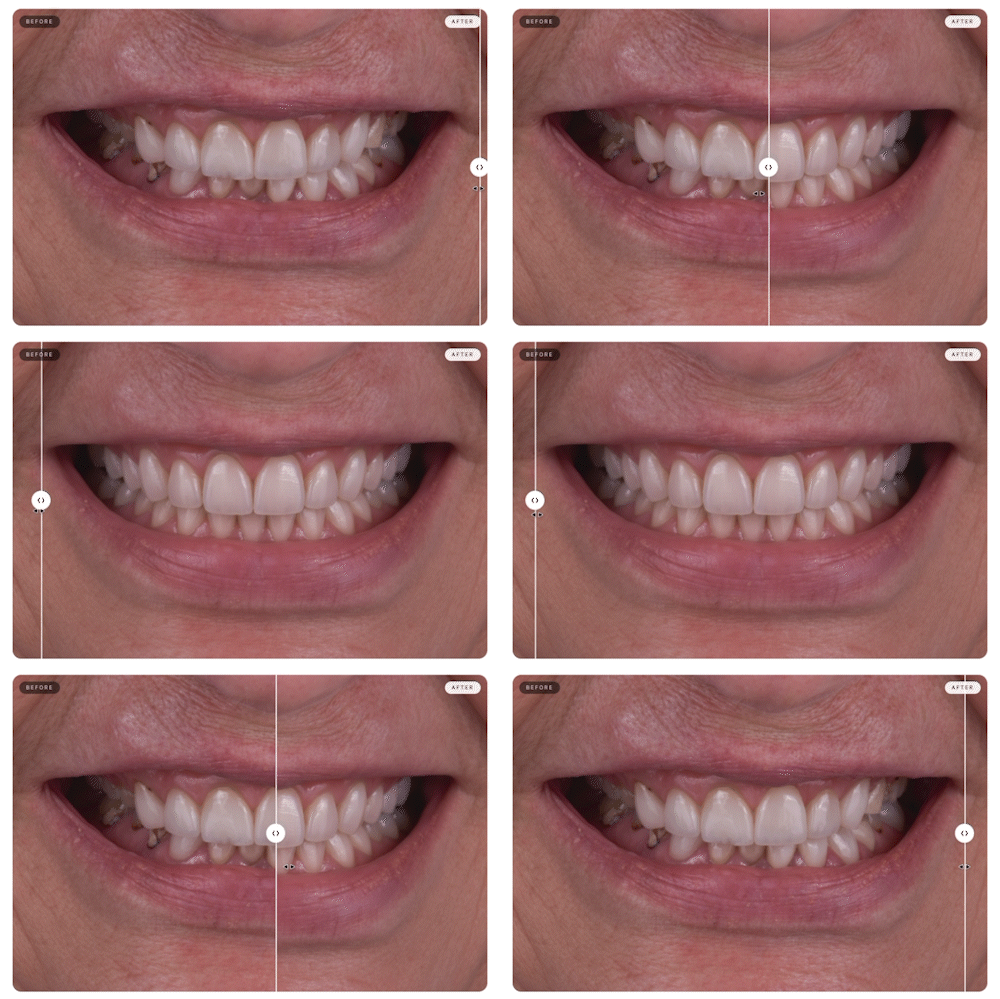
When grinding has already worn teeth down, rebuilding them is the last step, not the first. Protecting the joint and the teeth comes before any cosmetic work. When we do rebuild, the goal is teeth that match the rest of your smile in color, length and shape, so they look like your own teeth before the wear set in. Nobody at work should be able to tell.
The process at Redefine Dental Aesthetic and Wellness Center is simple to follow, even if the problem took years to build.
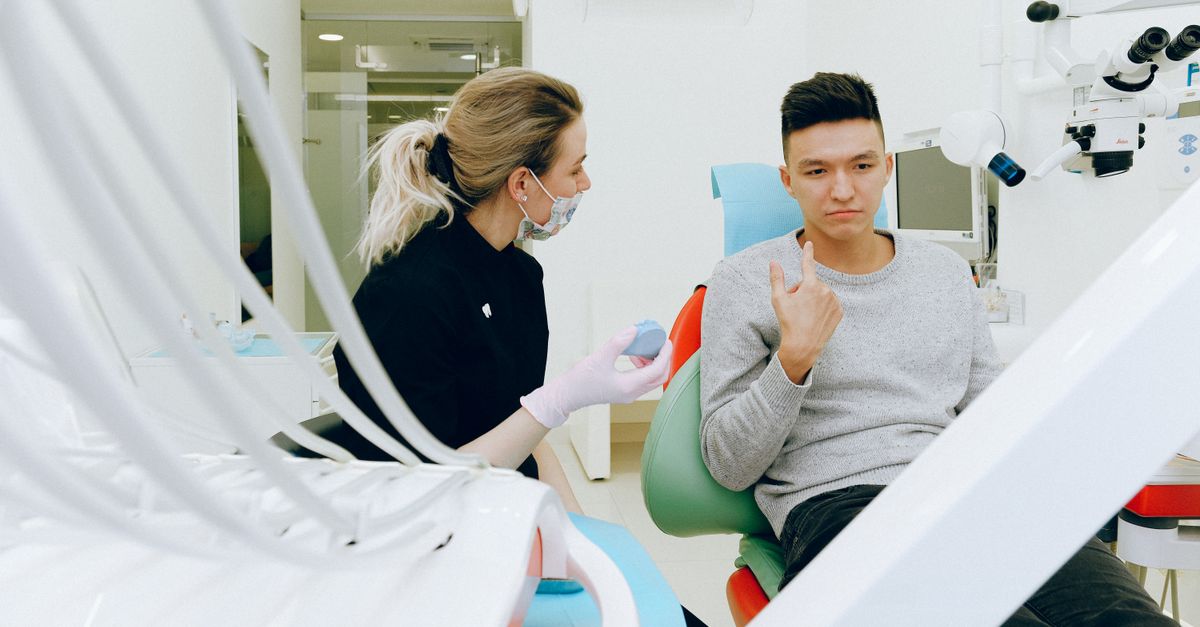
First comes the exam I described above: teeth, wear, muscles, joints and bite, plus questions about your sleep and your day. Then I walk you through what I found in plain words and what I'd recommend for your mouth. For many people, the first step is a custom night guard. For others, it's Botox for the muscles alongside a guard, or fixing a tooth that turned out to be the real source. You can read more about the full range of options on our TMJ treatment page.
A custom night guard is $1,419, made for your bite. Botox is $15 per unit, and the total depends on how many units your muscles need, which comes down to the area and how strong those muscles are. We file the claim with your insurance for you, so if your plan has out-of-network benefits, you can use them. Depending on the plan, insurance has helped cover night guards. HSA and FSA cards work too, and you can split treatment into monthly payments through Cherry. If you don't have dental insurance, the Smile Wellness Membership includes wellness visits, exams and 10% off other treatment, with some exclusions.
A sore jaw is easy to live with until the day a front tooth chips or the headaches stop letting up. An exam gives you a clear answer about where the pain is coming from and a plan that protects the teeth you have, with nothing anyone else will notice.
Your consultation is free. Bring your questions, and if someone at home has been telling you that you grind, bring what they've noticed too. Book a consultation or call (214) 295-9270, and we'll find out what your jaw is trying to tell you.
Quick answers to the follow-up questions patients ask most often. If yours isn't here, Dr. Timin is happy to walk you through it personally.
Get a custom treatment plan built around your smile, your bite and your health, designed by Dr. Timin.
Yes. A cracked tooth, an infection or a high filling can send pain into the jaw, ear and temple, which feels a lot like a joint problem. That is why Darya Timin, DDS, FAGD checks the teeth and the bite before calling jaw pain a TMJ problem.
Usually not. Clicking or popping without pain is common and often needs no treatment. It is worth an exam when the click comes with pain, the jaw catches or locks, opening gets harder, or the way your teeth fit together starts to feel different.
Replace it when you see thin spots or holes worn into it, when it cracks, or when it no longer fits snugly. A custom guard is made from a mold of your own bite, so Dr. Timin checks it at regular visits and can adjust it as your bite changes. A worn-through guard stops protecting the teeth.
It can. A custom night guard is $1,419, and depending on the plan, insurance has helped cover night guards. Redefine Dental Aesthetic and Wellness Center files the claim for you so out-of-network benefits can be used, and HSA or FSA cards and monthly payments through Cherry also work.