

Botox for Jaw Clenching: What Should Highland Park Patients Expect?
City
September 29, 2026


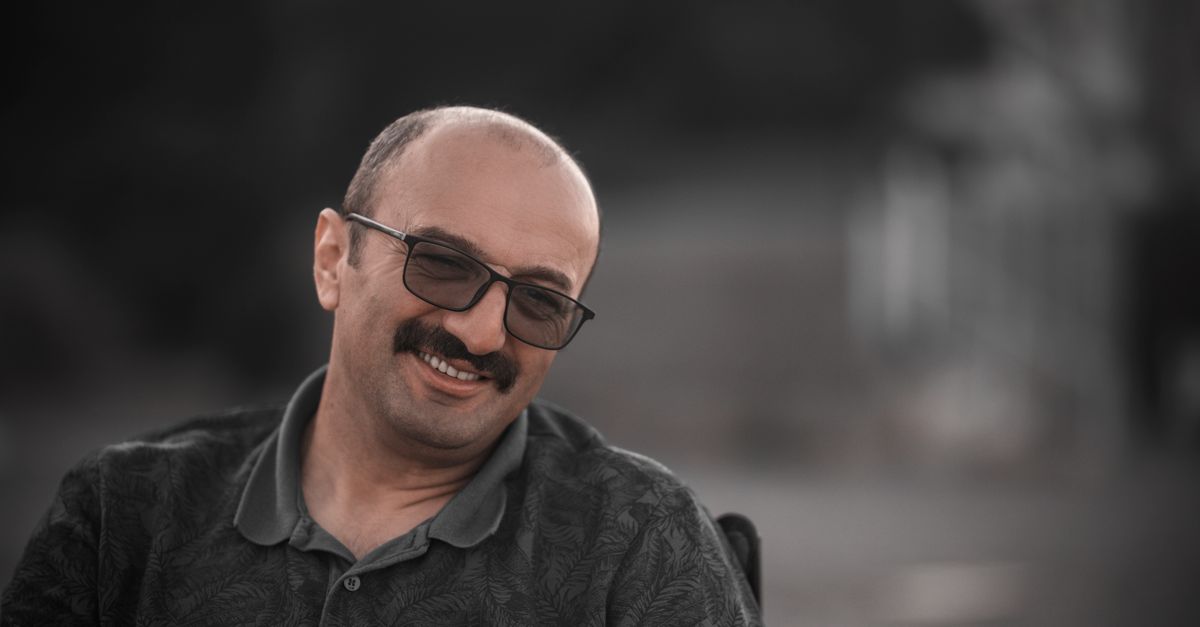
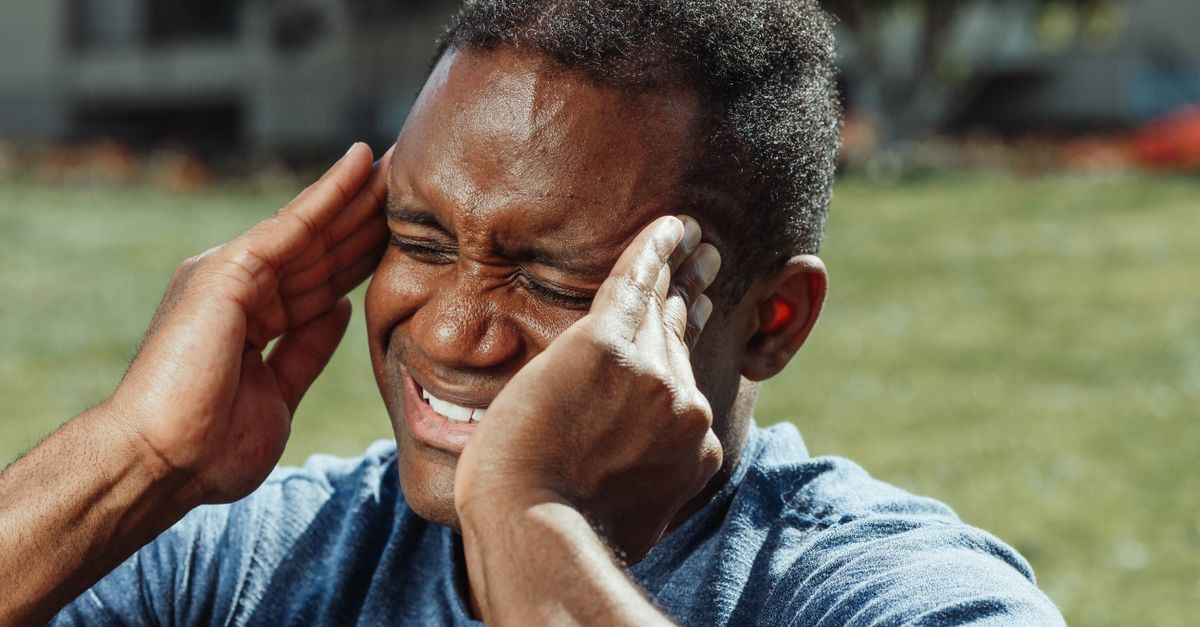
Your jaw feels tight when you wake up. The headache sits at your temples by the time you're driving down Preston Road, and your partner has mentioned the grinding more than once. Somebody at dinner near Highland Park Village told you Botox for jaw clenching fixed theirs, and now you're wondering whether a few injections could make the whole thing go away, and what you'd actually be signing up for.
If you're looking for the overview of the treatment itself, start with our page on Botox for TMJ treatment in Highland Park. Here I want to answer the question I hear most often: what to expect.
Botox can calm the overworked jaw muscles that drive clenching, morning soreness and temple headaches. But it's one part of a full plan, never a standalone fix. Before I place any, I check your bite, the wear on your teeth and how your jaw joint moves, because those decide whether Botox will help and what else you need with it. Most plans pair it with a custom night guard and attention to what's behind the clenching. Expect a calmer jaw that still chews, talks and smiles normally, and teeth that are protected while the muscles settle.
The questions are usually practical. Will it work for me? Will my face look different? Do I still need the night guard I already own? And how much does it cost?
Underneath them there's often a bigger worry. You don't want anything that looks "done." You want your jaw to stop hurting and your teeth to stop wearing down, and you'd like nobody to notice anything changed.
That's a fair goal, and it's the one I plan around. The point of Botox in the jaw is to take the force out of clenching. It's not about reshaping your face.
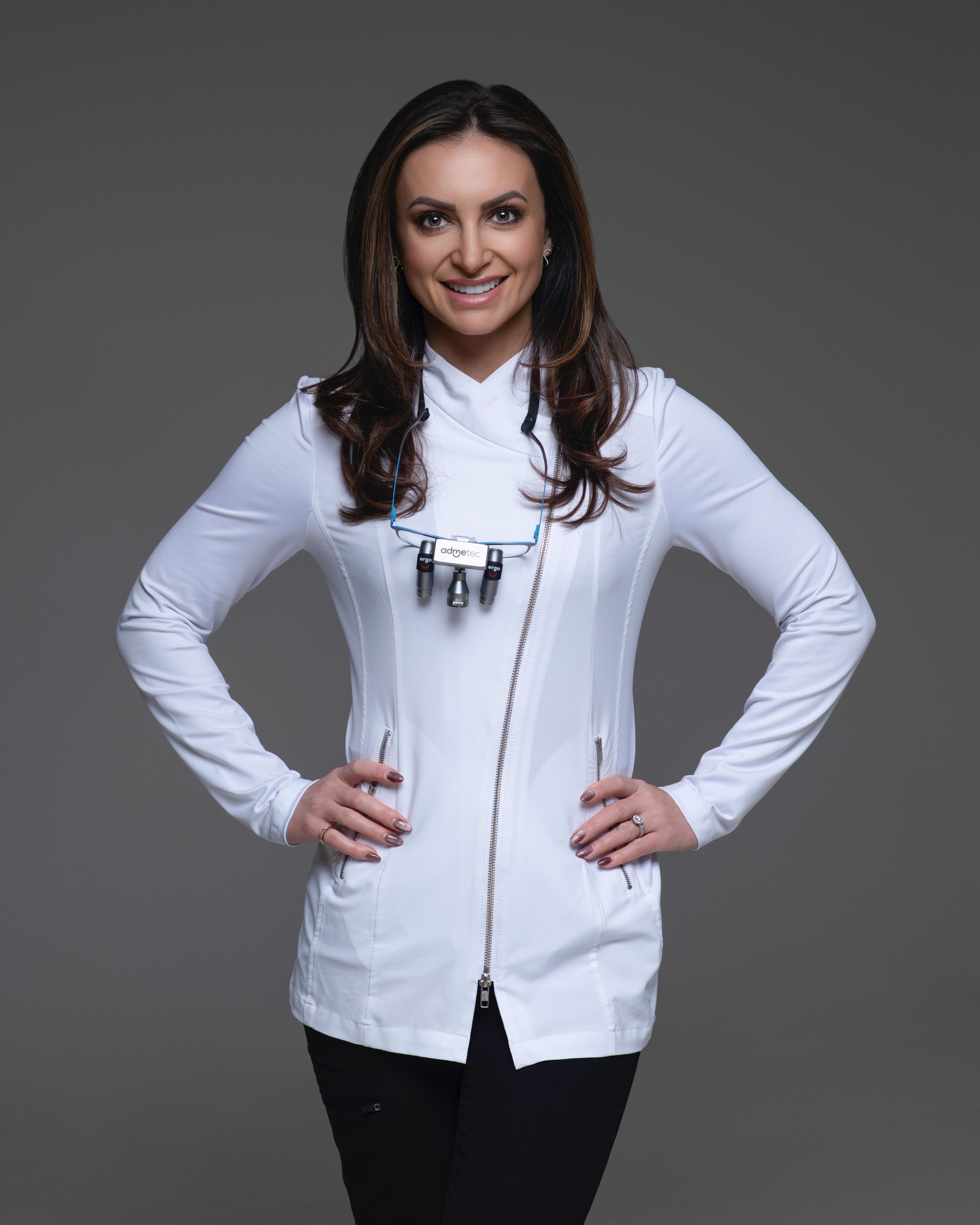
I'm Darya Timin, DDS, FAGD, and my Kois training taught me to look at the bite and the joint before anything else. Before I recommend Botox, I look at three things.
1. Where the pain comes from. Pain in the chewing muscles or the jaw joint is the most common sign of a jaw problem. I press on the muscles at the sides of your face and your temples, watch how your jaw opens and closes, and listen for clicking. If the soreness is in the muscles, Botox can help. If the joint itself is the main problem, Botox alone won't solve it, and the plan looks different.
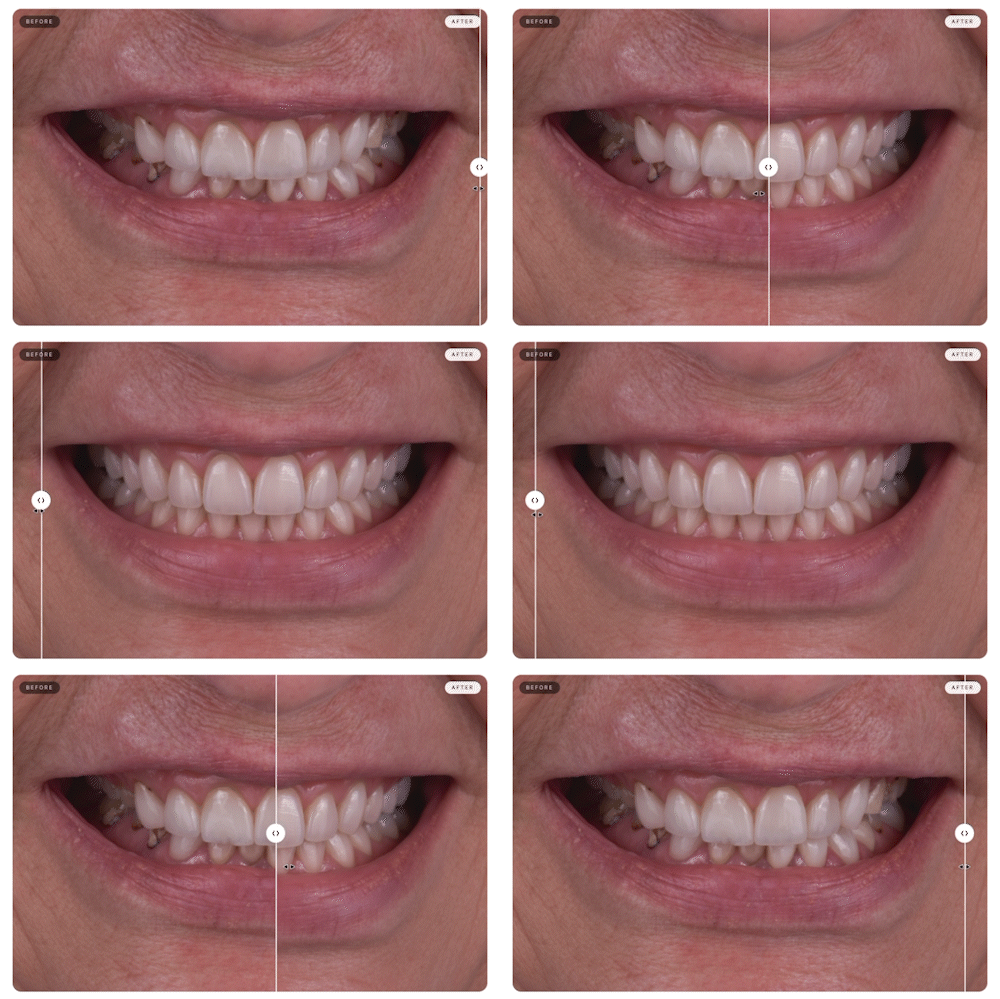
2. What your teeth are telling me. Clenching and grinding leave marks. Flat edges on the front teeth, small chips, teeth that look shorter than they used to, and sensitivity near the gum line. Grinding and wear are one of the main reasons teeth get shorter, especially in men. The wear pattern shows me how much force your teeth have been taking and whether they need protection now.
3. How your bite fits together. If your upper and lower teeth don't meet evenly, some muscles work harder than others all day and all night. Calming those muscles with Botox helps, but if the bite keeps pushing them, the clenching comes back. Sometimes the bite needs attention as part of the plan.
This is the part I'm most direct about. Botox temporarily relaxes your jaw muscles and can reduce pain. The word that matters there is temporarily. On its own, it doesn't protect worn teeth, fix an uneven bite or change why you clench.
So a plan for clenching usually has a few parts:
That last point matters to me. It's never just your jaw. I ask about stress, sleep and breathing at night, because a sore jaw is often where a bigger pattern first shows up. Part of TMJ treatment at our practice is asking those questions instead of only treating the sore muscle. I go deeper into how the pieces fit together in how I use Botox in a full TMJ treatment plan.
When the plan is right, the change is something you feel more than something anyone sees. Your jaw feels less tight in the morning. The headaches at your temples show up less. You stop catching yourself with your teeth pressed together at your desk or in traffic.
What shouldn't change is how you look when you talk, eat or laugh. I place Botox in the specific muscles that are overworking and plan the amount to calm the clenching, not to freeze anything. Nobody at the office should be able to tell. The goal is a jaw that works the way it's supposed to and teeth that stop wearing down.
If you've wondered whether you're grinding at all, the signs of nighttime grinding you might be missing are worth a look before your visit.
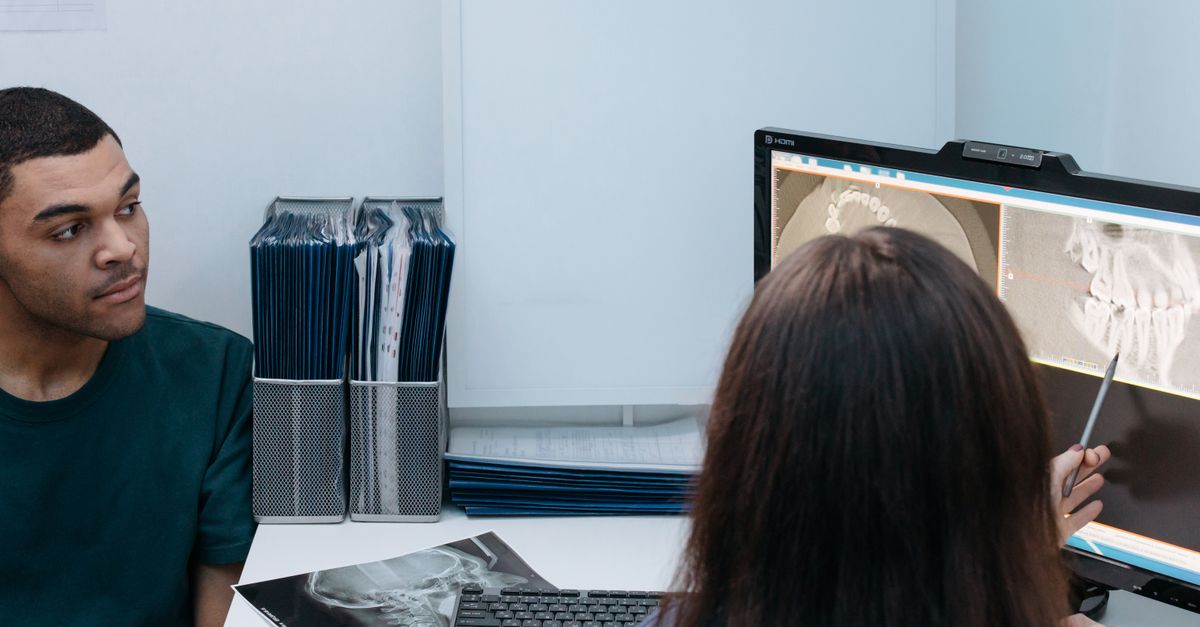
It starts with an exam, not a needle. We talk about when your jaw hurts, where the headaches sit, and what your partner has noticed at night. I examine the muscles and the joint, check your bite, and look closely at the wear on your teeth.
From there, I explain the plan and why each part is in it. If Botox is part of it, I show you which muscles I'd treat and why. If a night guard is part of it, it's custom-made for your bite. If worn teeth need rebuilding, we talk about that separately, at your pace. Nothing is done until you understand the plan.
We also offer Botox injections for cosmetic reasons, but jaw treatment is planned differently. It starts from your bite and your symptoms, not from a cosmetic goal.
Botox is $15 per unit. The total depends on how many units your treatment needs, and that depends on the area being treated and how strong the muscle is. A larger, stronger chewing muscle needs more than a smaller one. I'll go over your plan before anything is done, so you know what to expect.
A custom night guard is $1,419, made for your bite. We file the claim with your insurance for you, so if your plan has out-of-network benefits, you can use them, and depending on the plan, insurance has helped cover night guards. HSA and FSA cards work, and Cherry lets you split treatment into monthly payments. If you don't have dental insurance, the Smile Wellness Membership includes preventive wellness visits each year and 10% off other treatment, with some exclusions.
Morning jaw pain and headaches are worth taking seriously, and so is the wear you can see in the mirror. Your consultation is free. You'll leave knowing where the pain is coming from, whether Botox belongs in your plan, and how to protect your teeth so nobody can tell anything was ever wrong.
Book a consultation or call (214) 295-9270. Aesthetics with Purpose. Wellness by Design.
Quick answers to the follow-up questions patients ask most often. If yours isn't here, Dr. Timin is happy to walk you through it personally.
Get a custom treatment plan built around your smile, your bite and your health, designed by Dr. Timin.
Yes. The two do different jobs. A night guard protects the teeth from grinding force, while Botox relaxes the jaw muscles that create that force. Darya Timin, DDS, FAGD often keeps the night guard in the plan, because protecting the teeth still matters while the muscles calm down.
The goal is no. Dr. Timin places it in the specific chewing muscles that are overworking and plans the amount to calm the clenching, not to stop normal chewing, talking or smiling. Telling her about tight foods, morning soreness and headaches at the consultation helps her plan the right areas.
Yes. Botox relaxes the jaw muscles temporarily, so the effect fades and the muscles slowly return to their old strength. That is why Dr. Timin builds it into a full plan with a night guard, bite care and a look at what is driving the clenching, so your teeth stay protected over time.
Botox is $15 per unit at Redefine Dental Aesthetic and Wellness Center. The total depends on how many units you need, which depends on the area treated and how strong the muscle is. Dr. Timin explains the plan before treatment, and HSA and FSA cards and Cherry monthly payments are accepted.